Fundamentals of Theravāda (Semester III) – Bhante Maggavihāri
Fundamentals of Theravāda - Bhante Maggavihāri
- chapter VI
- rūpa
- rūpasamuddesa #edited
- rūpa
- 2 definitions ‒ Pāḷi
- ruppatīti rūpaṁ (rūpa is so called because it is deformed / changes)
- khajjanīyasutta: ruppatīti kho, bhikkhave, tasmā rūpanti vuccati
- ruppana
- the deformation / change / alteration that occurs to rūpas due to a physical strike, when kalāpas of dissimilar nature strike one another
- 2 types of ruppana (terms coined by Bh.)
- kalāpabbhantararuppana (intra-particulate deformation): the slight alteration that occurs within the kalāpa after being affected by opposing rūpas
- this is not a transformation of the state of matter such as from solid to liquid
- santatiruppana (main) (deformation in the continuum level): the drastic alteration that occurs in the subsequent generations of kalāpas after the strike
- note:
- the change that occurs during decay is due to jarā, not the strike
- kimpanetaṃ ruppanaṃ nāma? Yā sītādivirodhipaccayasannipāte visadisuppatti, tasmiṃ vā sati yo vijjamānasseva visadisuppattiyā hetubhāvo, taṃ ruppanaṃ. (vsm-ṭ)
- nāmas also change, so why are they not included in this definition?
- because, since they are not extended things, such changes do not occur due to any physical strike
- Kasmā pana rūpanti nāmaṃ ghaṭṭanavasena ruppanadhammānameva siddhanti...Tasmā tesaṃ rūpatāpatti natthīti. (prmtdpn)
- nāmas do not possess saṇṭhāna like rūpas
- Tattha purimapacchimānaṃ nirodhuppādantarābhāvato…uppādanasamatthatā samanantarapaccayatā. (Vsm-ṭ. II. 273.).
- dabbasaṇṭhāna↔"shape of a thing" ‒ quality of extended natures
- Arūpadhammāhi saṇhasukhumasabhāvā ca honti…Bahūnaṃ sannicayesati dabbasaṇṭhānatthāya saṃvattanti. (Adp 41.).
- they do not strike each other
- Nirantaruppādanasamatthatāti etena nirodhānaṃ nirodhasamakāluppādavādaṃ nivāreti...sahāvaṭṭhānābhāvena pana anantarameva uppādanaṃ. (Anu-ṭ. III. 228.).
- rūpayatīti rūpaṁ (rūpa is so called because it is visibly formed / self-evident) (Ml-ṭ)
- cittacetasikas and Nibbāna are not self-evident
- rūpayati↔pr. is visibly formed #[[pāḷi vocab (2nd year)]]
- extra notes:
- 3 terms used by V. Sāriputta as to why rūpa is called so #a_dp_3y2s
- kuppati (is disturbed; kuppana: disturbance that occurs within a kalāpa when affected by another, causing it to be unable to produce another similar kalāpa)
- pīlīyati (oppressed by something)
- ghaṭṭīyati (injured by something)
- ghaṭṭiyamāna↔prp. (+instr) being injured (by) [√ghaṭṭ + iya + māna] ~
- bundle theory (philosophical view under which theravada falls): rūpas exist in corelationship with each other; a combination of attributes / characteristic
- 3 philosophical ideas about matter
- only attributes; coming together they manifest as a thing; collection of qualities
- substance apart from the things
- only substance; qualities secondary
- they are the ultimate constituents of the material world; the building blocks of matter
- rūpakalāpa→is a group / cluster of at least 8 avinibbhoga rūpas that arise together; they possess saṇṭhāna (shape, size) and are saviggaha (extended, embodied), therefore, they can strike / clash with each other
- what is the main reason for the extension, shape, and size of kalāpas
- its size should depend on the balance of these forces
- they are balanced by tejodhātu
- the strike does not include āpodhātu
- rūpasantati→a lineage / continuity of generations of rūpas
- rūpasarīra→ the group of rūpakalāpas that form the body of living and non-living things
- the change (ruppana) is visible in the rūpa sarīra and tejodhātu is the main resposible for it (confirm) #q🙋🏼♂
- 28 rūpas
- acc. to nipphanna / anipphanna
- 18 nipphannarūpa: concretely produced / produced matter (by kamma, citta [cittuppāda], utu or āhāra)
- paṭhavī / pathavī (hardness)
- pṛthivi / pṛthuvi (influence from sanskrit)
- according to pāḷi grammar: pathavī
- āpo (cohesion and liquidity)
- tejo (heat and coldness)
- vāyo (pushing or bloating nature)
- cakkhuppasāda (visual sensitivity)
- sotappasāda (auditory sensitivity)
- ghānappasāda (olfactory sensitivity)
- jivhappasāda (gustatory sensitivity)
- kāyappasāda (tactile sensitivity)
- vaṇṇa / vaṇṇarūpa / rūpa (colour / visual data / visible aspect)
- sadda (sound)
- gandha (odor)
- rasa (taste)
- itthibhāva (femininity / female sex-determining matter)
- pumbhāva (masculinity / male sex-determining matter)
- hadayarūpa / hadayavatthurūpa / vatthurūpa (heart-base)
- jīvitindriya (life faculty)
- ojā / āhāra (nutriment)
- 10 anipphannarūpa (non-concretely produced / unproduced matter)
- ākāsadhātu (space element): primarily the space between two rūpakalāpas, or secondarily the boundary of a rūpakalāpa which differentiates it from another kalāpa
- kāyaviññatti (bodily intimation)
- vacīviññatti (verbal intimation)
- rūpassalahutā (lightness of the four great elements)
- rūpassamudutā (malleability of the four great elements)
- rūpassakammaññatā (wieldiness of the four great elements)
- upacaya (initial genesis of matter in a material process)
- santati (repeated genesis of matter in a material process)
- jaratā (aging or maturation of matter)
- aniccatā (vanishing of matter)
- acc. to primary / derived
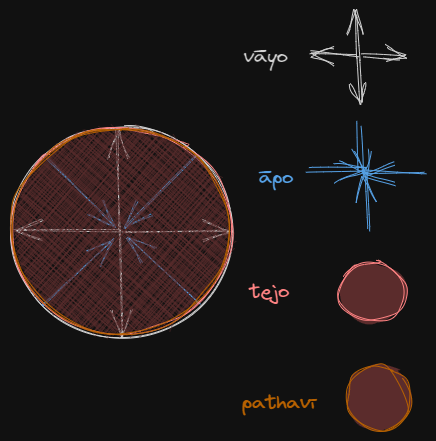
- 4 mahābhūtā
- 24 upādāyarūpa (derived materialities): they arise because of the primary elements
- note:
- in paṭṭhāna, hadayavatthurūpa appears as vatthu
- mahābhūtās
- why are they called so?→because they occur in large forms and quantities like the earth, mountains, and oceans
- pathavidhātu
- what is it?→the non-self nature (dhātu) of hardness (paṭhavī)
- what is softness?→ is nothing other than relatively less hardness, so it is also pathavī
- dhātu↔a non-self (nissatto), soulless (nijjīvo) element with intrinsic nature
- if it weren't for āpo, pathavī would explode outwards
if it weren't for vāyo, pathavī would implode inwards
the balance between these forces is essential for the occurance of a rūpakalāpa
- āpodhātu
- what is it?→it is the non-self nature (dhātu) of cohesion / adhesion (āpo), the inward intra- and inter-particulate force that keeps matters within one particle, and particles as a group, bound together preventing them from scattering away
- note:
- investigate the action of āpo within the kalāpa and between kalāpas #q🙋🏼♂
- if kalāpas can more in a fluid way the harness cannot be easily felt by the touch #q🙋🏼♂
- objects with more earth element and less water element (such as bones, wood...) remain compact and hard #q🙋🏼♂
- if āpo keeps kalāpas together, why water, with strong āpo, does not stay together? flowing should allow kalāpas to move around freely. seems contradicting. #q🙋🏼♂
- what is the relationship between pathavī and āpo?
- when pathavī is more prominent than āpo, the rūpasarīra is harder and more solid (bones, for example)
when āpo is more prominent than pathavī, it becomes fluid (oil, for example)
- 3 types of āpo (tbc) #q🙋🏼♂
- inward intra-particulate force (within the kalāpa)
- inward inter-particulate force (between kalāpas) (isn't it the same inward force but affecting beyond its limits?)
- if mahābhūtās are forces and they have a spatial limitation (kalāpa), how can those forces act beyond its limitations? isn't the force of tejo beyond the limits of the kalāpa just tejo? how can the external force not be the same as the internal force? #q🙋🏼♂
- fluidity (tbc)
- note:
- how does the tejo affect that? if something is cooler it becomes solid...high patavī affected by high tejo is affected and produces matter with high āpo #q🙋🏼♂
- tejodhātu
- what is it?
- it is the non-self nature (dhātu) of heat (tejo) (Ledi: and cold)
- the force that first matures and ripens co-existing rūpas, strengthening them and (in some cases) making them grow (as a santati),
- but then (after full growth) causing them to decay and deteriorate
- note:
- 2 opinions:
- vsm: tejo is heat, while cold is simply less tejo
- ledi: tejo is heat or cold (2 modes)
- vāyodhātu
- what is it?→it is the non-self nature (dhātu) of pushing (vāyo), the outward intra- and extra-particulate force that keeps rūpas and kalāpas from imploding inwards
- how are objects with prominent vāyo?→one with prominent vāyo is bloated, light and moves frequently (wind / gas, for exaple)
- ordinary earth, water, fire and wind are examples of groups of kalāpas that have the pathavī, āpo, tejo and vāyo elements, respectively, more prominent - but they all contain the 4 elements
- heavier natures: pathavī and āpo
lighter natures: tejo and vāyo
- pasādarūpa
- what are pasādarūpa?
- matters that are dependent on the great primaries born of kamma, and that are sensitive to and instrumental in experiencing gocararūpas
pasāda denotes the clarity of a surface, like the surface of a mirror
- note:
- daṭṭhu-kāmatā-nidāna-kammajabhūta-ppasāda-lakkhaṇaṁ cakkhuṁ
the eye has the characteristic of sensitivity depending on great elements produced by the kamma which was affected by the craving to see
- lahutā, mudutā and kammaññatā are attributes of the mahābhūtā but pasāda depends on mahābhūtā
- 5 pasādarūpas (sensitive matter)
- cakkhuppasāda (visual- / eye- sensitivity): the sensitivity to visible data present in the center of the pupil that is instrumental in and enables the perception of visible data
- location and size
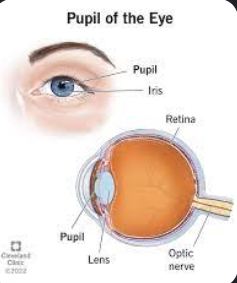
- location: in the center of the pupil of the eye
- size: approximately the size of a louse's head or, according to another ancient teacher, about the size of half a green gram
it is spread across seven layers in the eye, akin to oil permeating cotton wool
- modern perspective: the light goes through the pupil and lens and forms at the back of the retina where the optic nerves are located
- does cakkhuppasāda see?
- what is called seeing is done by cakkhuviññāṇa, not cakkhuppasāda - when a visible object impinges on the cakkhuppasāda, cakkhuviññāṇa arises seeing the object - the same applies to the other sensitivities
- is it separate from the mahābhūta?
- no, rather, it relies on the four great elements, and thus, it is known as the sensitivity of the great elements "catunnaṃ mahābhūtānaṃ pasādo" - the same applies to the other sensitivities
- sotappasāda (auditory sensitivity): the sensitivity to sounds present within the ear shaped like a ring with fine copper-colored hair that is instrumental in and enables the perception of sounds
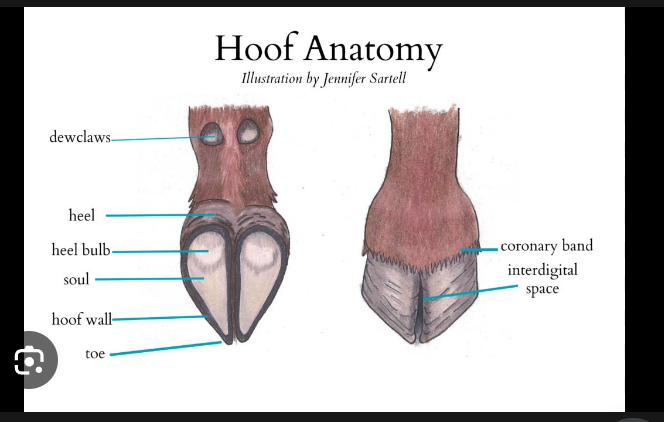
- ghānappasāda (olfactory sensitivity): the sensitivity to odors present within the nose and shaped like a goat's hoof that is instrumental in and enables the perception of odors
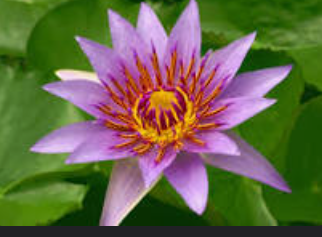
- jivhāppasāda (gustatory sensitivity): the sensitivity to flavors present on an area of the tonge that resembles the edge of a water lily petal that is instrumental in and enables the perception of flavors
- kāyappasāda (tactile sensitivity): the sensitivity to tangibles present throughout the body (exc. hair, nails, dry skin...) that is instrumental in and enables the perception of tangibles
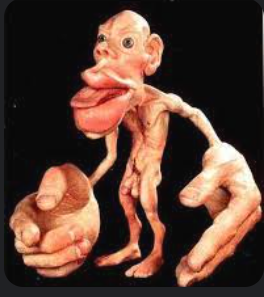
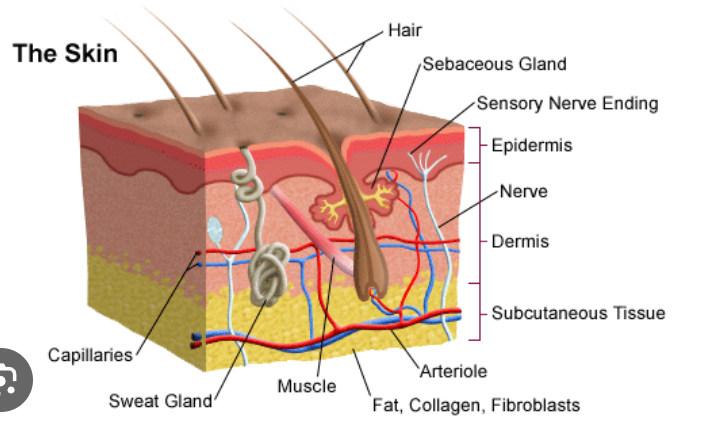
- vocab: #[[pāḷi vocab (2nd year)]]
- camma↔white part of the skin
- cavi↔colorful part of the skin
- how can one single kamma produce different pasādarūpas?
- the kamma that produces the aggregates of a new life is affected by the craving for experiencing colors, sounds, odors, flavors, and tangibles, as well as sexual craving; therefore, it leads to the production of the related faculties for experiencing such desired objects
- jhānalabhīs have suppressed kāmataṇhā but still have the desire to see and listen to spiritual companions and Dhamma; therefore, as a result, they do not possess these 3 faculties as well as the bhāvarūpas
- mem aid:
- kamma + desire to see ⇒ cakkhādi
- kamma + sexual desire ⇒ bhāvarūpa
- gocara- / visaya-rūpa
- vaṇṇa / vaṇṇarūpa / rūpa (visual data / color / visible aspect): the visual materiality that impinges on the visual-sensitivity and is seen by the visual-consciousness - it is the only visible materiality
- sadda (sound): the audible materiality that occurs when materialities either collide or explode impinges on that the auditory sensitivity and is heard by the auditory-consciousness - it is the only audible materiality and does not last long in terms of generations
- 2 types of sounds
- produced by collisions
- produced by explosions
- 3 opinions about sound #a_dp_3y2s
- ancient commentaries: it travels in generations and strikes against the sensitivity; it is sampattaggāhī; more in accordance with the modern ideas
- bdgs (and abhdhmtsgh): how could one know where the sound comes from? it does not travel and must impact at a distance, being asampattaggāhī
- modern information that favors the ancient commentaries:
- sound travels, its speed is clearly known (1235 km/h, but depends on temperature, humidity, altitude, medium [fastest in solids, slowest in gases] [modern explanation: when particles are more packed, they transmit vibrations more efficiently])
- it needs a medium to travel;
- how do beings know where the sound comes from? the sound travels and reaches each ear at slightly different moments and intensities and the reverberation caused by the shape of the ears (pinna) helps understand where it comes from (pinna is especially helpful in understanding where it comes from in the vertical plane while the intensity and timing in the horizontal plane); if the shape of the ears is changed, we cannot understand where it comes from; if only one ear, the same happens
- ledi (a variation of bdgs's): sound does travel, but when it enters the hearing range, it strikes the sensitivity (mix of the two)
- gandha (odor): the odor of materiality that impacts the olfactory-sensitivity and is tasted by the olfactory-consciousness; it is the only materiality that can be smelled
- rasa (flavor): the palatable materiality that impinges on the gustatory-sensitivity and is tasted by the gustatory-consciousness - it is the only palatable materiality - only those that perceptible and dissolve in saliva can be tasted by the human tonge
- phoṭṭhabba (tangibles): the tangible materialities consisting of pathavī, tejo and vāyo, that impinge on the tactile-sensitivity and are touched by the tactile-consciousness - they are the only tangible materialities
- how many phoṭṭhabbas strike the tactile sensitivity?→altogether 3 phoṭṭhabbarūpas strike the tactile sensitivity, but only 1 phoṭṭhabba, from one single kalāpa, is known at a time
- why is āpo not included in the phoṭṭhabbas?→because cohesion is the inward force within the kalāpa and therefore does not impinge on kāyappasāda
- notes:
- the supporting of āpo is called brūhana
the supporting of vedanā to the cittuppāda is also brūhana
- vocab: #[[pāḷi vocab (2nd year)]]
- brūhana / ā [√brūh + ana] ~→nt. developing; increasing; 2 nt. intensification; fem. increasing in size; bulking up
- what gocararūpas are present in every kalāpa?
- phoṭṭhabba (pathavī, tejo, vāyo), vaṇṇa, gandha and rasa - 4
- do we touch what we see? explain it
- what is seen by the eyes cannot be felt by the hand and vice-versa - each gocara is only experienced by its respective viññāṇa with the help of its respective pasāda - not knowing this, it is commonly said that "we touch what we see" and so on which is a misconception resulting from ignorance regarding the differentiation of realities
- note:
- some points that do not match modern ideas:
- the position of the visual sensitivity
- the behavior of sound (depending on the idea followed)
- avasesanipphannarūpa
- bhāvarūpa (sex-determining matter) #edited
- what it is
- kammajarūpa produced by a kamma affected by sexual craving
- what are kammas affected by sexual craving?
- kammas that occur in a stream of consciousness in which kāmataṇhā was not suppressed by entering jhāna (even the kāmāvacaracittas of a jhānalābhī still produce results in the kāmabhūmi with bhāvarūpa)
- that are present throughout the body from paṭisandhi until cuti
- that dominate ‒ hence called indriyas ‒ other kammajarūpas and other rūpas in the entire body (as well as mental states) to develop and exhibit female / male characteristics (liṅgaṁ, nimittaṁ, kuttaṁ, ākappo)
- mem aid: kammajarūpas - sexual craving - paṭisandhi - indriya
- 2 bhāvarūpas
- itthibhāva / itthindriya (feminine sex-determining matter)
- pumbhāva / purisindriya (masculine sex-determining matter)
- extra notes:
- the mahābhūtās themselves have no sex distinction
- itthibhāva is more limited than pumbhāva (no paṇīta iddhipādas)
- 4 things influenced by bhāvarūpa - with gāthā: "liṅgaṁ... #a_dp_3y2s
- "liṅgaṃ hatthādisaṇṭhānaṃ, nimittaṃ mihitādikaṃ,
kuttaṃ suppādinā kīḷā, ākappo gamanādikaṃ" (abdhmthvbhvṇṭk)
gender: the shape of hands and so on, signs: the smiles and so on,
behavior: the crafts, interests and so on, deportment: the manner of walking and so on
- AI:
- liṅgaṁ hatthādisaṇṭhānaṁ — “The liṅga is the configuration of the hand and similar bodily forms.” Refers to physical shape or form, especially of limbs.
- nimittaṁ mihitādikaṁ — “The nimitta is the gesture or sign, such as a movement or expression.” Often used in grammar or meditation to mean a mark, sign, or indicative feature.
- kuttaṁ suppādinā kīḷā — “The kutta is play or sport, produced skillfully.” Suggests an activity or performance, especially one done with finesse.
- ākappo gamanādikaṁ — “The ākappa is posture or deportment, such as walking and similar actions.” Refers to bodily comportment or mannerisms.
- vocab: #[[pāḷi vocab (2nd year)]]
- kuttaṁ nt.→behaviour, coquetry; 2 pp. created; formed; fashioned; the manner of smiling and so on
- ākappa [ā + √kapp + a] ✓↔masc. deportment; conduct; behaviour; the manner of walking
- mihita [√mih + ita]↔nt. smile; chuckle
- ādikappika manussa↔humans who are born in the beginning of the kappa
- ādikappika humans do not possess bhāvarūpa ‒ are they napuṁsakas?→no, napuṁsakas do not have bhāvarūpa as a deficiency, but ādikappikamanussas do not have it naturally (this is an exception to kāmataṇhā producing bhāvarūpa, right?), though suppressed kmvr are still affected; they still have some influence; #q🙋🏼♂
- what about napuṁsakas and ubhatobyañjanakas?→napuṁsakas are those who, on rare occasions, are born lacking bhāvarūpa (as a deficiency), while the latter have one bhāvarūpa but two sexual organs develop due to the influence of unwholesome kamma
- mahāthera suggests there might be a difference in the amount of bhāvarūpas between individuals
- are brahmas napuṁsakas?→brahmas are not napuṁsakas, who lack bhāvarūpa due to a deficiency; brahmas, on the other hand, don't have it due to being the result of a jhānacitta that arose with the suppression of sexual desire
- a jhānalābhī has suppressed sexual desire and has no nightfalls (reference), but his kāmāvacaracittas still produce rebirth in the kāma realm #q🙋🏼♂
- viz. paṭhamatajjhānasutta
- avijjānivaraṇa: not seeing the disadvantages of sexuality
- paññā as a jhānaṅga: understanding the disadvantages of sexuality by seeing its defects
- at the jhāna level, this understanding is mature
- hadayavatthurūpa (heart base) #edited
- what it is
- rūpa that arises within the blood inside the heart muscle
- that serves as the base for manoviññāṇas (except cittas that do not have a base)
- beings that do not have hadayavatthurūpa
- asaññasatta brahmas
- arūpa brahmas
- extra notes:
- types of taṇhā and what tipe of rebirth they lead to
- kāmataṇhā
- leads to rebirth in the 11 kāma realms
- if suppressed by entering jhāna, one is reborn in the brahma realms (only refers to the jhānacittas; kāmāvacaracittas of a jhānalābhī still lead to rebirth in the kāma realm)
- clarify the suppression: a jhānalābhī has suppressed it, but his kāmāvacaracittas still produce result in the kāma realm. Is it because when not in jhāna, sexual craving is not suppressed enough, or is it that it is suppressed but kāmāvacaracittas produce results in their realm nonetheless? answered above #q🙋🏼♂
- rūpataṇhā
- leads to rebirth in 27 realms except the arūpa realms
- if suppressed by rūpavirāgabhāvanā, one is reborn in the arūpa realm in which cittas are strong enough to sustain themselves without rūpa
- nāmataṇhā
- leads to rebirth in any of the 30 realms except asaññasatta
- if suppressed by nāmavirāgabhāvanā, one is reborn in the asaññasatta realm without a hadayavatthu
- bhavataṇhā
- leads to rebirth in all realms
- cannot be fully suppressed, only weakened or erradicated by arahattamagga (the bodhisatta is the foremost in this case ‒ due to that, he was able to offer his own life) (is this also why only they can do adhimuttikālakiriya?) #q🙋🏼♂
- note: kamma itself produces the base for nāma to arise
- jīvitindriyarūpa (vitality / vital force / life-faculty) #edited
- what it is
- rūpa that is produced by past kamma (affected by bhavataṇhā? all kusala / akusala kammas are so affected, but can it be said to be the reason for the jīvitindriya?) #[[3 sikkhā ]] #q🙋🏼♂
- that arises throughout the body
- that protects (anupālana) and sustains the kammajarūpas associated with it in the absence of its productive cause, providing support for its continued generation
- why is jī needed?
- citta, utu and āhāra produce rūpas while being present, therefore no rūpa is needed for providing them with support; however, the cetanā that produces kmjr is not present when the rūpa arises, so they require such support, thanks to which, their successive generations can last for a lifetime
- it is the only kammaja rūpa present in asaññasatta brahmas
- it plays an important role in digestion with pācakatejo
- extra note:
- what is cittajarūpa process?
- it is the cittajarūpas produced by one particular cittavīthi
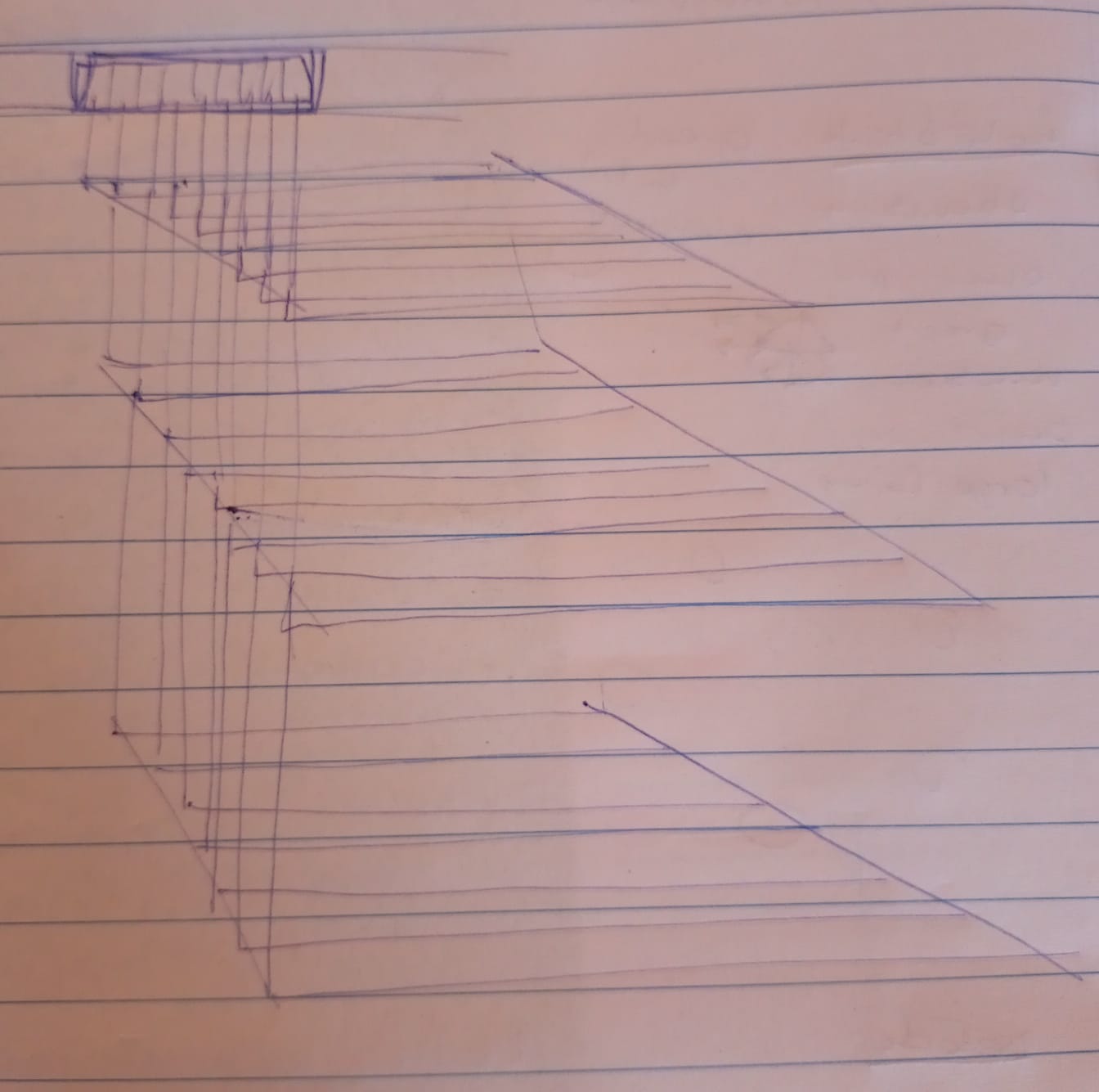
- when the cause vanishes, the results soon cease ‒ but in the case of kammajarūpas, due to jīvitindriya, the results can last for the whole lifespan
- kammajasantatisīsa
- the first kammajarūpas of one life
- 2 types of support given by jīvitindriya (opinions) #a_dp_3y2s
- khaṇika support (intra-particulate support) (official opinion)
- santati support (successive / continuous / support): not discussed in paṭṭhāna (mūlaṭīkā)
- notes:
- ledi:
- suggests that jīvitindriya acts within the kalāpa, while the other coexisting kammajarūpas support the lineage
- questions the need for JI to support the momentary existence - since once arisen they can support themselves - and that it then becomes strong enough to become a supporting condition for the next generation
- janakapaccaya - the existence of a momentary dhamma (after arising) does not depend on the cause that produced it
- if jīvitindriya is interrupted, kamma cannot produce kammajarūpas anymore
- if jīvitindriya is a condition for kamma to produce kammajarūpas, then it would not be possible for the first kammajarūpas to occur in the beginning of life #q🙋🏼♂
- there seems to be some evidence to supports the idea that jīvitindriya also supports the santati like ānantarapaccaya
- āhārarūpa / ojā (nutriment)
- what is it?
- the nutritive essence found in every rūpakalāpa
- can produce āhārajarūpas if supported by another ojā and pācakatejo (details in the "process of production of āhārajarūpa")
- āhārajarūpas in turn provide energy and sustenance to the bodies of living beings, allowing them to keep living
- types of ojā that provide sustenance
- suitable bāhira ojā (utuja) when in contact with the body
- ajjhattika ojā (kammaja, cittaja, utuja, āhāraja)
- if there is ojā in every rūpakalāpa, how come some things are not edible?
- not any ojā is suitable for all types of beings ‒ each type of being consumes the ojā that is suitable for them
- what about such things as stones that are observed to not be food for any living being? #q🙋🏼♂
- extra notes:
- 3 supports of ojā
- intra-particulate support: directly supports the associated rūpas
- extra-particulate support: supports the other rūpas in the body
- generative support: supports by producing āhārajarūpas
- the body gets support from 5 main elements #a_dp_3y2s
- kamma
- janaka support: by producing kammajarūpas
- upaṭṭhambhaka support: by bringing necessary conditions for life such as food
- citta
- janaka support: supports by producing cittajarūpas
- post-nascence support: pacchājātapaccaya
- utu
- janaka support: by producing utujarūpas
- digestive support: by assisting the production of āhārajarūpas with pācakatejo
- āhāra
- intra-particulate support: directly supports the associated rūpas
- extra-particulate support: supports the other rūpas in the body
- generative support: supports by producing āhārajarūpas with the support of jīvitindriya, pācakatejo, and another ojā
- jīvitindriya
- intra-particulate support: supports coexisting kammajarūpas
- kammaja-continuity support: supports the kammajasantati
- continuity support: supports the santati of the entire body
- mother and child's virtues affect each other: the bodhisatta's mom does not have lust after conception and naturally keeps the 5 precepts
- self support: never accepted in theravāda, a reality cannot support itself; Nibbāna exists by itself but does not support itself
- when a living animal is devoured all 4 types of rūpa are consumed
- normally we eat utujarūpas
- pācakatejo lies mainly in the stomach
- there is no kāyappasāda in the stomach
- the heat increases if one does not eat and causes hunger
- utuja rūpa become body parts influenced by bhāvarūpa, etc.
- ojā that is digested is divided into 5 parts
- 1 is burnt by pācakatejo
- 1 ‒ called rasadhātu ‒ is the essence extracted by digestion
- 1 is consumed by creatures within the body
- 1 becomes waste as excrement
- 1 becomes urine
- rasadhātu↔the essence of food extracted by the digestive process
- why are they called nipphanna?
- because they are directly produced by the fourfold producers of matter
- sabhāvarūpa→nipphannarūpa
- salakkhaṇarūpa→nipphannarūpa
- rūparūpa→nipphannarūpa
- anipphannarūpa
- definition→non-concretely produced, derived rūpas that are modifications, alterations, changes of the real rūpas (not directly produced by the 4 causes?) #q🙋🏼♂
- reason for their name→because they are not directly produced by the four major causes nor do they exist directly from them
- ākāsadhātu / paricchedarūpa
- definition→space that is in between and delimits (paricchindati) different rūpakalāpas; one of the 28 rūpas; not a real rūpa, but a derived rūpa
- types of ākāsa
- anipphannarūpa
- paricchedākāsa / paricchedāvakāsa / ākāsadhātu
- is it present within the kalāpas?
- does it belong to any kalāpa?
- what does it do?
- it delimits, separates (paricchindati) different rūpakalāpas, not allowing them to merge or become one even when in close contact
- does it go through the 3 moments of uppāda, ṭhiti, and bhaṅga?
- no, but it is still considered to be "produced" by the 4 causes and is necessary for delimiting different rūpakalāpas (confirm the statement that anipphannarūpas are not produced directly by the 4 causes) #q🙋🏼♂
- can we say that space is a condition for rūpakalāpas to occur? #q🙋🏼♂
- why it is considered a rūpa
- it is not a real rūpa that arises and vanishes, but a material phenomenon that is derived, secondary, an attribute of primary rūpas because it is necessary for delimiting, separating different rūpakalāpas (one place says anipphannas are not produced directly by the 4 causes by another says that they are; clarify) #q🙋🏼♂
- paññatti
- ajaṭākāsa: infinite space where all things exist, with no limitations or borders; sarvastivdins consider it a reality
- ākāsakasiṇa: object of the 1st to 5th rūpāvacarajjhānas; one of the kasiṇas
- kasiṇugghāṭimākāsa: the space obtained by removing the kasiṇapaṭibhāganimitta
- ākāsānañca: infinite space; object of the 1st arūpajjhāna
- absence of a particular reality
- natthipaccaya, vigatapaccaya
- absence of ākāsānañcāyatanacitta
- neither ajjhatta nor bahiddha (tikamātika)
- extra notes:
- the space between kalāpas is helpful to undersand there is no self; therefore it is given a new name; some may think space is a self in which rūpas arise
- why is ākāsa given as having 17 ck?
- it is simply considered so since the kalāpas that "produce" it vanish after 17 ck
- vikārarūpa (modification-matter)
- definition→special alterations, modifications, changes of nipphannarūpas produced by citta, utu, or āhāra
- reason for their name
- because they are the alteration (vikāra) that occurs in the rūpas of living beings due to the 3 causes of citta, utu, or āhāra
- vikāra [vi + √kar + *a]↔masc. (for the worse) change; alteration; transformation 2 masc. signal; sign; motion; lit. change; 3 masc. disturbance, deformity; 4 masc. quality #[[pāḷi vocab (2nd year)]]
- rūpas included
- viññattirūpas
- reason for their name→because they cause (āpe) the intentions of beings to be known (ñā) distinctly (vi)
- kāyaviññatti
- definition
- the force of intimation, an influence of the mind that intends to move the body,
- that occurs only within the body in accordance with the intention of the mind
- that steers, modifies, influences, affects the cittakiriyavāyodhātu to a certain direction with a certain momentum, causing subsequent generations of utujarūpa to occur in adjacent locations towards that direction, creating bodily movements
- it vanishes with the mind that produces it
- cittakiriyavāyodhātu↔the pushing element associated with bodily movements and that is present in ctj klps ‒ kāyaviññatti (does it refer to any cittajavāyodhātu or only the one accompanied by kāyaviññatti?) #q🙋🏼♂
- vacīviññatti
- definition→the force of intimation, an influence of the mind that indends to speak, that modifies the manner in which cittajakalāpas strike other rūpas in the vocal area producing the desired sound to arise in the same kalāpa #q🙋🏼♂
- definitions:
- the cittajavāyodhātu in the vocal area, afffecting the manner of striking with another kalāpa, influencing the vocal sound thereby produced vocalizing letters and words as intended. sound arises when the cittaja vāyo (mind-produced wind element) strikes certain places in the vocal area. The sound that arises is then modified according to the mind's intention by the vacīviññatti.
- vacīviññatti is the force or power that controls sound in a way that creates letters and words intended to be uttered. Sound arises when the cittajavāyo (mind-produced wind element) strikes certain places in the vocal area. The sound that arises is then modified according to the mind's intention by the vacīviññatti
- According to Paramatthadīpanī - vacīviññatti modifies the sound in the same kalāpa
- According to Commentary - it modifies Pathavidhatu
- does it arise anywhere else apart from the vocal area? #q🙋🏼♂
- viññatti is produced by citta, but what about the sound that arises due to the strike?
- both viññatti and the sound are cittaja and occur in the same kalāpa
- that arises when the cittajavāyodhātu strikes other rūpas in the vocal area, creating letters and words as intended by the mind (clarify)
- what about when snapping fingers or making involuntary sounds?
- snapping: only kāyaviññatti is involved; the sound is only utujarūpa
- involuntary sounds: no vacīviññatti; utujasadda
- extra notes:
- different explanations / opinions (clarify) #q🙋🏼♂
- comm.: the mind intends to make a sound (speak), produces cittajarūpas with viññatti that is a modification of the cittakiriyavāyodhātu, which causes the cittajarūpa to strike against other rūpas in the vocal area, causing the desired sound to occur within the same cittajakalāpa
- both the strike and the sound occur simultaneously (confirm) #q🙋🏼♂
- prmtdpn (Ledi): the manner of striking depends on kāyaviññatti and the sound arises on the subsequent generation of cittajarūpas that arise after the strike, being directly modified by the mind (but what about vacīviññatti?) #q🙋🏼♂
- saddanavakakalāpa are not mentioned in abhidhammatthasaṅgaha; pmtdpn: suggests they exist
- 2 meanings of upādinnaka
- most clung to dhammas: kammajarūpas and lokiya vipāka cittacetasikas
- any reality that is part of the self, even lokuttaracittas (maybe equivalent to ajjhatta)
- note:
- we are attached to kammajarūpas more than others
- body parts such as dead skin that do not contain kammajarūpa are normally considered anupādinnaka
- rūpassa- lahutā, mudutā, and kammaññatā
- their definition→the lightness, agility (lahutā), malleability, flexibility (mudutā), and wieldiness, adaptability, facileness, non-burdensomeness, suitability to work, workability (kammaññatā) of the mahābhūtās due to suitable citta, utu, or āhāra
- can they occur in inanimate things?
- do they occur separately or together?
- always together, though one may be more prominent than the others
- their opposite states
- lahutā ⇔ heaviness
- mudutā ⇔ stiffness
- kammaññatā ⇔ unsuitable to work
- note: the negative opposites can occur due to unsuitable citta, utu, or āhāra
- extra notes:
- non-controledness: excess vāyo
- heavy body: excessive paṭhavi and āpo
- stiffness: excessive paṭhavi
- never produced by domanassa cittas, it seems
- lakkhaṇarūpa
- what are lakkhaṇarūpas?→they are universal attributes / stages of other rūpas
- 4 lakkhaṇa rūpas #a_dp_3y2s
- (jāti)
- upacaya (initial genesis, accumulation, growth): the arising moment of rūpas, which lasts 1 ack, until all rūpas that are supposed to arise in life have arisen
- acaya (initial genesis): the very first uppādakkhaṇa of each rūpa in one life
- upacaya (repeated genesis during growth): the repeated uppādakkhaṇa of each rūpa until all the rūpas that are supposed to arise in one life have arisen (including the generation which marks the end of growth)
- santati (repeated genesis after growth): the repeated uppādakkhaṇa of rūpas after all rūpas that are supposed to arise in life have arisen
- jaratā (decay, ageing, maturation): the ṭhitikkhaṇa of rūpas, which lasts 49 ack
- rūpas ability to sustain themselves deteriorates
- the reality is burnt by the fire of jarā (does this happen to nāmas as well? why aren't these lakkhaṇās also lakkhaṇanāmas?)
- some say jarā = ṭhitikkhaṇa in some places; but there are other opinions (clarify) #q🙋🏼♂
- ṭhitassa añññathattaṁ
- aniccatā (the state of non-permanence, the state of vanishing, breaking up): the bhaṅgakkhaṇa of rūpas, which lasts 1 ack
- notes:
- all 3 types of genesis can be called jāti
- what about lakkhaṇarūpas of inanimate things? #q🙋🏼♂
- why are not lakkhaṇarūpas paññatti?→because they are things that occur to paramatthas, stages of paramatthas, not things made up by the mind
- extra notes:
- direct experience of a phenomenon does not need logical explanation for its existence; it is self-evident "na hi paccakkhasidde..." ‒ the whys don't need to always be given
- impermanent realities are so from 2 perspectives
- impermanent due to the reality itself vanishing
- impermanent due to depending on an impermanent cause
- the result of an impermanent cause must be impermanent
- anicca refers to realities which pass away;
aniccatā is the nature / incident of passing away - exists because the reality is weak due to being produced by weak impermanent realities
- if something was developed, it had a limited capacity previously
- abhāvapaññatti: the concept of absence of reality
- lifespan of each rūpa
- viññatti: 1 ck
- lakkhaṇas
- upacaya, santati, and aniccatā: 1 ack
- jaratā: 49 ack
- remaining 22 rūpas: 17 ck
- if viññattis only last 1 ck, why do lahutādi produced by citta last 17? #q🙋🏼♂
- rūpavibhāga (analysis of corporeality) #edited
- 8 common characteristic of all rūpas #a_dp_3y2s
- 3 related to causes
- sappaccaya: "with causes" in the sense of arising due to causes
- nibbāna and paññattis are appaccaya
- saṅkhata: produced by causes "paccayehi samāgantvā (sam) kataṁ (k⇒kh)"
- there is no reality that is produced by one single cause
- extra notes:
- 4 types of doctrines according to hetu / phala
- ekahetu ekaphala: only one cause only one effect (our souls are the offsprings of the 'mother' soul) (upanishad)
- ekahetu nānāphala: everything created by an almighty god all compassionate
- nānāhetu ekaphala: many causes, one effect
- nānāhetu nānāphala: here the Buddha teachings falls into; in paṭiccasamuppāda, it is normally taught ekahetu ekaphala way
- saṁskrit, the language which was purposely made
- devabhāsa, as an attempt to prevent the language from evolving, grammar was established; artifically made, standardized
- ahetuka: "without causes" in the sense of not associating roots (mūlahetus)
- mem aid: with / produced by / without causes
- 3 related to cognition
- not taking
- anārammaṇa: do not perceive objects
- misconception: rūpa cannot be an object
- being taken
- sāsava: "with cankers" in the sense of being object of cankers
- kāmāvacara: objects of sense craving
- lokiya: they belong to the mundane sphere
- loka: lujjati palujjatīti loko ⇒ applied to things which are seen by wordlings, therefore does not encompass lokuttara saṅkhatas
- normally when letter change they change either horizontally or vertically in the alphabet, but here it is different
- purpose of the teaching is to remove nicca / dhuva saññās
- lokuttaracittas are not object of them, so they are not included
- appahātabba: not to be abandoned
- abandonment of rūpa in texts
- abandonment of lust for it: said to ven. Rādha: rūpaṁ pahātabbaṁ: what is this abandoning in this case? abanoning the chandarāga towards it
- abandonment by erradication of its major cause: when akusalas are abandoned, no akusala-cittajarūpas arise
- rūpas abandoned by each magga
- sotāpattimagga abandons
- present rūpas produced by 4 diṭṭhigatasampayutta and vicikicchāsampayutta cittas
- future rūpas in apāya
- future rūpas from the 8th future life in the kāma realm onwards
- sakadāgāmimagga abandons rūpas from the 3rd life in kāma realm onwards (tbc) #q🙋🏼♂
- anāgāmimagga abandons
- present rūpas produced by dosamūlacittas
- future rūpas in the kāma realm
- arahattamagga abandons
- present rūpas produced by akusala- and kusala-cittas
- future rūpas in the rūpa realm (and nāmas in the arūpa realm)
- pahātabba are the akusalas / taṇhā
- mem aid: 3 related to causes, 3 to cognition, kmvcr ⇒ lokiya, lokiya ⇒ appahātabba
- extra notes:
- 5 meanings of saha #a_dp_3y2s
- "resultant"-saha: in the sense of being an effect of something (if B arises due to A, B is said to be "together" with A)
- "sampayoga"-saha: together in the sense of being connected in terms of 4 sampayogalakkhaṇa (same arising, same passing, same object, same base); e.g.: savitakka
- "cognizer"-saha: together in the sense of cognizing something (citta cognizes ārammaṇa, so citta is together with it ⇒ sārammaṇa)
- "cognizable"-saha: together in the sense of having the possibility of being cognized by a reality; e.g.: lokiyadhammas are sāsava since they can be taken as object by āsava)
- upādānakkhandhā: not the khandhas that are together with clinging, but all the khandhas that can be the object of clinging (it includes the khandhas of arahats); maggaphala cittacetasikas are khandha, not upādānakkhandha
- mem aid:
- note:
- nidassana [ni + √dis + a + ana]↔nt. comparison; example; evidence; 2 nt. appearing; manifesting; 3 nt. specific example; a name for vaṇṇarūpa
- check sanidassana (saha nidassana) meaning with vaṇṇa, which also refers to vaṇna ‒ a new meaning of saha #q🙋🏼♂
- 11 pairs of classifications of rūpa
- ajjhattika- and bāhira-rūpa (5/23) #a_dp_3y2s
- ajjhattikarūpa: 5 pasādas (and citta)
- bāhirarūpa: remaning 23 rūpas
- ajjhatta / bahiddha vs. ajjhattika / bāhira
- ajjhatta / bahiddha (subjective classification)
- ajjhatta [adhi atta] (what is considered as self): all of one's own rūpas (for another being, one's own rūpas are bahiddha) (nāmas as well, right?) #q🙋🏼♂
- bahiddha (what is not considered as I / mine): everything external to oneself
- ajjhattika / bāhira (objective classification)
- ajjhattika [adhi atta ika] (what is most strongly seen as self): 5 pasādarūpas and lokiyavipākacittas (only citta) because they facilitate interaction with sense objects
- bāhira [√bah + *i + ra]: the other 23 rūpas and 52 cetasikas
- notes:
- not only one's own: for another individual, one's own are also ajjhattika
- the rūpas and nāmas that are most craved are lokiya vipāka cittacetasikas and kammajarūpa (upādinna), and among them, the even more craved are citta and pasādas (ajjhattika)
- extra notes:
- results of kusala in paramattha- / ariyasacca-desanās
- paramatthadesana: kusala produces good results
- ariyasaccadesana: kusala produces dukkha
- 3 saccas
- sammutisacca
- paramatthasacca
- ariyasacca
- note: all sammuti fails (clarify) when it comes to paramattha;
some paramattha fail when it comes to ariyasacca:
ku ⇒ sukhavipāka, aku⇒ dukkhavipāka; but ariyasacca: both produce dukkha; ariyasacca; impossible to prove dukkha is not dukkha; need ominscience to put the 4NT into words #q🙋🏼♂
- vatthu- and avatthu-rūpa (6/22)
- vatthurūpas: pasādas and hadayavatthu
- 2 types of vatthu
- viññāṇavatthu / vatthurūpas (meant here): rūpas that serve as a basis for nāmas to arise
- kilesavatthu: all 5 aggregates of one who has not fully erradicated defilements
- other types of vatthu:
- dukkhavatthu (tbc): realities in dukkhasacca that are not domanassa and dukkha vedanā #q🙋🏼♂
- kāmavatthu (tbc): kāmāvacara dhammas, which are object of kāmataṇhā #q🙋🏼♂
- vatthu in vinaya:
- land: area for construction of a dwelling
- the action performed such as having sex
- there may be more vatthus
- note: don't confuse with viññāṇadvāra and kammadvāra
- avatthurūpas: remaining 22 rūpas
- extra notes:
- apariññātakkhandha→aggregates which are not fully understood
- at the paṭisandhi moment, there are already the 3 vaṭṭas (kamma-, kilesa-, and vipāka- vaṭṭas) (clarify) #q🙋🏼♂
- dvāra- and advāra-rūpa (7/21)
- dvārarūpa: cakkhādi pañcaka and 2 viññatti
- 2 types of dvāra
- viññāṇadvāra: doors between citta and ārammaṇa
- cakkhādi pañcaka (cakkhudvāra...kāyadvāra)
- manodvāra: 19 bhavaṅgacittas
- how can citta be a door for citta? #q🙋🏼♂
- kammadvāra: doors for volitional actions
- kāyakammadvāra: kāyaviññatti
- vacīkammadvāra: vacīviññatti
- manokammadvāra: 33 javanacittas (12 akusala / 21 kusala)
- note:
- in kāyakamma, it is kāyaviññatti that matters;
in vacīkamma, vacīviññatti;
but manokammadvāras are always involved
- advārarūpa: the remaining 21 rūpas
- indriya- and anindriya-rūpa (8/20)
- indriyarūpa
- 5 pasāda: dominate over their corresponding sense consciousness
- 2 bhāva: dominate all other rūpas in the rūpasarīra
- jīvitindriya: dominate all kammajarūpas
- anindriyarūpa: remaning 20
- indriya→realities that exercise dominance over other realities in their respective sphere of activity
- how do the indriyarūpas exercise dominance?
- the five pasādas dominate over their respective viññāṇas in their respective activity of seeing and so on - the viññāṇas are limited by their power
- bhāvarūpas shape other rūpas into either masculine or feminine features (liṅga, nimitta, kuppa, ākappa)
- what about special cases like paṇḍakas? #q🙋🏼♂
- jīvita dominates in the act of sustaining kammajarūpas so that they can arise in succession in the absence of their cause (kamma)
- extra notes: #editing
- utuja rūpa that happens because of a kamma (such as deva mansions) has any special name? how dows it happen? is it correct to call it vipāka of kamma? if it is not direct vipāka, such as kammajarūpa, how can it be called? #q🙋🏼♂
- brought by kamma, not produced
- 3 types of "produced" by kamma
- (janaka function) kammaja rupa and vipāka ccsk
- deva mansions (upaṭṭhambhaka function)
- kammapaccaya utu
- 2 types? bc it doesn't come from kammajarūpa
- the one that comes from kammajatejo
- check PDF on this topic rupa handout 29 #editing
- number of generations produced by each cause
- receiving rupas such as food, requisites (upaṭṭhambhaka function of kamma); far range of influence; crops increase, get more money; weather may change; etc. sickness;
- good figure, voice, etc. kammaja rupa affects the figure
- ajahn brahm said bodhisatta looked into the past and saw past Buddha's teachings and attained; wrong; vivaṭṭagāminī cannot be seen; paccekabuddha can't see it either? (MN-a) #q🙋🏼♂
- from inda: lord, ruler, king
- some realities cannot go beyond the nature of the other; under the limitation of the ruler
- kamma produces kammajarūpa and jivitindriya helps sustain the kammajasantati
- every teacher accepts ji help for the long lasting of the rūpas
- some teachers also talk about its action within the kalāpa
- sappaṭigha- and appaṭigha-rūpa (12/16)
- 12 sappaṭigha: 5 pasādarūpas and 7 gocararūpas
- 16 appaṭigha: remaining
- mem aid : those that impinge - 12/16
- why are they called sappaṭigharūpas?→because they clash or impinge with / strike other rūpas
- which sappaṭigharūpa strike on which?→cakkhu, sota, ghāna and jivhā are impinged by vaṇṇa, sadda, gandha and rasa, respectively
kāya is impinged by pathavī, tejo and vāyo
pathavī, tejo and vāyo also strike their counterparts in other kalāpas
- oḷārika- and sukhuma-rūpa (12/16)
- 12 oḷārika: the same as sappaṭigha
- 16 sukhuma: all others
- mem aid: those that strike are gross (5 senses and their objects)
- why are they called so?→due to the clash with other rūpas, they are gross - oḷārika - while the others are subtle - sukhuma
- santike- and dūre-rūpa (12/16)
- 12 santike: 5 pasādarūpas and 7 gocararūpas
- 16 dūre: all others
- mem aid: those that strike are easily known
- why are they called so?→oḷārika rūpas can be easily known, so they are considered close – santikerūpa - while the others are not easily known, therefore called dūrerūpa; whether they occur inside the body or outside at great distance does not matter here
- upādinna- and anupādinna-rūpa (18/10) #a_dp_3y2s
- 18 upādinna: 18 kammajarūpas
- 10 anupādinna: all others
- mem aid: 18/10
- why are they called so?→kammajarūpas are called upādinna because they are the rūpas that are most significantly clung to as "I" and "mine" with diṭṭhi and taṇhā - though all rūpas in the body of a given being are clung to
- note:
- produced by lokiyakamma, affected by upādāna
- other dhammas that are upādinna apart from kmjr→32 lokiyavipākacittas, 35 cetasikas (except 3 virati)
- sanidassana- and anidassana-rūpa (1/27)
- 1 sanidassana: vaṇṇa
- 27 anidassana: all others
- why are they called so?
- because it can be seen by Cv, called dassana
- dassana: Cv
- nidassana: what is seen by Cv (vaṇṇa)
- sanidassana: what is together with color (vaṇṇa as well) (which of the 5 meanings of saha is this one? is this a 6th meaning?) #q🙋🏼♂
- gocaraggāhika- and agocaraggāhika-rūpa (5/23)
- gocaraggāhikarūpa: 2 types
- asampattagocaraggāhika: cakkhu and sotappasāda are sensitive to asampattagocara
- asampattagocara↔object (vaṇṇa and sadda) that has not reached the sensitivity (cakkhu and sota) - they arise and impinge at a distance (there are 3 different opinions on this) (ancient comm.: sadda is sampattagocara)
- sampattagocaraggāhika: ghāna, jivhā, and kāyappasāda are sensitive to sampattagocara
- sampattagocara↔object (gandha, rasa and phoṭṭhabba) that has reached the sensitivity (ghāna, jivhā, and kāya) - they arise touching them (ancient comm.: sadda as well)
- agoracaggāhika: The remaining twenty-three rūpas are considered as agocaraggāhika as they are not sensitive to objects like the five pasāda
- why are they called gocaraggāhika?
- bc they take their corresponding sense objects, not in the sense of cognizing them, but in the sense of being sensitive to and being impinged by them, facilitating their cognition by the respective citta
- avinibbhoga- and vinibbhoga-rūpa (8/20)
- avinibbhoga: the 8 inseparable that are present in every kalāpa (paṭhavi, āpo, tejo, vāyo, vaṇṇa, gandha, rasa, and ojā)
- vinibbhoga: the remaining 20
- vinibbhoga [vi + nī + √bhuj + *a]↔masc. separation; disjunction; lit. bending apart; 2 masc. discrimination; 3 masc. resolution (of compact into elements)
- why are they called so?→because whenever a rūpakalāpa occurs, these eight are found - hence, they are inseparable (avinibbhoga)
- are all avinibbhoga present in the brahma realms?
- comm.: yes
- opinion: no, there is no gandha, rasa, or ojā based on the fact that yamaka paṭṭhāna does not mention them
- rūpasamuṭṭhāna (the origination of corporeality) #edited
- 4 major causes of rūpa
- kamma
- which kammas produce kmjr?
- the cetanā of 25 cittas
- 12 akusalacittas
- what about uddhaccasampayutta? #q🙋🏼♂
- kathāvatthu (standard): they can produce kammajarūpas during pavatti, which means that kammajarūpas in a particular life can be produced by different kammas, but they must all be of the same nature (kusala / akusala) and each rūpa (cakkhu, sota, ghāna, jīvhā, or kāya) is only produced by one kamma throughout life (maximum 5 kammas)
- another opinion (cdvml and some mm teachers): all kammajarūpas in a particular life are produced by the same kamma, which would exclude uddhaccasampayuttacitta from this list
- extra notes: #editing
- jīvitanavakakalāpa is not mentioned in any book; if present at paṭisandhi, it should be produced by the original ptsdkampaṭisandhi; brahmas have it because kāya- is missing; different opinions; bhavaṅga and kammajarūpa must be produced by kamma of the same nature (kusala or akusala); if uddhaccacitta can produce any kammajarūpas during life, it must be in duggati realm; it may produce ca so gh jivhā in duggati; candavimāla is of the opinion that all kammajarps are produced by a single kamma; abhidhammatthasangaha included uddhacca
- 8 mahākusalacittas
- 5 rūpāvacarakusalacittas
- when are kammajarūpas produced on a particular life?
- they are produced every ack from the paṭisandhi moment to the 17th ck before death moment (the passing of cuticitta); in other words, 16 ck before the arising of cuticitta, passing away together with cuti
- extra notes:
- types of abandonment
- direct abandonment: kusala abandons akusala
- secondary abandonment: abandoning the nāmarūpas that would have arisen out of akusalakamma by destroying akusala
- what do divine mansions obtained by devas due to their past merits consist of?→they consist of utujarūpas supported by kamma (kammappaccaya-utusamuṭṭhāna / utujarūpa)
- but it is not from kammajarūpas. how to understand it? check new PDF on the topic #q🙋🏼♂ #editing
- citta
- cittajarūpa
- which cittas do not produce cittajarūpa in brief? (following the citta chart)
- 10 viññāṇa (because they are very weak)
4 arūpavipākacittas do not produce cittajarūpas
total: 14 cittas do not produce (75 produce)
- which cittas do not produce cittajarūpa (in detail) #a_dp_3y2s
- weak hadayavatthu
- paṭisandhis (because it is based on the weak hadayavatthu that arises together with)
- cuticittas of arahants (carimakacuti / carimakacitta)
- opinion (non-standard): no cuticittas in general produce cittajarūpas because the hadayavatthu is too weak at that time
- carimakacuti / carimakacitta↔the cuti of an arahat
- 13 carimakacuticittas
- 4 ñāṇasampayutta mahāvipāka
- 5 rūpāvacaravipāka
- 4 arūpāvacaravipāka
- not based on hadayavatthu
- any citta in arūpabhūmi
- 10 viññāṇas
- mem aid: weak vatthu or not hadayavatthu
- cittas and bodily movements
- brief method
- neither maintain nor change
- maintain but not change
- both maintain and change
- Ma
- 29 kāmajavana (12 aku, hs, 8 mku, 8 mki)
- 2 abhiññāṇa
- total: 32
- detailed method (acc. to vīthi) #a_dp_3y2s
- Bh (15) | Pa | 10 viñ | Sp (2) | Sn (3) | Vo | KāmaJ (29) | Td (11) | Bh
- Bh | Ma | KāmaJ (29) / Abhi (2) / ApJ (26) | Td (11)
- meaning:
- neither maintains nor changes (15 Bh [- 4 arū vip], Pa, 10 viñ, 2 Sp, 3 Sn = 31) (avīriya and bhavaṅgas)
- don't produce cittaja rūpa (Paṭisandhis, 4 arūpavipākas, 10 viñ, cittas in arūpabhūmi, carimakacutis)
- only maintains (Vo, 29 KāmaJ, 11 Td, 26 ApJ = 67)
- maintains and changes (Ma, 29 KāmaJ, 2 Abhi = 32)
- which cittas can produce viññatti? (tbc) #q🙋🏼♂
- only those that can maintain and change postures (Ma and 29 KāmaJ in manodvāravīthis, and 2 Abhi = 32)
- is it that certain cittas cannot maintain the posture or is it the cittajarūpas produced by them that cannot do it? #q🙋🏼♂
- smiles
- 13 smile-producing cittas
- 4 som lmc
- 4 som mku
- 4 som mki
- Hs
- acc. to puggala
- puthujjana
- sekkha
- 2 som diṭṭhigatavippayutta lmc
- 4 som mku
- arahants and paccekabuddhas
- 4 som mki
- note: udānas are the outcome of such somanassa contemplating their attainments
- Hs
- sammāsambuddhas
- 2 som ñs mki
- Hs (backed / followed by wisdom)
- extra notes:
- tears of happiness?
- can there be tears due to happiness with kusala? #q🙋🏼♂
- bh: doesn't think so
- there is no mentioning of arahants with tears
- 2nd council: 10 vinaya rules and 5 opinions of mahādeva (4 directly mentioned and another mentioned partially in kathāvatthu) #[[saṅgāyanas (councils) ]]
- the schism happened due to the 5 opinions about arahants (as possessing ignorance, craving, emitting sukka, etc)
- some groups adopted his ideas
- when exactly does citta produce cittajarūpa and why
- only in its uppādakkhaṇa because it is its strongest moment; the other khaṇas, it is not strong enough to do so
- when does the first generation of cittajarūpas arise in one particular life?
- it arises together with the 2nd citta of life, the 1st Bh after paṭisandhicitta
- where does ctjr arise?
- throughout the entire body of a living being, not outside it
- notes: #editing
- acc. to paṭṭhāna, not only citta, but also cetasikas produce cittajarūpa
- simile for the citta producing rūpas as it arises→like a mushroom that rises based on the soil carrying some soil on its top, citta arises based on rūpa produces some rūpas as it arises
- a mushroom comes from the soil, but citta does not come from the rūpa (based on it?) #q🙋🏼♂
- how could citta produce rūpas at the same time as it arises? #q🙋🏼♂
- maybe the momentum of previous cittas contributes...
- maybe the presence of kmjr - which is a necessary condition for ctjr to arise - also contributes...
- anantara smaanatara asevana anataraupanissaya acting during the uppādakkhaṇa, so it is stronger at that moment, and it is when it produces ctjr; shows the contribution from the perevious citta for ctjr to arise in the uppādakkhaṇa
- rūpa is assisted by citta tejo oja jititindriya...during ṭhiti moment, not uppāda, and it is at that moment when it produces utuja or aharajarūpa
- isnt kamma just cetasika , so under citta? #q🙋🏼♂
- kammaja can also be called cittajarupas, but they produce result later by kammasatti, while cittajarupas produce immediately
- since in the aruparealm there is no kmjr santati, so no ctjr can arise
- breathing stops prior the the 17th citta before death; because no assāsapassāsa pases away with cuti
- anutika suggests none of those 17 cittas produce cittajarupa, ledi negates...
- utu #editing
- utujarūpa
- definition #editing
- utu = tejo dhātu
- all inanimate things are made of utujarūpas
- these rūpas are called utujarūpas, as utu is a synonym for tejo dhātu. Tejo dhātu is present in every rūpakalāpa. Therefore, rūpakalāpas produced by every major cause produce utujarūpas during the persisting phase.1 1 There are few exceptions regarding this phenomenon. (the generations get exhausted) Rūpas are stronger during the ṭitikāla, so they do not produce new matter during the phase of genesis
- during the 49 ack of ṭhiti, only 1 new generation is produced or more? #q🙋🏼♂
- at which moment does tejo produce new rūpas?
- ṭithi kāla of every kalāpa
- how often do they arise?
- 1 kalāpa is produced by only one major cause, but there can be supports
- citta 2-3
- āhāraja 10-12
- original utuja: long period, may never end, never begun
- produce more than one, it would expand? #q🙋🏼♂
- vehapphala world never destroyed, never came into being
- some may think it is nibbāna #q🙋🏼♂
- after destruction
- tejo of the present kalapas, tejo of the fire, and tejo of aklāpas after burning
- āhāra #editing
- āhārajarūpa
- definition #editing
- oja = āhāra
- extra notes: #editing
- the process of procing aharajarupa is different from that of the utuja only process of digestion; utuja process produces the body parts
- aharajarupas can be produced since the tongue on the skin; kammajarupas are responsible for aharajarupas; pacakatejo is mainly for digestion; any kammajarupa, more specifically jivita-; aharaja rupas can also be produced by body rupas; some think, differently (check book); official opinion: both produce; kammajarupas in the bhanga moment can suport for a new aharajarupa; last aharajarupa arises cuti moment, vanishes thiti; only when kabalikarahara interact with bodily rupas and is supported by kammajatejo; just oja and kammajatejo is not enough; 2 ojas involved can produce aharajarupa; some think the kabalikarahara does not produce aharajarupa, only the bodily oja; patthana, the support given by oja in general, een before the interaction and the production of aharajarupas; kammajarupa must be there for this type of support as well; there must be a difference between the tejo produced by kamma and that of produced by other causes; kammajatejo protects the body;
- how often does it arise?
- for how long can a meal give the body support?
- ekadivasaṁ paripuṭṭhāhāro sattāhampi upaṭṭhambheti ‒ food consumed on one day supports for 7 days
- process of production of āhārajarūpas
- ojā in edibles (bāhira ojā) is consumed
- consumed directly, applied on the body, or consumed by the mother in the case of a faetus after 2-3 weeks)
- it reacts with internal ojā and pācakatejo (kammaja)
- in the ṭhitikkhaṇa, both ojās involved can produce āhārajarūpas
- bāhira ojā (confirm)→external nutritive essence found in edibles #q🙋🏼♂
- ajjhattika ojā→nutritive essence of the body itself (isn't it ajjhatta since ajjhattika is pasādas and citta?) #q🙋🏼♂
- pācakatejo→digestive heat mostly found in the stomach; tejodhātu in jīvitanavakakalāpas (can it also be the other kammajakalāpas?) #q🙋🏼♂
- can bāhiraojā produce āhārajarūpas without the ajjhattika ojā? what about ajjhattika ojā without bāhiraojā?
- no, otherwise there would be āhārajarūpas externally (with regard to the first case) and there would be no need for food (in the second case)
- extra note:
- opinion (non-standard): bāhira ojā only assists ajjhattika ojā to produce āhārajarūpa, but does not produce them itself
- rūpas produced by each of the 4 causes
- kamma: 18 kammajarūpas
- avinibbhogarūpas: 8
- ekantakammajarūpas: 9
- indriyarūpas: 8
- pasādarūpas: 5
- bhāvarūpas: 2
- jīvitindriya
- hadayarūpa
- ākāsadhātu: 1
- (upacaya and santati - dhammasaṅgaṇī method)
- bhavapaccayā jāti
- jāti is just the arising of a reality, not a reality itself, but it occurs due to janakapaccaya
- (upacaya, santati, jaratā and aniccatā - suttanta method)
- total: 18 / (20 - according to dhammasaṅganī) / (22 - suttanta method)
- citta: 15 cittajarūpas
- avinibbhogarūpas: 8
- saddarūpa: 1
- ākāsadhātu: 1
- ekantacittajarūpa: 2
- lahutā, mudutā, and kammaññatā: 3
- (upacaya and santati - dhammasaṅgaṇī method)
- (upacaya, santati, jaratā and aniccatā - suttanta method)
- total: 15 / (17 - dhammasaṅgaṇī method) / (19 - suttanta method)
- utu: 13 utujarūpas
- avinibbhogarūpas: 8
- saddarūpa: 1
- ākāsadhātu: 1
- lahutā, mudutā, and kammaññatā: 3
- (upacaya and santati - dhammasaṅgaṇī method)
- (upacaya, santati, jaratā and aniccatā - suttanta method)
- total: 13 / (15 - according to dhammasaṅganī) / (17 - suttanta method)
- āhāra: 12 āhārajarūpas
- avinibbhogarūpas: 8
- ākāsadhātu: 1
- lahutā, mudutā, and kammaññatā: 3
- (upacaya and santati - dhammasaṅgaṇī method)
- (upacaya, santati, jaratā and aniccatā - suttanta method)
- total: 12 / (14 - according to dhammasaṅganī) / (16 - suttanta method)
- 5 types of rūpas acc. to how many causes produce them #a_dp_3y2s
- ekaja (produced by 1 major cause)
- 8 indriyarūpas and hadayavatthurūpa are ekantakammaja: 9
- 2 viññattirūpas are ekantacittaja: 2
- dvija (by 2): saddarūpa (cittaja or utuja)
- voice: cittaja
- others: utuja
- tija (by 3): 3 lahutādi (cittaja, utuja, or āhāraja)
- under which conditions do lahutādi arise and what happens when they are absent?
- they occur when favorable citta, utu and āhāra are present
- they are not produced by domanassasahagatacittas, other unfavorable cittas, unfavorable utu or āhāra
- when they are absent, the body becomes heavy, stiff, and unwildy / unsuitable for activity
- catuja (by 4): 8 avinibbhogarūpas and ākāsadhātu
- notes:
- paramāṇu #measurements
- smallest measure of length
- 36 paramāṇu = 1 aṇu
- why is ākāsadhātu considered to arise from these 4 causes? #[[paricchedākāsa / paricchedāvakāsa / ākāsadhātu ]]
- it is considered to be produced by all 4 major causes simultaneously (though actually not produced by any cause), as it separates and is situated between the kalāpas arising from these 4 causes
- nakutocija (not produced by any cause): 4 lakkhaṇarūpas
- why are they considered as not arising from any cause?
- because they are merely characteristics of the genesis, decay, and vanishing of corporealities that arise from major causes
- dmsgn, and comm.: upacaya and santati arise from major causes
- suttanta: all lakkhaṇarūpas do so
- notes:
- decay and vanishing does not need paccaya, it happens naturally, there is no need of a cause
- paccaya just supports the arising
- janakapaccaya only support during arising moment
- generation are produced in the first thiti moment (probably)
- other rupas can affect the production of generations, but probably not later in the thiti moment
- core utujakalapas probably only produce 1 other kalāpa
- 2 types of utujarupas in the body
- core utu that keeps producing generations
- other utu that does not
- rūpakalāpa #edited
- minimum and maximum rūpas in a given kalāpa
- 8 rūpas in ojaṭṭhāmakakalāpas
- 13 rūpas in vacīviññattisaddalahutāditerasakakalāpa
- why do rūpas not arise by themselves?
- they do not occur by themselves because they lack the potential / qualities to do so - they require a certain equilibrium of forces to exist
- do rūpas have boundaries?
- rūpas are not said to have boundaries but kalāpas do
- how are the rūpas within one given kalāpa arranged together?
- the rūpas in one kalāpa are merged together indistinctly without boundaries among each other, seemingly as one
- 4 lakkhaṇas of a rūpakalāpa (pāḷi and english) #a_dp_3y2s
- ekuppāda (same arising): all rūpas within one given kalāpa have the same arising
- ekanirodha (same vanishing): all rūpas within one given kalāpa have the same vanishing
- ekanissaya (same dependence): all rūpas within one given kalāpa have the same dependence
- what is this dependence? #q🙋🏼♂
- sahavutti (they exist together): all rūpas within one given kalāpa exist together (this encompasses the three previous characteristics) (:q: clarify) #q🙋🏼♂
- vutti [√vatt + i] fem.↔livelihood; way of being; way of life; behaviour; 2 fem. (gram) prosody; -ī adj. with livelihood; with practice; with way of life
- 23 types of rūpakalāpas (21 in abhidhammatthasaṅgaha) #a_dp_3y2s
- 9 kammajakalāpa
- jīvitanavakakalāpa: 9 kammaja avinibbhoga rūpas (8 + jīvitindriya)
- kammaja avinibbhoga rūpa↔8 avinibbhoga + jīvitindriya
- 5 cakkhu(ādi)dasakakalāpa: 9 kammaja avinibbhoga rūpas + cakkhādi pasāda
- itthibhāvadasakakalāpa
- pumbhāvadasakakalāpa
- vatthudasakakalāpa
- 8 cittajakalāpa
- without lahutādi
- ojāaṭṭhamaka-kalāpa
- sadda-navaka-kalāpa (not in abhidhammatthasaṅgaha) (how is the sound produced without vacīviññatti?) #q🙋🏼♂
- kāyaviññatti-navaka-kalāpa
- vacīviññatti-sadda-dasaka-kalāpa
- with lahutādi
- lahutādi-ekādasaka-kalāpa
- sadda-lahutādi-dvādasaka-kalāpa (not in abhidhammatthasaṅgaha)
- kāyaviññatti-lahutādi-dvādasaka-kalāpa
- vacīviññatti-sadda-lahutādi-terasaka-kalāpa
- notes:
- vacīviññatti does not occur by itself
- 2 theories
- vacīviññatti modifies the striking and sound happens together with the strike
- vacīviññātti modifies the sound
- 4 utujakalāpa
- without lahutādi (found in animate and inanimate bodies - all inanimate bodies are comprised of only these two)
- ojāaṭṭhamaka-kalāpa
- sadda-navaka-kalāpa
- with lahutādi (only in animate bodies)
- lahutādi-ekādasaka-kalāpa
- sadda-lahutādi-dvādasaka-kalāpa
- 2 āhārajakalāpa
- ojāaṭṭhamaka-kalāpa
- lahutādi-ekādasaka-kalāpa
- out of the 23 rūpakalāpas, which occur inside the bodies of living beings and which outside?
- utuja ojāaṭṭhamaka and utuja saddanavaka occur inside and outside
- the remaining 21 kalāpas, only occur inside
- what creates the various differences, such as color, shape, taste...in various material objects?
- due to the variation in the intensity of each of the 4 primary elements
- extra notes:
- a balance of forces are needed for creating the stability needed for the kalāpa to exist and occupy a certain space without either exploding or imploding
- are these forces always in exact equilibrium?
- no, variation in such forces creates the various colors, shapes, tastes, sounds, etc, seen in the world
vāyo may be stronger towards one direction causing the next generation to arise towards that direction
- what causes material bodies to vibrate?
- successive arising in adjacent locations create the "vibration" observed in material things
- taking one kalāpa as reference: one ack after its genesis, the tejodhātu in that kalāpa produces a new generation of utujarūpa in an adjacent location; that 2nd generation, during ṭhitikkhaṇa produces another generation in yet another adjacent location; this process continues until the 50th generation arises which coincides with the vanishing of the original kalāpa (1st); all these kalāpas must occupy different nearby locations; after the 1st generation vanishes, its space can then be occupied by another kalāpa
- can a kalāpa be broken?→a kalāpa is unbreakable - only wisdom can discern each rūpa individually
- reductionism theory
- one can never be two, two can never be one
- bundle theory:
- only properties exist, nothing other than that
- rūpappavattikkama (order of occurrence of matter) #edited
- 4 yoni (modes of birth) #a_dp_3y2s
- gabbhaseyyaka (those who lie in the womb; their paṭisandhi moment is in the mother's womb)
- aṇḍaja (egg-born): beings that are born from eggs (such as serpents, birds and fish)
- dija↔those that have "2 births" such as birds
- some are of the opinion that all eggs have a living being
- jalābuja (womb-born): beings that are conceived in the womb (humans and certain animals)
- "agabbhaseyyaka"
- saṃsedaja (water / moisture-born): beings that are born on corpses, dirty water, leaves or flowers, with all faculties present, but with undeveloped bodies that grow throughout life
- these are normally considered dirty places, but ledi suggests not necessarily
- these are visible beings, not necessarily bacteria and such things
- opapātika (spontaneously-born): beings who appear spontaneously as result of kamma, without needing parents or water, with complete body and faculties, and that do not grow (such as devas, brahmas, and hell beings)
- female devas have the appearance of 16 year-olds while males, 20 (according to our present standards)
- notes:
- jalābu masc.↔womb; placenta #[[pāḷi vocab (2nd year)]]
- yonis according to bhūmi
- kāmabhūmi: all 4
- add the kāmabhūmi in detail #q🙋🏼♂
- other bhūmis: only opapātika
- when kammaja-, cittaja-, utuja-, and āhāraja-rūpas first occur
- kammaja (exc. jīvita- for non-brahmas): paṭisandhi
- jīvita-:
- not mentioned for non-brahmas
- brahmas: at paṭisandhi
- cittaja: uppādakkhaṇa of the 2nd citta (1st Bh)
- utuja: ṭhitikāla of paṭisandhi
- āhāraja: since kabaliṅkārāhāra starts to circulate in the body (after 2-3 weeks in the case of faetuses)
- types of kalāpas that occur in different stages of life #a_dp_3y2s
- occurance of rūpakalāpas in the kāmabhūmi (yoni + paṭisandhi / pavatti + hetu) #a_dp_3y2s
- gabbhaseyyaka (aṇḍaja and jalābuja)
- paṭisandhi
- 3 kammajakalāpa (kāya-, vatthu-, and bhāva-)
- exception: no bhāva- (napuṁsakas [as a deficiency {ahetuka}] or ādikappikamanussas [not a deficiency]
- note: jīvita- only occurs in the paṭisandhi of brahmas
- pavatti
- all kalāpas - 1 bhāva
- note: cakkhu, sota, ghāna, and jivhā arise on the 77th night / 11th week (humans) but this depends on the lifespan (there are other opinions)
- ahetukas may not develop cakkhu, sota, ghāna (or bhāva), as well as have other deficiencies (see list of conditions that make a being be considered ahetuka)
- IIT - Nissayamuttaka Course
- note:
- the period in the womb is proportionate to the lifespan (it is considered 10 months based on which calendar?) #q🙋🏼♂
- 2 arahats were born from an egg born of a harpy
- agabbhaseyyaka (saṁsedaja and opapātika)
- paṭisandhi
- dvi- / ti- hetuka: 7 kmjk (-1 bhāva and jīvita-)
- ahetuka saṁsedaja (-4): may not have cakkhu, sota, ghāna, and / or bhāva (jivhā- is never lacking)
- duggati opapātika (-3): may not have cakkhu, sota, and / or bhāva
- pavatti: all kalāpas -1 bhāva-
- notes:
- if any faculty is missing in paṭisandhi, it does not arise later during life (does not refer to the normal development of faculties in gabbhaseyyakas)
- 2 types of birth given in yamaka
- birth of khandha
- birth of a faculty
- dvi- and ti-hetukas always have all faculties corresponding to that life / period
- 1 being can never have 2 bhāva at the same time (perhaps during spontaneous sex change)
- no opapātikas lack ghāna in the kāmabhūmi
- sugati opapātikas never lack any faculty
- during pavatti, maximum 22 kalāpas at any given time (but maybe 23 during sex spontaneous change)
- maximum 8 kammajakalāpas in any given being because only one bhāvarūpa can manifest (but maybe 9 during spontaneous sex change)
- at paṭisandhi moment, rūpas produced by which main cause can arise?→only kmj
- which 3 vatthus are present in all kāma beings?→jivhā, kāya and hadayavatthu
- which beings have jīvitanavakakalāpa at paṭisandhi?→jīvita is not discussed as being present in paṭisandhi for beings other than brahmas (confirm whether they are mentioned for brahmas) #q🙋🏼♂
- what are the functions of jīvitanavakakalāpa beyond digestion? #q🙋🏼♂
- andha↔kāma beings who did not obtain cakkhu
- badhira↔kāma beings who did not obtain sota
- aghānaka↔kāma beings who have not obtained ghāna
- napuṁsaka↔kāma beings who did not obtain bhāva (as a deficiency) - ādikappikamanussas do not have bhāva but not as a deficiency and therefore are not napuṁsaka
- occurance of rūpakalāpas in the rūpāvacarabhūmi #a_dp_3y2s
- only opapātika
- all brahmas exc. asaññasatta
- paṭisandhi: cakkhu-, sota-, vatthu-, jīvita- (4)
- pavatti: same 4 kammaja, 8 cittaja, 4 utuja
- asaññasatta
- paṭisandhi: jīvitanavaka-
- pavatti: jīvitanavaka-, 2 utuja (-2 sadda)
- can't we touch them and make a sound? can they be moved? can they be killed? #q🙋🏼♂
- notes:
- below cātummahārājika there may be all 4 yoni
- no brahmas have ghāna-, jivhā-, kāya- or bhāva-, as well as āhāraja-
- asaññasatta beings do not have sound- or cittaja, and only jīvita- among the kammaja
- arūpabhūmi is not included for not having rūpa
- reasons why certains rūpas may not arise at birth
- weak janakakamma leading to ahetukapaṭisandhi
- janakakamma accumulated with the suppression of desire (jhāna)
- some specific akusalakamma: an akusalakamma affects the result of a kusalakamma, leading to the non-production of the cakkhuppasāda, for example
- time period: ādikappikamanussas do not have bhāva-
- note: there may be more reasons
- what about erradication of defilements? #q🙋🏼♂
- can someone, for some reason, aspire not to have certain faculties and not have them as result? #q🙋🏼♂
- number of types of kalāpas in different stages of life
- kammajarūpas
- in the beginning of life (for beings with complete faculties)
- for gabbhaseyyakas
- paṭisandhi: kāya-, bhāva, and vatthu- dasakakalāpas (3 types)
- every ack: same 3 type of kalāpas arise (3 every ack = 9 every ck)
- 2nd ack: 6
- 3rd ack: 9
- 4th ack: 12
- 5th ack: 15...
- 51th ack: 153
- bhaṅga of the 17th ck: 153 types of kalāpas (51 kāya-, 51 bhāva-, and 51 vatthu-, each of different age, varying from 51 ack old to 1 ack old)
- how many of them are in uppāda-, ṭhiti-, and bhaṅga-khaṇa?
- 3 in uppāda, 3 in bhaṅga, and 147 in ṭhiti
- every ack after the bhaṅga of the 17th ck: 153 (3 arise for every 3 that vanish) (until cakkhu-, sota-, ghāna-, jivhā- or jīvita- arise)
- for kāma agabbhaseyyaka
- paṭisandhi: cakkhu-, sota-, ghāna-, jivhā-, kāya-, bhāva-, and vatthu- dasakakalāpas (7 types)
- every ack: same 7 type of kalāpas arise (7 every ack = 21 every ck)
- 2nd ack: 14
- 3rd ack: 21
- 4th ack: 28
- 5th ack: 35...
- 51th ack: 357
- bhaṅga of the 17th ck: 357 types of kalāpas (51 cakkhu-, 51 sota-, 51 ghāna-, 51 jivhā-, 51 kāya-, 51 bhāva-, and 51 vatthu-, each of different age, varying from 51 ack old to 1 ack old)
- how many of them are in uppāda-, ṭhiti-, and bhaṅga-khaṇa?
- 7 in uppāda, 7 in bhaṅga, and 343 in ṭhiti
- every ack after the bhaṅga of the 17th ck: 357 (7 arise for every 7 that vanish) (until jīvita- arise)
- for rūpabhūmi exc. asaññasatta
- paṭisandhi: cakkhu-, sota-, vatthu-dasaka, and jīvitanavaka -kalāpas (4 types)
- every ack: same 4 type of kalāpas arise (4 every ack = 12 every ck)
- 2nd ack: 8
- 3rd ack: 12
- 4th ack: 16
- 5th ack: 20...
- 51th ack: 204
- bhaṅga of the 17th ck: 204 types of kalāpas (51 cakkhu-, 51 sota-, 51 vatthu-, and 51 jīvita-, each of different age, varying from 51 ack old to 1 ack old)
- how many of them are in uppāda-, ṭhiti-, and bhaṅga-khaṇa?
- 4 in uppāda
- 4 in bhaṅga
- 196 in ṭhiti
- every ack after the bhaṅga of the 17th ck: 204 (4 arise for every 4 that vanish)
- for asaññasatta
- paṭisandhi: jīvitanavakakalāpa (1 type)
- every ack: same kalāpa arises (1 every ack = 3 every ck)
- 2nd ack: 2
- 3rd ack: 3
- 4th ack: 4
- 5th ack: 5...
- 51th ack: 51
- bhaṅga of the 17th ck: 51 types of kalāpas (51 jīvita-, each of different age, varying from 51 ack old to 1 ack old)
- how many of them are in uppāda-, ṭhiti-, and bhaṅga-khaṇa?
- 1 in uppāda
- 1 in bhaṅga
- 49 in ṭhiti
- every ack after the bhaṅga of the 17th ck: 51 (1 arises for every 1 that vanishes)
- during the pavattikāla after all kammajakalāpas have occurred and before near-death moments (for beings with complete faculties)
- gabbhaseyyaka and kāma agabbhaseyyakas
- 408 (8 kammaja kalāpas x 51 = 408)
- brahmas exc. asaññasattas
- 204 (4 kammaja kalāpas x 51 = 204)
- asaññasatta
- 51 (1 kammaja kalāpas x 51 = 51)
- cittaja-, utuja-, and āhāraja- rūpas
- cittaja: first arise at the uppādakkhaṇa of the 2nd citta of life and arise every uppādakkhaṇa of every citta (except that of cittas that do not produce cittajarūpas) until the final citta (except carimakacuti); maximum 17 acc. to age
- utuja: every ack in the ṭhitikkhaṇa of each kalāpa; first generation in the ṭhiti of paṭisandhikammajarūpas; maximum 51 acc. to age
- āhāraja: every ack in the ṭhitikkhaṇa of each kalāpa when supported by necessary conditions
- in the womb: arise due to the food consumed by the mother after 2-3 weeks of pregnancy
- after birth: arise due to the food consumed by the being
- note: they do not arise after death because there is no kammajatejo (pācakatejo)
- number of rūpas per bhūmi #edited
- kāmabhūmi: all 28 rūpas
- ordinary rūpabhūmi: 23 rūpas exc. ghāna-, jivhā-, kāya- and 2 bhāva-
- asaññasattabhūmi: 17 rūpas except pasāda, sadda, bhāva, hadayavatthu and viññatti
- what utu can cause the lahutādi to occur in asaññasatta? differences in utu? #q🙋🏼♂
- arūpabhūmi: no rūpa
- 8 rūpas that never arise at paṭisandhi
- sadda, viññatti, lahutādi, jaratā and aniccatā
- are there any one that cannot arise at the bhaṅga of cuti?
- what about santati? for beings who are born with all faculties and do not need to grow, is their patisandhirūpas already considered santati? it is also upacaya at the same time? if so, it is acaya, upacaya, and santati at the same time? #q🙋🏼♂
- rūpanirodha (cessation of matter) #edited
- cessation of kammajarūpas
- last arise with the uppādakkhaṇa of the 17th citta before death
- vanish together with the cuti
- / 1 | 2 | 3 | 4 | 5 | 6 | 7 | 8 | 9 | 10 | 11 | 12 | 13 | 14 | 15 | 16 | 17 (Cuti) \
/: last arising of kammajarūpas
\: vanishing of the last generation of kammajarūpas
- which vatthurūpa do these last 17 cittas take?
- citta 1: hadayavatthu that arises 1 ck before
- citta 2 to 17: hadayavatthu that arises 17 ck before the vanishing of cuti (all take the same generation)
- same generation of vatthurūpas but different kalāpas, right? one kalāpa can only act as a base once, right? #q🙋🏼♂
- what causes kammajarūpas to stop arising?
- all causes of death (kammakkhaya, āyukkhaya, ubhayakkhaya, upacchedaka...)
- not due to any effect of cuticitta, but rather the opposite: cuticitta itself arises due to the cessation of kammajarūpas
- cessation of cittajarūpa
- last arise with the uppādakkhaṇa of the cuticitta (exc. carimakacuti) (some say no cuti produces cittajarūpa)
- vanish 17 ck after the arising of cuticitta, with the vanishing of the 15th Bh after Paṭisandhi
- / Cuti 1 | Ptsd 2 | Bh 3 | Bh 4 | Bh 5 | Bh 6 | Bh 7 | Bh 8 | Bh 9 | Bh 10 | Bh 11 | Bh 12 | Bh 13 | Bh 14 | Bh 15 | Bh 16 | Bh 17 \
/ Bh 1 | Carimakacuti 2 | 3 | 4 | 5 | 6 | 7 | 8 | 9 | 10 | 11 | 12 | 13 | 14 | 15 | 16 | 17 \
/: last arising of cittajarūpas
\: vanishing of the last generation of cittajarūpas
- cessation of āhārajarūpa
- last arise in the bhaṅgakkhaṇa of the last generation of jīvitanavakakalāpas, which is the bhaṅga of cuti
- the tejo that supports the ojā to produce āhārajarūpas must be solely from a jīvitanavakakalāpa or from any kammajakalāpa?
- only from jīvitanavaka (tbc) #q🙋🏼♂
- vanish with the ṭhiti of the 17th citta after cuti
- / Bh | Bh | Bh | Bh | Bh | Bh | Bh | Bh | Bh | Bh | Bh | Bh | Bh | Bh | Bh | Bh | Cuti / \ Ptsd 1 | Bh 2 | Bh 3 | Bh 4 | Bh 5 | Bh 6 | Bh 7 | Bh 8 | Bh 9 | Bh 10 | Bh 11 | Bh 12 | Bh 13 | Bh 14 | Bh 15 | Bh 16 | Bh 17 \ |
/: last arising of jīvitanavakakalāpas
\: vanishing of the last generation of jīvitanavakakalāpas (bhaṅga of cuti)
/: last arising of āhārajarūpas (bhaṅga of cuti)
\: vanishing of the last generation of āhārajarūpas (ṭhiti of the 17th citta after cuti)
- cessation of utujarūpas
- they keep on arising after death for a long time
- kamma-, citta-, and āhāraja-paccaya utujarūpas cease after their generations are exhausted
- pure utujarūpa continues to produce generations for a long time (indefinitely?) #q🙋🏼♂
- adhimuttikālakiriya↔death by determination (when in divine or brahma realm)
- Ledi's opinion based on one sutta: micchādiṭṭhi / sammādiṭṭhi kammas can happen in the last mental process and could give rebirth (special occasion in which the destination could change and could be produced by the kamma in the maraṇāsannajavanas)
- 4 types of kāya acc. to the number of rūpas acc. to the 4 producers of rūpa
- ekajakāya (the body that is only constituted of 1 type of rūpa): at patisandhi moment, there are only kammajarūpas
- can't it be also after death, when there are only utujarūpas? #q🙋🏼♂
- dvijakāya (with 2 types of rūpas): from the ṭhiti to the bhaṅga khaṇas of the paṭisandhicitta, the first kammapaccayautujarupas arise (kammaja and utuja)
- tijakāya (with 3): from the uppāda of the 1st Bh, the first cittajarūpas arise (kammaja, utuja, and cittaja)
- note: cittapaccayautujarūpas arise first from the ṭhiti of the 1st Bh
- catujakāya (with 4): once the mother or the being eats food, āhārajarūpas start to arise (kammaja, utuja, cittaja, and āhāraja)
- note: āhārapaccayautujarūpas arise first from the ṭhiti of the first generation of āhārajarūpas
- note: not to be confused with ekaja-, dvija-, tija-, catuja-, nakutocija-rūpas
- Nibbāna #editing
- what Nibbāna is
- brief definition
- state of highest peace and bliss devoid of kilesas and suffering
- 2 Pāḷi definitions #a_dp_3y2s
- vānato nikkhantaṁ nibbānaṁ (departed, away [nikkhanta pp.] from craving [vānato]): cannot be captured by craving; there is no craving in Nibbāna
- nikkhanta [nī + √kam + ta]↔pp. (+abl) departed; left; went out; lit. gone out; 2 pp. (+abl) elapsed; passed; finished; over; lit. gone out pp. (+abl) got away; escaped; lit. gone out
- vāna 1.1↔1.1 nt. craving; 2.1 nt. netting of a bed; 2.2 nt. fastening
- nibbāyati etthāti nibbānaṁ (it [all sufering] is extinguished here)
- nibbāyati↔pr. (+abl) (of fire) is extinguished (from); goes out (because of); lit. blows out [nī + √vā + a + ti] ✓
- several characteristics of Nibbāna
- nicca: everlasting reality that never decays or vanishes
- can only be realized through the wisdom associated with the supramundane path
- lokuttara: beyond the world of conditioned things object of defilements
- paramasukha (vimuttisukha): the highest form of bliss (that of release)
- is very subtle
- only seen by a pure mind
- cannot be comprehended by those indulging in sensual pleasures without engaging in spiritual practice
- does not have a genesis, a vanishing, a location of existence, or any shape (like saṅkhāras)
- santilakkhaṇa: characterized by peacefulness, calmness, and tranquility
- nibbutilakkhaṇa: the nature of extinguishment
- kilesappahāna: cessation of defilements
- anuppannakkhandha nirodha: cessation of non-arisen aggregates
- suññatā: the state free from the 4 palibodhas
- animitta: lacks any distinguishing sign (as in saṅkhāras) that enable beings to recognize it; there are no multiple Nibbānas
- asaṅkhata: absence of conditioned realities
- cause (hetu) for the erradication of conditioned realities
- dukkhassa atikkama
- dukkhūpasama
- 7 (5 + 2) Nibbānas #a_dp_3y2s
- (micchādiṭṭhikanibbāna (things apart from Nibbāna taken as Nibbāna by outsiders such as the 5 sense pleasures, jhānas, etc.))
- sammutinibbāna (conceptual nibbāna)
- vikkhambananibbāna (nibbāna as suppression)
- tadaṅganibbāna (nibbāna as substitution)
- samucchedanibbāna (nibbāna as eradication)
- (paṭipassaddhinibbāna (phalacitta))
- nissaraṇanibbāna (nibbānas as outlet) (asaṅkhatadhātu)
- notes: going from, say, the 1st to the 2nd jhāna is also a type of nibbāna (tbc) #q🙋🏼♂
- lakkhaṇādi of Nibbāna
- 556. Tayidaṃ santilakkhaṇaṃ, accutirasaṃ, assāsakaraṇarasaṃ vā, animittapaccupaṭṭhānaṃ, nippapañcapaccupaṭṭhānaṃ vā.
- 556. This Nibbāna has the characteristic of peace (santi), the function of immutability, non-death (accutirasa) or the function of bringing relief (assāsakaraṇarasa), and manifests as being without signs (animittapaccupaṭṭhāna) or as being free from proliferation (nippapañcapaccupaṭṭhāna).
- 2 perspectives on Nibbāna
- asaṅkhatadhātu: an unformed, unconditioned non-self element apart from all conditioned realties
- anuppannanirodha: the cessation of the aggregates and defilements that could arise in the future if the conditions for their arising were to prevail
- (add as a hetu for the cessation of kilesas [tbc]) #q🙋🏼♂
- 2 types of sukha (bliss)
- vedayitasukha (experienced pleasure): kāyika- and mānasika-sukhas that are directly experienced
- vimuttisukha (pleasure of freedom / release): the pleasure of the freedom from suffering that one has or would encounter; Nibbāna (does it include anything else?) #q🙋🏼♂
- why is vimuttisukha considered the highest form of bliss in the world? #a_dp_3y2s
- the suffering experienced by living beings is vast and overwhelming, and it eclipses pleasures derived from wealth, possessions, relationships, etc. (vedayitasukha);
beings go to great extents to avoid the suffering they encounter or may encounter in the future, and this shows the high value placed on freedom from suffering;
Nibbāna offers permanent freedom from all forms of suffering one would endure in saṁsāra, and thereby offers the highest value
- vedayitasukha is overcome by suffering, while vimuttisukha overcomes suffering
- vedayitasukha < suffering < vimuttisukha
- what drives the continuous acquisition of aggregates?
- what kilesappahāna is (with simile)
- the removal of defilements towards the five aggreagates that naturally occurs through the realization of Nibbāna
- simile: like the abandonment of attachment towards a previous dwelling place that naturally happens after moving to a much better place
- classifications of Nibbāna
- 2 types of Nibbāna according to upādi #edited
- sopādisesa- / saupādisesa-nibbāna (nibbāna with upādi remaining): the Nibbāna in which the kilesas and anuppannakkhandhas are partially or completely extinguished but upādānakkhandhas of the present life still remain
- anupādisesanibbāna: the Nibbāna in which no upādānakkhandhas remain (khandhaparinibbāna)
- upādi [upa + √ādā + i] #a_dp_3y2s
- upādānakkhandhā: aggregates that are clung to by craving and wrong view; it includes the khandhas of arahats
- kāma, diṭṭhi, sīlabbata, attavāda
- masc. what is grasped; fuel of existence; what is taken possession (of); lit. taken near #[[pāḷi vocab (2nd year)]]
- extra notes:
- inherent knowledge of ariyas
- which Ariyas inherently know whether they can be reborn in certain realms or not?
- sotāpannas and sakadāgāmis do not inherently know they are free from apāya
- anāgāmīs inherently know they won't be born in kāma realm
- arahats inherently know they won't be born again
- 3 types of Nibbāna according to the qualities it possesses #edited
- suññatanibbāna
- 3 reasons for Nibbāna being called suññata #a_dp_3y2s
- hetu: it is the cause for the cessation of palibodhas
- nirodha: it is the cessation of paḷibodhas
- ādhāra: it is the "place" free from palibodhas
- palibodha↔the troubles and hardships
- 4 palibodha
- the troubles and hardships connected with
- evil deeds: as long as defilements are present, beings cannot be completely free from such actions
- woeful realms as result of evil deeds
- restraining evil deeds and cultivating virtues
- practicing relentlessly to suppress and eradicate defilements (try to differentiate more the 3rd and 4th) #q🙋🏼♂
- notes:
- palibodhas can be caused by different things, even by kusalachanda
- even the Buddha's phalasamāpatti has palibodha
- animittanibbāna
- nimitta ‒ 2 meanings
- the distinguishing nature possessed by conditioned realities that sets them apart from each other, allows them to be recognized and categorized, and that become a cause for defilements
- distinguishing nature ⇒ differentiation ⇒ recognition / categorization ⇒ defilements
- saṅkhāras themselves
- why is Nibbāna called animitta?
- it does not possess distinguishing characteristics (nimittas) and therefore does not become a cause for defilements
- it is beyond realities that have nimittas
- 2 faults of saṅkhāras (lokiya)
- they are susceptible to decay, death and suffering - all suffering arises from and is inherent in saṅkhāras
- they are objects of defilements
- extra note:
- taṇhāpatthanā and chandapatthanā (clarify) #q🙋🏼♂
- appaṇihitanibbāna
- 3 reasons why is Nibbāna called appaṇihita #a_dp_3y2s
- it does not give rise to craving for being permanent (due to impermanence, craving arises for more)
- simply the fact that it is eternal, does not seem to exempt if from being craved, is there another reason? couldn't craving arise for what is eternal? #q🙋🏼♂
- it is itself free from craving
- aren't all realities other than craving itself "free" from craving in the sense of not having craving in their nature?
types of "freedom from craving":
- in the sense of craving as an associated dhamma: here, even dosamūlacitta is free from such associated craving
- in the sense of being beyond the scope of craving as lokuttaradhammas
- in the sense of not having the nature of craving as all other dhammas
- in the sense of a continuity in which craving has been removed… #q🙋🏼♂
- it is beyond the scope of craving
- paṇihita ‒ definition
- the desire for repeatedly experiencing lokiyasaṅkhāras, regardless of the quantity experienced, since they vanish; such desire is the root of suffering
- paṇihita [pa + ni + √dhā + ita]↔1 pp. guided; directed; orientated; determined; intended ; 2 pp. disposed; inclined; prone to; a term for desire
- extra notes:
- there cannot be the arising of rāga without rāga; there cannot be the passing of rāga (rāganirodha) without rāga
- non-arising of rāga (another type of nirodha)
- the passing away and the absence of it
- 2 types of uppāda and 3 of nirodha #a_dp_3y2s
- uppāda
- khaṇika uppāda: momentary arising of realities
- santati uppāda: the beginning of a continuity
- nirodha
- vanishing of realities
- khaṇika nirodha ‒ 2 meanings
- (main) vanishing of realities every moment (a characteristic of realities)
- abscence of a reality after it passes away (a concept [tbc]) #q🙋🏼♂
- santati nirodha: the vanishing of a succession (within one life or one life itself)
- what about the abscence of a continuity after if passes away? (like khaṇika nirodha) #q🙋🏼♂
- anuppada nirodha: non-arising of realities (could it be the passing away of a reality when it will not arise again?) #q🙋🏼♂
- future suffering is "as arisen", not arisen, not found somewhere, should be treated as a reality #editing
- anuppanna / anuppāda uppāda: hetu is present, phala has not arisen yet, the phala is considered as arisen as long as the hetu prevails; refers to the realities themselves, not only their arising moment; uppādaraha possible to arise; unarisen arising, not future arising; removing the hetu causes the cessation of phala which had not arisen yet
- uppādaraha↔possible / likely to arise
- we cannot ignore what will happen, we behave accordingly
- future is not the possibility
- we cannot destroy the future but the possibility of it arising
- do we get rid of all anuppanna uppāda by attaining nibbāna? no, just some of them
- even after arahantship some cittas and rūpas still arise until death
- anuppanna / anuppāda nirodha: the non arising of the suffering that would have arisen had the conditions prevailed; getting rid of the possibility of the effect arising
- what is actually removed is avijjā
- avijjā and taṇhā are āhāra for kamma to produce rebirth (not vipāka, because arahats can experience results of kamma)
- sacchikaraṇa: attaining the cessation of the suffering that would occur in that santati
- if the suffering is of that being, the freedom as well is of this being
- seeing nibbāna is pariññeyya. Isn't it seeing suffering? #q🙋🏼♂
- the real happiness is the cessation of the future suffering
- no logic for such reality (Nibbāna)
- it is known to exist because it can be attained
- isn't the cessation of suffering just an effect of seeing nibbāna? #q🙋🏼♂
- if nibbāna is the cessation of suffering, could it exist if there were no suffering? here it is not the cessation of something that arose, but the non-arising of suffering
- if there is suffering, there must be the cessation of suffering. why? #q🙋🏼♂
- anipphanna rūpas are related to nipphanna rūpas as modifications of the latter
- ucchedavāda: soul like bird flying from tree to tree (simile for rebirth); one has to destroy it or it gets destroyed somehow; buddhism is not like that
- parinibbāna is the non arising of suffering after carimakacuti
- is non-arising a reality? silence was always there, noise was covering it, nibbāna was always there, suffering was covering it; nibbāna was always existing
- silence is explained by the non arising of sound, nibbāna was there as is explained by the non arising of suffering
- non-arising of khandhas, they got extinguished in nibbāna
- something cannot be stopped, only its arising prevented by removing its causes
- alagaddūpamasutta: dukkhañca dukkhanirodhañca
- magga is taken from dukkhasacca. #q🙋🏼♂
- 4 Noble Truths into 2: dukkha and dukkhanirodha #tbc🕵
- samudaya and magga is included in dukkhasacca - also saccavinimutta
- but magga is lokuttara, so how can it be taken from dukkhasacca? maybe lokiyamagga? #q🙋🏼♂
- nibbāna is only related to living beings, not inanimate things
- nibbāna explained from the 2 saccas standpoint
- paramatthasacca: the lineage of nāmarūpa ceases
- sammutisacca: a being is suffering and gets liberated
- there is no third state, only dukkha and nirodha - nibbāna is the ultimate bliss
if there were a third state, nibbāna would only be an instrument for the cessation of suffering
- cessation of suffering is nibbāna itself
- it seems like abscence, but it is a state
- suffering is waiting for you
- is it space? by seeing space one does not have any capacity to remove defilements
- infinite in the past, infinite in the future
- can the terms past, present, future be used with regard to nibbāna? #q🙋🏼♂
- nibbāna supports the magga with upanissayapaccaya so that it can erradicate defilements
- latent defilements are not simply the possibility of the future arising of defilements - it's affecting the mind throughout
- arahats have vāsana which limits their mind preventing onmiscience
- vāsana [√vas + *e + ana] nt.↔perfuming; 2.1 nt. making live; causing to inhabit; 3.1 nt. covering; coating; layering; lit. clothing; -ā fem. former impression, recollection of the past #[[pāḷi vocab (2nd year)]]
- simile of the buried man who gets freed in 4 stages
- (idea): non-arising itself is not nibbāna - but then Nibbāna would not be the ultimate happiness
- two perspectives of Nibbāna:
- as a reality
- as the non-arising of suffering
- note: they are the same
- if it were only a reality: then Nibbāṇa would not be the ultimate happiness
- if it were only the non-arising of suffering: then what would be the object of maggas and phalas?
- how can the non-arising of realities be a reality? #q🙋🏼♂
- erradication of anusaya itself is also nibbāna
- extra notes:
- reasons why a listener may not attain Nibbāna during a dhammatalk
- defects of the desaka:
- not skilled enough: does not have āsaya-anusaya-ñāṇa (only SSB have it)
- is there any difference between a puthujjana and an arahant giving the talk? a puthujjana reciting the same exact sutta has the same effect - the content is the most important
- defects of the listener:
- pāramīs not fulfilled
- associating pāpamitta - akusala (ajātasattu, for example)
- being busy (kandarakasutta)
- 2 types of veneyya beings
- buddhaveneyya: beings who can only be tamed by the Buddha
- sāvakaveneyya: beings who can be tamed by disciples
- extra notes:
- Nibbāna is incredibly close to us, but it remains concealed by the five aggregates. why close? why concealed by the aggregates, not ignorance? #q🙋🏼♂
- That person will become (after parinibbāna?) the possessor of the bliss of deliverance, Nibbāna, because he or she no longer has the five aggregates that conceal it. #q🙋🏼♂
- notes from the intro to Nibbāna
- what is Nibbāna?
- asaṅkhata:
- a reality that is not conditioned
- that does not arise
- amata: that does not vanish
- could it be said that it destroys death and thus is amata? #q🙋🏼♂
- anuppannadukkhanirodha: the cessation of the suffering that could have arisen in the future
- kilesappahāna: the cessation of defilements that could have arisen in the future (tbc)
- santilakkhaṇa: that has the characteristic of peace
- Nibbāna is beyond ordinary experience. We understand what we experience. Difficult to explain Nibbāna.
- Searching satisfaction in the happiness of sense pleasures is like being thirsty and trying to quench it by drinking sea water, the more one drinks the more thirsty one becomes. But the happiness of Nibbāna is like drinking fresh sweet water.
- ṭīkāsupana bhavābhavaṃ vinanato saṃsibbanato vānaṃ vuccati taṇhā. tato nikkhantanti nibbānanti vuttaṃ.
- nibbāna is rāgakkhaya, dosakkhaya, mohakkhaya
- 2 meanings of rāga- / dosa- / moha-khaya #a_dp_3y2s
- Nibbāna
- arahattamagga (but dosa does not end in arahattamagga) #q🙋🏼♂
- nibbāna is free from palibodhas, free from distinctive signs of differentiation that arouse defilements, beyond the burning fire of craving
- according to what can the value of Nibbāna be seen?
- according to the extent of suffering from which deliverance is achieved (immeasurable)
- nibbānaṁ paramaṁ vadanti buddhā
- MN-ṭ: puthujjanas (maybe also all non-SSB) cannot see the vivaṭṭa teachings in the past, future, or other's cittas
- why can't a paccekabuddha see a previous life and observe the teachings of a Buddha and preach? maybe not only puthujjanas but all non-SSB #q🙋🏼♂
- chapter VII
- samuccayasaṅgaha (compendium of collections)
- intro
- samuccaya [saṃ + ud + √ci (gather, accumulate) + *a] masc.→(gram) conjunction; combination; connection; 2. collection, accumulation
- what are these categorizations based on?
- common characteristics of realities
- vatthudhamma / salakkhaṇadhamma↔72 ultimate realities that possess sabhāva- and sāmaññā-lakkhaṇa #q🙋🏼♂
- why are they called vatthu?
- as a "ground" for intrinsic natures
- as something substantial ‒ dabba
- sabhāvalakkhaṇa / visesalakkhaṇa: hardness, cohesion, etc....
- sāmaññalakkhaṇa: anicca, dukkha, anattā
- kāmavatthu: object of kāmataṇhā
- kilesavatthu:
- kilesas themselves (10)
- 5 khandhas of one not free from defilements
- 72 vatthudhamma
- citta (1)
- cetasika (52)
- nipphannarūpa (18)
- Nibbāna (1)
- note: anipphannarūpas are incorporated on the sabbasaṅgaha
- mem aid: all paramatthas - anipphannarūpas
- akusalasaṅgaha
- 9 groups under akusalasaṅgaha #a_dp_3y2s
- 4 āsava (canker / taint / outfluxes)
- kāmāsava: canker of greed for kāmāvacara objects
- bhavāsava: canker of greed for mahaggata kusala ‒ including kusala abhiññāṇa ‒ and its vipāka in brahma lives
- can't one have lust for external## kiriya jhānacittas? isn't that bhavāsava? #q🙋🏼♂
- diṭṭhāsava: includes all wrong views
- avijjāsava
- ultimate representation→lobha, diṭṭhi and moha
- āsava: the intoxicating mix of water and substances in a pot that is fermented for a long period
- 4 definitions of āsava
- fermented: they have been kept for a long time, existing in the mind for a long period
- ooze: like pus oozing from a wound; when an object strikes the doors, these natures ooze out from the doors
- overflow: they overflow into various mundane realities and existences in the sense of taking them as object
- intoxicate: breaks the normal state of mind, the pure nature, like alcohol
- notes:
- māna is also an intoxication but is an outcome of lobha; diṭṭhi is stronger
- discussion about a third type of lobha (rejected): attachment towards the mansions, jewellery... all come under kāmāsava
- sotāpanna can have kāmarāga like for an elephant in must, sakadāgāmi can have it but does not act on it
- anāgāmis: no kāmaraga, but they have attachments to their khadhas, their vipassanā, so the conclusion is that they have subtle kāmaraga
- sakadagami cannot have sex but has kamaraga to his life, to the aggregates, to vipassanā...so every lobha other than attachment to jhana and brahma life comes under the term kāmarāga
- 2 types of kāmāsava
- gross about sensuality, erradicated by anagamimagga
- subtle about meditation, vipassana, life, erradicated by arahattamagga
- 2 types of bhava: kamma and upapatti
- 4 ogha (flood)
- kāmogha
- bhavogha (flood of desire of sublime attainments and brahma lives) (not ass. with diṭṭhi [tbc] #q🙋🏼♂
- diṭṭhogha
- avijjogha
- why are they called ogha?
- they submerge, cause to sink, and kill beings, drowning them and preventing them from escaping saṁsāra
- notes:
- ogha: a large body of water that submerges fields, lands, and villages
- Avattharitvā hanantīti oghā; avahananti osīdāpentī oghā.”
- 4 yoga (yoke / bond)
- kāmayoga
- bhavayoga (yoke of desire of sublime attainments and brahma lives)
- diṭṭhiyoga
- avijjāyoga
- yoga→a yoke / bond like the one that ties an ox to the grinding mill
- why are these dhammas called yoga?
- because they bind beings to repeated existence in saṁsāra - like a yoke binds an ox to a grindstone making it walk in a circular path repeatedly
- ultimate representation
- kāmayoga: lobhacetasika with kāmāvacara objects
- bhavayoga: lobhacetasika with mahaggata kusala / vipāka as object #q🙋🏼♂
- diṭṭhiyoga: diṭṭhicetasika
- avijjāyoga: mohacetasika
- clarify why some books give bhavayoga, āsava, etc. as only diṭṭhigatavippayutta #q🙋🏼♂
- 4 kāyagantha / gantha (tie, knot) #a_dp_3y2s
- abhijjhākāyagantha: all lobhas (not just the abhijjhākammapatha)
- byāpādakāyagantha: all dosa (not just byāpādakammapatha)
- sīlabbataparāmāsakāyagantha: diṭṭhi about maggasacca, including many practices that are done believing they lead to Nibbāna (such as cow duty, dog duty, peacock duty, attakilamathānuyoga, etc.)
- does not include being careful about one's sīla
- idaṃsaccābhinivesakāyagantha: all other wrong views
- 2 meanings of abhinivesa
- diṭṭhi
- vipassanā practice (which anupassanā one dwells in more)
- idamevasaccaṁ moghamaññaṁ ⇒ this only is true, the rest is empty
- ultimate representation: lobha, dosa, diṭṭhi
- why are they called kāyagantha?
- kāyaṃ ganthentīti kāyaganthā vā,
kāyena kāyaṃ ganthentīti kāyaganthā
- kāya: nāma- and rūpa-khandha
- gantha: a tie / knot that binds (like palm leaves bound into a book)
- these dhammas bind life to life, not allowing the nāmarūpa stream to cease at death, forcing it to go on
- simile: like books made by binding palm leaves
- notes:
- 3 siddhis (levels of accomplishment) (clarify) #q🙋🏼♂
- paccakkhasiddhi: nāmarūpaparicchedañāṇa; direct knowledge
- anumānasiddhi: anicca dukkha anattā; inferential knowledge
- saddheyyasiddhi: belief
- notes:
- if a teaching can be known by paccakkha and anumāna, it is suitable to accept it by saddheyya
- some teachings can be directly understood (paccakkha) while others can be inferred (anumāna)
- not all wrong information are wrong views: mahānāma's case
- 4 upādāna (clinging)
- kāmupādāna: all lobha
- why is it called kāma if it takes all objects of lobha? #q🙋🏼♂
- diṭṭhupādāna: all views except the next two
- sīlabbatupādāna
- why not parāmāsa here? not given
- attavādupādāna: 20+ sakkāyadiṭṭhi
- ultimate representation→lobha, diṭṭhi
- upādāna→something that strongly clings without letting go
- why are these dhammas called upādāna?
- because they strongly cling without letting go - like the hold of a crocodile (kumbhīlaggāha)
- kumbhīla masc.↔crocodile
- notes:
- diṭṭhi always comes with assumptions (anumāna), it cannot be paccakkhasiddha
- sammādiṭṭhi is not idamevasaccaṁ moghamaññaṁ; because its culmination of it is with direct knowledge
- caṅkīsutta (MN): 5 types of saddhā, ruci, anussava (tradition), ākāraparivitakka (logic), diṭṭhinijjhānakkhanti (consolidated view based on logic); they can lead to correct or to wrong path; wise person doen't conclude idameva saccaṁ moghamaññaṁ, he has saccānurakkha (still has a chance to find the truth) he is still opened to another doctrine; observing the preacher, the doctrine,
- another saddhā appears from learning dhamma, then he approaches freuently the Teacher, associates, listens, questions, reflects, memorizes, develops, etc,
- saddha is also based on assumption
- losing saddhā after seeing reality, means the saddhā without direct knowledge based on assumption. (assaddho akataññū ca)
- diṭṭhi and saddhā are based on assumption, but after seeing the truth will advocate this is true but based on direct knowledge
- ascetic seeing only 40 kappa:
- asaññāsatta: ven. subhūti understood by himself the asaññasatta; normally people think life started suddenly
- 6 nīvaraṇa (hindrance)
- kāmacchandanīvaraṇa: strong lobha
- byāpādanīvaraṇa: dosa
- thīnamiddhanīvaraṇa
- uddhaccakukkuccanīvaraṇa
- vicikicchānīvaraṇa
- avijjānīvaraṇa: which covers the defects of kāma
- wisdom in the jhāna suppresses this moha, jhānapaññā
- ultimate representation (8)→lobha, dosa, thīna, middha, uddhacca, kukkucca, vicikicchā, moha
- why are these dhammas called nīvaraṇa?
- they hinder, prevent, obstruct, block the
- arising of unarisen wholesome minds
- development of arisen wholesome minds
- thīnamiddha and uddhaccakukkucca are taught together because they have (3 reasons): #a_dp_3y2s
- similar cause of origin
- thīnamiddha: laziness, lack of movement and eating too much
- uddhaccakukkucca: thinking about five misfortunes: ñātibyasana, bhogabyasana, rogabyasana, sīlabyasana, and diṭṭhibyasana
- similar function
- thīnamiddha: to shrink the mind
- uddhaccakukkucca: to agitate the mind
- similar opposing factor
- thīnamiddha: vīriya, and vitakka
- uddhaccakukkucca: samatha, sukha
- notes:
- paṭhamatajjhānasutta introduces avijjānivaraṇa
- 7 anusaya (latent / underlying / dormant tendency) #a_dp_3y2s
- kāmarāgānusaya: lobha in 8 lmc taking only kāmāvacara
- bhavarāgānusaya: diṭṭhigatavippayutta (dhsgn) lobha taking mahaggata kusala / vipāka
- paṭighānusaya: dosa in dmc
- mānānusaya: māna in diṭṭhigatavippayutta lmc
- diṭṭhānusaya: diṭṭhi in diṭṭhigatasampayutta lmc
- vicikicchānusaya
- avijjānusaya
- notes:
- ultimate representation→lobha, dosa, māna, diṭṭhi, vicikicchā, moha
- definition→non-prominent but obstinate (thāmagata) unwholesome dhammas that lie dormant - in a stage of latency - in the nāmarūpa santāna of beings and are disposed to arise when the conditions are met (technically, they do not arise, right? or when they arise they are not anusaya, but called something else? the anusaya and the manifest dhamma are the same, considered the same, or different? research anusaya) #q🙋🏼♂
- 3 āvatthā (stages) of unwholesome mentalities
- anusayāvatthā (latent stage): dormant unwholesome dhammas that are unmanifest but affect the nāmarūpasantāna
- pariyuṭṭhānāvatthā (manifest stage): the period in which they are manifest and undergo the three phases of genesis, persistence and vanishing
- V. Sankicca says pariyuṭṭhāna arises from anusaya (confirm; but what about kilesas that are not anusaya; me: they have such unmanifest stage but it is not strong enough to affect the mind, so anusayas are the ones that still affect the mind stream when unmanifest) #q🙋🏼♂
- vītikkamāvatthā (transgressive stage): the stage in which they initiate bodily or verbal unwholesome actions
- notes:
- simile: phosphorous is anusaya, pariyuṭṭhāna is the fire, fire burning sth else is vītikkama
- manokammas, such as byāpādakammapatha, are given as pariyuṭṭhāna (clarify) #q🙋🏼♂
- āvatthā fem.↔occasion, point #[[pāḷi vocab (2nd year)]]
- anusayāvatthā only applies to the 7 anusayas, but can the other āvatthās be said of all other akusaladhammas? #q🙋🏼♂
- are anusaya paramatthadhamma?
- anusaya are not ekantaparamatthadhammas (not full-fledged paramatthadhammas) but since they are one of the three stages of unwholesome mental realities, they are not non-paramatthadhammas as well - they are called paramatthajātikas (belonging to paramattha) in paramatthadīpanī - which also includes vāsana, kammasatti, etc
- how are they referred to in mūla? #q🙋🏼♂
- tanukaraṇa nt.↔making thin, reduction #[[pāḷi vocab (2nd year)]]
- vikkhambana in vsdm (tadangappahana)
- anusaya is tekālikajātika
- kilesas erradicated by magga are neither past, nor present, nor future #q🙋🏼♂
- past cannot be erradicated
- present cannot be because otherwise magga would be connected with kilesa
- future is also not here
- anusaya - lying down and following
- anusaya is present even during the wholesome deeds
- only the strongest ones (thāmagata) are considered anusaya, not all kilesa
- normally it is not said that anusaya are present at the moment of magga and phala, because lokuttaracittas are against the anusaya nature - na vattabbaṁ
- discussion on vāsanā
- arahats and paccekabuddhas do not attain omniscience because of vāsanā
- what about the bright qualities? as well
- vāsanā are more subtle than anusaya
- vāsanā are not destroyed by the maggas, except that of ssb
- how wisdom affects the dāna
- free from upakkilesa
- ssb is 'more pure' than sāriputta's because of the presence of vāsanā in the latter
- sabbaññutapavāraṇa: puccha vāsava, maṁ pañhāṁ yaṁ kiñci...
- vāsanā is always present in the mind
- because of the pāramīs fulfilled, the magga of a SSB can erradicate vāsanā
- vāsanā is erradicated by the pāramīs in 30 ways
- 2 things that limit wisdom #wip🚧
- kilesa a not practicing (?) #q🙋🏼♂
- patisambhidha person, his wisdom can become sharper if he preaches, applying strengthens it
- prmtdpn: when He contemplated on paṭṭhāna, his body emitted rays; Srpt: sabbe dhammā Buddhassa bhagavato ñāṇamudke āpāthaṁ āgacchanti (all dhammas come in to the entrance of the wosdom of the blessed one) ñāṇamukha means bhavaṅgañāṇa
- some objects are closer to our mind, others further away, others, beyond.
- or the ssb all objects had no obstacles like our name to our bhavāṅga
- so wisdom increases with use
- but after contemplating on the 4th week all objects become much closer to his bhavaṅga, and he became somehow 'more efficient'
- this only an opinion in prmtdpn
- pāramīs weaken the vāsanā
- vāsanā only akusala? vāsa
- kusalavāsanā - the term is found but it is not common
- even arahat still called akusalavāsanā
- faculties not mature enough means vāsana were not erradicated
- two sides of the same coin
- notes for essay on anusaya:
- definition: non-prominent but obstinate (thāmagata) unwholesome dhammas that lie dormant - in a stage of latency - in the nāmarūpasantāna of beings and are disposed to arise when the conditions are met
- list: they are kāmarāgānusaya...avijjānusaya with ultimate representation
- extra:
- anusaya are not ekantaparamatthadhammas (not full-fledged paramatthadhammas), but since they are one of the three stages of unwholesome mental realities, they are also not non-paramatthadhammas - they are called paramatthajātika (belonging to paramattha) in paramatthadīpanī - it also includes vāsana, kammasatti, etc
- they are also tekālikajātika, not bound to one time, and are atīta, anāgata and paccuppanna
- 10 (/ 10 / 12) saṁyojana (fetter)
- suttanta version (acc. to lower / higher)
- orambhāgiya (lower fetters) - fetter one to the kāma realms
- sakkāyadiṭṭhisaṁyojana (fetters one to apāya realms): includes any diṭṭhi except sīlabbata
- vicikicchāsaṁyojana
- sīlabbatasaṁyojana
- kāmarāgasaṁyojana
- paṭighasaṁyojana
- uddhaṁbhāgiya (higher fetters) - fetter one to the brahma realms
- rūparāgasaṁyojana
- arūparāgasaṁyojana
- mānasaṁyojana
- uddhaccasaṁyojana
- avijjāsaṁyojana
- suttanta version in abhidhammatthasaṅgaha order
- kāma, rūpa, arūpa, paṭigha, māna, diṭṭhi, sīlabbataparāmāsa, vicikicchā, uddhacca, avijjā
- abhidhamma version:
rūpa- + arūpa- ⇒ bhavarāga-
uddhacca- ⇒ issā- and macchariya-
- kāmarāga, bhāvarāga, paṭigha, māna, diṭṭhi, sīla, vicikicchā, issā, maccariya, avijjā
- notes: if both are put together there are 12 saṁyojana
- ultimate representation
- suttanta list: 7 (diṭṭhi, vicikicchā, lobha, dosa, māna, uddhacca, moha)
- abhidhamma list: 8 (diṭṭhi, vicikicchā, lobha, dosa, māna, issā, macchariya, moha)
- together: 9 cetasikas (diṭṭhi, vicikicchā, lobha, dosa, māna, uddhacca, issā, macchariya, moha)
- found in suttanta but not in abhidhamma→uddhaccasaṁyojana
- found in abhidhamma but not in suttanta→issā- and macchariya-saṁyojana
- why are these dhammas called saṁyojana?
- because they fetter / chain beings, not allowing them to be free from saṁsāra
- simile of the vaja (cattle pen)
- there is an area where cattle stay (saṁsāra), with a cattle pen (kāmadhātu). A pole lies inside the pen (orambhāgiyasaṁyojana) and another pole outside (uddhaṁbhāgiyasaṁyojana);
some cows inside the shed (beings living in the kāmadhātu) are tied to the pole inside (puthujjanas, sotāpannas and sakadāgāmis), others tied to the pole outside (anāgāmis), and yet others not tied at all (arahats);
some other cows outside the shed (beings living in the brahma realms) are tied to the pole inside (puthujjanas, sotāpannas and sakadāgāmis), others tied to the pole outside (anāgāmis), and yet others not tied at all (arahats)
- notes:
- abdmtsgh has a different order
- 10 kilesa (defilement) #a_dp_3y2s
- (akusalahetus)
- (other lobha-derived dhammas in inverted order)
- (moha-derived dhamma)
- (not moha-derived)
- (the remaining akusalasādhāraṇa)
- uddhacca
- ahirika
- anottappa
- mem aid: except 3 dosādi and middha
- why are these dhammas called kilesa?
- because they
- defile
- degrade
- and distress the nāmarūpasantāna in whom they arise (ass. nāmadhammas, vatthurūpa, and even the entire body by means of low quality cittajarūpas) - mainly lobha and dosa
- note: they do so mainly towards the mentalities
- note:
- jīvitasaṅkhāraṭhapanaphalasamāpatti: used by the Buddha to suppress the diseases; rūpasattaka / arūpasattaka is used as the preliminary vipassanā practice to enter phalasamāpatti
- 1500 kilesa (one method)
- 75 (main objects of kilesa) x 2 (internal and external) x 10 (kilesa) = 1500
- 75 main objects of kilesa #a_dp_3y2s
- (53) lokiya nāmadhamma
- (22) rūpadhamma
- (18) nipphannarūpas
- (4) lakkhaṇarūpas
- why are the other 6 excluded? what about paññatti? #q🙋🏼♂
- mem aid:
- a barrel of wine overflows, causing a flood, I yoke myself to safety, a book appears floating, the book bites like a crocodile, I try to get out but there is a rock impeding the way, I go underneath and lie down, I come out but I'm with bondages, I get angry and corrupted
- 14. āsavoghā ca yogā ca, tayo ganthā ca vatthuto.
upādānā duve vuttā, aṭṭha nīvaraṇā siyuṃ.
chaḷevānusayā honti, nava saṃyojanā matā.
kilesā dasa vuttoyaṃ, navadhā pāpasaṅgaho.
- altogether they total→57 #q🙋🏼♂
- note:
- when philosophers asked whether the Tathāgata existed or not after death the Buddha didn't answer, but when Moḷiya Phagguna asked who touches the object, who feels the taste, etc He corrected the question: due to what phassa arise? due to what vedanā arise?
- missakasaṅgaha
- why missaka?
- because it contains kusala, akusala and abyākata dhamma
- 7 groups under missakasaṅgaha #a_dp_3y2s
- 6 hetu
- IIT - Nissayamuttaka Course
- 7 jhānaṅga
- vitakka
- vicāra
- pīti
- ekaggatā
- vedanā
- somanassa
- domanassa
- upekkhā
- ultimate representation→vitakka, vicāra, pīti, ekaggatā, vedanā
- what is jhāna and what jhānaṅga? #[[fundamentals exam ]]
- jhāna is one collective unity of cetasikas that have an extra cognizing ability within one cittuppāda
jhānaṅga is a factor of that collective unit
- jhāna - word formation→jhe is the original root, jhā comes later (jhe ⇒ jhāya ⇒ jhā ya ti (root is separated) ⇒ jhā)
both roots have the 2 meanings of observing closely and burning opposing states
- in which cittas do jhānaṅgas occur?
- they are found in every citta other than the ten viññāṇa
those 10 do not need the support of jhānaṅgas to cognize an object well as they arise based on the five sensitivities cognizing objects that are in "contact with them"
- note: the vedanā and ekaggatā in dvepañcaviññāṇa are not considered jhānaṅga
- notes:
- jhāna focuses the mind on the task at hand, on the object, unifies the mind, strengthens it
- jhāna encompasses even akusalacittas (paṭṭhāna)
- vitakka: ascends the object, keeps on hitting the object, looking into many aspects of the object, drags the mind towards the object and vice versa
- vitakka and vicāra is sammāppayoga in meditation
- accomplishes a task
- subdues defilements
- sees the benefits
- note:
- even in asubha kammaṭṭhāna happiness occurs because of these, like a garbage cleaner that is happy when receiving money for his work
- due to the sammāppayoga happiness arises, not before
- for akusala it is not possible for a long time #q🙋🏼♂
- simile of cleaning the dusty floor
- samatha is like making a proper floor, no dust for a long time
- akusala is like just sprinkling water, soon it dries as dust comes up again
- in the kāma realm, vitakka must be there for jhāna
- simile: like going to the palace with the king's friend, and after acquainted with everyone there, one can go without the friend
- most factors are explained from the perspective of mental process, not cittakkhaṇa
- 12 maggaṅga
- kusalamaggaṅga
- sammādiṭṭhi: paññā
- sammāsaṅkappa: kusalavitakka
- sammāvācā:
- when abstaining: sammāvācā cetasika
- when engaging: kusalacittuppāda
- sammākammanta
- sammāājīva
- sammāvāyāma
- sammāsati
- sammāsamādhi
- akusalamaggaṅga
- micchādiṭṭhi: diṭṭhi
- micchāsaṅkappa: vitakka in akusalacittas
- micchāvāyāma: vīriya in akusalacittas
- micchāsamādhi: ekaggatā in akusalacittas - except in vicikicchāsampayutta, where it neither act as maggaṅga, nor indriya, nor bala
- does it act as jhānaṅga there? not mentioned #q🙋🏼♂
- maybe because vicikicchā is a great obstacle to samādhi
- uddhaccasampayuttacitta is not stable on the object, and soon goes to another object, but in vicikicchāsampayuttacitta there is an urge for another object
- ultimate representation→amoha, vitakka, sammāvācā, sammākammanta, sammāājīva, vīriya, sati, ekaggatā, diṭṭhi (9)
- does it include vipāka and kiriya? improve definition to include it #q🙋🏼♂
- magga→is the means by which one attains a certain destination
- 3 maggas (means)
- one that leads towards woeful realms
- one that leads to blissful realms
- one that leads to Nibbāna
- maggaṅga→the factors that constitute the means (magga) through which one attains a certain destination
- akusalamaggaṅgas make the mind move ahead in unwholesome actions directing it towards woeful realms
kusalamaggaṅgas make the mind move forward in wholesome actions directing it towards blissful realms and Nibbāna
- cittas that do not have maggaṅgas
- ahetukas
- ekaggatā with vicikicchā
- jhāna and magga in various kammas #editing
- pāṇaghāta kamma
- caturaṅgika jhāna: vitakka, vicāra, domanassa, and ekaggatā
- tivaṅgika magga: micchāsaṅkappa, micchāvāyāma, and micchāsamādhi
- kāmamicchācāra with happiness and wrong view
- pañcaṅgika jhāna: vitakka, vicāra, pīti, sukha and ekaggatā
- caturaṅgika magga: micchādiṭṭhi, micchāsaṅkappa, micchāvāyāma and micchāsamādhi
- dāna with happiness and understanding of kammavipāka
- pañcaṅgika jhāna: vitakka, vicāra, pīti, sukha and ekaggatā
- pañcaṅgika magga: sammādiṭṭhi, sammāsaṅkappa, sammāvāyāma, sammāsati and sammāsamādhi
- extra notes:
- opinions why other factors are not given as their micchā- versions
- possibly because they would not represent a single reality
- micchāvācā, -kammanto, -ājīvo, -sati all represent entire cittuppādas, not a single cetasika
- if one takes the acting side of sammāvācā, it refers to the whole cittuppāda, not one cetasika; only when seen from the abstention perspective, it is represented by one cetasika
- sammāvācā cetasika becomes a cause from engaging in good speech; the same for kammanta and ājīva
- because sati prevents the mind from going to the unwholesome side and establishes it on the wholesome, in the akusala side, there is no need for this element
- sati is not just 'awareness of the moment'
- in suttas there are 16 maggaṅgas, adding all of them
- factors for reaching the deva realm (dhmp 224)
- saying the truth
- not getting angry
- giving
- 224. saccaṃ bhaṇe na kujjheyya,
dajjā appampi yācito,
etehi tīhi ṭhānehi,
gacche devāna santike.
- 22 indriya
- 7 material indriyas
- 5 pasādarūpas
- cakkhundriya: cakkhuppasāda dominates cakkhuviññāṇa, limiting its ability
- the way we perceive objects with cakkhuviññāṇa depends on the condition of our cakkhuppasāda
- sotindriya
- ghānindriya
- jivhindriya
- kāyindriya
- 2 bhāvarūpas: exercise leadership over all the rūpas in the body by making them have either the feminine or the masculine features; they also affect the mental states so they can be said to affect the 5 aggregates in general
- itthindriya: itthibhāvarūpa
- purisindriya: pumbhāvarūpa
- 1 material and immaterial indriya (2 dhammas)
- jīvitindriya: rūpa and cetasika; rūpa dominates over ass. kmjr in maintaining its continuity; nāma dominates over ass. nāmas in maintaining their continuity
- 14 immaterial indriyas
- manindriya: citta dominates over ass. cetasikas in the act of knowing an object
- this is why cetasikas are called manopubbaṅgamā dhammā ([mental] states are led by mind)
- 5 vedanā: vedanā cetasika dominates ass. nāmas in the jurisdiction of experiencing the taste of the object
- sukhindriya: experiences the pleasant taste of the tangible object / the tangible object as pleasant
- dukkhindriya: experiences the unpleasant taste of the tangible object / the tangible object as unpleasant
- somanassindriya: experiences the pleasant taste of the object / the object as pleasant
- domanassindriya: experiences the unpleasant taste of the object / the object as unpleasant
- upekkhindriya: experiences the the object as neutral
- notes:
- vedanā can also be said to affect the entire mind-stream
- opinions:
- (ledi): because of vedanā, other mentalities also experience the flavor of the object partially
- other say no, because that would mix their functions - it is said to be tasting the object, but not literally; some mentalities have shared functions (when vitakka is missing, citta does its function of mounting the object)
- sometimes 2 fold vedanā: sukha and dukkha - upekkha comes under sukha
- why is vedanā differentiated as bodily and mental?→because one can overcome mental but not bodily vedanā ‒ arahats have no domanassa but still experience dukkha
- kāya vedanā affects greatly the mind
- even if the mind is peaceful, the kāyikadukkha still affects it
- bodily vedanā does not mean it is felt by the body (kāyappasāda), but felt by vedanā cetasika that arises based on it
- upekkhā could be divided as well, the one in the 8 viññāṇa and the others
- 5 'spiritual' indriya: dominate ass. nāmas in their respective jurisdictions
- saddhindriya: leads in the act of believing objects such as B, Dh, S, Kamma and vipāka
- vīriyindriya: leads in the act of not giving up tasks
- anikkhittadhura - does not give up the task
- anikkhittachandatā - does not give up the desire to do something
- viriya energizes the mind like ojā energizes the body
- satindriya: leads in not letting go of and remembering wholesome things - like the treasurer of the cakkavattirāja
- samādhindriya: ekaggatā - except with vicikicchā - leads in the act of establishing the mind on objects, and to remain on the object for a long time
- the establishment of the mind on objects happens due to two factors:
- balancing the remaining spiritual faculties
- supressing hindrances
- paññindriya: leads in the act of understanding the true nature of an object
- notes:
- why hadayavatthu is not included?
- when the heart base is weak, the mind is also weakened, but if the spiritual faculties are well developed, the mind can overcome this weakness, so it is not an indriya
- lokuttara indriya:
- anaññātaññassāmītindriya (the faculty "I shall know the unknown"): amoha in sotāpattimaggacitta; this wisdom is the outcome of the effort to know the unknown
- word formation:
- ā + ñā + ta ⇒ āññāta ⇒ aññāta (what is well known) ⇒ na aññāta ⇒ anaññāta (that which is not well known)
- ñassāmi (jānissāmi)
- anaññātaṁ ñassāmi ⇒ anaññataññassāmi
- jñ ⇒ jj / ññ (maybe from sanskrit)
- transitive root: 'ta' is passive voice, pacita
- if intransitive root: 'ta' is active voice
- this shows the importance of the intention of seeing Nibbāna during the practice
- one cannot attain nibbāna suddenly without the intention of doing so
- note:
- which of the 3 mayañāṇas each of the 4 puggalas starting with ugghatitaññū have developed? (nettipakaraṇa)
- ugghatitaññū puggala: previously developed both suta- and cinta-mayañāṇa
- vipacintaññū: previouslyl developed only sutamayañāṇa
- neyya: did not previously developed either
- aññindriya (the faculty that knows): amoha in 6 lokuttara cittas (from stptphl to arhtmg) which repeatedly knows what was previously known by anaññātaññāssāmītindriya
- why does this repeated knowing occur?
- because the task of eradicating defilements has not been accomplished yet
- aññātāvindriya (the faculty of one who knows): amoha in arhtphl
- ultimate representation
- 5 pasādarūpas
- 2 bhāvarūpas
- jīvitindriyarūpa
- jīvitindriyacetasika
- citta
- vedanā
- saddhā
- viriya
- sati
- ekaggatā
- amoha / paññindriya
- total: 16
- indriya ‒ definition
- realities that exercise dominance over, control over, lead, govern other realities connected to them, not allowing them to function beyond their control with regard to their specific function
- what is the purpose of the indriya desanā and the benefits of knowing it?
- ordinary beings assume functions to be performed by a self / soul and this desanā was given with the purpose of removing misconceptions about the doer of an action (kārakadiṭṭhi); understanding this desanā clarifies who perform the actions and removes misconceptions
- note:
- discussion about genders / sex
- unless strong kamma or strong wish beings tend to remain with the same sex throughout saṁsāra
- change of sex can happen
- kamma + wish
- brahmacariya
- pativatta faithful to your husband
- for female
- dhammatā: bodhisatta's mother, is born as a male after passing away
- fem or masc depends on craving, and the realm is based on the kamma
- only buddhas can unlock the way out of saṁsāra for beings
- proportion of men to women
- female tends to do more wholesome deeds than males, maybe?
- 9 bala
- same as the 5 spiritual faculties
- saddhābala: opposed by diṭṭhi and vicikicchā
- vīriyabala: opposed by thīnamiddha
- satibala: opposed by akusaladhammas
- samādhibala: opposed by uddhacca
- paññābala: opposed by moha
- hiribala: opposed by ahirika
- ottappabala: opposed by anottappa
- ahirikabala: opposed by hiri
- anottappabala: opposed by ottappa
- ultimate representation:>saddhā, vīriya, sati, ekaggata, amoha, hiri, ottappa, ahirika, anottappa (9)
- why are these dhammas called bala?
- because they suppress the opposing realities
- because they cannot be shaken by opposing realities
- in which cittas are they not found?
- baladhammas are not found in cittas that do not associate viriya (weaker cittas - the first 16 ahetukacittas)
- IIT - Nissayamuttaka Course
- 4 adhipati
- chandādhipati: strong desire to do something, prominent eagerness; when one acts based on strong desire, the javanacittas are dominated by desire
- vīriyādhipati
- cittādhipati
- clarify cittādhipati. strong awareness? explained as strong focus; others say determination #q🙋🏼♂
- vīmaṁsādhipati
- ultimate representation:>chanda, vīriya, citta found in dvi- and ti-hetuka javanacittas and amoha found in ti-hetuka javanacittas
- adhipati
- ones who controls, directs, dominates others according to one's wishes
- why are these dhammas called adhipati?
- because they control, direct, dominate other ass. realities in certain cittas
- can they act as adhipati simultaneously?
- no, when one acts as adhipati, the remaining do not do so
- difference between adhipati and indriya
- (both dominate other realities)
- jurisdiction:
indriyas dominate only within the scope of their functions - like regional kings;
adhipatis dominate in the collective task of mentalities - like an emperor
- time:
indriyas dominate in their respective functions simultaneously;
adhipatis dominate one at a time
- occasion:
indriyas ‒ except for the ekaggatā with vicikicchā and the ekaggatā and vedanā in dvepañcaviññāṇa ‒ always act as indriyas whenever they arise;
adhipatis only dominate in dvi- or ti-hetuka javanacittas (vīmaṁsā only in ti-)
- subjects:
indriyas dominate over their respective dhammas;
adhipatis always dominate over all ass. nāmas
- 4 āhāra and their ultimate representation
- material
- kabaliṅkārāhāra (edible-nutriment): ojā in edibles
- how is it an āhāra and simile
- it produces āhārajarūpa, being the main sustenance for the body throughout life
- simile: kamma (seed) produces the sapling (khandhas), but it is the conditions such as water, fertilizer, etc. (ojā) that allow the sapling to continue living and grow
- immaterial
- phassāhāra (contact-nutriment): phassacetasika
- how it is an āhāra and simile
- main cause for vedanā
- simile: birds obtain food by means of their beaks, and without it, they would go starve and die - likewise, beings obtain the flavor of objects due to phassa, experience it due to vedanā, which in turn leads to taṇhā and the extension of saṁsāra; if there were no phassa there would be no chance for vedanā and taṇhā to occur, putting saṁsāra to a halt
phassa ⇒ vedanā ⇒ taṇhā ⇒ saṁsāra
- it seems to be an indirect cause, not a main one; why not taṇhā directly? #q🙋🏼♂
- manosañcetanāhāra (mental volition-nutriment): kusala & akusala cetanās that produce rebirth in the three destinations
- how it is an āhāra with simile #a_dp_3y2s
- it produces the vipākacittacetasikas and kammajarūpas of each life
- simile: birds go from tree to tree with their wings, find food and live ‒ likewise, beings go from life to life due to kamma, extending saṁsāra
- viññāṇāhāra: citta
- how it is an āhāra
- it produces ass. cetasikas and kmrj at paṭisandhi, and ass. cetasikas and ctjr during pavatti
- if there were no viññāṇa, nāmarūpas would not arise and saṁsāra would come to a halt
- note: #q🙋🏼♂
- does it refer to the citta that accompanies the janaka kamma?
- does it include the cittas that do not produce ctjr? 10viñ? #q🙋🏼♂
- note: these dhammas are fundamental reasons for the continuation of saṁsāra
- ultimate representation→ojā in edibles, phassa, kusala and akusala cetanā that can produce rebirth, and citta (which phassa and cittas? if they are for the continuation of saṁsara, maybe lukottaracittas are not included) #q🙋🏼♂
- āhāra (meaning in general)
- a cause that produces a result
- why are these dhammas called āhāra?
- because they are fundamental causes (āhāra) for the arising and continuation of internal (ajjhattika) mind and matter of living beings
- similes for the āhāras
- kabaliṅkārāhāra: the water, fertilizer, etc. that allows a sapling to continue living and grow
- phassāhāra: the beak that allow birds to get the essence of fruits
- manosañcetana: the wings that allow birds to go from tree to tree
- viññāṇāhāra: -
- mem aid:
- a root (hetu) burns (jhānaṅga) on the center of a wheel with 8 spokes (maggaṅga), held by a pillar (inda ⇒ indriya) studded with candies (bala); in front of which, a king (adhipati) seats eating (āhāra)
- 29. cha hetū pañca jhānaṅgā, maggaṅgā nava vatthuto.
soḷasindriyadhammā ca, baladhammā naveritā.
cattārodhipati vuttā, tathāhārāti sattadhā.
kusalādisamākiṇṇo, vuttomissakasaṅgaho.
- exceptions by group ‒ jhānaṅga, bala, indriya, maggaṅga #a_dp_3y2s
- jhānaṅga: not in 10 viñ
- maggaṅga: not in ahetukas or ek w/ vic
- indriya: not in ek w/ vic
- bala: not in avīriya or ek w/ vic
- mem aid: (using the same mnemonic as that for the list of bodhipakkhiyas) fire burning with an eye behind, the 8-spoked wheel with a broken root and a ? sign, the pillar also has ?, bala with a low battery sign and a ?
- bodhipakkhiyasaṅgaha
- meaning of bodhi and bodhipakkhiyadhamma #a_dp_3y2s
- bodhi: here lokuttaramaggañāṇa
- IIT - Nissayamuttaka Course
- bodhipakkhiyadhammas: realities that support the arising of the lokuttaramaggañāṇa (bodhi)
- difference between these factors and the same ones in missakasaṅgaha
- these factors are the ones developed through meditation in such a way that they help the realization of Nibbāna
- 7 groups in bodhipakkhiyadhammas #a_dp_3y2s
- 4 satipaṭṭhāna (foundations of mindfulness)
- kāyānupassanā satipaṭṭhāṇa: such as ānāpānassati, kāyagatāsati, etc.
- vedanānupassanā satipaṭṭhāṇa: such as the 9 vedanās
- cittānupassanā satipaṭṭhāṇa: such as the 16 cittas
- dhammānupassanā satipaṭṭhāṇa: such as the khandhas, bojjhaṅgas, etc.
- satipaṭṭhāna ‒ definition
- saticetasika that is well established on the 4 main objects of kāya, vedanā, citta, or dhamma taking them in the right way
- that prevents the mind from becoming akusala and from getting scattered;
- that sees their general characteristics (in the case of vipassanā)
- that repeatedly recollects them (anupassanā)
- that is backed by paññā
- word analysis
- satipaṭṭhāna
- sati pa ṭhā ana
- ṭhā ⇒ gati nivattane
- remaining in one place without moving; here, citta remains in one place without moving
- different definitions:
- sati is the cetasika and paṭṭhāna where sati remains (the object)
- sati and paṭṭhāna are the same thing (cetasika)
- sati eva paṭṭhāna - sati itself is paṭṭhāna
- kāya
- samūha, a collection
- where disgusting things arise
- group of cetasikas
- 3 main factors of satipaṭṭhāna based on the characteristics of sati
- preventing wandering: the mind remains in the respective objects with proper attention
- apilāpanatā (tbc) (close observation) seeing the general characteristics #q🙋🏼♂
- anupassanā (repeated contemplation) till defilements are eradicated
- note: it is backed by paññā
- does it occur in lokuttaracittas?
- yes, because though the object of sati is not those 4 realities (kāya, etc.), sati in lokuttaramagga fulfils the function of the 4 contemplations, which is to eradicate the vipallāsas; therefore, the 4 satipaṭṭhānas are considered to occur in lokuttaracittas
- purpose of the satipaṭṭhāna desanā acc. to Ledi #a_dp_3y2s
- purpose: to counteract the 4 vipalāsas
- olārika
- niccavipallāsa ⇒ cittānupassanā: considering what is impermanent as permanent; mainly on citta because it is the one that appears to be nicca the most
- sukhavipallāsa ⇒ vedanānupassanā: considering what is suffering as pleasure; mainly on vedanā since it is taken as sukha the most
- subhavipallāsa ⇒ kāyānupassanā: considering what is repulsive as beautiful; mostly on rūpakkhandha since it is taken as subha the most
- sukhuma
- attavipallāsa ⇒ dhammānupassanā: considering what is not self as self; on all khandhas, though saññā is a main contributor to this vipallāsa
- extra notes:
- satipaṭṭhāna is MN does not include sacca
- 5 dhammas that, if comprehended thoroughly, lead to Nibbāna: citta, phassa, vedanā, saññā, cetanā (as main focus)
- 2 types of people who need a more detailed meditation
- vitthārarucikā→those who have the inclination to know things in detail
- those with dull wisdom
- note: the Buddha did it in detail; some pckbd practice vipassanā for 7 years
- dhammānupassanā could be extended including, for example, the 18 dhātus
- devas were stunned by the teaching of the three general characteristics
- other teachers could teach anicca, dukkha and asubha doctrine
- there is a philosophical branch that believes in non-self, but they think there is no rebirth
- mixed vipassanā: paññattimissakattā; samūhaghana not completely removed in kāyānupassanā
- kesā aniccā: not in the sense of a paññātti; it refers to the collection of realities that make it up
- samūha: anapana, iriyāpatha...
- rūpa would be "better" taken as self over citta because citta changes very fast
- aniccalakkhaṇa can be seen in 3 different time periods
- addhāvasena: life's duration
- santativasena: continuity
- khaṇavasena: momentary
- 4 sammappadhāna (right exertions)
- pāḷi of sammappadhāna:
‘kāmaṃ taco ca nhāru ca aṭṭhi ca avasissatu,
sarīre upassussatu maṃsalohitaṃ,
yaṃ taṃ purisathāmena purisavīriyena purisaparakkamena pattabbaṃ
na taṃ apāpuṇitvā vīriyassa saṇṭhānaṃ bhavissatī’ti.
‘gladly, let only skin, sinews, and bones remain! let the flesh and blood waste away in the body! I will not relax my energy until I have achieved what is possible by manly strength, energy, and vigor.’
- vocab: #[[pāḷi vocab (2nd year)]]
- kāmaṃ [√kam + *a + aṃ]→ind. gladly; happily; willingly
- avasissati [ava + √sis + ya + ti]↔pr. remains; is left over
- upassussati [upa + √sus + ya + ti]↔pr. dries up; withers; shrivels
- saṇṭhāna [saṃ + √ṭhā + ana] 2 nt. relenting; yielding; relaxation; lit. standing together
- effort to prevent the arising of unwholesome states that have not arisen: such as that to avoid unwholesome actions that one has never done
- effort to discard unwholesome states that have arisen: such as that to avoid the killing was done
- effort to arouse wholesome states that have not arisen: such as unarisen sīla, samatha, vipassanā, or visuddhis
- effort to develop (augment) arisen wholesome states: such as that to attain ariyamaggas to maintain the qualities one has achieved
- note:
- "katamo ca, bhikkhave, sammāvāyāmo?
idha, bhikkhave, bhikkhu anuppannānaṃ pāpakānaṃ akusalānaṃ dhammānaṃ anuppādāya chandaṃ janeti vāyamati vīriyaṃ ārabhati cittaṃ paggaṇhāti padahati,
uppannānaṃ pāpakānaṃ akusalānaṃ dhammānaṃ pahānāya chandaṃ janeti...,
anuppannānaṃ kusalānaṃ dhammānaṃ uppādāya chandaṃ janeti...,
uppannānaṃ kusalānaṃ dhammānaṃ ṭhitiyā asammosāya bhiyyobhāvāya vepullāya bhāvanāya pāripūriyā chandaṃ janeti....ayaṃ vuccati, bhikkhave, sammāvāyāmo.
- 4 iddhipāda (means of accomplishment) (edit) #q🙋🏼♂
- chandiddhipāda: liking to do, desire to do; also desire for things; like archers that like the arrows but to shoot it, not to keep it, because for shooting he gets his salary; chanda likes things; chanda likes nibbāna in a way; highes saṅkhaya arahatta phala; there must be desire even in an arahant to produce the phala;
- vīriyiddhipāda
- cittiddhipāda: tadadhimuttatā, inclination towards that; entire mind stream inclines to liberation; like a self-imposed; not so much desire, just one has to do it; he cannot forget it; mind is focused; self imposed respoinsibility; I should attain it / I have to attain it; "it must be done"; mind is fixed, this is a focus on the goal, not mindfulness, because this one is fixed on an overall goeal, not this or that kammaṭṭhāna like mindfulness
- vīmaṁsiddhipāda
- ultimate representation→chanda, vīriya, citta, amoha
- khippanisantitā↔the quickness of use of abhiññās
- iddhi→the accomplishment of something - here jhāna, abhiññāṇa, magga and phala
- iddhipāda ‒ definition
- the realities that are the foremost in helping one to attain the iddhis "iddhiyā pādo iddhipādo" that are very difficult to achieve and that can only be achieved by powerful dhammas
note: what becomes iddhipāda are the four realities that become adhipati
- example practice for each iddhipāda:
- chanda - Ven. Raṭṭhapāla: he could support the whole country during a famine, there he was called raṭṭhapāla; took him 12 years to attain arahatship; most famous child in the country; he starved to get the permission to ordain
- but this is mahākusala; clarify
- vīriya - V. Kolivisi (?) Soṇa: never had to walk on the ground; had hair on his soles; his meditation path was full of blood; Buddha taught the simile of the lute
- citta - V. Sambhūta: practiced is a dreadful forest with many amanussas; very focused on his practice; 2 yakkhas were given to protect him and he said he had his own guardian, mindfulness
- vīmaṁsa - Ven. Bāvārī: was a teacher with 16.000 students, advisor to the king, was cursed, a deva sent him to the Buddha, he did not believe immediately, sent his chief students to identify Him, ask your question in mind only, if He is SSB he will answer; their discussion in the pārāyanavagga suttanipāta; profound gāthās, the pupil attained; Bāvārī then attained, he was over 100 y o
- yogakamma↔meditation
- 5 types of iddhi (not for exam)
- abhiññeyyesu dhammesu abhiññāsiddhi: wisdom that understands the intrinsic nature of realities (sabhāvalakkhaṇa / paccattalakkhaṇa / āvenikalakkhaṇa)
- pariññeyyesu dhammesu pariññāsiddhi: wisdom that understands the general nature of realities (sāmaññalakkhaṇa)
- sometimes sāmaññalakkhaṇa can be used to refer to āvenikalakkhaṇa (dhmsgṇ)
- pahātabbesu dhammesu pahānasiddhi: suppression or complete removal of defilements
- sacchikātabbesu dhammesu sachikaraṇasiddhi:
- ārammaṇasacchikaraṇa: attain N seeing N directly, similar to abhiññeyya but for Nibbāna, so Nibbāna is also abhiññeyya; close to abhiññā
- sa acchi (from akkhi) - understand with your 'own eyes'
- paṭilābhasacchikaraṇa: obtaining getting gaining - the arising of maggaphalacittas in the mindstream; N is not paṭilābha; closer to bhāvanā - making arise;
- 'adhigama' sacchikaraṇa (coined by bhante): attaining the nibbāna; most emphasized in the 4NT;
- bhāvetabbesu dhammesu bhāvanāsiddhi: magga; developing bright qualities to a high level; when similar natures arise their capacity increases; normally for kusala, but arahats can also develop (kiriyābhāvanā); bhāvanā is related to pahātabba; all are related actually
- summary: jhāna, abhiññāṇa, magga and phala
- clarify:
- ‘‘iddhipādo’’ti.
- What is *iddhipāda*?
- tathābhūtassa vedanākkhandho, saññākkhandho, saṅkhārakkhandho, viññāṇakkhandho.
- It is the feeling aggregate (*vedanākkhandha*), perception aggregate (*saññākkhandha*), formations aggregate (*saṅkhārakkhandha*), and consciousness aggregate (*viññāṇakkhandha*) of one who is thus.
- idha bhikkhu yasmiṃ samaye lokuttaraṃ jhānaṃ bhāveti niyyānikaṃ apacayagāmiṃ diṭṭhigatānaṃ pahānāya paṭhamāya bhūmiyā pattiyā vivicceva kāmehi…pe… paṭhamaṃ jhānaṃ upasampajja viharati dukkhapaṭipadaṃ dandhābhiññaṃ, yo tasmiṃ samaye chando chandikatā kattukamyatā kusalo dhammacchando – ayaṃ vuccati ‘‘chandiddhipādo’’.
- Here, bhikkhus, when a bhikkhu develops the supramundane jhāna, which leads out, which leads to diminution, for the abandoning of wrong views, for the attainment of the first stage, by being quite secluded from sensual pleasures...he enters upon and abides in the first jhāna with painful practice and slow direct knowledge; the desire, the desire-to-do, the wish-to-do, the wholesome dhammic desire that exists at that time – this is called 'the base of power of desire'.
- avasesā dhammā chandiddhipādasampayuttā.
- mahāvagga-a: idha bhikkhu yasmiṃ samaye lokuttaraṃ jhānaṃ bhāveti niyyānikaṃ apacayagāmiṃ diṭṭhigatānaṃ pahānāya paṭhamāya bhūmiyā pattiyā vivicceva kāmehi paṭhamaṃ jhānaṃ upasampajja viharati dukkhāpaṭipadaṃ dandhābhiññaṃ.
- The desire, the state of desiring, the wish to act, the wholesome desire for Dhamma, that exists at that time, this is called the base of power of desire. The remaining phenomena are associated with the base of power of desire."
- yo tasmiṃ samaye chando chandikatā kattukamyatā kusalo dhammacchando, ayaṃ vuccati chandiddhipādo, avasesā dhammā chandiddhipādasampayuttā’’ti (vibha. 458).
- However, these (bases of power) are presented exclusively in the supramundane sense.
- ime pana lokuttaravaseneva āgatā.
- Among these, Venerable Raṭṭhapāla brought forth the supramundane Dhamma by making desire his driving force.
- tattha raṭṭhapālatthero chandaṃ dhuraṃ katvā lokuttaraṃ dhammaṃ nibbattesi.
- Venerable Soṇa by making energy his driving force, Venerable Sambhūta by making mind his driving force, and Venerable Mogharāja by making investigation his driving force.
- tattha yathā catūsu amaccaputtesu ṭhānantaraṃ patthetvā rājānaṃ upanissāya viharantesu eko upaṭṭhāne chandajāto rañño ajjhāsayañca ruciñca ñatvā divā ca ratto ca upaṭṭhahanto rājānaṃ ārādhetvā ṭhānantaraṃ pāpuṇi.
- Among four ministers' sons who desired high office and lived dependent on the king, one, having a desire for service, knowing the king's intention and preference, served him day and night, thereby pleasing the king and attaining the high office.
- yathā so, evaṃ chandadhurena lokuttaradhammanibbattako veditabbo.
- Just as he did, so too should one understand the one who brings forth supramundane Dhamma through desire as the driving force.
- chandaṃ dhuraṃ katvā kusaluppādanakāle chandiddhipādo, vīriyaṃ, cittaṃ, vīmaṃsaṃ dhuraṃ katvā kusaluppādanakāle vīmaṃsiddhipādo.
- When producing wholesome states with desire as the principal factor, it is the base of psychic power of desire (Chandiddhipāda); when producing wholesome states with energy, mind, or investigation as the principal factor, it is the base of psychic power of investigation (Vīmaṃsiddhipādo).
- tathā uttaracūḷabhājanīye chandiddhipāde cattāri nayasahassāni vibhattāni, vīriyacittavīmaṃsiddhipāde cattāri cattārīti sabbānipi aṭṭhannaṃ catukkānaṃ vasena dvattiṃsa nayasahassāni vibhattāni.
- Similarly, in the *Uttaracūḷabhājanīya*, four thousand methods are distinguished for the *chandiddhipāda*; and four thousand each for the *vīriyiddhipāda*, *cittiddhipāda*, and *vīmaṃsiddhipāda*, making a total of thirty-two thousand methods distinguished by way of eight tetrads.
- evametaṃ nibbattitalokuttarānaṃyeva iddhipādānaṃ vasena dvattiṃsanayasahassappaṭimaṇḍitaṃ abhidhammabhājanīyaṃ kathitanti veditabbaṃ.
- Thus, it should be understood that this Abhidhamma-Bhājanīya, adorned with thirty-two thousand methods, was taught by way of the supramundane *iddhipādas* that have arisen.
- 2.raṭṭhapālattheraapadānavaṇṇanāya vitthāro) ‘‘chande sati kathaṃ nānujānissantī’’ti sattāhaṃ bhattāni abhuñjitvā mātāpitaro anujānāpetvā pabbajitvā chandameva avassāya lokuttaraṃ dhammaṃ nibbattesīti āha ‘‘raṭṭhapālatthero…pe… nibbattesī’’ti.
- Regarding Raṭṭhapālatthero, it says that "if there is desire, why would they not permit?" He abstained from meals for seven days, made his parents give permission, and having gone forth, he accomplished the supramundane Dhamma relying solely on desire (chanda). Thus, it is said: "Raṭṭhapālatthero…pe… nibbattesī" (Raṭṭhapāla Thera… and so on… accomplished).
- cintanappadhānattā cittassa mantasaṃvidhānasadisatā vuttā.
- Due to the predominance of thinking, the mind is said to be like the arranging of spells.
- upāyiddhipādadassanatthameva hi nissayiddhipādadassanaṃ kataṃ, aññathā catubbidhatā na hotīti ayamettha pāḷivasena atthavinicchayo.
- Indeed, the showing of the *nissaya-iddhipāda* is done solely for the purpose of showing the *upāya-iddhipāda*; otherwise, the fourfold nature would not exist. This is the determination of the meaning according to the Pāli text here.
- tattha upāyiddhipādadassanatthamevāti chandādike dhure jeṭṭhake pubbaṅgame katvā nibbattitasamādhi chandādhipatisamādhīti chandādīnaṃ iddhiyā adhigamūpāyadassanaṃ upāyiddhipādadassanaṃ, tadatthameva ‘‘tathābhūtassa vedanākkhandho…pe… viññāṇakkhandho’’ti tattha tattha pāḷiyaṃ nissayiddhipādadassanaṃ kataṃ chandādivisiṭṭhānaṃyeva vedanākkhandhādīnaṃ adhippetattā.
- Therein, "solely for the purpose of showing the *upāya-iddhipāda*" means that the *samādhi* produced by making *chanda* and so on the primary, chief, and foremost cause is the *chanda-adhipati-samādhi*; the showing of *chanda* and so on as the means to attain *iddhi* is the showing of the *upāya-iddhipāda*. For that very purpose, in the Pāli text, the showing of the *nissaya-iddhipāda* is made in various places, such as "for one who is thus, the aggregate of feeling... the aggregate of
- consciousness," because the aggregates of feeling and so on, distinguished by *chanda* and so on, are intended.
- evañcetaṃ sampaṭicchitabbaṃ, aññathā kevalaṃ iddhisampayuttānaṃyeva khandhānaṃ vasena iddhipādabhāve gayhamāne tesaṃ catubbidhatā na hoti visesakāraṇabhāvatoti adhippāyo.
- And this should be accepted in this way. Otherwise, if the state of being an *iddhipāda* is taken solely by way of the aggregates associated with *iddhi*, their fourfold nature would not exist due to the absence of a distinguishing cause. This is the intention.
- ettha ca punappunaṃ chanduppādanaṃ tosanaṃ viya hotīti chandassa upaṭṭhānasadisatā vuttā, thāmabhāvato ca vīriyassa sūrattasadisatā, cintanappadhānattā cittassa mantasaṃvidhānasadisatā, yonisomanasikāra-sambhūtesu kusaladhammesu paññā seṭṭhāti vīmaṃsāya jātisampattisadisatā vuttā.
- Here, the repeated arousal of desire is like pleasing, so the similarity of desire to diligence is stated. Due to its strength, the similarity of energy to bravery is stated. Due to the predominance of thinking, the similarity of mind to devising counsel is stated. And among wholesome states arising from proper attention, wisdom is superior, so the similarity of investigation (vīmaṃsā) to birth-attainment is stated.
- ‘tattha yā cittādhipateyyā cittekaggatā, ayaṃ cittasamādhi.
- "Therein, whatever one-pointedness of mind is dominant with mind, this is mind-concentration.
- samāhite citte kilesānaṃ vikkhambhanatāya paṭisaṅkhānabalena vā bhāvanābalena vā, idaṃ pahānaṃ.
- When the mind is concentrated, the suppression of defilements by the power of reflection or by the power of development, this is abandonment.
- ‘sabbo samādhi ñāṇamūlako’’t
- ñāṇamūlakoti ekāvajjanavīthinānāvajjanavīthīsu pavattaṃ upacārañāṇamūlako.
- "Rooted in knowledge" means rooted in the proximate knowledge (upacāra-ñāṇa) that arises in the single-advertence thought-process (ekāvajjanavīthi) and the multiple-advertence thought-process (nānāvajjanavīthi).
- ñāṇapubbaṅgamoti adhigamañāṇaṃ pubbaṅgamaṃ assāti ñāṇapubbaṅgamo.
- "Preceded by knowledge" means that the knowledge of attainment (adhigama-ñāṇa) precedes it, hence preceded by knowledge.
- ñāṇānuparivattīti paccavekkhaṇañāṇaṃ anuparivatti assāti ñāṇānuparivatti.
- "Accompanied by knowledge" means that the knowledge of reviewing (paccavekkhaṇa-ñāṇa) accompanies it, hence accompanied by knowledge.
- atha vā nānāvajjanūpacārañāṇaṃ vā paṭisandhiñāṇaṃ vā mūlaṃ assāti ñāṇamūlako, upacārañāṇaṃ pubbaṅgamaṃ assāti ñāṇapubbaṅgamo, appanāñāṇaṃ anuparivatti assāti ñāṇānuparivatti.
- Alternatively, "rooted in knowledge" means that the proximate knowledge of multiple advertence or the rebirth-linking knowledge (paṭisandhi-ñāṇa) is its root; "preceded by knowledge" means that the proximate knowledge precedes it; "accompanied by knowledge" means that the absorption knowledge (appanā-ñāṇa) accompanies it.
- etthaca sabbe mahaggatānuttarabhūtā uttarimanussa dhammānāma napākatikena chandenavā vīriyenavā cittenavā paññāya vā adhigantabbā honti.
- Here, all supramundane and transcendent superior human states are not to be attained by ordinary will, energy, consciousness, or wisdom.
- yena kenaci palibodhena paṭibāhituṃ asakkuṇeyyena adhipatibhāvapattena chandādināeva adhigantabbā.
- They are to be attained only by dominant states such as will, which cannot be hindered by any obstruction.
- tasmā ime cattāro dhammā adhipatibhūtāva idha adhippetāti daṭṭhabbāti.
- 5 indriya (faculties)
- saddhindriya
- vīriyindriya
- satindriya
- samādhindriya
- paññindriya
- note: in bodhipakkhiyadhammas, the indriyas are the ones developed through meditation, not just ordinary saddhā, etc.
- notes:
- indriyabhāvanā
- different people have different approaches for fighting against defilements
- one leads to the other: saddhā ⇒ vīriya ⇒ sati ⇒ samādhi ⇒ paññā
- types of saṅgha
- all noble beings: acc. to ratanasutta, all noble beings are saṅgha (aṭṭhasataṁ pasatthā - the 108 system)
- noble beings with upasampadā: saṅgharatana
- any upasampanna
- in vinaya: upasampanna, even 1 monk who protects the pārājikās can represent the saṅgha
- note:
- between sassata and uccheda diṭṭhi, which one is easier to remove?
- uccheda because it is closer to the liking for Nibbāna (but uccheda is niyata while sassata is not, so it seems more serious) #q🙋🏼♂
- 5 bala (powers)
- Saddhābala – power of faith 2. Viriyabala – power of efort 3. Satibala – power of mindfulness 4. Samādhibala – power of concentration 5. Paññābala – power of wisdom
- These were also mentioned in the powers given in the missaka saṅgaha. Five powers mentioned in the doctrine of bodhipakkhiya dhammas are the ones that are developed through meditation to a level that can assist the arising of lokuttara magga.
- note:
- 7 bojjhaṅga (enlightenment factors) ‒ ultimate representation, characteristic, what it prevents
- satisambojjhaṅga: sati cetasika
- characteristic: doesn't let the mind go astray
- prevents: pamāda (any akusala)
- dhammavicayasambojjhaṅga: paññā
- characteristic: distinguishes the realities which are the objects of vipassanā (vipassanābhūmi) as anicca, dukkha and anattā and understands the 4 NT as maggañāṇa
- prevents: sammoha (delusion about realities)
- notes:
- other factors help it understand, while dhammavicaya itself understands
- milinda pañhā's: simile (tbc) wisdom is the sword, the other factors are the sheath
- vīriyasambojjhaṅga: vīriya
- characteristic: sammappadhāna's qualities
- prevents: dispels mental shrinkage, sluggishness, not allowing the mind to retreat from wholesome actions
- pītisambojjhaṅga: pīti
- characteristic: delight in wholesome acts
- prevents: arati (dissatisfaction) in wholesome acts
- passaddhisambojjhaṅga: kāya- and citta- passaddhi cetasikas
- characteristic: tranquility
- prevents: the mental (and physical) burning and torment
- samādhisambojjhaṅga: ekaggatā
- characteristic: keeps the mind in the object for long periods
- prevents: distraction
- upekkhāsambojjhaṅga: tatramajjhattatā
- characteristic: balances wholesome qualities (transliteration vegasamata)
- prevents: imbalances that lead to agitation or withering of the mind by balancing the other factors
- notes:
- dhammavicaya understands the 4 NT at magga while the other factors assist the understanding
- they are lokiya and lokuttara
- all factors grow during vipassanā and culminate with the arising of magga and the understanding of the 4 NT
- meaning of bodhi and bojjhaṅga #a_dp_3y2s
- bodhi: realities that facilitate the complete realization of the 4NT, arising connected to the Noble Paths, and that do not let the mind shake or contract (improve; differentiate between maggangas and these; differentiate bw this bodhi and the bodhi of bodhipakkhiyadhammas) (can't bodhi mean the realization itself? why does it have to be the collection of factors?) #q🙋🏼♂
- bojjhaṅga: factor of bodhi
- ultimate representation→sati, amoha, vīriya, pīti, 2 passaddhis, ekaggatā, tatramajjhattatā
- 8 maggaṅga (path factors)
- sammādiṭṭhi
- sammāsaṅkappa
- sammāvācā
- sammākammanta
- sammāājīva
- sammāvāyāma
- sammāsati
- sammāsamādhi
- notes:
- one leads to the next
- simile for the 3 samādhi factors: 3 friends in the garden, samādhi wants to eat a fruit (complete) #q🙋🏼♂
- after 8, sammāsaṅkappa comes again focusing on realities (clarify) #q🙋🏼♂
- nāmarūpas are like a gem with many facets ‒ saṅkappa helps one see the gem from different perspectives
- after sammāsaṅkappa, sammādiṭṭhi occurs again, to eradicate defilements with the help of all aṅgas
- other mental fctors associated with it are also helpful
- how can the 4 satipaṭṭhānas, 4 sammadiṭṭhis, etc. occur together in lokuttaracittas?
- in the mundane level, they are classified according to object, but in lokuttara, according to function
- 2 tasks accomplished by magga
- eradication of defilements
- realization of Nibbāna
- maggaṅga↔the factors of the means to eradicate defilements and attain Nibbāna
- every lokuttaracitta has all bodhipakkhiya dhammas
- 1st lokuttarajhānas: 34 bodhipakkhiyadhammas (-3 iddhipāda)
- there is no lokuttaracitta without adhipati (also mahaggata)
- 2nd and 3rd lokuttarajhāna: 33 (-1 sammāsaṅkappa)
- 4th and 5th lokuttarajjhānas: 32 (-pītisambojjhaṅga)
- are usually said to be found in every lokuttara citta. Supramundane consciousnesses which are connected with the second jhāna and above lack sammāsaṅkappa. Fourth and fifth jhāna lokuttara cittas lack both sammāsaṅkappa and pītisambojjhaṅga. Moreover, only one iddhipāda is found in any lokuttara citta; it is impossible to have two or more iddhipādas in one citta. Therefore, the maximum number of bodhipakkhiya dhammas found in a lokuttara cittas is thirty-four (34) and that is in lokuttara cittas connected with the first jhāna. The minimum number of bodhipakkhiya dhammas found in a lokuttara cittas is thirty-two (32) and that is in lokuttara cittas connected with either fourth or fifth jhāna.
- While practicing fulfilling the seven types of visuddhis in order to attain supramundane paths, bodhipakkhiya dhammas arise in mundane consciousnesses accordingly. In no lokiya citta all bodhipakkhiya dhammas are found as in lokuttara cittas. For example, only one satipaṭṭhāna and one sammappadhāna is found in a lokiya citta that arise while practicing. Moreover, three viratis are never found together in a lokiya citta.
- number of occurrances of each dhamma
- Viriya: found in 9 places
- Sati: 8
- Paññā: 5
- Ekaggatā: 4
- Saddhā: 2
- Chanda: 1
- Citta: 1
- Pīti: 1
- Passaddhi: 1
- Tatramajjhattatā: 1
- Vitakka: 1
- Sammāvācā: 1
- Sammākammanta: 1
- Sammāājīva: 1
- mem aid: the 5 faculties appear in multiple places, while the rest only in 1 place
- extra notes:
- bodhipakkhiya is only for magga
- all of them are like paths, they are sometimes refering to lokuttara, sometimes also lokiya
- one path completes the others as well
- just different ways of explaining
- bodhisatta did a lot of vipassanā in Buddhasāsanas, which strengthened his mind to fulfil the pāramīs
- 2 reasons the Bdst could withstand unimaginable suffering
- he thoroughly practiced vipassanā in Buddhasāsanas
- he gave his life (paramatthapāramīs), weaking his attachment to himself
- bojjhaṅgasutta
- 1st group: dhammavicaya, vīriya and pīti
- 2nd group: passaddhi, samādhi, upekkhā
- balancing factor: sati
- simile of the fire
- when upekkhā is separately explained:
- sati helps understand which one to increase
- upekkha for the practice to go smoothly
- by its nature balances the spiritual qualities in any wholesome consciousness
- upekkhā is important for smoothness of meditation
- factors to increase upekkhā (maybe incomplete)
- not taking care of requisites too much
- not being attached to beings
- not disliking others
- not associating beings without upekkhā
- not upekkha vedana, not saṅkhāraupekkha, not brahmavihāra
- upekkha helps the fine tuning of how long the mind can remain in wholesomeness
- middle between lobha and dosa, or between sluggish and restless,
- keeps the mind from being dragged by anusayas
- to remain in balance
- mundane maggaṅga, even gotrabhūcitta / vodāna can give rebirth - appamāṇārammaṇādhammo citta which takes cetanā which takes nibbana gives vipaka and has kamavacara dhamma as object - includes paccavekkhaṇa, gotrabhū, vodāna; lokuttara magganga take only to nibbāna
- only the first vodāna has the opportunity to produce rebirth (because only in kāma realm), but all 3 have the inherent capacity
- ācayagāmī: kammas that produce rebirth; like a person in a mud pit, he has to step on the mud to get out
- apacayagāmī: kamma that take to Nibbāna
- two arising of the Buddha: in Lumbini, and in Bodhgaya
- Buddha is the first kalyāṇamitta
- sabbasaṅgaha
- 5 khandha
- rūpakkhandha: includes all 28; based on the characteristic of ruppanalakkaṇa
- vedanākkhandha: based on vedayita- / anubhavana-lakkhaṇa
- saññākkhandha: based on sañjānanalakkhaṇa
- saṅkhārakkhandha: 50 cetasikas led by cetanā; saṅkharaṇalakkhaṇa / saṅkhāralakkhaṇa
- viññāṇakkhandha: vijānanalakkhaṇa
- notes:
- apariyāpanna: lokuttara cittacetasikas
- sabbaññutañāṇa is a lokiyacitta
- jhāna is beyond the scope of one who does not have jhāna, even if one thinks about jhāna it is just a concept
- one with jhāna can take other people's jhāna as object; including with paracittavijānana
- maggaphala is beyond the scope of a puthujjana, higher magga / phala beyond lower sekhas...
- even if one sotāpanna penetrates the mind of another sotāpanna in phalasamāpatti, the first one cannot take those phalacittas with defilements
- to eradicate defilements, to eradicate suffering to go beyond the scope of defilements, to become one who is worthy of gifts
- why is Nibbāna not included in khandhas?
- because it has no variants as past, present, future, etc and remains as a single reality - therefore no 'collection' of 'Nibbānas' exists
- why are realities divided so? #a_dp_3y2s
- for facilitating the removal of attasaññā
- attasaññā on rūpa: 'rūpaṃ attato samanupassati'; 'I am tall, I am short, I am fat”
- attasaññā on vedanā: 'vedanaṃ attato samanupassati', “I experience happiness, I experience unhappiness, It is I who experience happiness, It is I who experience suffering”
- attasaññā on saññā: “I recognize that, It is I who recognizes” are based on the self-view on perception.
- attasaññā on saṅkhāra: “It is I who gives, It is I who takes, It is I who goes, It is I who is attached, It is I who gets angry”
- attasaññā on viññāṇā: “I see, I hear, I smell, I taste, I feel the touch”
- to counteract the 4 vipallāsas of subha, sukha, atta, and nicca based on rūpa, vedanā, saññā, and viññāṇa respectively; the remanining dhammas remained as saṅkhārakkhandha
- vipallāsa removed by contemplation on each aggregate
- rūpakkhandha for removing subhavipallāsa
- vedanākkhandha for removing sukhavipallāsa
- saññākkhandha for removing attavipallāsa
- saññā is connected to wisdom, which may lead to pride
- saṅkhārakkhandha: the remaining realities that were not specifically separated - closer to attavipallāsa but not particularly
- like a doctor separates the harder pieces of medicine and pounds them separately, and them the other minor ones can be pounded together
- viññāṇakkhandha for removing niccavipallāsa
- benefit of knowing the khandhas
- removing the view / perception of atta that occurs based on these realities
- saṅkhāra (pāḷi definition)→saṅkhatamabhisaṅkharontīti saṅkhārā
- note:
- tayo kāma:
- paranim
- nimmāranati
- others
- sutavā ariyasāvaka: learned disciple of the noble one; even saying I go, does so with diṭṭhivippayutta; but there is subtle diṭṭhi; after the level of view
- vedayita: though passive formation, it has active meaning: feels
- bhutvā apagata uppanna: bhutvā could be hutvā or experiences /enjoys/eats the object; here the root is given itself without the prefix since the prefix just makes evident a certain meaning that the root already had
- I vs self
- the 'self' must be divided at least into material and mental for removing the self-view
- if not, into 5 aggregates, if not 12 indriyas, 18 dhātus, 19 indriya, rūpakalāpa and cittuppāda (for those who like investigation)
- "yaṁ kiñci samudayadhammaṁ, sabbaṁ taṁ nirodhadhammaṁ" during vipassanā not possible to only contemplate like this; the vip before magga must be either a nāma or a rūpa; sub. com.: the vuṭṭhāna (vip before magga) can happen taking 5 aggregates together as saṅkhāra; this is only possible just before the magga for some individuals who attain while listening to a dhammatalk
- upādānakkhandha
- rūpūpādānakkhandha...viññāṇūpādānakkhandha
- Rūpūpādānakkhandha is the twenty-eight rūpas. Since all rūpas are mundane (lokiya), they can be captured by upādānas. They all belong to the group of rūpūpādānakkhandha. 2. Vedanūpādānakkhandha is the vedanā cetasika in 81 lokiya cittas. 3. Saññūpādānakkhandha is the saññā cetasika in 81 lokiya cittas. 4. Saṅkhārūpādānakkhandha is the remaining 50 cetasikas (except vedanā and saññā) in 81 lokiya cittas. (what about taṇhā, since it is not dukkhasacca) 5. Viññāṇūpādānakkhandha is the 81 lokiya cittas.
- Upādāna consists of the two mental factors of taṇhā and diṭṭhi, which strongly grasp the five aggregates as “I” and “Mine”. Not all aggregates can be clung to by upādāna. Only mundane realities are clung to and become a place for the existence of upādāna. Lokuttara realities cannot be captured by upādāna. In order to get rid of the suffering of saṃsāra, one needs to dispel (remove) upādānas. This can only be done by developing insight into the realities that become the cause for the growth of upādāna.
- upādānakkhandha is object of upādāna and vatthu of upādāna
- taṇhā, since it is not in dukkhasacca, is not under saṅkhārupādānakkhandha? #q🙋🏼♂
- khandha vs upādānakkhandha
- Both types of realities, that is to say, realities that are captured by upādāna and those that cannot be captured by upādāna, belong to the classification of khandhas (upādānakkhandhas + lokuttarakkhandhas [does not include Nibbāna])
However, only the ones that are captured by upādāna belong to the category of upādānakkhandhas (lokiyasaṅkhāra)
- why was upādānakkhandha taught separately?
- to highlight the realities that should be contemplated in vipassanā
- 12 āyatana
- 6 ajjhattikāyatana
- cakkhāyatana...
- manāyatana - 89 cittas
- 6 bāhirāyatana
- rūpāyatana...
- dhammāyatana: 52 cetasikas, 16 sukhumarūpas and Nibbāna (can paññatti be here as an object?)
- difference in realities that comprise khandhas vs. āyatanas→Nibbāna is in dhammāyatana
- based on what are ultimate realities divided into twelve āyatana?
- based on their functions: some āyatanas function as object, others as base, others as door
- 12 āyatanas as ārammaṇa: all
- 5 āyatanas as vatthu: cakkhāyatana...kāyāyatana
- 6 āyatanas as dvāra: cakkhāyatana....kāyāyatana and manāyatana
- e.g.:
- Cv c&c function on its base which is cakkhāyatana
- Cakkhudvārika cittacetasikas function taking as object rūpāyatana
- Cakkhudvārika citta cetasikas function based on their door which is cakkhāyatana
- notes: there are another 2 in paṭṭhāna: sahajāta and anantara
- why are they called so? #a_dp_3y2s
- they are the places where cittacetasikas
- arise and function (vatthu)
- gather - ārammaṇa - like birds gather on a tree
- note: sañjāti desa place where they arise
- this definition doesn't include the dvāra function #q🙋🏼♂
- Some beings strongly hold to the idea that there is a self which knows, feels (tastes the flavour of objects) and recognizes objects and becomes happy and angry. This idea is mainly due to considering mentalities (nāma dhammas) as self. Their self-view will not be dispelled by practicing insight meditation based on khandhas. They can remove the self-view by doing vipassanā meditation based on the doctrine of āyatanas. Tathāgata divided ultimate realities into twelve groups as āyatana as an assistance for such beings who consider mentalities a self.
- in order to help the beings who consider mentalities as self
- notes:
- ajjhattika: cakkhādi and mano
- places where viññāṇa arises and functions
- from all dhammas the 11 were taken out and the remaining were left as dhammāyatana
- ghaṭṭana: striking between rūpāyatana and cakkhāyatana; it happens because they are existing (purejātapaccaya); only when it happens, the cittavīthi can arise
- veneyyajana: individuals who are to be instructed (all but arahats)
- āyatanadesanā suits one who has delusion on nāma - another perspective: also on rūpa
- how could rūpa be conscious?
- 18 dhātu
- cakkhudhātu, sotadhātu....
- rūpadhātu, saddadhātu...
- (sattaviññāṇadhātu)
- cakkhuviññāṇadhātu, sotaviññāṇadhātu...
- manodhātu: 1 Pa and 2 Sp
- manoviññāṇadhātu: remaining 76 cittas
- dhammadhātu: 52 cetasikas, 16 sukhumarūpas and Nibbāna
- dhātu↔the things that are not a being (nissatta), not a soul (nijjīva), not a person (puggala)
- purpose of the dhātudesanā→as assistence for to remove the self-view on those who have it strongly towards viññāṇa - vipassanā based on āyatana is not enough for them as it does not have a classification on viññāṇa
- sattaviññāṇadhātu→the manāyatana is divided into 7 dhātus (sattaviññāṇadhātu): Cvdh, Svdh, Ghvdh, Jvdh, Kvdh, manodhātu, manoviññāṇādhātu
- what is the difference between the classification of āyatana and dhātu?
- the manāyatana (89 cittas) is separated into sattaviññāṇadhātu
- viññāṇā: knowing
- citta: thinking
- mano: measuring (manati)
- Sp just retakes the object and has less cognizing ability than 10v
- manoviññāṇa because of their higher cognizing ability
- manodhātu lower cognizing ability and directly connected with the direct experience of objects of the senses
- least cognizing ability Pa, then Sp, then 10v, then the rest
- what each classification emphasizes on
- nāmarūpa: base
- khandha: nāma
- āyatana: rūpa
- dhātu: nāma and rūpa
- indriya: functions, activities
- ariyasacca: suffering
- 4 ariyasacca and their ultimate representation
- dukkha ariyasacca: 81 lokiyacittas, 51 cetasika (-lobha), 28 rūpa
- realities that are / lead to suffering
- physical suffering: dukkhavedanā in kāyaviññāṇa
- mental suffering: domanassavedanā in 2 dosamūlacittas
- effort to create something
- distress caused by defilements
- nature of attracting the defilements
- 3 types of dukkha
- dukkha ariyasacca
- what are the 11/12 sufferings
- Suffering of birth (jāti),
- suffering of decay (jarā),
- suffering of death (maraṇa),
- suffering of sorrow (soka),
- suffering of lamentation (parideva)
- physical pain (dukkha),
- displeasure (domanassa),
- suffering of despair (upāyāsa) due to various types of loss,
- association with the unpleasant (appiyasampayoga),
- separation from the pleasant (piyavippayoga)
- not getting what one wants (icchālābha)
- they arise in the above realities that belong to the noble truth of suffering.
- sometimes byādhi is given
- why are they suffering?→They become the base (vatthu) for all these types of eleven sufferings. Among those realities, there is no reality that is free from the sufferings of jāti, jarā and maraṇa. Therefore, those collection of conditioned realities are definitely suffering (cause of suffering/dukkhavatthu). Realities that are certainly suffering are referred to as the dukkha ariyasacca.
- why are they dukkhasacca? because they are the base fo the 11 types of suffering
- dukkha was defined as the dukkha and domanassa, but here different #q🙋🏼♂
- jāti as suffering: poor lady beggar, conceives, child blind by birth, so the conception of the child binds her with a lot of suffering; mainly paṭisandhi, but deeper can be every uppāda
- soka dukkha domanassa are themselves suffering, the others lead to soka domanassa dukkha;
- Further, those collection of saṅkhāras are called the noble truth of suffering because the person who is attached to them (conditioned realities/saṅkhāra) is oppressed by threefold suffering: saṅkhāra dukkha, vipariṇāma dukkha and dukkha dukkha.
- 24 factors of the ariyasaccas
- 12 dukkha, 3 samudaya, 1 nirodha, 8 magga
- some say the wheel of dhamma should have 37 spokes according to the bodhipakkhiyas
- some also say the 24 qualities of the Triple Gem
- 3 types of dukkha #editing #a_dp_3y2s
- summary:
- dukkhadukkha: dukkha and domanassa vedanās
- saṅkhāradukkha: suffering to acquire (2) and maintain aggregates
- acquire:
- having to abstain from akusalakammas to acquire the (human) aggregates
- having to perform kusalakammas to acquire the (human) aggregates
- maintain: maintaining the (human) aggregates
- vipariṇāmadukkha:
- suffering of decay and death itself: decay and death cannot be prevented by any means; they are certain; death can happen due to numerous causes (is this branched out into momentary death, santati death, addhā death?) #q🙋🏼♂
- suffering due to the signs of decay and death of (human) aggregates (vipariṇāmanimitta): when the signs of decay and death appear, bhaya and soka arise
- conclusion:
- the 3 types of suffering would not occur if it wasn't for the existence of (human) aggregates
- attachment to dukkhaariyasacca ⇒ 3 dukkha: the conditioned realities categorized under the noble truth of suffering torment the being who is attached to them with these 3 sufferings - they are therefore the dukkha ariyasacca
- Dukkha dukkha
- Pain occurring in various places of the body due to various reasons and displeasure (pain) arising in the mind due to various reasons are called dukkha dukkha. Many such suffering occur during one human lifetime. There would be none of these sufferings if the five human aggregates were not present. Therefore, it is correct to say that all these mental and physical pain is produced by human aggregates.
- Saṅkhāra dukkha
- Saṅkhāra dukkha is the suffering that arises while producing something for the first time and while maintaining it. There should be a wholesome deed done in the past to be born as a human being. It is impossible to obtain the five aggregates of a human without a wholesome deed. Therefore, one who desires to attain the five human aggregates must perform wholesome deeds. Having to perform wholesome acts is one of the sufferings connected with the five human aggregates. Even if wholesome acts are performed, human aggregates will not be acquired if many unwholesome acts are done. Therefore, one must avoid unwholesome acts in addition to performing good deeds. Avoiding unwholesome acts is also not an easy task. Inhibiting oneself from doing akusala is also a suffering involved in acquiring the five human aggregates. The human body is not automatically protected after birth in the human world. One has to exert a lot of effort in supplying food and drinks for its maintenance and in protecting the body. Such effort is the suffering in the maintenance of human life after birth. All these are the saṅkhāra dukkha produced by human aggregates.
- Vipariṇāma dukkha
- Vipariṇāma dukkha is the suffering that arises when arisen realities decay and break up (vanish) or because of the signs of decay and death vipariṇāmanimitta. However much the five human aggregates are fed, they continue to decay and change. They can get destroyed by death due to not receiving sufficient food or other requisites or due to some other danger. If not, they will surely get destroyed one day due to the expiring of the lifespan. The death of human aggregates cannot be prevented by any means or power. When illnesses and the like, which can kill the five aggregates, are seen, one has to make great effort to protect the human aggregates from such danger. When signs of destruction appear, fear (bhaya) and sadness (soka) arise. All these are the vipariṇāma dukkha related to human aggregates.
- note:
- Moreover, none of the aforesaid threefold suffering arise if the human aggregates are not present. All these sufferings are produced by human aggregates. Not only by human aggregates, but threefold suffering is also produced by aggregates pertaining to other realms as well. Conditioned realities categorized under the noble truth of suffering torment the being who is attached to them with the threefold suffering of saṅkhāra dukkha, vipariṇāma dukkha and dukkha dukkha. Therefore, 81 lokiya cittas, 51 cetasikas except lobha and 28 rūpa are called the dukkha ariyasacca.
- concluding remark: none would arise if the human aggregates were not present
- dukkhasamudaya ariyasacca: lobha / taṇhā
- doesnt let dukkha sacca stop at death
- leads to dukkhasacca, which leads to suffering
- dukkhasamudaya ariyasacca
- The real reason for the arising of suffering is called the noble truth of the cause of suffering. That is taṇhā (craving/lobha). The craving meant here is the nature of considering the five aggregates to be something good and a place of happiness, and getting attached to them
- why is craving the dukkhasamudaya?→As long as the craving is present and uneradicated (appahīṇa taṇhā), the being takes action to maintain the already acquired five aggregates and to acquire future five aggregates. Such actions are called the kamma. The being will acquire five aggregates as long as he or she performs kamma. The being does not become free from the above-stated threefold sufferings as long as he acquires five aggregates. Therefore, taṇhā is called the real reason for the arising of suffering; taṇhā is the origin of suffering.
- note:
- y < i, ī > e > ay, aya
- v < u, ū > o > av, ava
- sam u i ⇒ samudaya
- sam = avijjā and kamma
- simile of why taṇhā is the main factor that produces dukkha
- a man has fertile land and seeds, plant, they grow, 3 things were needed: seeds, lands and skill, whose trees are these? the man's because he is the on most responsible for their growth; like taṇhā is the main factor that produces dukkha; soil is avijjā, kamma is seeds;
- taṇhā doesn't want to let go of realities, avijjā doesn't know; taṇhā is harder to remove
- taṇhā is the most active participant is the production of suffering
- dukkhanirodha ariyasaccca: Nibbāna
- dukkhanirodha ariyasacca
- why is nibbāna called so?→The threefold sufferings mentioned above exist as long as the five aggregates are present. Those forms of suffering cease when the five aggregates are extinguished. Therefore, the cessation of the five aggregates is called the noble truth of the cessation of suffering.
- dukkhanirodhagāmiṇīpaṭipadā ariyasacca: 8 maggaṅga in 4 maggacittas
- dukkhanirodhagāmiṇīpaṭipadā ariyasacca
- The eight path factors arising in four supramundane path consciousnesses are called the noble truth of the way to the cessation of suffering. They are as follows.
- 1. Sammādiṭṭhi – Right view 2. Sammāsaṅkappa – Right thought 3. Sammāvācā – Right speech 4. Sammākammanta – Right action 5. Sammā-ājīva – Right livelihood 6. Sammāvāyāma – Right effort 7. Sammāsati – Right mindfulness 8. Sammāsamādhi – Right concentration
- These eight factors in a lokuttara magga citta are collectively called the supramundane path (lokuttara magga). It is also called the “noble eightfold path”.
- The only path to the cessation of suffering is the removal of craving because suffering keeps on arising as long as craving is present. The stated supramundane path arises destroying craving. The only thing which has the power to destroy craving is the aforesaid noble eight-fold path. Therefore, it is called the noble truth of the way to (leading to) the cessation of suffering. (It should be noted that, in this lesson of noble truths what was referred to as the five aggregates are only mundane realities.)
- sacca↔santassabhāvo saccaṁ ‒ that which happens in a given way and no other; never change (doesn't apply to sammuti and paramattha, only ariyasacca) #q🙋🏼♂
- 3 saccas
- sammutisacca (conceptual / conventional truth): a chair exists, but when seen through paramatthasacca perspective, it doesn't so sammutisacca becomes wrong
- paramatthasacca
- kusala ⇒ sukhavipāka
- akusala ⇒ dukkhavipāka
- true but if seen from a broader perspective, there is a lot of suffering surrounding it and it is dukkha itself
- when seen through ariyasacca perspective, it becomes wrong
- ariyasacca
- note:
- paramatthasacca can be 'wrong' when seen by the perspective of ariyasacca which cannot be wrong
- ariya because it cannot be wrong
- The other two truths, which appear to be true in one way, become untruths when viewed from another angle. Conventional truth (sammuti sacca) becomes false when analysed in terms of paramattha sacca. A chair is something that exists in convention. If someone says, "I don't have a chair" while possessing one, his speech is considered a lie (musāvāda). But if analysed in terms of ultimate realities, there is nothing called a chair other than avinibbhoga kalāpas.
- Paramattha sacca also becomes false on some occasions when evaluated against ariya sacca. For instance, according to the doctrine of paramattha, unwholesome deeds result in unpleasant consequences (dukkha vipāka), and mundane wholesome deeds bring forth pleasant results (sukha vipāka). However, under the context of ariya sacca, both unwholesome and mundane pleasant deeds give forth suffering (dukkha).
- Ariya saccas taught by the Buddha do not become false in any manner. They are as they are. The truth that does not change in any manner is the noblest (greatest/highest) truth. The word ariya is used in front of the word sacca to show the greatness of these truths. The greatest truth is the noble truth. Ariya sacca is fourfold, and they were declared by the Buddha. The Buddha is called ariya (noble) because he is venerated by beings, including devas. These truths taught by the Buddha belong to him. It means these truths are the truths of the noble being, the Buddha. Truths of the noble being are called noble truths. If someone realizes these four truths, such a person overcomes the puthujjana clan and becomes an ariya puggala. These truths are also called noble truths (ariyasacca) because they bring the person who realizes them to the noble status (ariyabhāva).
- IIT - Nissayamuttaka Course
- asacca: khandhas lead to happiness...
- saccavinimutta / saccavimutta↔realities that are not included in the 4NT
- maggacittas and all cetasikas in them apart from the eight maggaṅga (28)
- phalacittas and all cetasikas in them (36)
- notes:
- santassa bhāvo saccaṁ
- santa + ya ⇒ sant ya ⇒ sancca ⇒ sacca
- the nature of nature is nature itself
- mainly 2 ways vijjamāna can be explained
- it should have an intrinsic nature (not paññatti)
- being in the present moment
- past and future is avijjamāna
- sacca
- status of existing
- possessing an intrinsic nature
- paramattha vs sacca
- epithet of the bodhisatta
- kiṁsaccagavesī
- kiṁkusalagavesī
- samudaya leads to dukkha, magga to nirodha
- sacca: it is true and remains so
- some disagreements about sacca and ariyasacca
- dukkhasacca and dukkha ariyasacca (smaller range)
- dabba↔things, stuff, subtance
- tatha avitatha aññātatha
- dukkha ariya sacca are internal aggregates, dukkhasacca all
- notes: first arising and growth is obvious, but the santati as jati was given; after growth there is still arising
- notes:
- baji vibhaji analysed the dhamma he taught he could categorize into groups
- bhagavā
- uppādino dhammā : dhammas that are set to arise as result of kamma (even includes phala in the future of the bodhisatta - considered as existing (atthi)
- sutta in which the buddha says there being one sañña another sañña arises...led to misconceptions...commentaries explain it was so said because the bhavaṅgas are certain to arise after the vīthi