Pāḷi (Semester V) – Bhante Vijitānanda
Pāḷi - Bhante Vijitānanda
- niruttidīpaṇī
- nāmakaṇḍa
- intro #edited
- prefixes and particles are included in this chapter
- shows how nouns are formed by combining noun stems with case suffixes
e.g.: purisa (liṅga [noun stem]) + paṭhamā vibhatti ⇒ puriso
- liṅga / nāma / pakati rūpa / pāṭipadika↔noun stem: basic form of a noun before case suffixes are added
- the noun stem is called pāṭipadika because→it is visible in every form of the word
- why are they called nāma?
- because they bend toward a meaning or bend (bring) meaning to itself
- atthābhimukhaṁ namanato: the noun inclines towards the meaning; by hearing the word spoken, citta inclines towards the meaning of that word (about the listener)
- attani catthassa nāmanato nāmaṁ: they cause the meaning to incline towards itself (about the speaker) intending to convey a certain meaning, one inclines to its word
- √nam→to bend
- 2 meanings of liṅga in Pāḷi grammar
- vibhatyattha (vibhatti and their meanings) #edited
- vibhatti
- what are vibhatti?→the 14 suffixes (si, yo, aṁ, yo...) added to pakatirūpas to form words
- why are they called vibhatti?→vibhajantīti vibhattiyo ‒ because they divide or distinguish the noun stems
- how do they divide / distinguish?
- case: multiple forms are created out of the noun stem (puriso, purisā...)
- numbers: convey singular or plural meanings
- meaning: enable the noun to function in various syntactic roles, like subject (kattu), object (kamma), etc
- (don't they also convey gender?) #q🙋🏼♂
- IIT - Nissayamuttaka Course
- vibhattyattha
- basic meaning of the vibhattis
- IIT - Nissayamuttaka Course
- IIT - Nissayamuttaka Course
- IIT - Nissayamuttaka Course
- IIT - Nissayamuttaka Course
- IIT - Nissayamuttaka Course
- IIT - Nissayamuttaka Course
- IIT - Nissayamuttaka Course
- nāmagaṇa #edited
- IIT - Nissayamuttaka Course
- purisādigaṇa #edited
- formation of the vibhattis (from original to final)
- general rules: (ov = original vibhatti; v = vibhatti)
ov ⇒ final v
if the final word is the same as the stem, the vibhatti is elided
- paṭhamavibhatti
- singular
- si ⇒ o (puriso)
107. sisso
- plural
- yo ⇒ ā (purisā)
108.ato yonaṃ ṭāṭe
- exception
- st, yo is retained (byappathayo, paripanthayo)
- kyāssa byappathā assu = kyāssa byappathayo assu (sāriputtasutta, suttanipāta) ("What words might he have?")
- byappatha [vi + ā + √path + a]↔masc. way of speech; mode of speaking #[[pāḷi vocab (3rd year)]]
- bahū hi paripanthā = bahu hi paripanthayo (mahājanaka jātaka) ("There are many obstacles.")
- exception
- st, si / yo ⇒ e (purise)
113. Kvace vā
- singular
- Vanappagumbo yathā phussitaggo ⇒ Vanappagumbe yathā phussitaggē (Ratana Sutta)
- Na hi + evaṃ vattabbo = Na hevaṃ vattabbe (Kathāvatthuppakaraṇa) ("It should not be said thus.")
- Natthi
attakāro = Natthi attakāre (Makkhalīgosālavāda, Sāmaññaphala
Sutta)("There is no action performed by oneself for one’s own
benefit.")
- plural
- Bāle ca paṇḍite ca sandhāvitvā saṃsaritvā dukkhassantaṃ karissanti. (makkhaligosālavāda, sāmaññaphalasutta) ("After running and wandering through births, the ignorant and the wise will achieve the end of suffering.")
- ālapana
- singular
- si is elided (bho / he purisa)
82.gasīnaṃ
st, the ending vowel is lengthened (bho / he purisā)
63.ayunaṃ vā dīgho
- why is it sometimes lengthened?
- sanskrit grammar: 'ā' is used to address someone far away
- Pāḷi
- rūpasiddhi: adūraṭṭhassālapanevāyaṃ (purisa is not used to address someone far away)
- payogasiddhi: both can be used regardless of the distance
- plural
- yo ⇒ ā (bhonto / he purisā)
108.ato yonaṃ ṭāṭe
- why are bho / bhonto / he used? are they compulsory?
- as emphasis and are optional
- keci ālapanābhibyattiyā bhavantasaddaṃ vā hesaddaṃ vā payujjante. (rūpasiddhi, 47)
- exception
- ayya (master, noble one, gentleman)
si ⇒ o (bho ayya ayyā ayyo)
yo ⇒ o (bhonto ayyā ayyo)
- Manussā te ājīvakasāvake etadavocuṃ. Kissa tumhe ayyo āgatatthāti. Idha mayaṃ ayyo amukaṃ nāma gaṇakiṃ dhītaraṃ yācimhā. (pārājikapāḷi) ("The people said to the followers of the ascetics, 'Why have you, O masters, come here?' Here, we, O gentlemen, asked for the daughter from accountant’s wife, who is so named.")
- dutiyāvibhatti
- singular
- plural
- yo ⇒ e (purise)
108.ato yonaṃ ṭāṭe
- tatiyavibhatti
- singular
- nā ⇒ ena (purisena)
109.atena #q🙋🏼♂
- plural
- purisa + hi ⇒ purise + hi
110.suhisvasse
st, hi ⇒ bhi (purisebhi)
86.smāhismiṃnaṃ mhābhimhi vā
- catutthīvibhatti
- singular
- purisa + sa ⇒ purisa + s + sa (purisassa)
111.suñ sassa
- plural
- purisa + naṁ ⇒ purisā + naṁ (purisānaṁ)
94.sunaṃhisu
- pañcamīvibhatti
- singular
- smā (purisasmā)
st, smā ⇒ mhā (purisamhā)
86.smāhismiṃnaṃ mhābhimhi vā
st, smā ⇒ ā (purisā)
112.smāsmiṃnaṃ
- plural (same as instrumental)
- chaṭṭhīvibhatti
- singular (as the dative + āya)
- st, āya (purisāya) (isn't this under catutthī?) #q🙋🏼♂
- ṭhapetvā āyādesaṃ sabbattha catutthīchaṭṭhīnaṃ samānaṃ rūpaṃ (rūpasiddhi, 50)
- plural (as the dative)
- sattamīvibhatti
- singular
- smiṁ (purisasmiṁ)
st, smiṁ ⇒ mhi (purisamhi)
86. Smāhismiṃnaṃ mhābhimhi vā
st, smiṁ ⇒ e (purise)
112. Smāsmiṃnaṃ
- exeption:
- smiṁ ⇒ i in words such as 'diva' (divasmiṁ divamhi dive divi)
114. Divādito
nrtdpn: ādi includes "bhū (ground)"
bhū + smiṁ (smiṁ ⇒ i) ⇒ bhui ⇒ bhavi
- bhavi↔on the ground #[[pāḷi vocab (3rd year)]]
- divi bhavattā dibbā (they are divine because they exist in heaven)
- plural
- su ⇒ purise su (purisesu)
110. Suhisvasse
- padamālā (declension)→stating the various forms of a noun corresponding to cases and number
- IIT - Nissayamuttaka Course
- examples of purisādigaṇa nāmas
- Evaṃ surāsuranaroraganāgayakkhā
gandhabbakinnaramanussapisācapetā
mātaṅgajaṅgamaturaṅgavarāhasīhā
vyagghacchakacchapataracchamigassasoṇā
ālokalokanilayānilacāgayoga
vāyāmagāmanigamāgamadhammakāmā
saṃghoghaghosapaṭighāsavakodhalobha
sārambhathambhamadamānapamādamakkhā
punnāgapūgapanasāsanacampakamba
hintālatālavakulajjunakiṃsukā ca
mandārakundapucimandakarañjarukkhā
ñeyyo mayūrasakuṇaṇḍajakoñjahaṃsāti.
(rūpasiddhi, payogasiddhi)
- jaṅgama [√gam + a + a]↔adj. moving; going; walking; mobile #[[pāḷi vocab (3rd year)]]
- turaṅga↔masc. horse (sw t) #[[pāḷi vocab (3rd year)]]
- varāha↔masc. wild pig; hog; boar #[[pāḷi vocab (3rd year)]]
- soṇa↔masc. dog #[[pāḷi vocab (3rd year)]]
- nilaya↔masc. home, lair, habitation, dwelling place (sw n) #[[pāḷi vocab (3rd year)]]
- anila [√an + ila]↔masc. wind (s.with a) #[[pāḷi vocab (3rd year)]]
- punnāga↔masc. Alexandrian Laurel tree; Calophyllum inophyllum
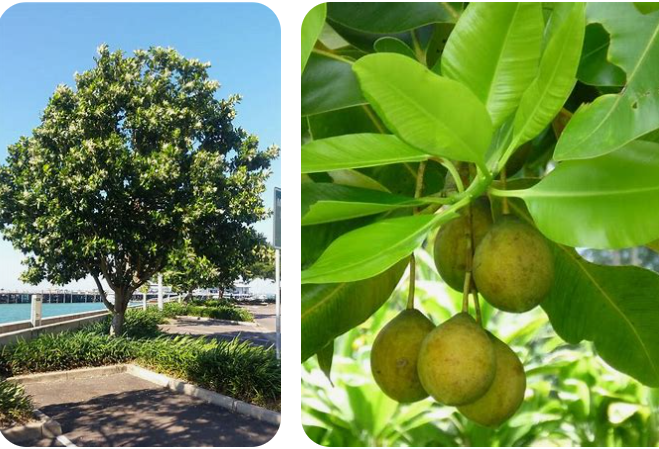
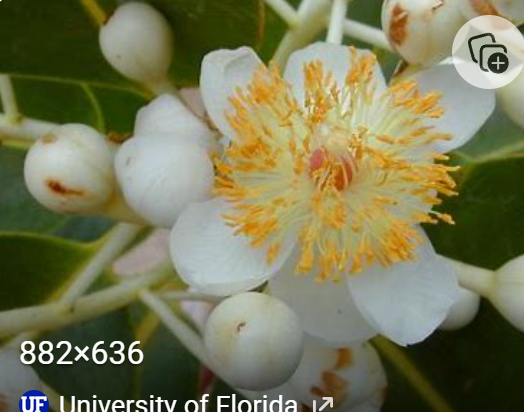 #[[pāḷi vocab (3rd year)]]
- campaka↔masc. tree with fragrant flowers; Magnolia champaca
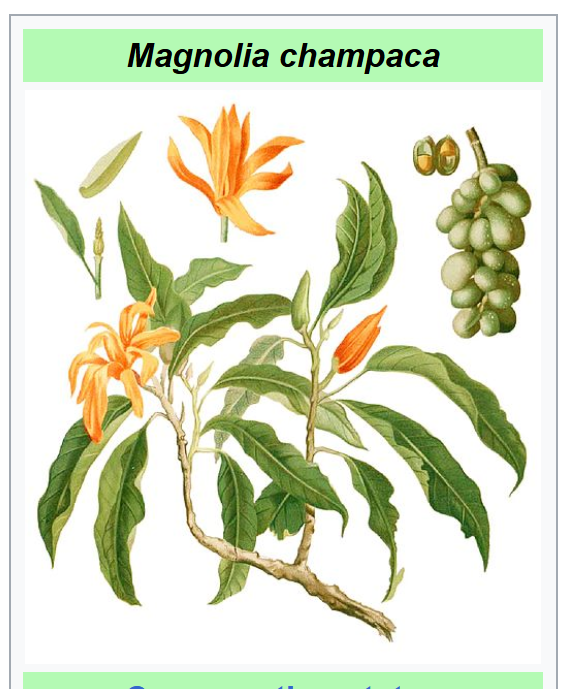 #[[pāḷi vocab (3rd year)]]
- hintāla↔masc. marshy date palm
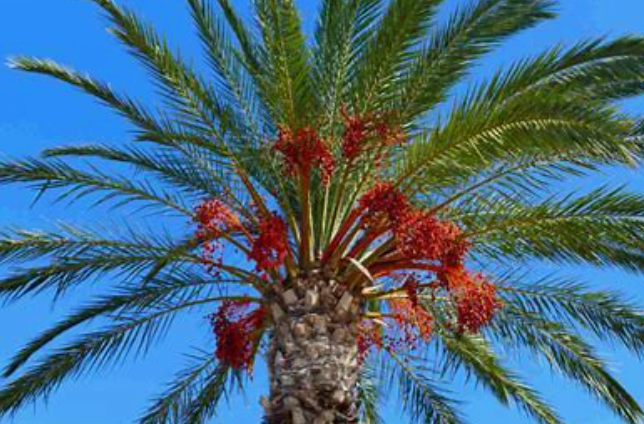 #[[pāḷi vocab (3rd year)]]
- vakula↔masc. tree Mimusops Elengi
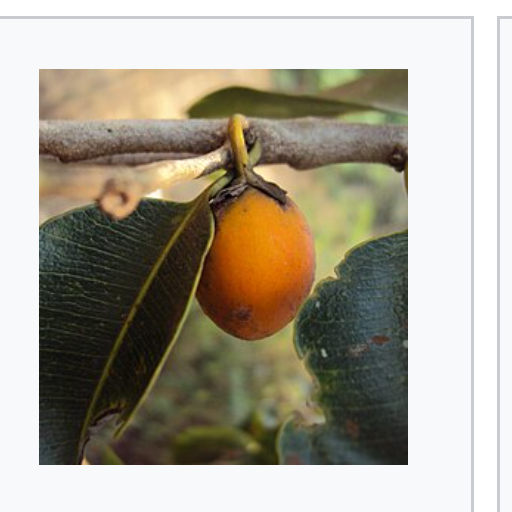
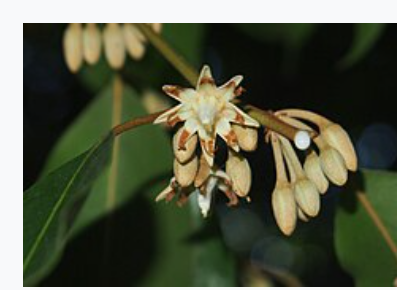
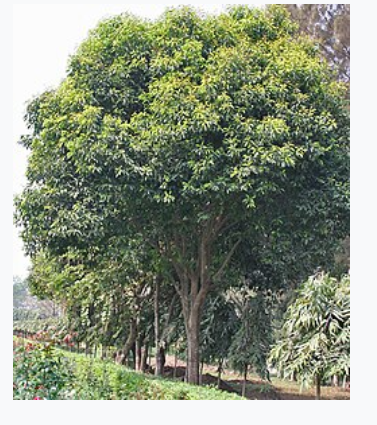 #[[pāḷi vocab (3rd year)]]
- ajjuna↔masc. tree Pentapatera Arjuna
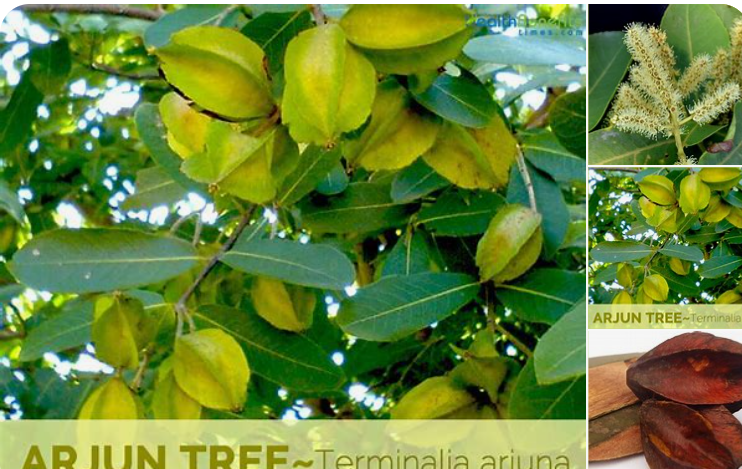 #[[pāḷi vocab (3rd year)]]
- kiṃsuka [ka + su + ka]↔masc. Bastard Teak; Parrot tree; Butea Monosperma
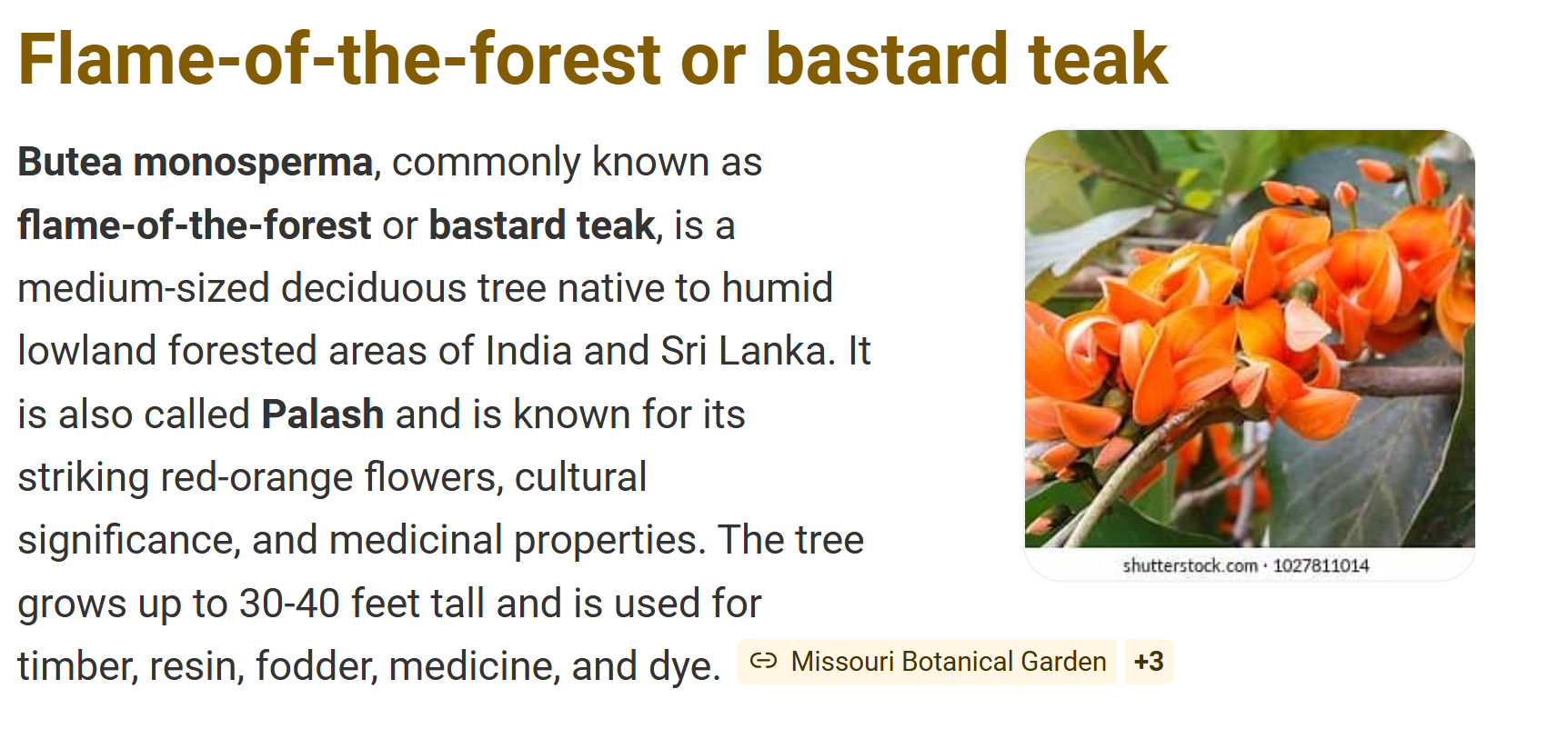 #[[pāḷi vocab (3rd year)]]
- mandāra→masc. name of a mountain #[[pāḷi vocab (3rd year)]]
- kunda↔nt. kind of jasmine
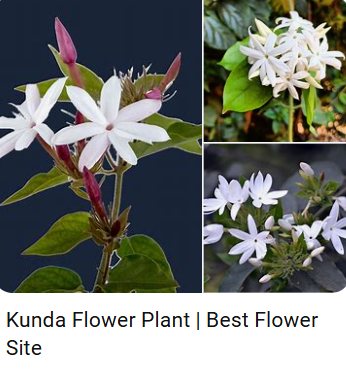 #[[pāḷi vocab (3rd year)]]
- karañja↔masc. Indian Beech; Pongamia galbra; Millettia pinnata
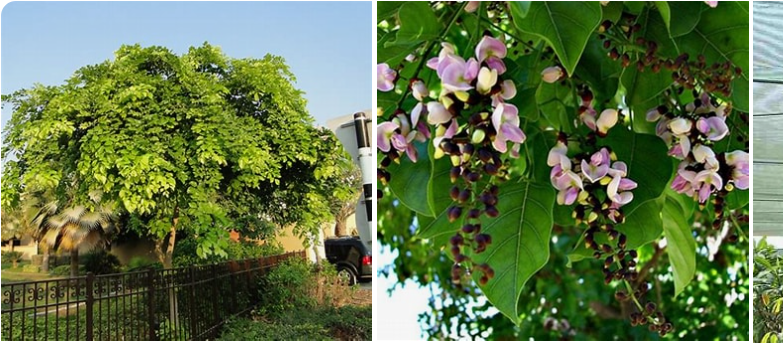 #[[pāḷi vocab (3rd year)]]
- cittādigaṇa #edited
- most nouns included in this group are→akāranta neuter nouns; however, 'gacchanta', when neuter, has a different declension
- 5 kāranta neuter nouns into 2 nāmagaṇas
- cittādigaṇa
- rattādigaṇa
- ikaranta (aṭṭhi)
- īkaranta (sukhakārī [when it refers to a neuter noun])
- ukaranta (cakkhu)
- ūkaranta (gotrabhū)
- formation of the vibhattis (from original to final)
- note: nom, voc, and acc. are different from purisa
- nominative
- singular
- si ⇒ aṁ (cittaṁ)
195. Aṃ napuṃsake
- plural
- yo ⇒ ā (cittā)
yo ⇒ ni and citta ⇒ cittā (cittāni)
196. Yonaṃ ni
91. Yolopanīsu dīgho
- note: in both nom. and acc., cittāni is more common than cittā or citte
- vocative
- same as nom. pl.
- note: in all declensions, nom. pl. and voc. pl. are identical
- exception
- accusative
- singular (same as purisa)
- plural
- yo ⇒ e (same as purisa)
- yo ⇒ ni and citta ⇒ cittā (cittāni) (same as nom. pl.)
- note: in both nom. and acc., cittāni is more common than cittā or citte
- exception
- kamma
- tatiyāvibhatti ekavacana
- nā (kammanā)
- nā ⇒ kammunā ‒ it becomes a 'fake' ukāranta and behaves like them
- what 'fake' ukāranta nouns are and which (5) nouns they are
- akāranta that st have their ending 'a' changed to 'u' when followed by the suffixes nā / sa / smā
- addha: addhunā, addhuno
- puma: pumunā, pumuno
- thāma: thāmunā, thāmuno
- kamma: kammunā, kammuno
- brahma: brahmunā, brahmuno
- mem aid: with the passing of time (addha), he became a man (puma) and he was strong (thāma), so he made good deeds (kamma) and again became a brahma
- nā ⇒ ena (kammena)
- catutthī- / chaṭṭhī-vibhatti ekavacana
- sa ⇒ no (kammuno):
144. Jhalato sassa no
- to which nouns does this (sa ⇒ no) happen?
- it happens to i-v- / u-v-kāranta nitthī (non-feminine i-vaṇṇa (i / ī) u-vaṇṇa (u / ū) kāranta)
- aggi + sa ⇒ aggino (to/of the fire)
- daṇḍī + sa ⇒ daṇḍino (to/of the stick-holding one),
- bhikkhu + sa ⇒ bhikkhuno (to/of the monk),
- sabbaññū + sa ⇒ sabbaññuno (to/of the omniscient one)
- pañcamīvibhatti
- smā ⇒ nā (kammunā)
167. Nā smāssa
- to which nouns does this (smā ⇒ nā) happen?
- it happens to i-v- / u-v-kāranta nitthī nouns (non-feminine i-vaṇṇa (i / ī) u-vaṇṇa (u / ū) kāranta)
- aggi + smā ⇒ agginā
- daṇḍī + smā ⇒ daṇḍinā
- bhikkhu + smā ⇒ bhikkhunā
- sabbaññū + smā ⇒ sabbaññunā
- sattamīvibhatti
- smiṁ ⇒ ni (kammani)
199. Kammādito
- to which (6) nouns does this (smiṁ ⇒ ni) happen
- cittādigaṇa
- not cittādigaṇa
- brahma: brahmani
- atta: attani
- ghamma (summer): ghammani
- muddha: muddhani
- addha (time, path): addhani
- note: there may be others
- mem aid: kamma made one a brahma who believes in atta and in the ghamma, he bent his muddha downwards and in no addha came down
- followed by which suffixes does kamma become (fake) ukāranta?
- nā: kammunā
- sa: kammuno
- smā: kammunā
- 160. Pumakammathāmaddhānaṃ vā sasmāsu ca
- declension
- IIT - Nissayamuttaka Course
- IIT - Nissayamuttaka Course
- examples of neuter nouns of cittādigaṇa
- Puññapāpaphalarūpasādhanaṃ
sotaghāṇasukhadukkhakāraṇaṃ
dānasīladhanajhānalocanaṃ
mūlakūlabalajālamaṅgalaṃ
nalinaliṅgamukhaṅgajalambujaṃ
pulinadhaññahiraññapadāmataṃ
padumapaṇṇasusānavanāyudhaṃ
hadayacīvaravatthakulindriyaṃ
nayanavadanayānodānasopānapānaṃ
bhavanabhuvanalohālātatuṇḍaṇḍapīṭhaṃ
kāraṇamaraṇañāṇārammaṇāraññatāṇaṃ
tagaranagaratīracchattachiddodakāni
(Rūpasiddhi, Payogasiddhi)
- sādhana↔accomplishment
#[[pāḷi vocab (3rd year)]]
- kūla↔bank/shore #[[pāḷi vocab (3rd year)]]
- nalina↔lotus (sw n) #[[pāḷi vocab (3rd year)]]
- ambuja↔lotus #[[pāḷi vocab (3rd year)]]
- pulina↔sand (sw p) #[[pāḷi vocab (3rd year)]]
- vadana↔face (sw v) #[[pāḷi vocab (3rd year)]]
- bhuvana↔world (sw bh) #[[pāḷi vocab (3rd year)]]
- alāta↔firebrand #[[pāḷi vocab (3rd year)]]
- chidda↔hole (sw ch) #[[pāḷi vocab (3rd year)]]
- kaññādigaṇa #edited
- 6 kāranta feminine nouns
- kaññādigaṇa
- rattādigaṇa
- ikāranta (ratti)
- īkāranta (itthī)
- ukāranta (yāgu)
- ūkāranta (vadhū)
- okāranta (go)
- 3 itthijotakapaccaya and what they are
- suffixes -ā, -ī, -inī (but in nirutti, there are 7)
- they express the feminine gender
- st in the sense of atthaliṅga (gatā [a woman who has gone])
- other times in saddaliṅga (saññā, paññā, nāvā)
- note:
- their use acc. to kcyn grammar tradition
- ā: added to akāranta stems (gatā)
- ī: added to nouns like nada
- nadati sandatīti nadī (that which flows is called nadī) (√nad + a + ī)
- icchīyate kāmīyateti itthī (that who is desired is called itthī) (√is + ta ⇒ ittha + ī)
- kumārī, taruṇī, sāmaṇerī, pañcamī, chaṭṭhī, cātuddasī, guṇavantī, gacchantī
- inī: added to words like rāja + inī => rājinī (queen), yakkhinī (female demon), sīhinī (lioness), miginī (doe)
- 2 liṅgas (in general; not related to kaññadigaṇa)
- atthaliṅga: the sex of what the word refers to
- saddaliṅga: the gender of the word itself
- vācaka vs. jotaka suffixes
- vācaka (√vac): suffixes that add a new meaning
- vasiṭṭha + ṇa ⇒ vāseṭṭha (the son of vasiṭṭha [taddhita])
- nāvā + ṇika ⇒ nāvika (the one who travels by boat)
- jotaka (√jut): suffixes that make a meaning already present clear
- gata (can refer to any gender) + ā ⇒ gatā (feminine gender)
- purisa + ena ⇒ purisena
- rpsd: pakatyattha-jotakā itthippaccayā syādayo viya; ṇādayo paccayatthassa, sakatthassāpi vācakā
- 7 itthijotakapaccayas according to niruttidīpaṇī
- -ā
70. Itthiyamatvā
5 usages
- 3 compulsory
- exclusively feminine nouns: kaññā (√kan + ya + ā), paññā (pa + ñā + ā), nāvā, sālā, taṇhā, jivhā, vīsā (20), tiṁsā (30), cattālīsā (40), paññāsā (50)
- √kan ya ⇒ kañña ā ⇒ kaññā
- pa √ñā a ⇒ pañña ā ⇒ paññā
- feminine pronouns: sabbā (all women), katārā (which woman), itarā (the other woman)
- except
- amu (so called)
- dvi (two), ti (three), catu (four)
- tumha (you), amha (we)
- -tabba, -anīya, -ta-ending words when feminine: passitabbā (woman who should be seen), dassanīyā (woman who is worthy to be see), gatā (woman who has gone)
- 2 optional
- other akārantas when feminine: kalyāṇā / kalyāṇī (virtuous woman), sundarā / sundarī (beautiful woman), atthakāmā / atthakāmī / atthakāminī (woman desiring welfare)
- samāsas with mātu / dhītu: nandamātā, uttaramātā, devadhītā (daughter who is a goddess), rājadhītā (king’s daughter), asakyadhītarā (one who is not a daughter of the Buddha [here, the ending of dhītu is changed])
- if ā is added, they are declined as kaññā
if not, as satthādigaṇa
- mem aid:
- sabbā āgatā kaññā passitabbā dassanīyā; nandamātā kalyāṇā ca kalyāṇī ca
- excl. fem., f. pron., tabba aniya ta, other akārantas, sms mātu / dhītu
- -ī ‒ 2 usages
- with words like nada: nadī (river), itthī (woman), kumārī, taruṇī, sāmaṇerī, pañcamī, chaṭṭhī, cātuddasī
71. Nadādīhi ṅī
- guṇavantī (also guṇavatī), gacchantī (also gacchatī) ‒ declined in both ways
72. Ntantūnaṃ ṅīmhi to vā
- the term go (ox): go + ī ⇒ gav + ī (gāvī)
73. goto vā
- note: for yakkha, etc., see next
- -inī ‒ 2 usages
- with akāranta nouns such as ārāmika
75. Ārāmikādīhi: ārāmika + inī ⇒ ārāmikinī (female resident), rāja + inī ⇒ rājinī (queen)
- yakkhādi + ī / inī ⇒ yakkhī / yakkhinī, sīhī / sīhinī, migī / miginī
74. Yakkhādīhinī ca
- mem aid: ārāmikinī yakkhinī
- -ānī ‒ 1 usage
- referring to the wife; it is used after words such as mātula
77. Mātulāditvānī bhariyāyaṃ: mātula + ānī ⇒ mātulānī (aunt [wife of the uncle]), gahapati + ānī ⇒ gahapatānī (housewife [wife of the householder])
- -nī ‒ 1 usage
- ivaṇṇa- / uvaṇṇa-kāranta
78. Yuvaṇṇehi ṇī: hatthi + nī ⇒ hatthinī, bhikkhunī
- -ti ‒ 1 usage
- with the stems yuva, vīsa, and tiṃsa
80. Yuvā ti: yuva + ti ⇒ yuvati (young woman), vīsati (twenty), tiṃsati (thirty)
- -ū ‒ 1 usage
- samāsas ending with ūru (thigh)
81. Upamāsaṃhita…: nāganāsūru + ū = nāganāsūrū (woman with an elephant-trunk-like thigh)
- inherently feminine words (without itthijotakapaccaya)
- taddhitas with -tā: sabbaññutā (omniscience), lahutā (lightness), mudutā (softness), devatā (goddess)
- kitakas with -ti: gati (movement), sati (mindfulness), diṭṭhi, vādhū, mātu, dhītu
- declension
- IIT - Nissayamuttaka Course
- formation of the vibhattis (from original to final)
- paṭhamāvibhatti
- singular
- kaññā + si (elided) ⇒ kaññā: ratthi (confirm), itthī, yāgu, vadhū, aggī, daṇḍī, bhikkhu, sayambhū, gho
82. Gasīnaṃ #q🙋🏼♂
- to what stems does the elision of the vibhatti 'si' happen?
- to those whose nominative singular = the stem itself
- plural
- kaññā + yo (kaññāyo)
st, yo is dropped (kaññā)
83. Jantuhetvīghapehi vā
- note: those not mentioned follow the predictable pattern: original vibhatti ⇒ final ending such as kaññā + nā ⇒ kaññā + ya (kaññāya)
- exceptions
- rarely in gāthā
- ya ⇒ yā ⇒ kaññayā
85. Ghapatekasmiṃ nādīnaṃ yayā
note: can also be considered vipallāsasandhi (mgln)
- Tassa
rukkhassa chāyayā
(in the shade of that tree).
- Sakkaropamayā
vade (it should be explained with the jaggery simile.
- vocative of ammā (and annā, ambā [only found in grammar books])
- ammā + si (dropped) (ammā)
88. Nambādīhi
- st, 'ā' is shortened (amma)
89. Rasso vā
- “ehi
tvaṃ, tāta sudinna, hīnāyāvattitvā bhoge ca bhuñjassu puññāni
ca karohī” ti. “Amma, na ussahāmi na visahāmi, abhirato ahaṃ
brahmacariyaṃ carāmī” ti. (Pārājikā Pāḷi)
- sabhā (assembly) and parisā (group)
- st, smiṁ ⇒ ti / tiṁ (sabhati, parisati)
90. Ti sabhāparisāya
- parisāya, parisāyaṃ, parisati (, parisatiṁ) / parisāsu
- note: sabhati is only found in grammar books
- examples
- Samaṇo ayaṃ Gotamo parisati dhammaṃ deseti (This recluse Gotama teaches Dhamma in the group).
Iti bhagavā tasmiṃ parisati suvaṇṇavaṇṇaṃ kāyaṃ vivari. (Thus, the blessed one revealed his golden colour body in that group)
- Tadā parisatiṃ nātho, catusaccapakāsako;
sāvakaṃ sampakittesi, lūkhacīvaradhārakaṃ (mogharājattherāpadāna)
jhāyiṃ jhānarataṃ vīraṃ, upasantaṃ anāvilaṃ;
vaṇṇayanto parisatiṃ, tosesi janataṃ jino. (kaṅkhārevatattherāpadāna)
- examples
- Saddhā medhā paññā vijjā, cintā mantā vīṇā taṇhā.
Icchā mucchā ejā māyā, mettā mattā sikkhā bhikkhā.
Jaṅghā gīvā jivhā vācā, chāyā āsā gaṅgānāvā.
Gāthā senā lekhā sākhā, mālā velā pūjā khiḍḍā.
Pipāsā vedanā saññā, cetanā tasiṇāpajā.
Devatā vaṭṭakā godhā, balākā parisā sabhā.
Ūkā sephālikā laṅkā, salākā vālikā sikhā.
Visākhā visikhā sākhā, vacā vañjhā jaṭā ghaṭā.
Jeṭṭhā soṇḍā vitaṇḍā ca, varuṇā vanitā latā.
Kathā niddā sudhā rādhā, vāsanā sīsapā papā.
Pabhā sīmā khamā jāyā, khattiyā sakkharā surā.
Dolā tulā silā līlā, lāle’lā mekhalā kalā.
Vaḷavā’lambusā mūsā, mañjūsā sulasā disā.
Nāsā juṇhā guhā īhā, lasikā vasudhādayo.
- medhā↔wisdom
- cintā↔thought
- mantā↔wisdom
- mucchā↔fainting
- ejā↔craving (sw e)
- māyā↔illusion
- āsā↔hope
- vaṭṭakā↔quail
- godhā↔monitor lizard
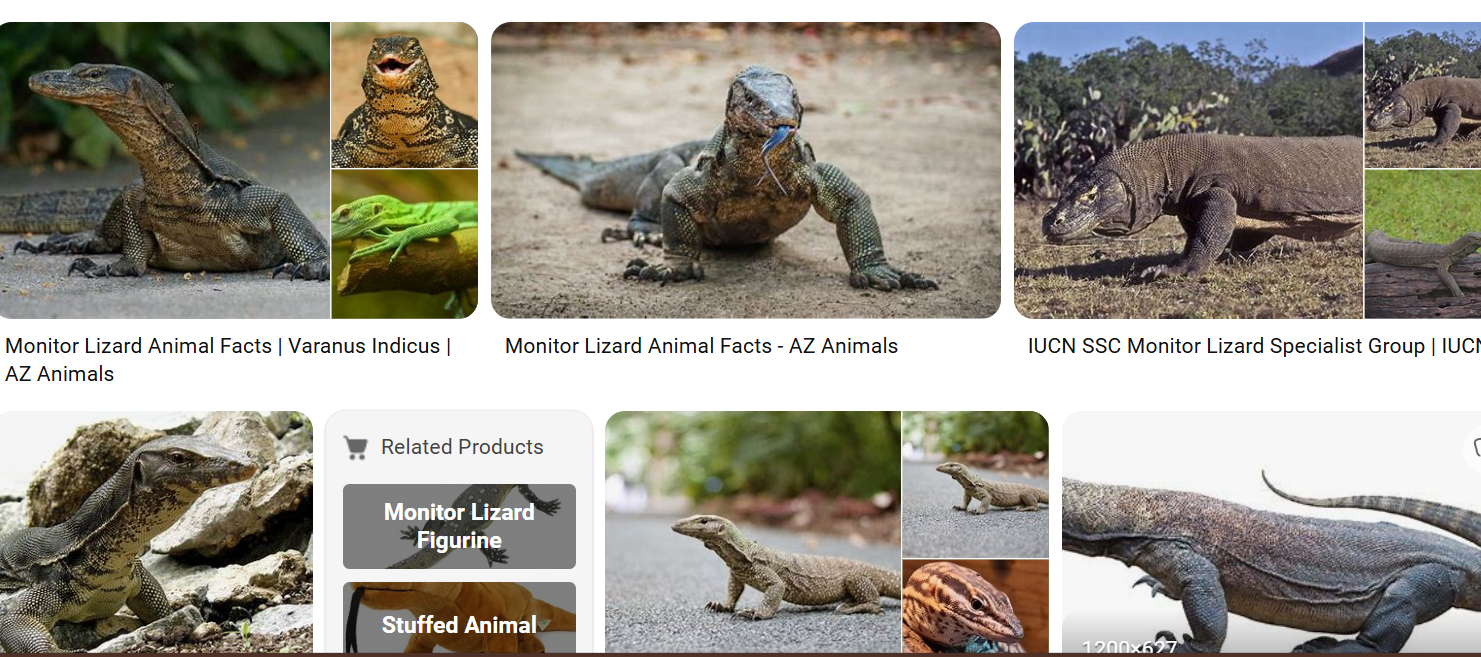
- balākā↔heron
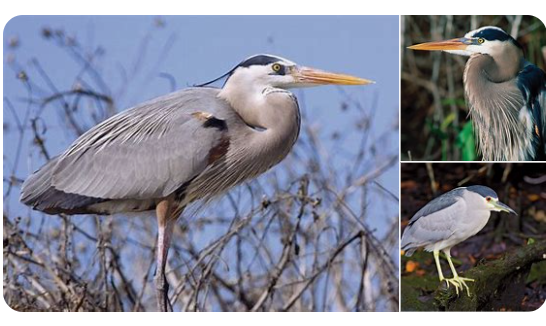
- ūkā↔louse
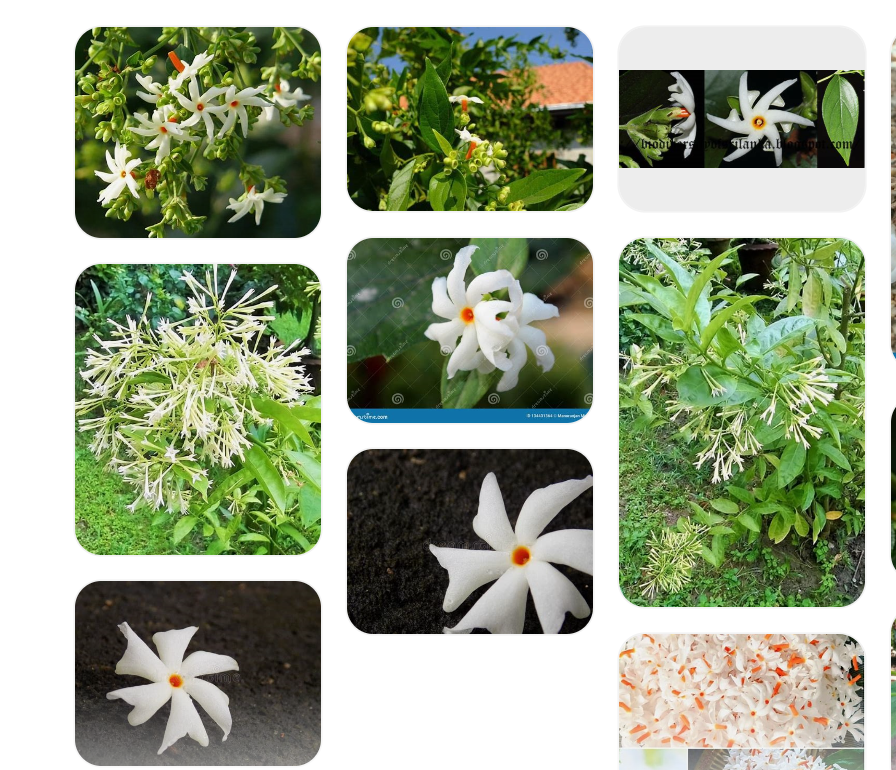
- sephālikā↔night jasmine tree
- visikhā↔street
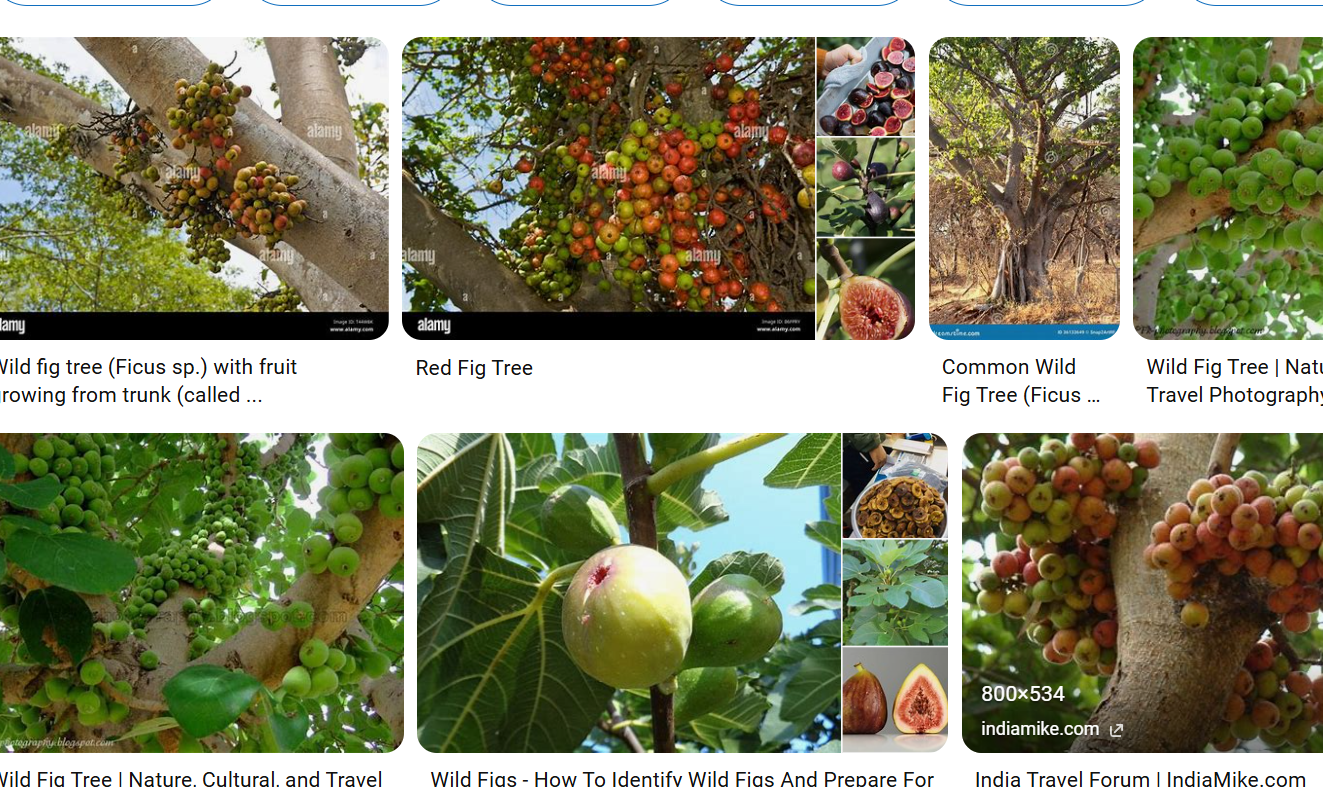
- vacā↔sweet fig plant
- ghaṭā↔group (sw gh)
- jeṭṭhā↔elder woman
- soṇḍā↔elephant's trunk
- vitaṇḍā↔frivolous discussion
- sudhā↔ambrosia
- rādhā↔progress
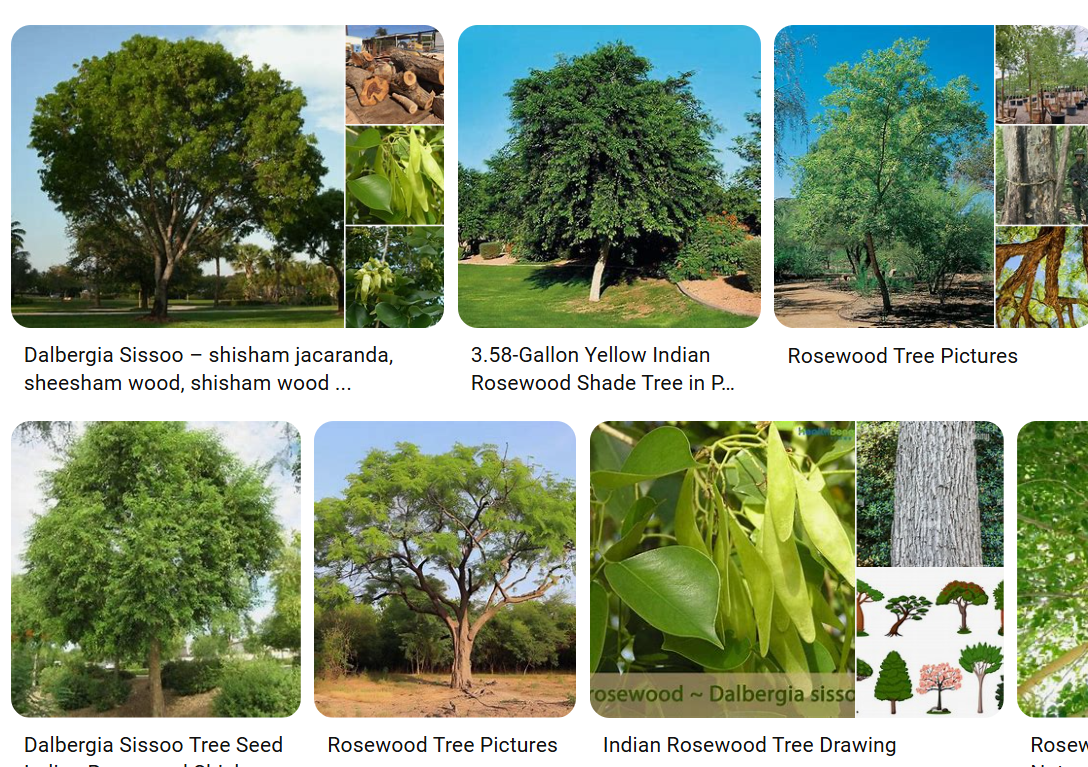
- siṃsapā↔indian rosewood tree
- papā↔tavern
- khamā↔patience
- jāyā↔wife
- sakkharā↔stone piece
- dolā↔swing
- tulā↔scale
- līlā↔playfulness
- lālā↔saliva
- elā↔cardamom
- mekhalā↔girdle
- kalā↔art
- vaḷavā↔mare
- alambusā↔alambusā deity
- mūsā↔mouse
- mañjūsā↔box
- sulasā↔tulip tree
- juṇhā↔moon rays
- īhā↔effort (sw ī)
- vasudhā↔earth (sw v)
- manogaṇa #edited
- formed by which type of stems?
- ākāranta
- nitthī (dviliṅgika (m. & nt.))
- saddanīti & abhidhānappadīpikā Pāḷi dictionary: mano nitthī (mano is non-feminine) ‒ this is preferred since they occur in both genders (mano anicco; santaṁ tassa manaṁ hoti)
- rūpasiddhi and niruttidīpanī: manādi are masculine
- Śabdārthastomamahānidhi Sanskrit dictionary: tapa is m., the remaining neuter; however, in Pāḷi, they are considered dviliṅgika
- jnkbvs: Pāḷi texts suggest a slight preference for neuter usage
- IIT - Nissayamuttaka Course
- manādigaṇa chart
- 16 manogaṇa (with the 3 characteristics)
- mano, vaco (speech), vayo (age), tejo
- tapo, ceto, tamo, yaso
- ayo (iron), payo, siro, chando
- saro (lake), uro (chest), raho (secret place), aho (day)
- sara (arrow, vowel) is m.
- mem aid: thinking (mano), a man speaks (vaco), he is old (vayo), he tends a fire (tejo) practicing his austerity (tapo), in his mind (ceto) there is darkness (tamo) and fame (yaso); he uses an iron (ayo) poker and drinks milk (payo) and on his head (siro) is written chanda (chando); he goes to the lake (saro), uncovers his chest (uro), enters a secret place (raho) and the day breaks (ahu).
- note:
- IIT - Nissayamuttaka Course
- 14 manogaṇādi(ka) (with 2 or 1 characteristic)
- 1 with 2 features
- 1 stem with 2 characteristics (2nd and 3rd)
- raja (dust, dirt)
- rajasā channā (covered with dust)
- 3rd feature (no example)
- 13 with 1 feature
- 8 + 2 stems with the 2nd feature (sa, so, -, si) (in the book called the 1st feature)
- bilaṃ balaṃ damo vāho, thāmo thāmaṃ jaro jarā;
padaṃ mukhantyaṭṭhādyaṅka, puṇṇo manogaṇādiko
“these eight words, starting from bila and ending with mukha,
are classified as manogaṇādi group, which has only the first feature.”
(mukhaṃ iti aṭṭha ādi aṅka puṇṇo)
- neuter (those with -aṁ; declined as citta + sā so - si)
- bilaṃ↔cave/hole (st amanogaṇika)
- padaṃ↔step/foot/word (st amanogaṇika)
- balaṃ↔power/army
- mukhaṃ↔face/mouth
- thāmaṃ↔strength
- masculine (those with -o; declined as purisa + sa so - si)
- damo↔control/restraint
- vāho↔vehicle
- thāmo↔strength
- jaro↔fever
- feminine (the one with ā; declined as kaññā + sa so - si)
- note:
- thāmo and thāmaṁ are one word; it is mentioned twice to show it has 2 genders; same for jaro and jarā
- + 2 others
- vega (m.) (speed): vegasā palāyiṃsu – “They fled with speed"
- āyu (nt.) (life): āyusā ekaputtam anurakkhe – “With her life, she protects her only son”
- note: āyu (f.) is rattādigaṇa
- mem aid: in a cave (bilaṁ), an army (balaṁ) restrains (damo) a vehicle (vāho) with strength (thāmo) and effort (thāmaṁ) that causes a fever (jaro) and ageing (jarā); they step (padaṁ) into the entrance (mukhaṁ) (of the manogaṇa cave) with speed (vega), saving their lives (āyu)
- 3 stems with the 3rd feature ('o' in samāsas and taddhitas) (saddanīti, padamālā)
- āpa, vāya, and sarada (autumn)
- āpodhātu, āpomayaṃ
- vāyodhātu, vāyomayaṃ
- saradosataṃ (100 years)
- what manogaṇādi(ka) are
- stems that only have 1 or 2 of the features of manogaṇa (not fully qualified for being in the manogaṇa itself but are included under it)
- note: there doesn't seem to exist any stem with only the 1st feature
- amanogaṇa #editing
- what amanogaṇa stems are
- stems that st resemble manogaṇa, but belong to other groups
- 4 types
- so
- nā ⇒ so (yoniso)
- atthaso (in terms of meaning), akkharaso (in terms of letters), suttaso (in terms of discourses), byañjanaso (in terms of consonants), hetuso (in terms of reasons), yoniso (in appropriate way), upāyaso (in terms of methods), ṭhānaso (at that moment), mattaso (in terms of measure)
- smā ⇒ so (dīghaso)
- dīghaso (from a long side)
- oraso (from this side)
- with taddhita affix -so (indicating manner, type) (sabbaso)
- sabbaso (in all ways or entirely)
- bilaso / padaso (showing vicchā)
- padaso dhammaṃ vāceyya (should one teach the Dhamma word by word)
- bilasō paṭivibhajitvā nisinno assa (he would sit after dividing (it) into parts)
- note: manogaṇādi in other cases
- sa
- manogaṇika / amanogaṇika in samāsa with ending -sa (becomes purisādi) (byāsattamanaso)
- byāsattamanaso (one with an attached mind)
- acetaso (one without consciousness)
- sumedhaso (one with excellent wisdom (Hitvā yāti sumedhaso))
- what differs bw manogaṇa, manogaṇādi and amanogaṇa?
- manogaṇa: 16 stems with 3 characteristics
- manogaṇādi: _ stems with 1 or 2 characteristics (check how many) #q🙋🏼♂
- amanogaṇa: those that just resemble mano stems
- formation of the vibhattis (from original to final)
- most of them as purisa / citta, with the following differences
- acc. aṁ ⇒ o
- cetasā ceto paricca pajānāti (with the mind, one discerns the mind)
kassapassa vaco sutvā (gaving heard the word of Kassapa Buddha)
- ins. nā ⇒ sā
- manasā ca pasannena (with a clear mind)
- dat. / gen. sa ⇒ so
- dat. na mayhaṃ manaso piyo (not dear to my mind)
- gen. labhetheva cetaso pasādaṃ (one should indeed attain clarity of mind)
- loc. smiṁ ⇒ si
- 115. manādīhi smiṃsaṃnāsmānaṃ sisoosāsā
- loc. manasi karotha (reflect in the mind)
- notes:
- form in samāsa and taddhita
- ending 'a' ⇒ o (rpsd)
- samāsa: manosetthā, vayovuḍḍho, tejodhātu, tapovanaṃ
- taddhita: manomayā, ayomayaṃ
- idaṃ manogaṇalakkhaṇaṃ: kriyākamme odanto, nādīnaṃ sāditā, samāsataddhitamajjhe odanto cāti (niruttidīpanī)
- declension
- how is mano declined?
- when masculine as purisa
when neuter as citta
+ extra forms unique to manogaṇa: o, sa, so, -, si
- IIT - Nissayamuttaka Course
- exceptions
- aha (day)
- st, smiṁ ⇒ ni / u (ahani, ahu)
- ahasmiṃ, ahamhi, ahe, ahasi, ahani, ahu / ahesu
- tadahu paṭiggahitaṃ (the food received that day)
- tadahūti tasmim ahani ('tadahu' means ‘on that day)
- raha (secluded place)
- st, smiṁ ⇒ o (raho [also considered a particle])
- loc. rahasmiṃ, rahamhi, rahe, rahasi, raho / rahesu
- raho paṭicchanne āsane (In a concealed seat at a secluded place)
- thāma
- ins. nā ⇒ thāmunā
- dat. / gen. sa ⇒ no ⇒ thāmuno
- abl. smā ⇒ nā ⇒ thāmunā
- (fake ukāranta)
- guṇavādigaṇa #edited
- characteristics (kāranta, suffixes, genders)
- ukāranta
- rūpasiddhi: akāranta because it does not look like ukāranta in its declension
- formed with the following 6 suffixes, which of them is kitaka / taddhita and example
- -vantu
- -tavantu (kitaka)
- bhuj + tavantu ⇒ bhuttavanta (one who has eaten)
- -tāvantu
- kiṃ + tāvantu ⇒ kittāvantu (how much)
- eta + tāvantu ⇒ ettāvantu (that much)
- -āvantu
- ya + āvantu ⇒ yāvantu (how much)
- ta + āvant ⇒ tāvantu (that much)
- -mantu
- -imantu
- canda + imantu ⇒ candimantu (moon-possessing deity)
- putta + imantu ⇒ puttimantu (possessing children)
- pāpa + imantu ⇒ pāpimantu (possessing sin, sinful)
- note: all others are taddhita suffixes
- 2 genders: masculine or neuter
- word formation (does not include all cases)
- masculine
- most cases follow purisa's declension: guṇavantu (ukāranta) ⇒ guṇavanta (akāranta) ⇒ purisa's declension
- other cases:
- general rule: (ntu + o.v.) ⇒ final ending
- nom. sg. guṇavā
- (ntu + si) ⇒ ā + pubbasaralopa (guṇavā)
(sdnt 299. simhā niccaṃ)
- kcyn & mgln: guṇavantu: ntu ⇒ ā (guṇava + ā [pubbasaralopa])
- nom. / voc. pl. guṇavanto
- (ntu + yo) ⇒ nto (guṇavanto)
- rarely, the plural may appear as the singular: guṇavā ‒ word formation
- (ntu + yo) ⇒ ā (guṇavā)
- Atha kho te bhikkhū vaṇṇavā ahesum. ("Then those monks were having a good complexion.")
- Etha tumhe āvuso, silavā hotha. ("Come, friends, and be virtuous.")
- voc. sl. guṇavaṁ, guṇava, guṇavā
- (ntu + si) ⇒ aṃ, a, or ā (guṇavaṁ, guṇava, guṇavā)
- acc. sl. guṇavaṁ and gen. sl. guṇavassa
- ntu + aṁ / sa ⇒ ntu is elided ⇒ guṇavaṁ, guṇavassa (relatively rare)
- ins. sl. guṇavatā
- (ntu + nā) ⇒ tā (guṇavatā)
- dat. sl. guṇavato and gen. pl. guṇavataṁ
- (ntu + sa) ⇒ to (guṇavato)
- (ntu + naṁ) ⇒ taṁ (guṇavataṁ)
- abl. sl. guṇavatā
- (ntu + smā) ⇒ tā (guṇavatā)
- loc. sl. guṇavati
- (ntu + smiṁ) ⇒ ti (guṇavati)
- neuter
- nom. sl. guṇavaṁ
- (ntu + si) ⇒ aṁ (guṇavaṁ)
napuṃsake aṃ vā (sdnt)
nrt: guṇavantaṁ also exists
- nom. / voc. / acc. pl. guṇavanti
- ntu + yo ⇒ i (guṇavanti) #q🙋🏼♂
- (feminine)
- ntu + ī ⇒ nti (guṇavantī): declined like itthī / nadī (rattādigaṇa)
- notes:
- grammar opinions on nom. sl. guṇavanto (sdnt, kcyn, mgln, rpsd)
- kcyn, mgln, rpsd: only the word himavanta has it
- dūre santo pakāsenti, himavantova pabbato
- (preferred) sdnt: it can occur to any noun
- atulo nāma nāmena puññavanto jutindharo (buddhavaṁsa)
- gatimanto satimanto, dhitimanto ca yo isi (theragāthā)
- grammar opinions on voc. sl. guṇavaṁ (kcyn, mgln, sdnt)
- sdnt: no ṁ ending ālapana in tptk (but one example is found)
- (preferred) kcyn & mgln: exists
- grammar opinions on whether bhagavantu has voc. sl. bhagava
- nrt: bhagavanta only has bhagavā in voc. sl.
- (preferred) bhagava is also possible: "taggha, bhagava, bojjhangā" (buddhajayanti)
- bhagavā (chaṭṭhasaṅgāyana)
- grammar opinions on
acc. sl. satimaṃ, bandhumaṃ
dat./gen. sl. satimassa, bandhumassa (rpsd, rpsd-bhāsa-ṭ)
- rpsd: only the words satimanta and bandhumanta have these forms
- (preferred) rpsd-bhāsa-ṭ: found in other guṇavādī stems
- anāpatti iddhimassa iddhivisaye (there is no offense for one with supernormal powers in the domain of supernormal abilities)
- grammar opinions on which group maghavā belongs to
- kcyn: pumādigaṇa
- (preferred) sdnt: guṇavādigaṇa
- declension
- IIT - Nissayamuttaka Course
- IIT - Nissayamuttaka Course
- examples of guṇavādi nāmas
- gatimā↔one who has intelligence #[[pāḷi vocab (3rd year)]]
- dhitimā↔one who has effort #[[pāḷi vocab (3rd year)]]
- mutimā↔one who has intelligence #[[pāḷi vocab (3rd year)]]
- matimā↔one who has intelligence #[[pāḷi vocab (3rd year)]]
- ratimā↔one who has attachment #[[pāḷi vocab (3rd year)]]
- kasimā↔one who has ploughing #[[pāḷi vocab (3rd year)]]
- buddhimā↔one who has wisdom #[[pāḷi vocab (3rd year)]]
- bandhumā↔one who has relatives #[[pāḷi vocab (3rd year)]]
- hetumā↔one who has causes #[[pāḷi vocab (3rd year)]]
- bhānumā↔one who has rays #[[pāḷi vocab (3rd year)]]
- khāṇumā↔one who has pillars #[[pāḷi vocab (3rd year)]]
- vijjumā↔one who has lightning #[[pāḷi vocab (3rd year)]]
- extra notes:
- attho akkharasaññāto (kaccāyana begins with this) the meaning is well known by the words'
- some comm. of kaccāyana say the suttas are from arahat Kaccāyana
- it seems to have been composed later, not during the Buddha's time
- 2 names appear (Devanampiya Tissa and Mandhātu) that are from a later period
- in the meaning "to" as in homage to the Buddha, āya as a replacement for -sa is not used; except in subhodālaṅkāra "anantaguṇasārāya namo te..."; not in the tipitaka
- āya can be used in sanskrit
- it means "for", not "to"
- vanappagumbe yathā phussitagge ‒ this is vanappagumbo yathā phussitaggo‒an example for the replacement of the
- na hevaṁ vattabbe‒from vattabbo
- used by makkhali gosala; seems like from a dialect
- reading & translation
- translation, meaning, and sandhi
1 paragraph for each Pāḷi day
- Paragraph 1
- 3.cittavaggo 1.meghiyattheravatthu phandanaṃ capalaṃ cittanti imaṃ dhammadesanaṃ satthā cālikāya pabbate viharanto āyasmantaṃ meghiyaṃ ārabbha kathesi. Tassa vatthuṃ vibhāvanatthaṃ sabbaṃ meghiyasuttantaṃ vitthāretabbaṃ. Satthā pana tīhi vitakkehi anvāsattatāya tasmiṃ ambavane padhānaṃ anuyuñjituṃ asakkuṇitvā āgataṃ meghiyattheraṃ āmantetvā...
- translation
- The Consciousness Chapter
The story of the Elder Meghiya
"Consciousness shakes and trembles..."‒this dhamma teaching was given by the Teacher while dwelling in the mountain Cālikā regarding the Venerable Meghiya. For the sake of explaining his story, the entire Meghiyasutta should be expanded in detail (here). The Teacher, having addressed the elder Meghiya, who had returned from not having been able to engage in striving in that Mango Grove because of the state of being repeatedly ensnared by the three thoughts...
- grammar
- names do not change their gender when acting as an adjective
cālikāya pabbate
- sandhis
- meghiyatthera ‒ asadisa dvebhāva
- cittanti ‒ vaggantādesa niggahīta sandhi
- vibhāvanatthaṁ ‒ pubbasaralopa (or para?)
- suttantaṁ ‒ padāgama sandhi
- anvāsattatāya ‒anu āsattatāyayou
- vocab:
- √phand・1 a↔(shake, quiver) 32 #[[pāḷi vocab (3rd year)]]
- √cal・1 a↔(shake, tremble) 48 #[[pāḷi vocab (3rd year)]]
- vibhāvanattha↔masc. emphatic meaning (grammar‒tbc); for the sake of explaining / clarifying / confirming #[[pāḷi vocab (3rd year)]]
- vitthāretabba [vi + √thar + *e + tabba] ✓↔ptp. should be expanded in detail; lit. to be caused to expand #[[pāḷi vocab (3rd year)]]
- sakkuṇitvā↔abs. having been able #[[pāḷi vocab (3rd year)]]
- anuyuñjati [anu + √yuj + ṃa + ti] 1↔pr. (+acc) practices; engages (in); commits (to); does; lit. yokes near #[[pāḷi vocab (3rd year)]]
- anvāsatta↔adj. ensnared, entwined (by) #[[pāḷi vocab (3rd year)]]
- āsatta↔clung, attached #[[pāḷi vocab (3rd year)]]
- ārabbha[ā + √rabh + ya]↔ger. (+acc) bringing forth; arousing; initiating; lit. beginning with; 2 ind. (+acc) concerning; referring (to); regarding; at the expense (of); owing to; lit. beginning with; in patthana: cognizing‒yaṁ yaṁ dhammaṁ ārabbha #[[pāḷi vocab (3rd year)]]
- Paragraph 2
- “Atibhāriyaṃ te, meghiya, kataṃ ‘Āgamehi tāva, meghiya, ekakomhi yāva aññopi koci bhikkhu āgacchatī’ti maṃ yācantaṃ ekakaṃ pahāya gacchantena bhikkhunā nāma evaṃ cittavasikena bhavituṃ na vaṭṭati, cittaṃ nāmetaṃ lahukaṃ, taṃ attano vase vattetuṃ vaṭṭatī”ti vatvā imā dve gāthā abhāsi.
- translation
- "Meghiya, what was done by you was very serious. Wait until some other monk come, Meghiya. I am alone." having left me alone asking (you thus). it is not suitable to be under the influence of the mind like this by the monk who is going having abandoned me alone (while I was) asking (you thus); this so called mind is quick; it is suitable to make it exist under one's own control. having said (this), He uttered these two verses:
- grammar
- sandhis
- vocab:
- vatteti→to make exist
- cittavasika→influenced by the mind
- yāva = yavatā
tāva = tavatā
- āgamehi↔wait
- Paragraph 3
- 33.“Phandanaṃ capalaṃ cittaṃ, dūrakkhaṃ dunnivārayaṃ;
ujuṃ karoti medhāvī, usukārova tejanaṃ.
- translation
- "the trembling unsteady mind is difficult to guard, difficult to restrain;
the wise straightens it, like the fletcher the arrow."
- grammar
- why long ū in dūrakkhaṁ?
- normally, after du- there is reduplication of the following consonant, but there is no double 'rr' in Pāḷi (optional)
- sandhis
- dūrakkhaṁ: dīghasandhi
- dunnivārayaṁ: sadisa dvebhāva
- usukārova: usukāro iva
- vocab:
- usu↔masc. arrow #[[pāḷi vocab (3rd year)]]
- cupati↔it changes place, is unsteady; (like a monkey) #[[pāḷi vocab (3rd year)]]
- Paragraph 4
- 34.“Vārijova thale khitto, okamokataubbhato;
paripphandatidaṃ cittaṃ, māradheyyaṃ pahātave”ti.
- translation
- "like a fish tossed on the ground, pulled out from its watery home;
this mind tosses and turns, the realm of Death should be abandoned."
- grammar
- pahātave
- -tave:
- should
- or infinitive suffix
- sandhis
- vārijova: vārijo iva (parasaralopa)
- okamokataubbhato: oka (m) okato (o⇒a ādesa) ubbhato (māgama)
- paripphandatidaṃ: asadisa dvebhāva
- vocab:
- dheyya [√dhā + eyya]↔nt. (+gen) realm (of); sphere (of); power (of); influence (of); lit. to be put 2 adj. putting on; assigning; imparting; lit. to be put #[[pāḷi vocab (3rd year)]]
- pahātave [pa + √hā + tave]↔inf. (+acc) to give up; to leave; to abandon #[[pāḷi vocab (3rd year)]]
- oka [√uc + *a] [√ud + aka]↔masc. home; abode 2.1 nt. water #[[pāḷi vocab (3rd year)]]
- ubbhata [ud + √dhar + ta]↔1pp. (+abl) lifted up (from); pulled out (from); 2 pp. withdrawn; disallowed; suspended; lit. lifted up; 3 pp. removed; pulled out; lit. lifted up #[[pāḷi vocab (3rd year)]]
- thala [√thal + a]↔nt. dry land; firm ground; terra firma; 2 nt. highlands; high ground; plateau #[[pāḷi vocab (3rd year)]]
- Paragraph 5
- tattha phandananti rūpādīsu ārammaṇesu vipphandamānaṃ. capalanti vipphandamānaṃ ekairiyāpathena asaṇṭhahanto gāmadārako viya ekasmiṃ ārammaṇe asaṇṭhahanato capalaṃ. Cittanti viññāṇaṃ, bhūmivatthuārammaṇakiriyādivicittatāya (5th) panetaṃ “Citta”nti vuttaṃ.
- translation
- There, "phandana" means shaking while taking (lit. in) objects such as rūpa, etc.
"Capala" means moving to and fro because of not remaining still in one object like a village boy who does not remain still in one posture
Consciousness is awareness.
This consciousness (citta) is called so because of the diversity (vicittatā) of spheres, bases, objects, and functions.
- grammar
- 7 meanings of 'iti' (gāthā)
- iti hetu (i) pakāresu (ii), ādimhi (iii) cāvadhāraṇe (iv)
nidassane (v) padatthassa, vipallāse (vi) samāpane (vii)
- hetu (i): "because of" in definitions‒"cintetīti cittaṁ"
- cintanamattaṁ cittaṁ: there is no capacity to perform an action, so no 'iti' is used
- pakāresu (ii): "similar to"
- ādimhi (iii): "beginning with"‒"evaṁ me sutanti..."
- cāvadhāraṇe (iv): emphasis‒"
- nidassane (v): showing, pointing out‒"aṁ iti niggahītaṁ"
- padatthassa vipallāse (vi): describing the meaning of a word‒"phandananti"
- samāpane (vii): concluding‒"bhavagāti"
- some words are said to have an inherent meaning and are not separated into roots, etc
- khandha: collection
- citta: diversity
- piṭaka: basket
- sandhis
- phandananti
- rūpādīsu
- vipphandamānaṃ
- vocab:
- vipphandamāna↔prp. shimmering; glittering, shaking #[[pāḷi vocab (3rd year)]]
- gāmadāraka↔masc. village boy; village child
- asaṇṭhahanto saṁ ṭhā
- not standing still
- saṇṭhāti = saṇṭhahati (root changes)
- √ṭhā, by itself, forms tiṭṭhati, but with -saṁ, it can remain as √ṭhā: saṇṭhāti = saṇṭhahati
- Paragraph 6
- dūrakkhanti kiṭṭhasambādhe ṭhāne kiṭṭhakhādakagoṇaṃ viya ekekasmiṃ sappāyārammaṇeyeva duṭṭhapanato dūrakkhaṃ.
dunnivārayanti visabhāgārammaṇaṃ gacchantaṃ paṭisedhetuṃ dukkhattā dunnivārayaṃ.
- translation
- "difficult to guard" means it is very difficult to guard because of the difficulty in keeping it in each suitable object only, like a crop-eating cow in the place of cramped crops
"dificult to restrain" means because it is difficult to prevent it from going to a different object
it is difficult to prevent its going to a different object because of the fact of being difficult to prevent its going to a different object
different object
going to
to prevent
because of the fact of being difficult
is difficult to restrain
- grammar
- sandhis
- ekekasmiṃ
- sappāyārammaṇeyeva
- dūrakkhaṃ
- Dunnivārayanti
- vocab:
- kiṭṭha [√kas + ta]↔nt. (of grain) crop; field #[[pāḷi vocab (3rd year)]]
- visabhāga [vi + sa + √bhaj + *a]↔adj. different; opposite; not the same; lit. not sharing #[[pāḷi vocab (3rd year)]]
- paṭisedhetuṃ [pati + √sidh + *e + tuṃ]↔inf. (+acc) to prevent; to obstruct; to oppose; to put a stop to #[[pāḷi vocab (3rd year)]]
- dukkhatta↔nt. difficulty; fact of being painful #[[pāḷi vocab (3rd year)]]
- duṭṭhapanato du ṭhapana to↔because it is difficult to keep #[[pāḷi vocab (3rd year)]]
- Paragraph 7
- usukārova tejananti yathā nāma usukāro araññato ekaṃ vaṅkadaṇḍakaṃ āharitvā nittacaṃ katvā kañjiyatelena makkhetvā aṅgārakapalle tāpetvā rukkhālake uppīḷetvā nivaṅkaṃ ujuṃ vālavijjhanayoggaṃ karoti, katvā ca pana rājarājamahāmattānaṃ sippaṃ dassetvā mahantaṃ sakkārasammānaṃ labhati, evameva medhāvī paṇḍito viññū puriso phandanādisabhāvametaṃ cittaṃ dhutaṅgāraññāvāsavasena, nittacaṃ apagataoḷārikakilesaṃ katvā
- translation
- ...just as a fletcher who, having brought a crooked stick from the forest, debarked it, smeared it with rice water (/an oily sticky substance), heated it on a charcoal pan, pressed it on a tree fork, makes it uncrooked, straight, fit for shooting wild animals. And having done that, having shown his craft to the kings and royal ministers, he gains a lot of honor and rewards. Likewise, a knowledgeable, wise and discerning man, having made this consciousness, which has natures such as wavering, barkless, making it free from gross defilements by the power of austere practices and forest dwelling...
- grammar
- sandhis
- vocab:
- sammāna↔honor, respect
- rukkhālake↔tree fork, vice; clamp (carpenter tool for holding wood in place)
- yogga [√yuj + *e + ya]↔nt. vehicle; machine; equipment; lit. to be yoked 2 adj. suitable, fit for ✗ 3 nt. contrivance
- uppīḷetvā [ud + √pīḷ + *e + tvā]↔abs. (+acc) having pressed against (onto); lit. having pressed up 2 abs. having crushed, having oppressed
- kapalla [kapāla + ya]↔nt. crystal; grain; small piece; 2 nt. frying pan 3 nt. potsherd ✗
- aṅgārakapalla↔masc. pan for holding cinders
- kañjiya [kañji + iya]↔nt. rice water; 2 nt. glue; sticky stuff
- nittaca↔without skin / bark
- vaṅka [√vañc + a] adj. bent; crooked; curved; distorted; 2 nt. bend in a river ;3 nt. bent piece; crooked part; distortion 4 nt. hook, fish-hook 5 adj. bent, crooked, dishonest; 6 masc. bend; curve; distortion
- makkhetvā↔abs. having smeared, having anointed, having rubbed off
- Paragraph 8
- saddhāsinehena temetvā kāyikacetasikavīriyena tāpetvā samathavipassanālake uppīḷetvā ujuṃ akuṭilaṃ nibbisevanaṃ karoti, katvā ca pana saṅkhāre sammasitvā mahantaṃ avijjakkhandhaṃ padāletvā, “Tisso vijjā, cha abhiññā, nava lokuttaradhamme”ti imaṃ visesaṃ hatthagatameva katvā aggadakkhiṇeyyabhāvaṃ labhati.
- translation
- having moistened it with the moisture of faith, heated it up with bodily and mental effort, pressed it on the tree-fork of serenity and insight, he makes it straight, without curves, and tamed. And having done that, having thoroughly known formations, broken through the great mass of ignorance, made one's own the distinction of three knowledges, six higher knowledges, and nine supramundane realities, he obtains the state of highest worthiness in receiving offerings.
- grammar
- kāyikacetasikavīriyena tāpetvā→having heated up with bodily and mental effort
- sandhis
- vocab:
- hatthagata [hattha + gata]↔adj. in one’s possession; under one’s control; secured; lit. gone to hand
- padāletvā [pa + √dal + *e + tvā] ✓↔abs. (+acc) having broken through; having cracked open; having split through
- nibbisevana [nir + vi + √sev + ana]↔adj. guileless; transparent; free from trickery
- visevana↔from visa ⇒ not poisonous; or not associated (sevana) with the opposite sex
- often with dametvā: dametvā nibbisevanaṁ katvā (having tamed)
- kuṭila [√kuṭ + ila]↔adj. bent; crooked; curved
- kāyikacetasika
- tāpetvā,↔abs. having scorched, having tormented, having heated
- temetvā [√tim + *e + tvā]↔abs. (+acc) having wet; having moistened; having soaked; lit. having caused to be wet
- Paragraph 9
- vārijovāti maccho viya, thale khittoti hatthena vā pādena vā jālādīnaṃ vā aññatarena thale chaḍḍito. Okamokataubbhatoti “Okapuṇṇehi cīvarehī”ti ettha udakaṃ okaṃ (hoti / nāma), “Okaṃ pahāya aniketasārī”ti ettha ālayo; ettha ubhayampi labbhati. “Okamokataubbhato”ti hi ettha okamokatoti udakasaṅkhātā ālayāti ayamattho. Ubbhatoti uddhaṭo.
- translation
- Vārijova: like a fish. Thale khitto: thrown on dry ground with hands, feet, or something like nets, etc. Okamokataubbhato: “Okapuṇṇehi cīvarehi (with robes full of water)": here, "oka" is water; “Okaṃ pahāya aniketasārī (one who wanders homeless, having abandoned the house)": here, abode; In this case, both are found. Okamokataubbhato: here, the meaning "okamokato" is "from an abode called water". Ubbhato means pulled out.
- grammar
- hatthena vā pādena vā jālādīnaṃ (niddhāraṇa meaning) vā aññatarena→ by a certain thing among things like nets, etc
- sandhis
- vocab:
- uddhaṭa [ud + √dhar + ta] pp. pulled out; removed; extracted ; 2 pp. raised, lifted ✗
- aniketasārī [aniketa + sārī]↔adj. wandering homeless; roaming without an abode
- jāla [√jal + *a]↔1.1 nt. net; snare; entanglement 1.2 nt. web; cobweb; spiderweb 2 masc. blaze; burn; glow jālā fem. flame
- Paragraph 10
- paripphandatidaṃ cittanti yathā so udakālayato ubbhato thale khitto maccho udakaṃ alabhanto paripphandati, evamidaṃ pañcakāmaguṇālayābhirataṃ cittaṃ tato uddharitvā māradheyyasaṅkhātaṃ (what is called) vaṭṭaṃ pahātuṃ vipassanākammaṭṭhāne khittaṃ kāyikacetasikavīriyena santāpiyamānaṃ paripphandati, saṇṭhātuṃ na sakkoti. Evaṃ santepi dhuraṃ anikkhipitvā medhāvī puggalo taṃ vuttanayeneva ujuṃ kammaniyaṃ karotīti attho.
- translation
- "paripphandatidaṃ cittaṁ": just as a fish trembles, having been taken out of its watery abode, thrown on the ground, and not getting water; in the same way, this mind that delights in the abode of the five strings of sense pleasures trembles, having been taken out from there and thrown in the development of insight to abandon the cycle called the domain of māra, being heated with the bodily and mental heat, and is unable to remain still. In the same way, even, when it exists like this, not having abadoned the responsibility, the wise man, by the means mentioned, makes that (mind) straight and fit (suitable for work [burning the defilements, realizing the truth]). This is the meaning.
- grammar
- santāpiyamānaṃ (i + ya)↔being heated (passive present participle)
- bhuñ ya te ⇒ bhuñj i ya te
- santāpayati ⇒ santāpayamāna
- Evaṃ santepi↔bhavalakkhaṇa: sante "when it exists"; pi "even": even when it exists like this
- sandhis
- vocab:
- dhura↔effort, expectation, responsiblity, burden
- māradheyyasaṅkhātaṃ↔called (kilesa) Māra's domain
- pañcakāmaguṇa↔the five strands / fetters of sense pleasures
- Paragraph 11
- aparo nayo – idaṃ māradheyyaṃ kilesavaṭṭaṃ avijahitvā ṭhitaṃ cittaṃ so vārijo viya paripphandati, tasmā māradheyyaṃ pahātave, yena kilesavaṭṭasaṅkhātena māradheyyeneva paripphandati, taṃ pahātabbanti. Gāthāpariyosāne meghiyatthero sotāpattiphale patiṭṭhito, aññepi bahū sotāpannādayo jātāti (iti marks the end of the comm of these two gāthās). Meghiyattheravatthu paṭhamaṃ.
- translation
- Another method‒the mind, which remains without having abandoned this round of defilements, this domain of māra, trembles like that fish; therefore, "the domain of māra should be abandoned": whatever makes it tremble, which is known as the round of defilements, the domain of māra, that should be abandoned (lit. by whatever is known as...). At the conclusion of the verse, the Elder Meghiya was established in the fruit of stream-entry. Many others too became sotāpannas and so on.
- grammar
- pahātave↔to abandon (but here: should be abandoned)
- -tave = -tuṁ
- tave here means -tabba: it is explained in "taṁ pahātabbaṁ"
- yena paripphandati, taṁ pahātabbaṁ→"by what" "due to what" (the mind shakes), that should be abandoned
- sandhis
- paripphandati, meghiyatthero, patiṭṭhito: pari phandati (asadisa dvebhāva)
- māradheyyeneva: māradheyyena eva (pubbasaralopa)
- pahātabbanti: pahātabbaṁ iti (vaggantādesa)
- jātāti: jātā iti (parasaralopa)
- Paragraph 12
- 2.aññatarabhikkhuvatthu
dunniggahassa lahunoti (beginning with) imaṃ dhammadesanaṃ satthā sāvatthiyaṃ jetavane viharanto aññataraṃ bhikkhuṃ ārabbha kathesi. Kosalarañño kira vijite pabbatapāde mātikagāmo nāma eko ghanavāso gāmo ahosi. Athekadivasaṃ saṭṭhimattā bhikkhū satthu santike yāva arahattā kammaṭṭhānaṃ kathāpetvā taṃ gāmaṃ gantvā piṇḍāya pavisiṃsu. Atha ne yo tassa gāmassa sāmiko mātiko nāma; tassa mātā (nom.) disvā gehe nisīdāpetvā nānaggarasena yāgubhattena parivisitvā, “Bhante, kattha gantukāmā”ti pucchi. “Yathā phāsukaṭṭhānaṃ mahāupāsike”ti.
- translation
- The story of a certain monk:
"Difficult to restrain, rapid...": this Dhamma discourse the Teacher gave while dwelling in Jetavana Monastery in Sāvatthi concerning a certain monk. It is said that in the kingdom of the King Kosala, at the foot of a mountain, there was a certain thickly settled village called the village of Mātika. Then, one day, about sixty monks, having had the meditation subject until arahatship explained in the presence of the Buddha, went to that village and entered it for alms. Now, the master of that village, was (also) called Mātika. His mother saw them, made them sit in the house, served rice porridge with various superb flavors, and asked, "Where do you want to go, bhantes?" "Wherever we feel comfortable, great devotee".
- grammar
- which vibhatti is used together with "yāva"?
- yāva arahattā: pañcāmīvibhatti is used with "yāva"
- 2 usages of kira
- marks the beginning of an explanation (not that it was just heard)
- sometimes: it is said that
- Jetavana→became the name of the monastery
- Atha ne yo tassa gāmassa sāmiko mātiko nāma, tassa mātā disvā gehe nisīdāpetvā→Now, the master of that village, was (also) called Mātika. His mother saw them
- yo sāmiko: whoever is the master
- tassa gāmassa: of that village
- mātiko nāma: called Mātika
- why is "ne" so far away from disvā?
- bhante: to convery that we are still talking about the monks...
- sandhis
- vocab:
- nānaggarasena↔with different superb flavors
- ne→they (naṁ), them
- saṭṭhimatta↔adj. sixty in number
- IIT - Nissayamuttaka Course
- ghanavāso↔thickly settled
- vijita [vi + √ji + ta]↔nt. kingdom; realm; lit. conquered 2 pp. conquered; defeated; won 3 masc. name of a privately enlightened Buddha; lit. conquered
- IIT - Nissayamuttaka Course
- Paragraph 13
- sā “Vassāvāsaṭṭhānaṃ ayyā pariyesanti maññe”ti ñatvā pādamūle nipajjitvā, “Sace, ayyā, imaṃ temāsaṃ (accantasamyoga) idha vasissanti, ahaṃ tīṇi saraṇāni, pañca sīlāni gahetvā uposathakammaṃ karissāmī”ti āha. Bhikkhū “Mayaṃ imaṃ nissāya bhikkhāya akilamantā bhavanissaraṇaṃ kātuṃ sakkhissāmā”ti adhivāsayiṃsu. Sā tesaṃ vasanaṭṭhānaṃ vihāraṃ paṭijaggitvā adāsi.
- translation
- Understanding that the masters were searching for a place to spend the rainy season, she flung herself at their feet and said, "Masters, if you spend these three months here, I shall observe the duties of the uposatha, taking the three refuges and five precepts." The monks accepted (thinking to themselves), "Having depended on her, we shall be (lit. being) free from weariness related to food and be able to make an escape from existence." She arranged / looked after and offered their accomodations for the rainy season (/for them).
- grammar
- maññe→maññāmi (vattamāna vibhatti)
- sace should be connected with the verb
- imaṃ temāsaṃ idha vasissanti (accanta saṁyoga)
- mahāupāsika can mean great or elderly
- sandhis
- vocab:
- adhivāsayiṃsu↔they tolerated / accepted
- nipajjitvā [ni + √pad + ya + itvā]↔abs. (+loc) having laid down (under); having rested (on) (not used for sleeping, just lying down) (daṇḍa namaskara)
- paṭijaggitvā [pati + √jagg + itvā] ~↔abs. (+acc) having looked after; having taken care (of)
- Paragraph 14
- te tattheva vasantā ekadivasaṃ sannipatitvā aññamaññaṃ ovadiṃsu, “Āvuso, amhehi pamādacāraṃ carituṃ na vaṭṭati. Amhākañhi sakagehaṃ (?) viya aṭṭha mahānirayā vivaṭadvārāyeva (tatiya), dharamānakabuddhassa kho pana santike kammaṭṭhānaṃ gahetvā mayaṃ āgatā, buddhā ca nāma padānupadikaṃ vicarantenāpi saṭhena ārādhetuṃ na sakkā, yathājjhāsayeneva ārādhetuṃ sakkā, appamattā hotha, dvīhi ekaṭṭhāne na ṭhātabbaṃ, na nisīditabbaṃ, sāyaṃ (?) kho pana therūpaṭṭhānakāle pātova bhikkhācārakāle ekato bhavissāma, sesakāle dve ekato na bhavissāma, apica kho pana aphāsukena bhikkhunā āgantvā vihāramajjhe ghaṇḍiyā pahatāya (when) ghaṇḍisaññāya āgantvā tassa bhesajjaṃ karissāmā”ti.
- translation
- While living there itself, one day, having gathered, they admonished each other. "Friends, it is not suitable for us (lit. by us) to behave negligently. Indeed, the eight great hells are indeed with opened gates for us like our own home. Moreover, we have come here having taken a meditation subject in the presence of the living Buddha; and those called Buddhas cannot be pleased / are not pleased by the deceitful person who is wondering step by step indeed; only by the person who is in accordance with the disposition (only by the sincere person). Be diligent. Let two not stand in one place (lit. by two in one place should not be stood), neither sit (lit. should be sat). At the time of attending the elder in the early morning, (and) at the time of going for alms let us be together. The rest of the time, let us / two not be together. However, by the monk who is not feeling well, having come, when the gong is struck in the middle of the monastery; having come by the sign of the gong, we shall make some medicine.
- grammar
- sandhis
- vocab:
- ghaṇḍi↔gong
- padānupadikaṃ vicarantenāpi saṭhena
- padānupadikaṃ: step by step
- vicarantena: by the one who is wandering
- api: even
- saṭhena: by deceit (by the deceitful person)
- by the deceitful person who is wondering step by step indeed
- yathājjhāsayeneva (yathā ajjhāsayena eva)
- yathā: in accordance with
- ajjhāsayena: with the disposition
- eva: only
- only by the person who is in accordance with the disposition (only by the sincere person)
- padānupadikaṃ [pada + anupada + ika + aṃ]↔ind. following closely in the footsteps of padānupadika adj. following in the footsteps of; step by step
- saṭha [√saṭh + a]↔1 adj. devious; deceitful; dishonest; crafty; cunning; 2 masc. cheat; fraud; conman; 3 nt. deceit; deception; con; fraud
- apica 1↔sandhi. but just; but only [api + ca] 2 sandhi. or; but also [api + ca] ~; however
- Paragraph 15
- tesu evaṃ katikaṃ katvā viharantesu ekadivasaṃ sā upāsikā sappitelaphāṇitādīni gāhāpetvā dāsadāsikammakarādīhi parivutā sāyanhasamaye taṃ vihāraṃ gantvā vihāramajjhe bhikkhū adisvā, “Kahaṃ nu kho, ayyā, gatā”ti purise pucchitvā, “Attano attano rattiṭṭhānadivāṭṭhānesu nisinnā bhavissanti, ayye”ti vutte, “Kiṃ nu kho katvā daṭṭhuṃ sakkhissāmī”ti āha. Atha naṃ bhikkhusaṅghassa katikavattaṃ jānanamanussā āhaṃsu – “Ghaṇḍiyā pahatāya (chaṭṭhi?) sannipatissanti, ayye”ti.
- translation
- having agreed in this way, while they were dwelling (there), one day, she, the female devotee, having caused ghee, oil, molasses, etc. to be taken, sourrounded by the male and female slaves and workers, during the afternoon, having gone to that monastery, having not seen monks in the middle of the monastery, asked the men, "where are the masters gone?". Being told: "Milady, they must be each sitting in their own night or day abiding place." "Having done what shall I be able to see (them)?" Then, those humans who knew that practice of the agreement of the bhikkhu saṅgha said, "Milady, they will gather when the gong is stuck."
- grammar
- sandhis
- vocab:
- IIT - Nissayamuttaka Course
- Paragraph 16
- sā ca ghaṇḍiṃ paharāpesi. Bhikkhū ghaṇḍisaddaṃ sutvā, “Kassaci aphāsukaṃ bhavissatī”ti sakasakaṭṭhānehi nikkhamitvā vihāramajjhe sannipatiṃsu. Dvepi janā ekamaggenāgatā nāma natthi. Upāsikā ekekaṭṭhānato ekekameva āgacchantaṃ disvā, “Mama puttehi aññamaññaṃ kalaho kato bhavissatī”ti cintetvā bhikkhusaṅghaṃ vanditvā pucchi – (kiṁ) “Kalahaṃ nu kho, bhante, karitthā”ti? “Na karoma, mahāupāsike”ti. “Sace vo (of you/your), bhante, kalaho natthi, atha kasmā (why) yathā (like) amhākaṃ gehaṃ āgacchantā (nom.) sabbe ekatova āgacchatha, evaṃ anāgantvā ekekaṭṭhānato ekekāva āgatā”ti? “Mahāupāsike, ekekasmiṃ ṭhāne nisīditvā samaṇadhammaṃ karimhā”ti.
- translation
- Then, she caused the gong to be struck. The monks, having heard the sound of the gong thought, "There must be illness to someone." Having each come out from their places, they gathered at the center of the monastery. There were not even two people who had come from the same path. The laywoman devotee, having seen every single one coming from their own places, thought, "A quarrel must have been done between each other of my sons." Having payed respects to the community, she asked, "Have the venerables done a quarrel?" "We haven't, great devotee." "If, venerables, there is no quarrel, then, (fix ⇒) why when you come to our house do all come just by themselves? In this way, not having come each from their own place one by one indeed have come? "Great devotee, having each sat in their own places, we did the contemplative duty."
- grammar
- which verbs can be used in the future tense to express an assumption?
- only bhavissati is used in the sense of "must be" (assumption)
- pucchi (kiṁ) kalahaṁ...
- ekekāva (ekekā eva): each one
- yathā can be used with tathā / evaṁ
- seyyathā also with evaṁ
- yathāriva is used with tathāriva
- sandhis
- vocab:
- samaṇadhamma includes pariyatti, samatha and vipassanā
- Paragraph 17
- “Ko esa, bhante, samaṇadhammo nāmā”ti? “Dvattiṃsākāre (acc.) sajjhāyaṃ karoma (samatha), attabhāve ca khayavayaṃ paṭṭhapema (vipassanā), mahāupāsike”ti. “Kiṃ pana, bhante, dvattiṃsākāre sajjhāyaṃ kātuṃ, attabhāve ca khayavayaṃ paṭṭhapetuṃ tumhākameva vaṭṭati, udāhu amhākampī'ti "kassacipi avārito esa dhammo, mahāupāsike”ti. “Tena hi, bhante, mayhampi dvattiṃsākāraṃ detha, attabhāve ca khayavayapaṭṭhapanaṃ ācikkhathā”ti. “Tena hi uggaṇha, mahāupāsike”ti sabbaṃ uggaṇhāpesuṃ.
- "What is this so called contemplative practice, bhante?" "We do the recitation in the 32 parts, and we establish the wasting away and vanishing in (of) the individual being (aggregates), great devotee." "Bhante, is it suitable only for you to do the recitation in the 32 parts, and to establish the (contemplation on the) wasting away and vanishing in the individual being, or for us too? "This practice is not prohibited for anyone at all, great devotee." "If it is so, bhante, please, give the 32 parts to me as well, and teach (me) the establishment of the wasting away and vanishing in the individual being." "If that is so, great devotee, learn it." They made her learn all (of it).
- vocab:
- ākāra here means 'part'
- attabhāva, the 5 aggregates that appear (bhāva) as self (atta)
- Paragraph 18
- sā tato paṭṭhāya dvattiṃsākāre sajjhāyaṃ katvā attani khayavayaṃ paṭṭhapetvā tehi bhikkhūhi puretarameva tayo magge, tīṇi ca phalāni pāpuṇi. Maggeneva cassā catasso paṭisambhidā lokiyaabhiññā ca āgamiṃsu. Sā maggaphalasukhato vuṭṭhāya dibbacakkhunā oloketvā, “Kadā nu kho mama puttehi ayaṃ dhammo adhigato”ti upadhārentī (concluding) sabbepime sarāgā sadosā samohā jhānavipassanāmattampi tesaṃ natthi, “Kiṃ nu kho mayhaṃ puttānaṃ arahattassa upanissayo atthi natthī”ti āvajjetvā, “Atthī”ti disvā
- translation #editing
- From then onwards, having done the recitation in the 32 parts, established the wasting away and vanishing in the self with those monks, before any one else indeed, she achieved the 3 paths and 3 fruitions. Moreover, the 4 analytical knowledges and the mundane psychic powers come to her together with the path. Having emerged from the bliss of the path and fruition, she looked with the divine eye, thinking, "When have my sons achieved this dhamma?"
- is there or is there not?
- vocab:
- upadhāreti [upa + √dhar + *e + ti] ~ 1↔pr. (+acc) explores; investigates; lit. carries near 2 pr. surmises, considers or concludes ✗
- Paragraph 19
- “Senāsanasappāyaṃ nu kho atthi, natthī”ti (is there or is there not?) āvajjetvā tampi disvā, “Puggalasappāyaṃ nu kho labhanti, na labhantī”ti (have) āvajjesi, puggalasappāyampi disvā, “Āhārasappāyaṃ nu kho labhanti, na labhantī”ti upadhārentī (gacchanta; reflecting) “Āhārasappāyaṃ nesaṃ natthī”ti disvā tato paṭṭhāya (gerund / nipāta) nānāvidhaṃ yāguṃ anekappakāraṃ (of many types) khajjakaṃ (sweets), nānaggarasañca (nāna agga rasa) bhojanaṃ sampādetvā (having prepared) gehe bhikkhū nisīdāpetvā dakkhiṇodakaṃ datvā, “Bhante, tumhākaṃ (4; to you) yaṃ yaṃ ruccati, taṃ taṃ gahetvā paribhuñjathā”ti niyyādesi (offered). Te yathāruci (as per their liking) yāguādīni gahetvā paribhuñjanti. Tesaṃ sappāyāhāraṃ labhantānaṃ (bhāvalakkhaṇa with 6; or normal 6: tesaṁ cittaṁ) cittaṃ ekaggaṃ ahosi.
- grammar
- with ruccati, the dative case is used "māyasmantānampi saṅghabhedo ruccittha"
- paribhuñjanti: present, but means from then onwards
- yathāruci: adverb; paṭhamavibhatti; can also be ruciṁ
- rarely, paṭhamāvibhatti can be used as an adverb
- she saw the suitable lodging, so natthi is not the answer to the reflection
- vocab:
- niyyādeti [nī + √yat + *e + ti]↔1 pr. (+acc +dat) hands over; gives (to) ~;2 pr. assigns, dedicates ✗
- pakāra [pa + √kar + *a]↔masc. method; manner; way ✓ 2 masc. arrangement; construction; way something is put together [pa + √kar + *a]
- khajjaka [√khād + ya + ka] ✓↔nt. sweets and pastries; (comm) all non-stable food; lit. what is to be chewed
- dakkhiṇā: donation, teacher's fee
- dakkhiṇodakaṁ: water used as a symbol for donation; noble / sacret / donation water;
- can be before / after the donation
- upadhāreti [upa + √dhar + *e + ti] ~↔pr. (+acc) explores; investigates; lit. carries near ; 2 pr. surmises, considers or concludes
- sappāya→suitable, support
- ekagga [eka + agga] 1↔adj. unified; collected; lit. one place [eka + agga] ; 2 nt. unification; oneness; lit. one place
- Paragraph 20
- te ekaggena cittena vipassanaṃ vaḍḍhetvā na cirasseva (cirassaṁ [nip: long time] eva) saha paṭisambhidāhi arahattaṃ patvā cintayiṃsu – “Aho (oh!) mahāupāsikā amhākaṃ patiṭṭhā jātā (became the support for us), sace mayaṃ sappāyāhāraṃ na labhimha, na no (amha) maggaphalapaṭivedho abhavissa (kālātipatti), idāni vuṭṭhavassā (those who have stayed the rains) pavāretvā satthu (4) santikaṃ gamissāmā”ti. Te “Satthāraṃ daṭṭhukāmamhā”ti (daṭṭhukāmā amha [we are]) mahāupāsikaṃ āpucchiṃsu. Mahāupāsikā "sādhu, ayyā”ti. Te anugantvā (having followed them) "Punapi (again also), bhante, amhe olokeyyāthā”ti (please see us) bahūni piyavacanāni vatvā paṭinivatti (she returned).
- grammar
- niggahītalopa is compulsory with kāma in samāsa: daṭṭhukāmā
- vocab:
- ayyako→grandfather
- āpucchati
- request
- inform (santaṁ bhikkhuṁ anāpucchā)
- punapi↔sandhi. once again; and again; once more
- ekagga is the state of mind of being concentrated, ekaggatā is the cetasika
- agga refers to object; ekaṁ aggaṁ when the mind has one clear object;
- Paragraph 21
- tepi kho bhikkhū sāvatthiṃ gantvā satthāraṃ vanditvā ekamantaṃ nisinnā “Kacci (I hope), bhikkhave, khamanīyaṃ (bareable), kacci yāpanīyaṃ (able to support oneself), na ca piṇḍakena kilamitthā”ti vutte “Khamanīyaṃ, bhante, yāpanīyaṃ, bhante, piṇḍakena pana neva kilamimha. Amhākañhi mātikamātā nāmekā upāsikā cittācāraṃ ñatvā (having known our behavior of mind), ‘Aho vata no evarūpaṃ nāma āhāraṃ paṭiyādeyyā’ti cintite (when this was thought) yathācintitaṃ āhāraṃ paṭiyādetvā adāsī”ti tassā guṇakathaṃ kathayiṃsu. Aññataro bhikkhu tassā guṇakathaṃ sutvā tattha gantukāmo hutvā satthu santike kammaṭṭhānaṃ gahetvā, “Bhante, taṃ gāmaṃ gamissāmī”ti satthāraṃ āpucchitvā jetavanato nikkhamitvā anupubbena taṃ gāmaṃ patvā vihāraṃ pavisanadivaseyeva cintesi – “Ayaṃ kira upāsikā cintitacintitaṃ (whatever is thought) jānāti, ahañca maggakilanto vihāraṃ paṭijaggituṃ (to look after) na sakkhissāmi, aho vata (if only) me vihārapaṭijaggakaṃ manussaṃ peseyyā (she sent)”ti.
- kacci [ka + ci]↔ind. I hope; I trust; I wonder 2 ind. I doubt; I suspect
- Paragraph 22
- upāsikā gehe nisinnāva (seated) āvajjentī (while reflecting) tamatthaṃ (that matter) ñatvā, “Gaccha, vihāraṃ paṭijaggitvā ehī (go and come)”ti manussaṃ pesesi. Itaropi pānīyaṃ (water/a drink) pivitukāmo “Aho vata (oh that she may send...) me sakkharapānakaṃ (jaggery drink) katvā peseyyā”ti cintesi. Upāsikā tampi pesesi. So punadivase (on the next day) “Pātova siniddhayāguṃ (smooth gruel) me sauttaribhaṅgaṃ (with fish and meat as accompaniment) pesetū”ti cintesi. Upāsikā tathā akāsi. So yāguṃ pivitvā, “Aho vata me evarūpaṃ (such) khajjakaṃ (sweets) peseyyā”ti cintesi. Upāsikā tampi pesesi. So cintesi – “Ayaṃ upāsikā mayā sabbaṃ cintitacintitaṃ pesesi, ahaṃ etaṃ daṭṭhukāmo, aho vata me nānaggarasa-bhojanaṃ gāhāpetvā sayameva āgaccheyyā (should come herself)”ti. Upāsikā “Mama putto maṃ daṭṭhukāmo, āgamanaṃ me paccāsīsatī (he expects my coming)”ti bhojanaṃ gāhāpetvā vihāraṃ gantvā tassa adāsi. So katabhattakicco “Mātikamātā nāma tvaṃ, mahāupāsike”ti pucchi.
- with āgaccheyya, the vibhatti used is 4 but should be connected with the food, not with āgaccheyya
- sakkharapānakaṃ↔jaggery drink
- siniddha↔adj. moist; wet; glossy [√snih + ta]; 2 adj. pliable; 3 adj. smooth, soft; 4 adj. loving
- siniddhayāguṃ↔smooth gruel
- uttaribhaṅgaṃ [uttari + bhaṅga]↔masc. side dish; snack; accompaniment; lit. further fragment; comm. fish and meat with salt and stored; uttari: again, bhaṅga: break;
- khajjaka [√khād + ya + ka]↔nt. sweets and pastries; (comm) all non-stable food; lit. what is to be chewed; khādanīya
- nānaggarasa↔various high tastes
- Paragraph 23
- “Āma, tātā (son)”ti. “Tvaṃ paracittaṃ jānāsī”ti? “Kiṃ maṃ pucchasi, tātā”ti? “Mayā cintitacintitaṃ (vicchā) sabbamakāsi, tena (due to that) taṃ (you/previous question) pucchāmī”ti. “Paracittajānanakabhikkhū bahū, tātā”ti (son, there are many monks who can know others' mind [maybe not a question])? “Nāhaṃ aññe (2 pl; about others) pucchāmi, tuvaṃ (you [2]) pucchāmi, upāsike”ti. Evaṃ santepi upāsikā “Paracittaṃ jānāmī”ti avatvā “Paracittaṃ jānantā nāma evaṃ karonti puttā”ti āha (those who are knowing others' minds do like this, son). So “Bhāriyaṃ vatidaṃ (vata idaṁ) kammaṃ (this is indeed a heavy duty), puthujjanā nāma sobhanampi asobhanampi cintenti, sacāhaṃ kiñci ayuttaṃ (innappropriate) cintayissāmi, saha bhaṇḍakena coraṃ cūḷāya gaṇhantī (f.) viya (like she is taking a thief with the stolen goods by the hair) maṃ vippakāraṃ pāpeyya (should cause me to reach change [trouble]), mayā (3) ito (ima + to) palāyituṃ vaṭṭatī”ti (it is suitable "by" me to flee) cintetvā, “Upāsike, ahaṃ gamissāmī”ti āha. “Kahaṃ (where), ayyā”ti? “Satthu (6) santikaṃ, upāsike”ti. “Vasatha tāva (for a while, for now), bhante, idhā”ti. “Na vasissāmi, upāsike, gamissāmevā”ti nikkhamitvā satthu santikaṃ agamāsi. Atha naṃ satthā “Kiṃ bhikkhu na tvaṃ tattha vasasī”ti pucchi.
- the hair) maṃ vippakāraṃ pāpeyya (should cause me to reach my change [trouble]: cause to reach a change; cause me some trouble
- cūḷāmaṇi pagoda: with the gem on the top
- grammar
- mayā ito palāyituṃ vaṭṭati
- what is the subject?
- palāyituṁ is the subject (nominative case)
- why is the agent in 3?
- bhāvavācaka
- active voice: doer in 1
passive voice: doer in 3
bhāvavācaka here
- to flee is suitable by me
- ito (ima to)
- sobhanampi asobhanampi: api used instead of ca
- sace cintayissāmi: if I shall think
- pāpeyya pāpeti
- vocab:
- tāva→for a while, for now
- cūḷā↔fem. crest; plume; lock of hair
- tāta can be son or father
- amma can be mother or daughter
- Paragraph 24
- “Āma, bhante, na sakkā tattha vasitu”nti. “Kiṃ kāraṇā (for what reason; not 5) bhikkhū”ti? “Bhante, sā upāsikā cintitacintitaṃ sabbaṃ jānāti, puthujjanā ca nāma sobhanampi asobhanampi cintenti, sacāhaṃ kiñci ayuttaṃ cintessāmi, saha bhaṇḍakena coraṃ cūḷāya gaṇhantī viya maṃ vippakāraṃ pāpessatī”ti cintetvā āgatomhīti. “Bhikkhu, tattheva tayā (3) vasituṃ (s) vaṭṭatī”ti (bhāvavācaka), “Na sakkomi, bhante, nāhaṃ tattha vasissāmī”ti. “Tena hi tvaṃ, bhikkhu, ekameva rakkhituṃ sakkhissasī”ti (question). “Kiṃ, bhante”ti? “Tava (your) cittameva rakkha, cittaṃ nāmetaṃ durakkhaṃ (normally dūrakkhaṁ), tvaṃ attano cittameva niggaṇha (restrain), mā aññaṃ kiñci cintayi (Do not think of anything else!) cittaṃ nāmetaṃ dunniggaha”nti vatvā imaṃ gāthamāha
35.“Dunniggahassa lahuno, yatthakāmanipātino;
cittassa damatho sādhu, cittaṃ dantaṃ sukhāvaha”nti.
(the taming of the mind which is difficult to restrain and falls wherever it wants is good; a restrained mind leads to happiness)
- niggaṇhanta↔prp. rebuking, censuring, restraining
- bhāvavācaka
- Paragraph 25
- tattha (there, in that verse [the verse]) cittaṃ nāmetaṃ dukkhena niggayhatīti dunniggahaṃ (not translated).
there, dunniggahaṁ means he restrains such mind with trouble, suffering
Lahuṃ uppajjati ca nirujjhati cāti lahu. Tassa dunniggahassa lahuno (6). (of that difficult to restrain and quick mind) tassa is to connect these terms with; the restraint of that mind is; connects the previous 2 terms with the upcoming
Yatthakāmanipātinoti yattha katthacideva (katthaci eva) nipatanasīlassa.
...means of that which tends to fall in whatever place whatsoever (here, ka is not a question (confirm))
explains the falling: Etañhi labhitabbaṭṭhānaṃ vā alabhitabbaṭṭhānaṃ vā yuttaṭṭhānaṃ vā ayuttaṭṭhānaṃ vā na jānāti, neva jātiṃ (race) oloketi, na gottaṃ, na vayaṃ.
this (mind) ideed (or just explanatory hi) does not know the places (objects) that should be acquired, the places that should not be acquired (object which should not be cognized), suitable or unsuitable places; neither does it see birth, clan, or age. (it goes to whatever objects without considering such things)
Yattha yattha icchati, tattha tattheva nipatatīti “Yatthakāmanipātī”ti vuccati.
(wherever it wants, there itself it falls, tf it is called...)
(why 7 here? bhante doesn't know; he thinks: yaṁ yaṁ icchati would make more sense)
Tassa evarūpassa cittassa damatho sādhu catūhi ariyamaggehi dantabhāvo, yathā nibbisevanaṃ hoti, tathā katabhāvo sādhu.
(the restraint of such kind of mind / the mind that has such nature is good; the state of restraint by means of the four noble paths; in which way the mind becomes calm, the state of being done like that is good. [making the mind calm is good])
Kiṃ kāraṇā? (for what reason; the 4th line of the verse shows the reason) Idañhi (hi showing cause) cittaṃ dantaṃ (dantaṁ cittaṁ; or bhāvalakkhaṇa with 2) sukhāvahaṃ (har: āharati = vah: āvahati; here, noun)
nibbisevanaṃ kataṃ (made calm) maggaphalasukhaṃ (the bliss of maggaphala) paramatthanibbānasukhañca (and the bliss of N) āvahatīti (marks the end of the explanation). Desanāpariyosāne sampattaparisāya (7; in or among [niddhāraṇa]) (reached [gathered] audience) bahū sotāpannādayo ahesuṃ, mahājanassa sātthikā dhammadesanā (Sj) jātāti (became [was] meaningful / beneficial to many people) (iti here marks the end of the whole story)
- nibbisevana [nir + vi + √sev + ana? ni visa]↔adj. guileless; transparent; free from trickery; poisonless (snakes); calm
- ni visevana: visevana = visa (poison); no poison; snake / sb without poison (jataka-a)
- mā + 5 / ajjatanī
- grammar
- dantasodhananaya→shows in which vibhatti the given word is used in that case
- dantacchedana: cutting the tusks off
- dantasodhana: polishing them
- for definitions we mostly use paṭhamavibhatti, and then, the vibhatti in which it is used is given by dantashodananaya
- viggaha is "dukkhena niggayhati"
- -du: dukkha, with difficulty
- ya + ka + ci: -ever
- yo koci: whoever
- ye keci: whoever
- yaṁ kiñci: whatever
- yena kenaci: by whatever
- ya and ta can have different cases in the same sentence
- hi sometimes shows the cause, reason
- bhāvalakkhaṇa:
- with 7 or 6: when 2 actions are done by different agents
- when both are done by the same agent, it can be other vibhattis
- cittaṁ dantaṁ sukhāvahaṁ (can be vikatikattā, but is usually found with hoti / bhavati; verb can be removed in these cases; here the kitaka sukhāvahaṁ behaves as verb; hoti could be added at the end)
- bhagavā sāvatthiyaṁ viharanto dhammadesanaṁ kathesi
- while (missakakiriyā) / when (bhāvalakkhaṇa)
- so hasante gacchatisame vibhatti must be used for the same person in one sentence
- Paragraph 26
- satthā tassa bhikkhuno imaṃ ovādaṃ datvā, “Gaccha, bhikkhu, aññaṃ kiñci acintayitvā tattheva vasāhī”ti pahiṇi. So bhikkhu satthu santikā ovādaṃ labhitvā tattha agamāsi. Kiñci bahiddhā cintanaṃ nāma na cintesi. Mahāupāsikāpi dibbena cakkhunā olokentī theraṃ disvā, “Idāni ovādadāyakaṃ ācariyaṃ labhitvā (having obtained a teacher who gives advice) punāgato mama putto”ti attano ñāṇeneva paricchinditvā (having defined) tassa sappāyāhāraṃ paṭiyādetvā adāsi. So sappāyabhojanaṃ sevitvā (having consumed) katipāheneva (after a few days) arahattaṃ patvā maggaphalasukhena vītināmento (spending) “Aho mahāupāsikā mayhaṃ patiṭṭhā jātā, ahaṃ imaṃ nissāya bhavanissaraṇaṃ pattomhī (I have reached)”ti cintetvā, “Imasmiṃ tāva (fristly) me (for me) attabhāve patiṭṭhā jātā (firstly, she became the support for me in this life) saṃsāre pana (apart from that) me saṃsarantassa (for me wandering) aññesupi attabhāvesu ayaṃ (she) patiṭṭhā bhūtapubbā (has been before), no (or not?)”ti (apart from that (this life), when I was wandering in the samsara, in other lives also, has she been a support for me or not?) upadhārento (while investigating) ekūnaattabhāvasataṃ (99 lives) anussari.
- katipāhena [kati + aha + ena]↔ind. after a few days; after some time nt. few days; some time
- sevitvā↔abs. having served / consumed; associated?
- pahiṇi [pa + √hi + ṇā + i]↔aor. (+acc) conveyed; sent; dispatched; sent a message (about) ✓
- paṭiyādetvā 1↔abs. having prepared, having arranged ✗ 2 abs. having given over, having supplied ✗
- Paragraph 27
- sāpi (she also) ekūnaattabhāvasate (99 lives) tassa pādaparicārikā (wife) aññesu paṭibaddhacittā hutvā (having become attached [in] others) taṃ (him) jīvitā (5) voropesi (she killed him [cut him off from life]). Thero tassā (of her) ettakaṃ (this much) aguṇaṃ (bad quality) disvā, “Aho mayaṃ (me ayaṁ; 4) mahāupāsikā bhāriyaṃ kammaṃ akāsī”ti cintesi. Mahāupāsikāpi gehe nisinnāva “Kiṃ nu kho mayhaṃ puttassa pabbajitakiccaṃ matthakaṃ (peak) pattaṃ, no”ti (has the work of the renunciates of my son reached the peak or not?) upadhārayamānā (while contemplating) tassa arahattapattiṃ ñatvā uttari (further) upadhāriyamānā, “Mama putto arahattaṃ patvā "aho vata me ayaṃ upāsikā mahatī patiṭṭhā jātā”ti cintetvā, “Atītepi nu kho me ayaṃ patiṭṭhā bhūtapubbā, no”ti upadhārento ekūnaattabhāvasataṃ anussari, “Ahaṃ kho pana ekūnaattabhāvasate aññehi saddhiṃ ekato hutvā etaṃ jīvitā voropesiṃ, ayaṃ me ettakaṃ aguṇaṃ disvā ‘Aho bhāriyaṃ kammaṃ kataṃ upāsikāyā”ti cintesi.
- pādaparicārikā↔wife; one who serves at the feet
- voropeti is usually used with 2 and 5: taṁ jīvitā voropesi
- -ttaka added to pronouns ya, ta, eta, kiṁ
- yattakaṁ tattakaṁ kattakaṁ ettakaṁ
- patti and patta are both kitaka nouns; 2 different suffixes
- Paragraph 28
- “Atthi nu kho (is there) evaṃ saṃsāre saṃsarantiyā (when wandering) mama puttassa upakāro katapubbo (thus, is there any help done by me for my son when wandering in saṁsāra?)”ti upadhārayamānā tato (from that [life]) uttariṃ (further) satamaṃ (100th) attabhāvaṃ anussaritvā satame attabhāve mayā (by me) etassa pādaparicārikāya (3; agreeing with mayā) hutvā (having become his wife) etasmiṃ (in that [100th life]; or at that killing place) jīvitā voropanaṭṭhāne (in the place of separating from life) jīvitadānaṃ dinnaṃ, aho mayā mama puttassa mahāupakāro katapubbo”ti gehe nisinnāva "uttariṃ visesetvā (having made something special / distinct) upadhārethā"ti āha. So dibbāya sotadhātuyā saddaṃ sutvā visesetvā satamaṃ attabhāvaṃ anussaritvā tattha tāya (by her) attano jīvitassa (one's own life / life to oneself) dinnabhāvaṃ (state of life being given to oneself by her; [maybe she sacrificed her life to save him]) disvā, “Aho mama (to/for me) imāya mahāupāsikāya upakāro katapubbo”ti attamano hutvā tassā tattheva catūsu maggaphalesu pañhaṃ kathetvā (having answered the questions about...) anupādisesāya nibbānadhātuyā parinibbāyīti (he attained parinibbāna). Aññatarabhikkhuvatthu dutiyaṃ.
- visesetvā↔abs. having qualified, having defined, having distinguished
- saṃsarantiyā (saṁsarantī)
- katheti alone say sth; with pañhaṁ means to answer
- 3.aññataraukkaṇṭhitabhikkhuvatthu
- Paragraph 29
- sududdasanti imaṃ dhammadesanaṃ satthā sāvatthiyaṃ viharanto aññataraṃ ukkaṇṭhitabhikkhuṃ ārabbha (concerning) kathesi. Satthari kira (I will explain) sāvatthiyaṃ viharante (bhāvalakkhaṇa) eko seṭṭhiputto (seṭṭhissa puto) attano kulūpagattheraṃ upasaṅkamitvā, “Bhante, ahaṃ dukkhā muccitukāmo (want to be freed from suffering), ekaṃ me dukkhato muccanakāraṇaṃ kathethā”ti (teach/explain to me one cause of liberation from suffering) āha. “Sādhāvuso, sacesi (sace asi) dukkhā muccitukāmo, salākabhattaṃ dehi, pakkhikabhattaṃ dehi, vassāvāsikaṃ (sth [usually robes] given to the resident monks) dehi, cīvarādayo paccaye dehi, attano sāpateyyaṃ (property, wealth) tayo koṭṭhāse katvā ekena kammantaṃ (padāgama) payojehi (with one [part] engage in work), ekena puttadāraṃ posehi (with one [another] support children and wife), ekaṃ buddhasāsane dehī”ti āha. So “Sādhu, bhante”ti vuttapaṭipāṭiyā (said order) sabbaṃ katvā puna theraṃ pucchi – “Tato uttariṃ aññaṃ kiṃ karomi (what else do I do), bhante”ti? “Āvuso, tīṇi saraṇāni gaṇha, pañca sīlāni gaṇhāhī”ti. Tānipi paṭiggahetvā tato uttariṃ pucchi. “Tena hi dasa sīlāni gaṇhāhī”ti. “Sādhu, bhante”ti gaṇhi. So evaṃ anupubbena puññakammassa katattā (due to the nature of having done) anupubbaseṭṭhiputto nāma jāto. (became named [known])
- ukkaṇṭhita↔pp. dissatisfied, fretting #[[pāḷi vocab (3rd year)]]
- kulūpaga↔adj. who frequents a family #[[pāḷi vocab (3rd year)]]
- muccanakāraṇaṃ↔a cause of liberation #[[pāḷi vocab (3rd year)]]
- sāpateyya nt.↔property, wealth #[[pāḷi vocab (3rd year)]]
- ārabbha in paṭṭhāna is cognizing #[[pāḷi vocab (3rd year)]]
- IIT - Nissayamuttaka Course
- muñcati to free someone
muccati to be freed
- vassa āvāsī: monk who live somewhere during the rains retreat
vassa āvāsī ika: (normally) robes offered to these robes
- 3 koṭṭhāsa of one's wealth
- ekena kammantaṃ payojehi
- ekena puttadāraṃ posehi
- ekaṃ buddhasāsane dehi
- puttadāraṃ (m.)
- Paragraph 30
- tato “Uttarimpi kattabbaṃ atthi, bhante”ti puna pucchitvā, “Tena hi pabbajāhī”ti vutto nikkhamitvā pabbaji. Tasseko ābhidhammikabhikkhu ācariyo ahosi. Eko vinayadharo upajjhāyo. Tassa laddhūpasampadassa (bhāvalakkhaṇattha) ācariyo attano santikaṃ (one's own vicinity) āgatakāle abhidhamme pañhaṃ kathesi – “Buddhasāsane nāma idaṃ kātuṃ vaṭṭati (appropriate to do), idaṃ na vaṭṭatī”ti. Upajjhāyopissa attano santikaṃ āgatakāle vinaye pañhaṃ kathesi – “Buddhasāsane nāma idaṃ kātuṃ vaṭṭati, idaṃ na vaṭṭati, idaṃ kappati (allowable), idaṃ na kappatī”ti. So cintesi – “Aho bhāriyaṃ idaṃ kammaṃ, ahaṃ dukkhā muccitukāmo pabbajito, idha (here [in the sāsana]; sometimes, if referring to time: now) ca mama hatthapasāraṇaṭṭhānampi (even a place to stretch my hands) na paññāyati, gehe ṭhatvāva (having remained in the house[hold life]) dukkhā muccituṃ sakkā, mayā gihinā bhavituṃ vaṭṭatī”ti (it is suitable by me to be a layman). So tato paṭṭhāya ukkaṇṭhito anabhirato (hutvā) dvattiṃsākāre sajjhāyaṃ na karoti (why present? to show habit), uddesaṃ na gaṇhāti, kiso (thin) lūkho (rough, unpleasant) dhamanisanthatagatto (with a body spread by veins) ālassiyābhibhūto (overwhelmed by laziness) kacchuparikiṇṇo (surrounded by skin disease) ahosi.
- 'atta' acts like a reflective pronoun that, though referring to the same person, can be in other vibhattis
- tassa laddhūpasampadassa: when he had received higher ordination; if dative: [answered questions] to him who had received higher ordination
- what is the subject when there is tumanda + vaṭṭati / sakkā?
- the subject is the tumanta
- what tense is used for habits in the past?
- vattamāna: sajjhāyaṃ na karoti, uddesaṃ na gaṇhāti...
- Paragraph 31
- atha naṃ daharasāmaṇerā (young novices), “Āvuso, kiṃ tvaṃ ṭhitaṭṭhāne ṭhitova nisinnaṭṭhāne nisinnova ahosi, paṇḍurogābhibhūto (jaundice) kiso lūkho dhamanisanthatagatto ālassiyābhibhūto kacchuparikiṇṇo, kiṃ te kata”nti pucchiṃsu. “Ukkaṇṭhitomhi, āvuso”ti. “Kiṃ kāraṇā (5; hetvattha; because of what reason)”ti? So taṃ pavattiṃ (incident, happening) ārocesi. Te tassa ācariyupajjhāyānaṃ ācikkhiṃsu. Ācariyupajjhāyā taṃ ādāya satthu santikaṃ agamaṃsu (they went). Satthā “Kiṃ, bhikkhave, āgatatthā (āgatā attha; why are you come?)”ti āha. “Bhante, ayaṃ bhikkhu tumhākaṃ sāsane ukkaṇṭhito”ti. “Evaṃ kira bhikkhū (is it thus, monk?)”ti. “Āma, bhante”ti. “Kiṃ kāraṇā”ti? “Ahaṃ, bhante, dukkhā muccitukāmova pabbajito, tassa me (to that me [can be ignored]) ācariyo abhidhammakathaṃ kathesi, upajjhāyo vinayakathaṃ kathesi, svāhaṃ ‘Idha me hatthapasāraṇaṭṭhānampi natthi, gihinā hutvā sakkā dukkhā muccituṃ, gihi bhavissāmī’ti sanniṭṭhānamakāsiṃ, bhante”ti. “Sace tvaṃ, bhikkhu, ekameva rakkhituṃ sakkhissasi, avasesānaṃ rakkhanakiccaṃ natthī”ti. “Kiṃ, bhante”ti? “Tava cittameva rakkhituṃ sakkhissasī”ti. “Sakkhissāmi, bhante”ti.
- tassa me→to that me (me in the past)
- pronouns can be modified by other pronouns: sohaṁ, tassa me,
- when referring to the past, and then when coming to the present, also sohaṁ can be used
- sanniṭṭhānaṃ→conclusion; decision,
- Paragraph 32
- “Tena hi attano cittameva rakkhāhi, sakkā dukkhā muccitu”nti (it is possible to be freed from suffering) imaṃ ovādaṃ datvā imaṃ gāthamāha –
36. “Sududdasaṃ sunipuṇaṃ, yatthakāmanipātinaṃ;
cittaṃ rakkhetha (attanopada sattamī in active meaning) medhāvī, (hi: because) cittaṃ guttaṃ sukhāvaha”nti.
Tattha (there [in the verse]) sududdasanti suṭṭhu (nip.) duddasaṃ (extremely difficult to see). Sunipuṇanti suṭṭhu nipuṇaṃ (subtle; shows the separation of the words) paramasaṇhaṃ (the most soft; shows the meaning of each word; suṭṭhu = parama; nipuṇa = saṇha). Yatthakāmanipātinanti jātiādīni anoloketvā (having not seen race, and so on [referring to the previous passage]) labhitabbālabhitabbayuttāyuttaṭṭhānesu (among the places that should be gotten, not gotten, [cognized] suitable and unsuitable; niddhāraṇa) yattha katthaci (in whatever [place]) nipatanasīlaṃ (habit of falling). Cittaṃ rakkhetha medhāvīti andhabālo (blind fool) dummedho (unwise) attano cittaṃ (his own mind) rakkhituṃ samattho (capable of protecting) nāma (called, recognized as; emphasis) natthi (there is no), cittavasiko hutvā anayabyasanaṃ (misfortune and disaster) pāpuṇāti. Medhāvī (no iti bc it's in the previous line) pana paṇḍitova cittaṃ rakkhituṃ sakkoti, tasmā tvampi cittameva gopehi (watch, protect). Idañhi (hi shows the reason, cause) cittaṃ guttaṃ (adj for cittaṁ; bhāvalakkhaṇa; when the mind is protected) sukhāvahaṃ (behaves as verb; kitaka) maggaphalanibbānasukhāni āvahatīti. Desanāpariyosāne so bhikkhu sotāpattiphalaṃ pāpuṇi, aññepi bahū (many others too) sotāpannādayo ahesuṃ (became), desanā mahājanassa sātthikā ahosīti. (iti marks the end of the story)
- anayabyasana [anaya + byasana]↔nt. misfortune and disaster; tragedy and ruin
- cittavasiko hutvā→having become under the control of the mind
- vasiko (vasa)→one under control / the power of
- gopeti↔guard, protect, watch over
- anayabyasanaṃ
- aya [√i + *a]↔masc. good luck; good fortune; 1.2 adj. coming; going [√i + *a]; 1.3 masc. way; 1.4 masc. reason, source; 2.1 nt. iron ~ ayas masc. iron
- an aya
- ni aya niraya
- apa aya apāya
- anaya [na + √i + *a] ✓↔masc. trouble; tragedy; misfortune; calamity; (comm) suffering; lit. not good luck; 1.2 masc. wrong way; [na > a + √as + ana] 2.1 nt. not eating; fasting; no food
- sakkā, vaṭṭati + tumanta ⇒ tumanta is the subject
- when 2 synonyms are used together, it shows emphasis
- labhitabbālabhitabbayuttāyuttaṭṭhānesu
- labhitabba: things that should be obtained
- ṭhāna: place for the mind
- regarding translation:
- 1. Word-by-Word Translation:
- I include a word-by-word translation in my notes to make everything clear for you, but I do not expect you to follow this format in your own work.
- 2. Your Translations vs. My Notes:
- I am happy with the way you are translating now. Differences between your translations and my notes do not mean your work is wrong or weak. My notes are based on years of practice with Pali texts, so use them as a guide to improve your understanding and skills.
- 3. Approach to Translation:
- In response to Venerable Ariyañāṇa's question today: Last year, I asked you to translate freely to help you gradually familiarize yourself with the language. Free translation works for stories, but it does not always work well for the deeper explanations of the Buddha's words found in the commentaries.
- Now, we should aim for literal translation as much as possible. Since Pali and English are very different languages, literal translation may not always be possible. In such cases:
- Use alternative expressions in English without distorting the meaning.
- If the literal translation seems awkward in English, provide a free translation in brackets for clarity.
- The goal is to make the translation as literal as possible while ensuring it remains meaningful.
- As you continue to learn grammar and gain familiarity with Pāl̥i, you will discover more ways to translate freely without distorting the intended meaning.