Dhammānuloma (Semester II) – bhante Devānanda
Dhammānuloma - Bhante Devānanda
- cakkasuttaṁ: "cattārimāni, bhikkhave, cakkāni, yehi samannāgatānaṃ devamanussānaṃ catucakkaṃ vattati, yehi samannāgatā devamanussā nacirasseva mahantattaṃ vepullattaṃ pāpuṇanti bhogesu. katamāni cattāri?
- patirūpadesavāso,
- sappurisāvassayo, / sappurisūpanissaya
- attasammāpaṇidhi,
- pubbe ca katapuññatā – imāni kho, bhikkhave, cattāri cakkāni, yehi samannāgatānaṃ devamanussānaṃ catucakkaṃ vattati, yehi samannāgatā devamanussā nacirasseva mahantattaṃ vepullattaṃ pāpuṇanti bhogesū"ti.
"patirūpe vase dese, ariyamittakaro siyā,
sammāpaṇidhisampanno, pubbe puññakato naro,
dhaññaṃ dhanaṃ yaso kitti, sukhañcetaṃdhivattatī"ti.
- vocab:
- adhivattati [adhi + √vatt + a + ti]↔pr. (+acc) occurs a lot (for); exists in abundance (for); happens frequently; (comm) covers over; submerges; lit. overpowers
- avassaya (m.) [ava + √si + *a]↔support; help; assistance (noun)
- avassayati↔pr. leans against, depends on
- Handbook of the buddhist - part III
- dasapuññakiriyavatthu #edited
- dāna
- 2 meanings of dāna
- cāgacetanā (the act of giving) “vatthu pariccāga cetanā”
- deyyadhamma (the object given)
- (also virati)
- synonyms for dāna
- cāga
- pūjā
- dakkhiṇa
- yāga / yañña (yiṭṭha)
- vocab: #[[pāḷi vocab (1st year) ]]
- yāga [√yaj + *a]↔masc. sacrifice; offering; donation
- definition of dāna according to vbvn-ṭ #[[suttanta exam ]]
- "tattha
- sānusayasantānavato (-vant)
- paresaṃ pūjānuggahakāmatāya (desiring to venerate or support)
- attano vijjamānavatthu (one's own existing gift)
- pariccajanavasappavattacetanā (the volition of giving
dānaṃ nāma" (vibhāvanī ṭīkā)
- vocab: #[[pāḷi vocab (1st year) ]]
- sānusayasantāna↔continuity with latent defilements
- kāmatā (f.)↔(+inf) desire (to); longing (to); wish (to); lit. desire state
- pariccajanaṁ (nt.)↔giving up, abandonment, bestowal, renunciation (s.w/ p)
- note:
- among family members, if the gift is given out of pūjā or anuggaha, the dāna is fulfilled but if given as a duty, it is not
- a donation made by an Arahant still amounts to a dāna as mentioned in the Dakkhiṇāvibhaṅga Sutta – “Yo khīṇāsavo khīṇāsavassa dadāti dānaṃ” - there is no merit for the arahant, but there is for those who rejoice in it
- sāriputtamātāpetivatthu (appendix)
- dāna is the willful wholesome act of bestowing gratuitiously one's own belongings on another as an act of veneration (pūjā) or support (anuggaha), which is a foundation for happiness (sukhānaṁ nidānaṁ) and a root of achievements (sampattīnaṁ mūlaṁ);
dāna, as well, is the gift itself (deyyadhamma).
the gift should not be harmful for the receiver or others
- IIT - Nissayamuttaka Course
- 4 factors of dāna
- dāyaka
- cāgacetanā
- pūja- / anuggaha-kāmatā
- dānavatthu / deyyadhamma
- paṭiggahaka
- 3 types of pūjā
- vatthu pūjā (material)
- thuti pūjā (thanks giving)
- paṭipatti pūjā (practice)
- 3 types of dāna starting with āmisa
- āmisadāna
- abhayadāna: 5 precepts and saving other's lives in various ways
- dhammadāna
- offering a 4 line stanza of Dhamma is a greater dāna than offering robes to the Buddha, paccekabuddhas and arahants in the whole world system
- Dhammapada 354:"sabbadānaṃ dhammadānaṃ jināti, sabbarasaṃ dhammaraso jināti,
sabbaratiṃ dhammarati jināti, taṇhakkhayo sabbadukkhaṃ jināti."
- 2 types of dāna according to the receiver
- puggalikadāna
- saṅghikadāna
- 3 dānasampatti
- vatthusampatti
- Suttanta perspective: 10 dānavatthu
- IIT - Nissayamuttaka Course
- Vinaya perspective: catupaccaya (cīvaradāna, piṇḍapātadāna, senāsanadāna, gilānapaccayabhesajjadāna)
- Abhidhamma perspective: 6 ārammaṇa (rūpadāna, saddadāna, gandhadāna, rasadāna, phoṭṭhabbadāna, dhammadāna)
- cittasampatti
- hetu: tihetuka / duhetuka (/dvihetuka)
- cetanā: pubbacetanā, muñcanacetanā, aparacetanā
- omaka / ukkuṭṭha dāna: combinations (pubbac. + muñcanac. + aparac. = ukkuṭṭha / omaka); 4 combinations:
- kusala pubbacetanā + kusala muñcanacetanā + kusala aparacetanā = ukkuṭṭha
akusala pubbacetanā + kusala muñcanacetanā + akusala aparacetanā = omaka
rejoicing pubbacetanā + kusala muñcanacetanā + rejoicing aparacetanā = ukkuṭṭha
regretting pubbacetanā + kusala muñcanacetanā + regretting aparacetanā = omaka
- “pubbeva dānā sumano, dadaṃ cittaṃ pasādaye;
datvā attamano hoti, esā yaññassa sampadā"
- saṅkhāra bheda: asaṅkhārika, sasaṅkhārika
- khettasampatti
- 4 dakkhiṇavisuddhi (purifications of offerings) #editing #[[final exam dhammānuloma]]
- donor unvirtuous, recipient unvirtuous - no great merit (like the hunter offering alms to an immoral samaṇa on behalf of a peta)
- donor unvirtuous, recipient virtuous - great merit (like the fox who offered alms to the venerable Dhīgasoma)
- donor virtuous, recipient unvirtuous - great merit (like Vessantara givin got Jūjaka)
- donor virtuous, recipient virtuous - highly great merit
- donor gives intending to the saṅgha but does not expressed it verbally. How should we proceed? #q🙋🏼♂
- 3 types of donors
- dānadāsa: promising a certain dāna and giving less (or nothing); or giving less/of lower quality than for themselves - one is a 'slave' of the object since one cannot overcome attachment to it
- dānasahāya: promising a certain dāna and giving as promised; or giving the same amount/of the same quality than for themselves - one is a friend of the object due to not relinquishing the liking for it
- dānapati: promising a certain dāna and giving more; or giving more/of higher quality than for themselves - one is a master of the object since one can overcome attachment to it
- note:
- in svākkhātadhamma the receiver should know the amount they should accept, while in dvākkhātadhamma the donor should know the amount they should offer
- Saddahatīti "dātā dānassa phalaṃ paccanubhotī"ti pattiyāyati. Dāne sūroti dānasūro deyyadhamme īsakampi saṅgaṃ akatvā muttacāgo. Svāyamattho kammassakataññāṇassa tikkhavisadabhāvena veditabbo, tenāha "na saddhāmattakenevā"tiādi. Yassa hi kammassakatā paccakkhato viya upaṭṭhāti, so evaṃ vutto. Yaṃ dānaṃ detīti yaṃ deyyadhammaṃ parassa deti. Tassa pati hutvāti (having become the master of that) tabbisayaṃ (ta visayaṁ - that object) lobhaṃ suṭṭhu abhibhavanto tassa adhipati hutvā (having become the master of that) deti anadhibhavanīyattā. "na dāso, na sahāyo"ti vatvā tadubhayaṃ anvayato (accordingly), byatirekato (in an opposing way) ca dassetuṃ "yo hī"tiādi vuttaṃ. Dāso hutvā deti taṇhāya dānassa dāsabyataṃ upagatattā. Sahāyo hutvā deti tassa piyabhāvānissajjanato. Sāmī hutvā deti tattha taṇhādāsabyato attānaṃ mocetvā abhibhuyya pavattanato. Sāmiparibhogasadisā hetassāyaṃ (hi etassa ayaṁ) pavattatīti.
- vocab: #[[pāḷi vocab (2nd year)]] #[[pāḷi vocab (1st year) ]]
- abhibhavanto↔one who is overwhelming, overcoming
- tadubhaya [tad + ubhaya]↔adj. both of those
- anadhibhavanīyattā na adhi bhavanīya ttā↔because of the state of not being overwhelmed (by the object)
- byatireka masc.↔(logic) negative, negation; 2 masc. (gram) negative, negation
- dāsabyataṃ↔the state of a slave
- upagatattā↔because of the state of having reached
- ta sa piyabhāvānissajjanato↔for not relinquishing the state of liking that
- taṇhādāsabyato↔from the state of a slave of craving
- IIT - Nissayamuttaka Course
- simile of the farmer about the factors that make the donation better
- the farmer is like the donor (his skill in farming will affect the results)
- the paddyfield is like the recipient (the more fertile it is the better crop)
- the seeds are like the object given (type and quality will affect the crop)
- Petavatthupāḷi 329: "viceyya dānaṃ dātabbaṃ, yattha dinnaṃ mahapphalaṃ,
viceyya dānaṃ datvāna, saggaṃ gacchanti dāyakā"
Petavatthupāḷi 330: "viceyya dānaṁ sugatappasatthaṁ, ye dakkhiṇeyyā idha jīvaloke,
etesu dinnāni mahapphalānī, bījāni vuttāni yathā sukhette"
- vocab: #[[pāḷi vocab (1st year) ]]
- viceyya [vi + √ci + eyya]↔1: ger. (+acc) discriminating; discerning; distinguishing; lit. picking; 2: ger. scrutinizing; judging
- jīvaloka (m.)↔world of the living
- vutta [√vap + ta]↔pp. sown; scattered; planted
- 14 pāṭipuggalikā dakkhiṇā (private alms) according to dakkhiṇavibhaṅgasutta
- alms to a Sammāsambuddha
- alms to a Paccekabuddha
- alms to an Arahant
- alms to one practicing for attaining arahattaphala
- alms to anāgāmi
- alms to one practicing for attaining anāgāmiphala
- alms to sakadāgāmi
- alms to one practicing for attaining sakadāgāmiphala
- alms to sotāpanna
- alms to one practicing for attaining sotāpanna (it includes all from unvirtuous upāsakas to upasampannas)
- alms to a non-buddhist who has attained jhāna:
- alms to a worldling possessed of morality:
- alms to a worldling devoid of morality:
- alms to an animal:
- as a result one will experience āyu (long life), vaṇṇa (beauty), sukhaṁ (pleasure), balaṁ (strength) and wisdom for:
- to an animal: a hundred lives
- to a worldling devoid of morality: a thousand lives
- to a virtuous worldling: a hundred thousand lives
- to an outsider who has attained jhāna: a billion lives
- to a stream enterer and beyond is countless.
- 7 saṅghika dānas "imaṁ bhikkaṁ saṅghassa dema"
- bhikkhu and bhikkhunī saṅgha headed by the Buddha
- bhikkhu and bhikkhunī saṅgha after parinibbāna of the Buddha
- bhikkhusaṅgha
- bhikkhunīsaṅgha
- fixed number of unspecified bhikkhus and bhikkhunīs
- fixed number of unspecified bhikkhus: even if only one bhikkhu receives, if the intention is to offer to the bhikkhu saṅgha, and one does not think of the recipient as the individual, it is this type
- fixed number of unspecified bhikkhunīs
- note:
- only 3rd and 6th are possible today
- even giving to the future immoral kāsāvakaṇṭha bhikkhus the merit is countless
- a private offering does not in any manner bear greater fruit than to the Saṅgha because of the large number of virtuous individuals included
- alms of the poor / the rich
- the little given by the poor may equal a great amount given by the rich due to the volition
- 5 kāla dānāni
- āgantukassa dānaṁ deti (to a visitor)
- gamikassa (to travellers)
- gilānassa (to the sick)
- dubbhikhe (during a famine)
- yāni tāni nava sassāni nava phalāni paṭhamaṁ sīlavantesu patiṭṭhāpeti (giving the first portion of the crop to the virtuous)
- 5 asappurisa dānāni
- asakkaccaṁ dānaṁ denti (giving carelessly)
- acittī katvā dānaṁ denti (giving without respect)
- asahatthā dānaṁ denti (making others such as servants give)
- apaviddhaṁ dānaṁ denti (giving casually as if offering something to be discarded)
- anāgamana diṭṭhiko dānaṁ denti (giving without expecting the results of merit)
- note: they produce result in such a way that one receives unfavourable things in return, such as broken things, dirty things, problematic things and so on
- 3 aspirations connected with the dāna
- Vaṭṭanissita: alms given expecting human and deva pleasures
- vivaṭṭanissita (dānapāramī): alms given expecting supramundane benefits
- ubhayanissita dāna: alms given expecting both
- Kaṭhina cīvara offering
- The receiver should be a monk who has finished the rain retreat and done the formal act called mahā-pavāraṇā (act of great invitation). For that he should have entered first Vaso (purimikā not the second pacchimakā); the early rains-retreat.If someone offer a robe for such monk in the name of sangha it is a great merit.
- kaṭhinacīvara dāna is superior because it brings not only the robe but the kaṭhinabenefits with regard to 5 vinaya rules for a period of 5 months which helps them to find robes
- 4 factors for a diṭṭhadhammavedanīyadāna
- deyyadhamma- / paccaya-sampadā / vatthusampatti: the items which are needed / have been obtained righteously
- cetanāsampadā / ajjhāyasasampatti: 3 cetanās accompanied by somanassa and ñāṇa / the donor having great faith about the results of their good deed
- vatthusampadā / khettasampatti
- dhammasaṅgaṇī: the recipient being an arahat
- dhmpdaṭkt: the arahat having emerged from nirodhasamāpatti on that same day
- Aparāpi imasmiṃ ṭhāne catasso dakkhiṇāvisuddhiyo gahitā – paccayānaṃ dhammikatā, cetanāmahattaṃ, vatthusampatti, guṇātirekatāti. Tattha dhammena samena uppannā paccayā ‘Dhammikā’ nāma. Saddahitvā okappetvā dadato pana ‘Cetanāmahattaṃ’ nāma hoti. Khīṇāsavabhāvo ‘Vatthusampatti’ nāma. Khīṇāsavasseva nirodhā vuṭṭhitabhāvo ‘Guṇātirekatā’ nāma. Imāni cattāri samodhānetvā dātuṃ sakkontassa kāmāvacaraṃ kusalaṃ imasmiṃyeva attabhāve vipākaṃ deti. Puṇṇakaseṭṭhikākavaliyasumanamālākārādīnaṃ viya.
- guṇātireka-sampadā / sampatti
- dhammasaṅgaṇī: the arahat having emerged from nirodhasamāpatti on the same day
- dhmp-a: the recipient being an arahat
- note:
- one who attains nirodhasamāpatti needs to regularly abide with four types of abiding:
- dibba vihāra
- brahma vihāra
- āneñja vihāra
- ariya vihāra
- note: this enables one to attain the nirodhasamāpatti which in turn makes one a suitable vatthu for kamma to ripen in the very same life
- is only dānamayakammas that can do so? or also respect, etc?
- vocab: #[[pāḷi vocab (1st year) ]]
- ajjhāsaya [adhi + ā + √si + *a] ✓ (m.)↔inclination; disposition; determination 2 purpose
- "annañca datvā bahuno, dakkhiṇeyyesu dakkhiṇaṃ,
ito cutā manussattā, saggaṃ gacchanti dāyakā.
- sīla
- definition
- avoidance of unwholesome acts
- observance of precepts including the duties
- practice which purifies bodily and verbal actions
- 2 types of sīla according to kattabba / akattabba and what helps fulfil them (merge with repeated info) #q🙋🏼♂
- cārittasīla: fulfilling duties, things that should be done "kattabbaṁ"
- practiced with the help of vīriya and saddhā
- vārittasīla: abstaining from prohibited acts, "idaṁ na kattabbaṁ" (more significant)
- practiced with the help of saddhā
- notes:
- Duvidhakoṭṭhāse yaṃ bhagavatā "idaṃ kattabba"nti paññattasikkhāpadapūraṇaṃ, taṃ cārittaṃ.
Yaṃ "idaṃ na kattabba"nti paṭikkhittassa akaraṇaṃ, taṃ vārittaṃ. Tatrāyaṃ vacanattho.
Caranti tasmiṃ sīlesu paripūrakāritāya pavattantīti cārittaṃ. Vāritaṃ tāyanti rakkhanti tenāti vārittaṃ. Tattha saddhāvīriyasādhanaṃ cārittaṃ, saddhāsādhanaṃ vārittaṃ. Evaṃ cārittavārittavasena duvidhaṃ. (Vsm. I. 11.).
- 3 types of sīla according to the 4 iddhipada and purpose
- inferior (with low chanda, vīriya, citta and vīmaṁsā; or with craving for continued existence)
- medium (with medium iddhipadas; or for one's own liberation)
- superior (with superior iddhipadas; or for fulfilling the perfections for the deliverance of all beings)
- formula for requesting and giving precepts
- okāsa ahaṁ bhante, tisaraṇena saha/saddhiṁ, (pañcasīlaṁ / aṭṭhaṅgauposathasīlaṁ / navaṅgauposathasīlaṁ / dasasīlaṁ ) dhammaṁ yācāmi, anuggahaṁ katvā, sīlaṁ detha me bhante, (anukampaṁ upādāya); dutiyampi ahaṁ bhante...tatiyampi ahaṁ bhante...
- yamahaṁ vadāmi taṁ vadetha
- namo tassa...
- Buddhaṁ saraṇaṁ gacchāmi...
- tisaraṇagamanaṁ paripuṇṇaṁ
- pāṇātipātā veramaṇī...
- tisaraṇena saddhiṁ aṭṭhaṅgauposathasīlaṁ dhammaṁ, sādhukaṁ surakkhitaṁ katvā, appamādena sampādetha
- samantā cakkavālesu atrāgacchantu devatā...
- namo tassa...
- dhammatalk
- some examples of observance of sīla
- the farmer Vaduṇṇāva who was gripped by a python and threw away his knife not to have the possibility of killing it; when he did so the python released him
- the king Dhammikatissa or Saddhātissa who bore up to three years wihtout telling anyone he wanted to eat snipe's flesh in order to avoid others killing the snipes for him
- the minister Tissa who was threatened to death unless he killed a fowl for the king and decided to release the fowl sacrificing his own life
- categories of sīla that can be practice by the layperson daily / layperson on uposatha days / one who has gone forth
- lay person living ordinary life
- 5 precepts
- celibate 5 precepts: the third precepts is substituted by abrahmacariyaṁ veramaṇī sikkhāpadaṁ samādiyāmi
- "abrahmacariyaṃ parivajjayeyya, aṅgārakāsuṃ jalitaṃva viññū,
asambhuṇanto pana brahmacariyaṃ, parassa dāraṃ na atikkameyya." (suttanipāta 399)
- 10 upamā (similes) for kāma (sense pleasures, kāmāvacaradhammā)
- appassādā kāmā vuttā bhagavatā bahudukkhā bahupāyāsā, ādīnavo ettha bhiyyo
(it was said by the Blessed One that sense pleasures bring little satisfaction, much suffering and much trouble, and that danger in this case is greater)
- aṭṭhikaṅkalūpamā kāmā...(similar to a chain of bones / skeleton for giving little enjoyment)
- maṁsapesūpamā kāmā...(similar to a piece of meat for being common to many)
- tiṇukkūpamā kāmā...(similar to a grass torch for burning)
- aṅgārakāsūpamā kāmā...(similar to a pit of coals for scorching)
- supinakūpamā kāmā...(similar to a dream for its fleetingness)
- yācitakūpamā kāmā...(similar to borrowed goods for being temporary)
- rukkhaphalūpamā kāmā...(similar to fruits on a tree for having all its parts completely broken up)
- asisūnūpamā kāmā...(similar to a knife and chopping block for cutting / chopping / piercing)
- sattisūlūpamā kāmā...(similar to swords and stakes for piercing)
- sappasirūpamā kāmā...(similar to a snake’s head for being perilous)
- mem aid:
- story connecting the items starting with a skeleton looking for flesh with a grass torch standing on a pit of coals, one wakes up from a dream, someone knocking on the door (asking for borrowed goods), one escapes through a window to a tree with fruits, one cuts the fruit with a knife on a chopping block, and puts it on a place with swords and stakes in which one of them has a snake's head
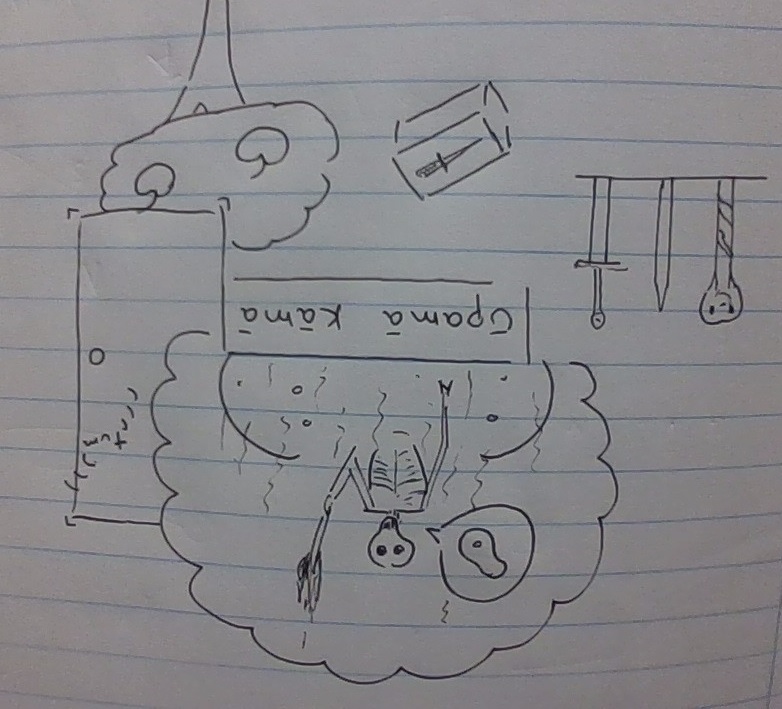
- extra note:
- aṭṭhikaṅkalūpamātiādimhi aṭṭhikaṅkalūpamā appassādaṭṭhena. maṃsapesūpamā bahusādhāraṇaṭṭhena. tiṇukkūpamā anudahanaṭṭhena. aṅgārakāsūpamā mahābhitāpanaṭṭhena. supinakūpamā ittarapaccupaṭṭhānaṭṭhena. yācitakūpamā tāvakālikaṭṭhena. rukkhaphalūpamā sabbaṅgapaccaṅgapalibhañjanaṭṭhena. asisūnūpamā adhikuṭṭanaṭṭhena. sattisūlūpamā vinivijjhanaṭṭhena. sappasirūpamā sāsaṅkasappaṭibhayaṭṭhenāti ayamettha saṅkhepo. vitthāro pana papañcasūdaniyaṃ majjhimaṭṭhakathāyaṃ (ma. ni. 1.234 ādayo, 2.42 ādayo) gahetabbo. evaṃ byākhoti (evaṃ viya kho). sesamettha pubbe vuttanayattā uttānameva.
- abhitāpana [abhi + √tap + *e + ana] ✓↔nt. scorching; burning; afflicting; causing torment
- adhikuṭṭana↔nt. cutting, piercing, chopping; lit. smashing
- vinivijjhana↔nt. piercing through ✗
- sabbaṅgapaccaṅga [sabba + aṅga + paccaṅga]↔adj. with all parts; including all features; lit. having all major and minor limbs
- paribhañjana↔nt. complete breaking up, absolute damaging
- ittara↔nt. short time; brief time; lit. going quickly 2 adj. transient; fleeting; short-lived; brief; lit. going quickly 3 adj. recent; soon; lit. going quickly ✓ 4 adj. brief, very small or few ✗
- kaṅkala↔masc. skeleton; lit. chain
- some benefits of celibacy
- avoiding thousands of sufferings and difficulties
- good health
- not going into decay soon
- long life
- mindfulness
- intelligence
- good complexion
- going to heaven after death
- satta methuna
- accepting and enjoying being bathed, scrubbed, massaged by women
- ...joking, playing games, making bodily contact, laughing with women
- enjoying their sight
- enjoying their sounds
- enjoying recollecting past play and laughter with women
- enjoying the sight of sense pleasures enjoyed by others
- living the noble life wishing for a deva birth
- mem aid: from close (being bathed) to far (recollecting)
- lay people on observance days
- 8 precepts
- ājīva-aṭṭhamaka sīla:→it consists of eight precepts (sikkhāpada). They are to abstain from the three wrong bodily actions, four verbal actions and wrong livelihood. This is introduced in the commentaries and commonly practiced today based on the teaching on eightfold path.
- 9 precepts: “sabbasattesu mettasahagatena cetasā viharaṇaṃ samādiyāmi”
- 10 precepts
- one gone forth (monk)
- 4 uposatha days
- Aṭṭhamī (eighth day following to new moon and full moon of each fortnight)
- Cātuddasī ( fourteenth day of the fortnight (pakkha))
- Paṇṇarasī (fifteenth day)
- Pāṭipadikaṃ (following day of the fool moon or new moon; pāṭipadika is most significant as the first day of the rains retreat
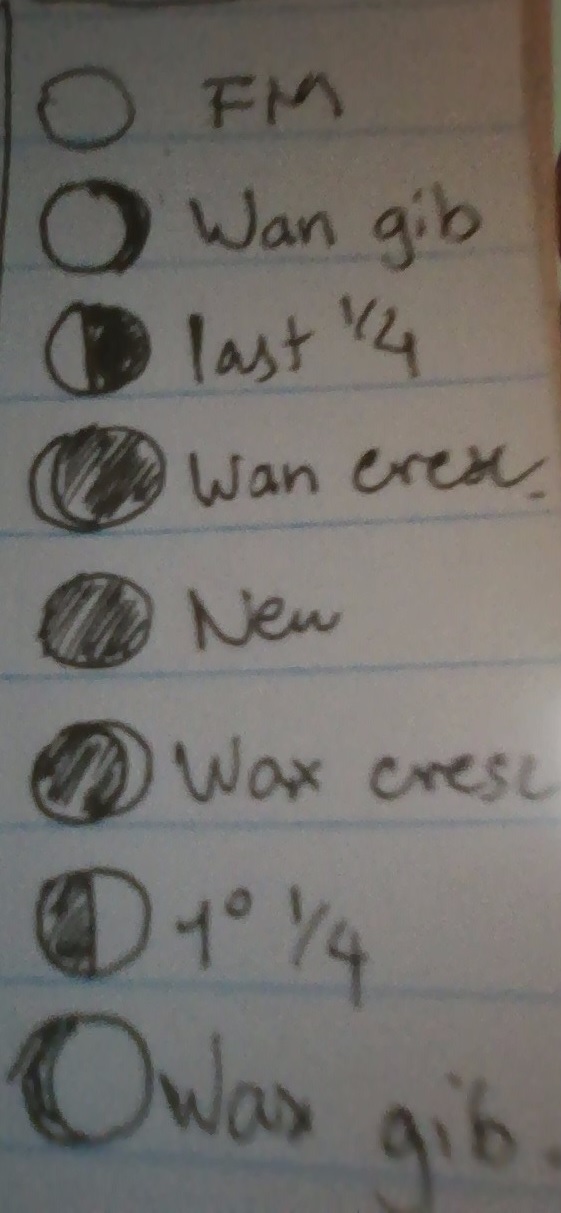
- moon phases
- “Ijjhati bhikkhave sīlavato ceto panidhi visuddhattā”
(wishes come true only for the moral person, due to purity [of mind])
- method of recollecting morality (visākhuposathasutta)
- arahants live avoiding killing...today I too will behave like them...
- stealing...uncelibacy...lying...intoxicants...eating at the improper time...dancing, singing, etc...the use of high and luxurious beds and seats....
- 13 dhutaṇga (on emacs)
- 5 benefits of morality
- wealth (mahantaṁ bhogakkhandhaṁ)
- good reputation (kalyāṇo kitti saddo)
- confidence in meeting any assemblies (...yaṁ parisaṁ upasaṅkamati visarado upasaṅkamati amaṅkubhūto...)
- dying unconfused (asammūḷho kālaṁ karoti)
- a good rebirth (kāyassa bhedā parammaraṇā sugatiṁ saggaṁ lokaṁ upapajjati)
- 'sāsane kulaputtānaṁ, patiṭṭhānatthi yaṁ vinā
ānisaṁsaparicchedaṁ, tassa sīlassa ko vade'
(the noble sons in this dispensation have no other assistance other than morality; who is able to describe the chapters of the benefits of morality?)
- 32 unsuitable talks
- rājakathā
- corakathā
- mahāmattakathā
- senākathā
- bhayakathā
- yuddhakathā
- annakathā
- pānakathā
- vatthakathā
- sayanakathā
- mālākathā
- gandhakathā
- ñātikathā
- yānakathā
- gāmakathā
- nigamakathā
- nagarakathā
- janapadakathā
- itthikathā
- surākathā
- visikhākathā (streets)
- kumbhaṭṭhānakathā
- pubbapetakathā
- nānattakathā
- lokakkhāyikā
- samuddakkhāyikā
- itibhavābhavakathā
- 27) Itibhavabhava katha – Talk about Eternity belief
- 28) Itibhavabhava katha – Talk about annihilation belief
- 29) Itibhavabhava katha – Talk about worldly gain
- 30) Itibhavabhava katha – Talk about worldly loss
- 31) Itibhavabhava katha – Talk about self-indulgence
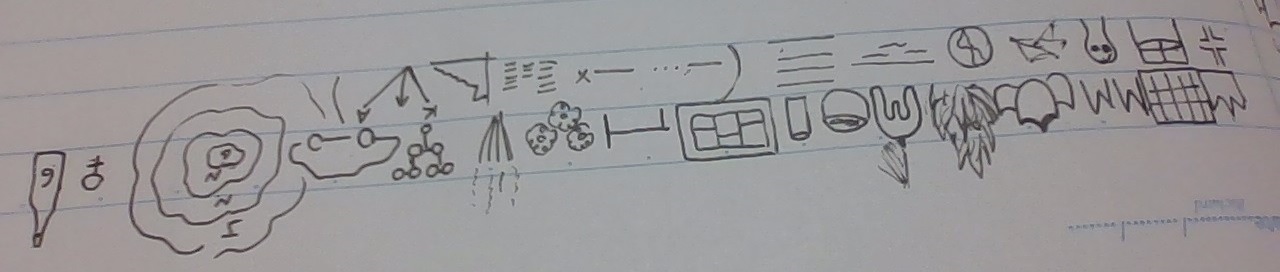
- 32) Itibhavabhava katha – Talk about self-mortification
- Bhāvanā
- Befinition: bhāveti kusale dhamme āsevati vaḍḍheti etāyāti bhāvanā.
- 37 bodhipakkhiyadhammas
- 4 satipaṭṭhānā
- 4 sammappadhāna
- 4 iddhipādā
- 5 indriyāni
- 5 balāni
- 7 bojjhaṅgā
- ariyo aṭṭhaṅgiko maggo
- 15 kinds of caraṇa (conduct)
- 1 - sīlasamvara (observance of precepts)
- 2 - indriyesu guttadvāratā
- 3 - bhojanamattaññutā
- 4 - jāgariyānuyoga
- 5-11 - 7 ariyadhana
- 12-15 - the 4 jhānas
- 4 bhaga (from bhagavā) (not for exam)
- issariyabhaga
- dhammabhaga
- yasabhaga
- siribhaga
- Ekaggatā
- definition of samādhi: kusalacittassa ekaggatā samādhi (tbc)
- synonyms
- citta (on some occasions)
- samādhi
- lakkhaṇa, rasa, paccupaṭṭhāna and padaṭṭhāna
- lakkhaṇa: avikkhepa lakkhaṇa samādhi
- rasa (function): vikkhepa viddhaṁsanaraso
- paccupaṭṭhāna (manifestation): avikampana paccupaṭṭhānā (unshakeableness)
- padaṭṭhāna (proximate cause): sukhamassa padaṭṭhānaṁ (its proximate cause is bliss)
- vocab: (stopped here) #[[pāḷi vocab (1st year) ]]
- avikkhepa (m.) [na > a + vi + √khip + *a]↔calmness; tranquillity; mental balance; non-distraction; lit. non-disturbance
- viddhaṃsanaṁ (nt.) [vi + √dhaṃs + ana]↔destruction; falling apart
- Kammaṭṭhāna
- there are mainly 38 kammaṭṭhānas, to which 2 more are added: ālokakasiṇa and ākāsakasiṇa
- some: ekavavatthāna and ekasaññā are closer to vipassanā so could be removed from the 40, leading to 38
- 32 body parts recitation method (11 steps)
- 1st group (tacapañcaka): anuloma (5 days), paṭiloma (5 days), anulomapaṭiloma (5 days)
- 2nd group (vakkapañcaka): same
- 1st and 2nd groups: anuloma (5 days), paṭiloma (5 days) and anulomapaṭiloma (5 days)
- 3rd group (papphāsapañcaka)
- 1st - 3rd
- 4th (matthaluṅgapañcaka)
- 1st - 4th
- 5th (meda)
- 1st - 5th
- 6th (mutta)
- 1st - 6th
- total time: 5 1/2 months
- body parts in English
- nahāru: sinews
- kilomakaṁ: membrane / pleura
- pihakaṁ: spleen
- antaguṇaṁ: mesentery
- udariyaṁ: undigested food
- semhaṁ: phlegm
- lasikā: sinovia
- vocab:
- avikampanaṁ (nt.)↔not trembling, not shaking, not wavering
- 4 guardian meditations
- buddhānussati
- mettā
- asubha
- maraṇassati
- IIT - Nissayamuttaka Course
- apacāyana
- definition: respecting people and objects which deserve respect (pūjāvasena) by performing sāmīcikamma; (virtues have priority over age) apacāyati pūjāvasena sāmīciṃ karoti etenāti apacāyanaṃ.
- 3 types of seniority (tbc) #editing
- in terms of age
- in terms of position
- in terms of virtue
- 3 ways of respect according to doors
- respect performed by body: removing footwear, rising to greet, worshipping...
- 5-factored worship: two hands, knees and head touching the floor
- by speech: respectful words such as namo tassa...
- and by mind: reflecting and contemplating on the qualities of those to be respected
- gāthā on the benefits of apacāyana (abhivādanasīlissa...)
- "abhivādanasīlissa niccaṁ vuddhāpacāyino
cattāro dhammā vaḍḍhanti āyu vaṇṇo sukhaṁ balaṁ"
(for one who has the nature of always respecting elders four things increase: long life, good complexion, happiness and power)
- some results of apacāyana
- birth in higher clans such as royalty which are respected; achieving positions which are respected
- veyyāvacca
- definition: taṃtaṃkiccakaraṇe byāvaṭassa bhāvo veyyāvaccaṃ. serving those who deserve respect, the sick, strangers and so on, by doing various activities as duties such as cleaning, repairing, providing necessary provisions, planting trees, bathing, massaging, caring for the sick, constructing places such as tanks, wells, resting places and so on..
- pañcānisaṃsā sammajjaniyā –
- sakacittaṃ pasīdati,
- paracittaṃ pasīdati,
- devatā attamanā honti,
- pāsādikasaṃvattanikakammaṃ upacinati, (one accumulates merits which lead to inspiring confidence (and praise)
- kāyassa bhedā paraṃ maraṇā sugatiṃ saggaṃ lokaṃ upapajjati
- mem aid: 3 people get pleased, 2 results
- pattidāna
- definition: attano santāne nibbattā patti dīyati etenāti pattidānaṃ; giving one's own acquired merit to others by saying it aloud
- pajjitthāti patti. attani laddhapuññakoṭṭhāsassa nāmaṃ. pāpīyatītivā patti. parehi anumodantehi laddhabbassa puññānisandassetaṃ nāmaṃ. pattiṃ dadanti etenāti pattidānaṃ.
- panvedīma↔puring water to signify the act of giving something that cannot be given by hand (performed by the King Bimbisara when offering the veḷuvana); it is not necessary to do it, but if the recipients believe it should be done they may not rejoice if it is not done
- paradattūpajīvika petā: petas fully depend on merit given by relatives (and friends) for acquiring food, clothing, dwelling places, and so on; those who receive the merit enjoy its benefits immediately according to what was given; if food was offered, they will receive food, if clothing, clothing, and so on...; if one offers to a certain passed relative and it happens that the relative is not in a position to partake of the donation (aṭṭhāna), other relatives who are in such condition partake of it
- ṭhāna and aṭṭhāna for partaking of the donation according to jāṇussoṇisutta (dasakanipāta)
- ṭhāna is only the pettivisaya of the paradattūpajīvika petas where they depend on what is offered for food, shelter, clothing and so on
- other destination are aṭṭhāna
- the duty of sharing merit: sharing merit to those who have passed away is one's duty, and in case of being in destination in which no benefit is acquired, the merit-maker still fulfils the duty and accumulates merit
- sharing merit with devas: devas occasionally assist humans and they sympathize with those who share merits with them; sharing merits is what can be done by humans to show gratitude and also assist devas
- sharing merits with all beings
- improper method for sharing merit
- merit should not be shared by wishing the recipient to pass away and be reborn in a good destination; the petas do not wish to die, but to receive what they lack; if done so they may not rejoice
- the giver of merit only increases his merit by merit-sharing, while the recipient only partakes of the merit given if he rejoices in it
- method of transfering merit in pāḷi
- for relatives:
- idaṁ vo ñātīnaṁ hotu sukhitā hontu ñātayo
- for devas:
- ettāvatā ca amhehi sambhataṁ puññasampadaṁ
sabbe devā anumodantu sabbasampatti siddhiyā
- for all living beings:
- ettāvatā...sabbe sattā anumodantu...
- vocab:
- pajji [√pad + ya + i]→aor. (+acc) experienced suffering; suffered
- sambhataṁ puññasampadaṁ: the acquired merit accumulated
- pattānumodanā
- definition: pattiṃ anumodati etāyāti pattānumodanā (rejoicing in the merit acquired or shared by another)
- it hits envy: rejoicing in other's merits is opposed to envy of the donor and specially envy of the recipient (in the cases one is not the recipient); out of jealousy one may criticize the donor and the recipient and may even prevent the donation
- one acquires the merit of rejoicing regardless of whether the merit was shared or not; the greater the merit done the greater the merit of rejoicing in it; the greater the faith and understanding, the greater the merit
- when do those who accept merit experience the results?→paradattūpajīvika petas experience the results immediately while other beings experience them at the time of the vipāka
- for such petas (paradattūpajīvika) the result of rejoicing in merits occurs immediately. Does that mean it is diṭṭhadhammavedanīyakamma? #q🙋🏼♂
- dhammassavaṇa
- definition: dhammaṃ suṇanti etenāti dhammassavanaṃ (listening to the Dhamma [with the intention to remove suffering] is the merit of dhammassavaṇa)
- akkhaṇasutta
- aṭṭhime, bhikkhave, akkhaṇā asamayā brahmacariyavāsāya. katame aṭṭha? idha, bhikkhave, tathāgato ca loke uppanno hoti...
- ayañca puggalo nirayaṁ upapanno hoti
- ...tiracchānayoniṁ upapanno hoti
- ...pettivisayaṁ upapanno hoti
- ...aññataraṁ dīghāyukaṁ devanikāyaṁ upapanno hoti (asaññasatta or arūpabhūmi)
- ...paccantimesu janapadesu paccājāto hoti, so ca hoti aviññātāresu milakkhesu, yattha natthi gati bhikkhūnaṃ bhikkhunīnaṃ upāsakānaṃ upāsikānaṃ
- ...majjhimesu janapadesu paccājāto hoti, so ca hoti micchādiṭṭhiko viparītadassano
- ...majjhimesu janapadesu paccājāto hoti, so ca hoti duppañño jaḷo eḷamūgo appaṭibalo subhāsitadubbhāsitassa atthamaññātuṃ
- ...tathāgato ca loke anuppanno hoti arahaṃ sammāsambuddho
- 5 benefits of dhammassavaṇa
- assutaṁ suṇāti
- sutaṁ pariyodapeti
- kaṅkhaṁ vitarati
- diṭṭhiṁ ujuṁ karoti
- cittamassa pasīdati
- 3 types of pariyatti: tisso hi pariyattiyo
- alagaddapariyatti: learning dhamma for the sake of gain (lābhasakkāra)
- tattha yo buddhavacanaṃ uggahetvā evaṃ cīvarādīni vā labhissāmi, catuparisamajjhe vā maṃ jānissantīti lābhasakkārahetu pariyāpuṇāti, tassa sā pariyatti alagaddapariyatti nāma. evaṃ pariyāpuṇato hi buddhavacanaṃ apariyāpuṇitvā niddokkamanaṃ varataraṃ.
- nittharaṇapariyatti: for crossing over
- yo pana buddhavacanaṃ uggaṇhitvā sīlassa āgataṭṭhāne sīlaṃ pūretvā samādhissa āgataṭṭhāne samādhigabbhaṃ gaṇhāpetvā vipassanāya āgataṭṭhāne vipassanaṃ paṭṭhapetvā maggaphalānaṃ āgataṭṭhāne maggaṃ bhāvessāmi14 sacchikarissāmīti uggaṇhāti, tassa sā pariyatti nittharaṇapariyatti nāma hoti.phalaṃ
- bhaṇḍāgārikapariyatti:
- khīṇāsavassa pana pariyatti bhaṇḍāgārikapariyatti nāma. tassa hi apariññātaṃ appahīnaṃ abhāvitaṃ asacchikataṃ vā natthi. so hi pariññātakkhandho pahīnakileso bhāvitamaggo sacchikataphalo, tasmā buddhavacanaṃ pariyāpuṇanto tantidhārako paveṇipālako vaṃsānurakkhakova hutvā uggaṇhāti. itissa sā pariyatti bhaṇḍāgārikapariyatti nāma hoti.
- vocab:
- bhaṇḍāgārika (m.)→warehouse keeper; storekeeper quartermaster; treasurer
- mental attitude: of faith 'saddahati tathāgatassa bodhiṁ' (confidence and faith on The Buddha, dhamma, and sangha)
contemplation: reflecting with right view on the benefits of listening to the Dhamma such as getting rid of saṁsāra and attaining nibbāna
keeping full respect: 1. having the right mindset (without expectation of enjoyment, not finding faults, but to learn and overcome saṁsāra) 3. verbal respect (saying sādhu sādhu) 2. the right gesture and position as well as other respectful actions such as cleaning the place, keeping dhamma (teacher, book, or item) in a higher position, cleaning oneself, decorating to honor, sitting in a lower position, and so on
- 4 steps in learning dhamma (similar to bahussuta but without the 4th)
- sutā (listening)
- dhātā (memorization)
- vacasā paricitā (verbal practice)
- (manasā anupekkhitā (mentally investigated) (not included here))
- diṭṭhiyā suppaṭividdhā (thoroughly penetrated by view)
- vocab:
- dhāta pp. [√dhar + *e + ta]↔remembered; retained in mind; known off by heart
- paricita pp. [pari + √ci + ta]↔practised; rehearsed; consolidated; familiarized; lit. piled up; accumulated
- anupekkhita pp. [anu + pa + √ikkh + ita]↔carefully considered; re-examined; re-looked at
- suppaṭividdha adj. [su + pati + √vidh + ta]↔(+instr) thoroughly penetrated (by); completely understood (by)
- gāthā on the benefits of expressing respect verbally by saying sādhu
- saddhammadesanā kāle sādhu sādhūti bhāsato
mukhato nibbattati gandho uppalaṁva yathodake
the fragrance of lotus flowers emanates from the mouth of the virtuous person who utters sādhu when dhamma is delivered
- dhammadesanā
- definition→ lābhasakkārādi nirapekkhatāya (not for gain and so on) yonisomanasikaroto (with wisdom) hitūpadesa cetanā (considering benefits) dhammadesanā nāma (from abhidhammāvatāraṭīkā) / dhammaṃ desenti etāyāti dhammadesanā / it included having others teach dhamma
- kathikasaṇṭhiti
- "ādimhi sīlaṁ dasseyyaṁ,
majjhe maggaṁ vibhāvaye,
pariosāne nibbānaṁ, esā kathikasaṇṭhiti"
(sāmaññaphalasuttavaṇṇanā)
- vocab:
- upadesa (m.)→advice, indication, instruction
- nirapekkha (adj.) [nir + apa + √ikkh + a]↔without expectation; unconcerned; indifferent; lit. not looking out
- 3 levels of elaboration of teaching
- uddesa [ud + √dis + *a] (m.)↔proposition; synopsis; statement in brief; summary; introduction; lit. pointing up
- niddesa (explanation) (m.) [nī + √dis + *a]↔analytical description; detailed analysis; lit. pointing out
- paṭiniddesa (m.)↔redescription, extensive explanation
- 5 points one should have for giving the dhammatalk:
"na kho, ānanda, sukaraṃ paresaṃ dhammaṃ desetuṃ. paresaṃ, ānanda, dhammaṃ desentena pañca dhamme ajjhattaṃ upaṭṭhāpetvā paresaṃ dhammo desetabbo. katame pañca?
- ‘anupubbiṃ kathaṃ kathessāmī’ti paresaṃ dhammo desetabbo,
- ‘pariyāyadassāvī kathaṃ kathessāmī’ti paresaṃ dhammo desetabbo, (knowing the reasons, expressing sufficient facts)
- ‘anuddayataṃ (compassion) paṭicca kathaṃ kathessāmī’ti paresaṃ dhammo desetabbo,
- ‘na āmisantaro kathaṃ kathessāmī’ti paresaṃ dhammo desetabbo,
- ‘attānañca parañca anupahacca kathaṃ kathessāmī’ti paresaṃ dhammo desetabbo
- vocab:
- pariyāyadassāvī (adj.)↔knowing the reason; aware of the purpose; lit. seeing the way around
- anuddayatā (fem.) [anu + √day + ā + tā]↔compassion; sympathy; lit. compassion state
- āmisantara (adj.) [āmisa + antara]↔for worldly gain; intent on material gain; lit. gain inside
- anupahacca (ger.) [na + upa + √han + tya] ✓↔(+acc) not injuring; not hurting; not wounding
- mem aid: in order, knowledge, compassion, non-greed, non-hatred
- navaṅgasatthusāsana
- suttaṃ (discourses in prose)
- tattha ubhatovibhaṅga-niddesa-khandhakaparivārā suttanipāte maṅgalasutta-ratanasutta-nālakasutta-tuvaṭṭakasuttāni aññampi ca suttanāmakaṃ tathāgatavacanaṃ suttanti veditabbaṃ.
- geyyaṃ (discourses in mixed prose and verse)
- sabbampi sagāthakaṃ suttaṃ geyyanti veditabbaṃ. (sagāthavagga SN)
- veyyākaraṇaṃ (detailed expositions / prose)
- visesena saṃyuttake sakalopi sagāthāvaggo, sakalaṃ abhidhammapiṭakaṃ, niggāthakaṃ suttaṃ, yañca aññampi aṭṭhahi aṅgehi asaṅgahitaṃ buddhavacanaṃ taṃ veyyākaraṇanti veditabbaṃ.
- gāthā (only verses)
- dhammapadaṃ, theragāthā, therīgāthā, suttanipāte nosuttanāmikā suddhikagāthā ca gāthāti veditabbā.
- includes petavatthupāḷi
- udānaṃ (heartfelt exclamations)
- somanassañāṇamayikagāthāpaṭisaṃyuttā dvāsīti suttantā udānanti veditabbaṃ.
- itivuttakaṃ (quotations)
- vuttañhetaṃ bhagavatā"tiādinayappavattā dasuttarasatasuttantā itivuttakanti veditabbaṃ
- note:
- memorized by Kujuttara bhikkhunī
- jātakaṃ (birth stories)
- apaṇṇakajātakādīni paññāsādhikāni pañca jātakasatāni jātakanti veditabbaṃ.
- note:
- commentary says 550 stories but we have 547
- abbhutadhammaṃ (marvellous accounts)
- "cattārome, bhikkhave, acchariyā abbhutā dhammā ānande"ti (dī. ni. 2.209) -ādinayappavattā sabbepi acchariyaabbhutadhammapaṭisaṃyuttā suttantā abbhutadhammanti veditabbaṃ.
- vedallaṃ (analyses / question and answers)
- cūḷavedalla-mahāvedalla-sammādiṭṭhi-sakkapañha-saṅkhārabhājaniya-mahāpuṇṇamasuttādayo sabbepi vedañca tuṭṭhiñca laddhā laddhā pucchitasuttantā vedallanti veditabbaṃ.
- note:
- vocab: #[[pāḷi vocab (1st year) ]]
- geyyaṁ (nt.) [√gā + eyya]↔mixed verse; mixed prose; one of the nine kinds of suttas; lit. to be sung
- abbhuta (adj.)↔marvellous; extraordinary; unbelievable; astonishing
- vedallaṁ (nt.) [vi + √dal + *ya]↔questions-and-answers; catechism; one of the nine kinds of suttas; lit. to be split apart
- 4 modes of desanā (teachings) / suttanikkhepas
- attajjhāsaya suttanikkhepa (discourse preached according to the one’s inclination)
- parajjhāsaya suttanikkhepa (discourse preached according to another’s inclination)
- pucchāvasika suttanikkhepa (discourse preached as the result of a question)
- atthuppattika suttanikkhepa (discourse preached on account of an arisen need)
- notes:
- cattāro hi suttanikkhepā attajjhāsayo parajjhāsayo pucchāvasiko aṭṭhuppattiko (brahmajālasutta-a)
- "tattha yāni suttāni bhagavā parehi anajjhiṭṭho kevalaṃ attano ajjhāsayeneva kathesi, seyyathidaṃ, ākaṅkheyyasuttaṃ, vatthasuttaṃ, mahāsatipaṭṭhānaṃ, mahāsaḷāyatanavibhaṅgasuttaṃ, ariyavaṃsasuttaṃ, sammappadhānasuttantahārako, iddhipādaindriyabalabojjhaṅgamaggaṅgasuttantahārakoti evamādīni, tesaṃ attajjhāsayo nikkhepo.
- yāni pana "paripakkā kho rāhulassa vimuttiparipācaniyā dhammā, yaṃnūnāhaṃ rāhulaṃ uttariṃ āsavānaṃ khaye vineyya"nti, (saṃ. ni. 4.121) evaṃ paresaṃ ajjhāsayaṃ khantiṃ manaṃ abhinīhāraṃ bujjhanabhāvañca avekkhitvā parajjhāsayavasena kathitāni, seyyathidaṃ, cūḷarāhulovādasuttaṃ, mahārāhulovādasuttaṃ, dhammacakkappavattanaṃ, dhātuvibhaṅgasuttanti evamādīni, tesaṃ parajjhāsayo nikkhepo.
- bhagavantaṃ pana upasaṅkamitvā catasso parisā, cattāro vaṇṇā, nāgā, supaṇṇā, gandhabbā, asurā, yakkhā, mahārājāno, tāvatiṃsādayo devā, mahābrahmāti evamādayo – "bojjhaṅgā bojjhaṅgā"ti, bhante, vuccanti. "nīvaraṇā nīvaraṇā"ti, bhante, vuccanti, "ime nu kho, bhante, pañcupādānakkhandhā". "kiṃ sūdha vittaṃ purisassa seṭṭha"ntiādinā nayena pañhaṃ pucchanti. evaṃ puṭṭhena bhagavatā yāni kathitāni bojjhaṅgasaṃyuttādīni, yāni vā panaññānipi devatāsaṃyutta-mārasaṃyutta-brahmasaṃyutta-sakkapañha-cūḷavedalla-mahāvedalla-sāmaññaphala-āḷavaka-sūciloma-kharalomasuttādīni, tesaṃ pucchāvasiko nikkhepo.
- yāni pana tāni uppannaṃ kāraṇaṃ paṭicca kathitāni, seyyathidaṃ – dhammadāyādaṃ, cūḷasīhanādaṃ, candūpamaṃ, puttamaṃsūpamaṃ, dārukkhandhūpamaṃ, aggikkhandhūpamaṃ, pheṇapiṇḍūpamaṃ, pāricchattakūpamanti evamādīni, tesaṃ aṭṭhuppattiko nikkhepo.
- vocab:
- ajjhāsaya (m.)→intention; disposition
- uppattika (adj.) [ud + √pad + ti + ka]↔arising; appearing; occurring
- cattāri pañhabyākaraṇāni
- ekaṃsabyākaraṇīyo pañho (question which should be given a straight answer)
- paṭipucchābyākaraṇīyo pañho (question which should be answered with a counter-question)
- vibhajjabyākaraṇīyo pañho (question which should be answered with a detailed analysis)
- ṭhapanīyo pañho (question that should be set aside)
- vocab:
- ekaṃsabyākaraṇīya (adj.) [ekaṃsa + byākaraṇīya]↔which should be given a straight answer; which should be answered categorically
- ekaṃsa [eka + aṃsa]↔adj. definite; sure; straight; lit. one part
- paṭipucchābyākaraṇīya (adj.) [paṭipucchā + byākaraṇīya]↔which should be answered with a counter-question
- vibhajjabyākaraṇīya [vibhajja + byākaraṇīya] (adj.)↔which should be answered with a detailed analysis
- ṭhapanīya [√ṭhā + *āpe + anīya]↔ptp. should be set aside; should be placed aside; should be left alone; lit. to cause to be stood
- 5 type of questions in the discourses #[[suttanta exam ]]
- for illustrating the point (adiṭṭhajotanāpucchā),
- for asking for a comparison (confirm) (diṭṭhasaṃsandanāpucchā),
- for clearing one's own doubts (confirm) (vimaticchedanāpucchā),
- for getting permission (confirm) (anumatipucchā),
- for giving more detail (kathetukamyatāpucchā)
- mem aid:
- anupubbīkathā
- dānakathā
- sīlakathā
- saggakathā
- kāmādīnavakathā
- nekkhammānisaṁsakathā
- notes:
- purity or impurity of dhammatalk
- ācikkhaṇā
- desanā
- paññapanā
- paṭṭhapana
- vivaraṇā
- vibhajanā
- uttāni kamma
- diṭṭhijukamma
- definition: the development of the kusala knowledge on various aspects of kamma and vipāka such as kusala and akusala, their good and bad results; 'diṭṭhiyā ujukaraṇaṃ diṭṭhijukammaṃ'
- "diṭṭhijukammaṃ sabbesaṃ niyamalakkhaṇaṃ, yaṃkiñci puññaṃ karontassa hi diṭṭhiyā ujukabhāveneva mahapphalaṃ hoti”
- definiton (atthi dinnaṁ...)
- "atthi dinnaṃ, atthi yiṭṭhaṃ, atthi hutaṃ, atthi sukatadukkaṭānaṃ kammānaṃ phalaṃ vipāko, atthi ayaṃ loko, atthi paro loko, atthi mātā, atthi pitā, atthi sattā opapātikā, atthi loke samaṇabrāhmaṇā, sammaggatā sammāpaṭipannā ye imañca lokaṃ parañca lokaṃ sayaṃ abhiññā sacchikatvā pavedenti"
- 10 kinds of right understanding related to kamma:
- atthi dinnam→right understanding that alms-giving, if performed with benevolence, in a previous existence, yields beneficial results in subsequent existences; related to belongings or food (annādi vatthu)
- atthi yiṭṭhaṃ→right understanding that liberality, if extended with belief in past kamma and with faith in and respect for the virtuous qualities of recipients, yields beneficial results in future existences; related to great offerings (mahāyāgo, sabbasādhāraṇa mahādāna)
- atthi hutam→right understanding that gifts, even on a small scale, (ahuna, pahuna) if made in previous existences with good will, beneficial results will result in future existences; related to sending gifts out of respect (peheṇaka sakkāro, pāhuṇabhāvena kattabba sakkāro)
- atthi sukatadukkaṭānaṁ kammānaṁ phalam vipāko→right understanding that cruel deeds done to beings in previous existences yield bad results in subsequent existences, and that refraining from such evil acts yields beneficial results
- atthi ayam loko, atthi paroloko: right understanding that this world (ayam loko) is the human world, and the other world consists of the four lower worlds (hell, the worlds of animals, petas and asurakas), the deva worlds and the brahma worlds.
- atthi mātā atthi pitā→right understanding that good and evil deeds done to one's mother or father yield good and evil results respectively in subsequent existences
- atthi sattā opapātikā→right understanding that there really exist beings born by apparitional rebirth who are invisible to human eyes
- atthi loke samanabrahmanā samaggatā sammāpaṭipannā ye imañca lokam parañca lokaṁ sayaṁ abhiññā sacchikatvā pavedenti→there are higher spiritual knowledges (abhinna) and omniscience (sabbaññutāñāṇa). monks and brahmins who exert themselves diligently in fulfilling the perfections (pāramitā) and practising samatha and vipassana bhāvanā in this human world can achieve such ñāṇa; personages who have achieved such nana appear in this world time to time.
- diṭṭhijukamma's pubbacetanā can be any of the 8 mahākusala cittas
muñcanacetanā can be only one of the 4 ñāṇasampayutta mahākusala cittas
aparacetanā can be any of the 8 mahākusala cittas
- kammassaka.. (pāḷi)
- "kammassakā sabbe sattā, kammadāyādā, kammayoni, kammabandhu, kammapaṭisaraṇā, yaṁ kammaṁ karissanti, kalyāṇaṁ vā pāpakaṁ vā, tassa dāyādā bhavissanti"
- vocab:
- kammassakā (kamma + saka)→(beings are) the owner of their actions
- kammadāyāda↔(beings are) the inheritors of their actions
- kammayoni↔(beings have) kamma as their origin, source, cause
- kammabandhu↔(beings have) kamma as their relative, they are bound to their actions
- kammapaṭisaraṇā↔(beings have) actions as refuge, support
- why is it given as the first factor of the ariyamagga?→because due to right view living beings' minds tend towards wholesome states; it is the root and assistance for all wholesome actions
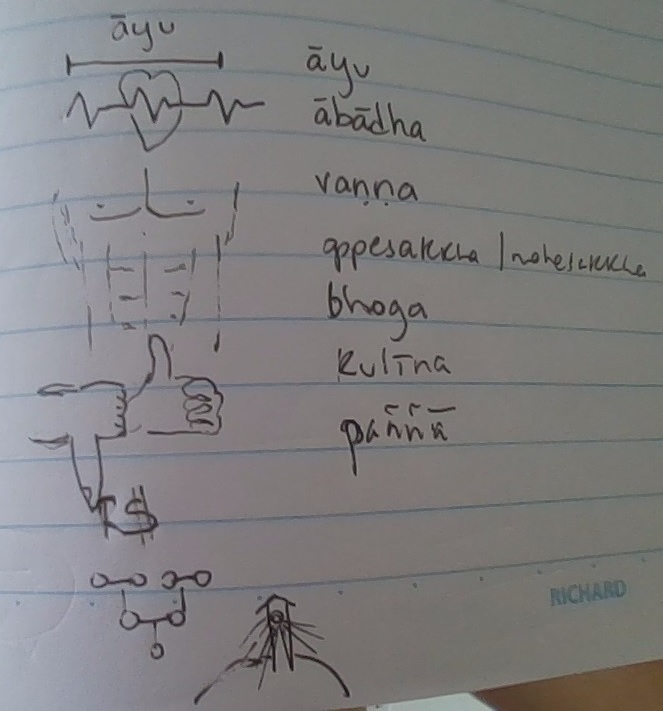
- according to the question raised in cūḷakammavibhaṅga sutta by the young man Subha Todeyyaputta, kamma is the cause and reason for beings to become inferior or superior in the followings aspects
- 1. Longevity of the lifespan (āyu)
- 2. Health (ābādha)
- 3. Physical appearance (vaṇṇa)
- 4. Retinue, influence (appesakkha, mahesakkha)
- 5. Wealth (bhoga)
- 6. Rank or clan (kulīna)
- 7. Intelligence (paññā)
- note: This develops the understanding of how much kamma means to our life and what results can be produced by kamma
- mem aid:
- dasapuññakiriyavatthu divided into dāna, sīla and bhāvanā, and stanza
- dāna
- pattidāna
- pattānumodanā (because it occurs connected with the act of dāna)
- sīla
- bhāvanā
- dhammadesanā
- could also be under dāna (dhammadāna)
- kammaṭṭhāna vinimutta desanā nāma natthi
- dhammassavana
- diṭṭhujukamma / diṭṭhijjukamma
- "dānaṁ sīlañca bhāvanā, veyyāvaccāpacāyanā
pattānumodanā pattidānaṁ, dhammassa desanā,
savanā diṭṭhijjukammamiccevaṁ dasadhā ṭhitaṁ"
- kamma #edited
- IIT - Nissayamuttaka Course
- one who is near death may become aware of the kamma, kammanimitta or gatinimitta even two or three days before death takes place; the intelligent observer can understand it from what the dying person says and does
- how to help a dying person to have a good rebirth
- remind the person of good deeds they have done
- make the person offer things such as flowers
- recite the dhamma
- give dhammatalks, etc
- help the person avoid unwholesome thoughts
- pākaṭṭhānakammacatukka
- akusalakamma give paṭisandhi in apāya and pavatti vipāka in kāma and rūpāvacara realms
- rūpa and arūpāvacarakusalakamma give paṭisandhi in their respective realms
- niraya
- IIT - Nissayamuttaka Course
- some ussada nirayas:
- gūtha: a place filled with excrement and huge worms the size of bamboo trees who pierce beings born there
- kukkuḷa: a place full of ash with burning embers
- asipattavana: a place with trees with sharp sword like leaves
- simbalīvana: a forest of Imbul trees with thorns a span long
- lokantarikaniraya: an extremely cold place with water at its bottom; beings hang on rocks like bats and when trying to eat each other fall into the water and fried by the cold and burst like flour in hot oil
- saṁsāra #edited
- "khandhānañceva paṭipāṭi
dhātuāyatanāni ca
abbhocchinnaṁ vattamānaṁ
saṁsāro'ti pavuccati"
(saṁsāra is the unbroken succession (paṭipāṭi) of the generation of aggregates, elements and bases)
- vocab:
- paṭipāṭi (f.) [pati + √paṭ + *i]↔turn (in queue); order; chance; 2. sequence; succession; series
- anamataggasaṁyutta
- "anamataggoyaṃ bhikkhave, saṃsāro pubbā koṭi na paññāyati avijjānīvaraṇānaṃ sattānaṃ taṇhāsaṃyojanānaṃ sandhāvataṃ saṃsarataṃ."
(bhikkhus, saṁsāra has no conceivable beginning, a beginning cannot be known to the beings hindered by ignorance and bound by craving transmigrating and wandering on)
- "yāvañcidaṃ, bhikkhave, alameva sabbasaṅkhāresu nibbindituṃ alaṃ virajjituṃ alaṃ vimuccituṁ"
(monks, it is enough to be disenchanted towards all formations, enough to be dispassioned, enough to be liberated)
- the four woeful planes are like the negligent's own house "pamattassa hi nāma cattāro apāyā sakageha sadisā"
- nibbāna
- the value of nibbāna can be estimated according to the extent of suffering from which deliverance is achieved
- "pathabyā (pathavī) ekarajjena (being the sole king)
saggassa gamena vā (26 sagga)
sabbalokādhipaccena (mahābrahma)
sotāpattiphalaṁ varaṁ" (dhp 178)
- how did the Buddha prevented Kāla (anāthapiṇḍika's son) from remembering things? Maybe by giving him other objects. #q🙋🏼♂
- bodhi
- 4 meanings of bodhi
- sabbaññutañāṇa
- maggañāṇa: vuccati catumaggesu ñāṇaṁ (sometimes specifically arahattamaggañāṇa)
- supramundane path knowledge (lokuttaramaggañāṇa)
- that which realized the four noble truths is called bodhi
- assattharukkha: the bodhi tree
- nibbāna
- 3 types of bodhi
- abhisambodhi (sammāsambodhi)
- paccekabodhi
- sāvakabodhi
- 3 types of Buddha
- sammāsambuddha
- paccekabuddha
- anubuddha / sāvakabuddha / catusaccabuddha
- note: sutabuddha is a bahussuta bhikkhu
- 3 types of bodhisatta and how long it takes
- mahābodhisatta (4, 8 or 16 asaṅkheyya and 100.000 kappa)
- paccekabodhisatta (2 asaṅkheyya and 100.000 kappa)
- sāvakabodhisatta (chief disciples 1 asaṅkheyya and 100.000 kappas; other disciples tbc)
- 3 levels of paṇidhāna for buddhahood
- manopaṇidhāna: practices in the mental level for buddhahood (7 asaṅkheyya)
- vacīpaṇidhāna: practices in the verbal level for buddhahodd (9 asaṅkheyya)
- mahāpaṇidhāna: practices performed in the three levels (here it can be 4, 8 or 16 ask. + 100.000 kappas)
- 3 types of mahābodhisattas
- paññādhika (wisdom-predominant)
- saddhādhika (faith-predominant)
- vīriyādhika (effort-predominant)
- pāramī
- definition: wholesome deeds done for the sake of bodhi
- stanza on the 10 pāramī
- "dānaṁ sīlañca nekkhammaṁ
paññā vīriyena pañcamaṁ
khantī saccaṁ adhiṭṭhānaṁ
mettupekkhā'ti te dasa"
- qualities underlying the fulfilment of pāramīs
- karuṇā and upāyakosallañāṇa
- classification of pāramīs into 6 pāramitā
- dāna
- sīla (+nekkhamma, +sacca)
- khanti
- vīriya
- jhāna (+nekkhamma, +mettā, +upekkhā)
- paññā (+nekkhamma)
- note: adhiṭṭhāna into all 6
- 3 levels of pāramīs amounting to 30
- pāramī: at the cost of one's properties (dānapāramī, sīla...)
- upapāramī: at the cost of one's limbs (dānaupapāramī, sīla...)
- paramatthapāramī: at the cost of one's life (dānaparamatthapāramī, sīla...)
- requisites for each aspiration
- aṭṭhadhammasamodhāna (8 conditions for bodhisattahood [stanza])
- “manussattaṃ liṅgasampatti, hetu satthāradassanaṃ;
pabbajjā guṇasampatti, adhikāro ca chandatā;
aṭṭhadhammasamodhānā, abhinīhāro samijjhatī”ti. (bu· vaṃ· 2.59);
- hetūti arahattassa upanissayasampatti.
- guṇasampattīti jhānādiguṇapaṭilābho. Pabbajitassāpi hi guṇasampannasseva ijjhati, no itarassa; yathā sumedhapaṇḍitassa. So hi pañcābhiñño aṭṭhasamāpattilābhī ca hutvā paṇidhesi.
- adhikāroti adhikakāro, pariccāgoti attho. Jīvitādipariccāgañhi katvā paṇidahatoyeva ijjhati, no itarassa;
- vocab:
- adhikāra (m.)↔a great wholesome deed
- samodhāna (nt.)↔collocation; combination; to be contained in.
- abhinīhāra (m.)↔taking out; aspiration; resolution
- nīhāra (m.)↔ejection; 2. carrying out; 3. the way; manner.
- samijjhati (saṃ + idh + ya)↔succeeds; prospers; takes effect
- 5 prerequisites for paccekabodhi aspiration (stanza)
- "manussattaṃ liṅgasampatti, vigatāsavadassanaṃ,
adhikāro chandatā ete, abhinīhārakāraṇā"
- vigatāsavadassanaṁ: the sight of one devoid of influxes (the sight of a Buddha, paccekabuddha or an arahant disciple)
- 2 prerequisites for the aspiration of great disciples
- adhikāra (service)
- chanda (desire)
- IIT - Nissayamuttaka Course
- Chronicle of the most recent 24 Buddhas
- 4 asaṅkheyya [asky] and 100k mahākappas [mk] ago
- varakappa: Buddhas Taṇhaṅkara, Medhaṅkara, Saraṇaṅkara, and Dīpaṅkara (Hermit Sumedha received the prophecy)
- ‒1 asky of suññakappas passed‒
- 3 asky and 100k mk ago
- sārakappa: Buddha Koṇḍañña
- ‒1 asky of suññakappas passed‒
- 2 asky and 100.000 mk ago
- varakappa: Buddhas Maṅgala, Sumana, Revata, Sobhita
- ‒1 asky of suññakappas passed‒
- 1 asky and 100k mk ago
- sāramaṇḍakappa: Buddhas Anomadassī (aggasāvakas receive prophecy), Paduma, and Nārada
- ‒1 asky of suññakappas passed‒
- 100.000 mk ago
- sārakappa: Buddha Padumuttara (mahasāvakas receive prophecy)
- ‒70k suññakappas passed‒
- 30k mk ago
- maṇḍakappa: Buddhas Sumedha and Sujāta
- ‒12k suññakappas passed‒
- 18k mk ago
- sāramaṇḍakappa: Buddhas Piyadassī, Atthadassī, and Dhammadassī
- ‒17.906 suññakappas passed‒
- 94 mk ago
- sārakappa: Buddha Siddhattha
- ‒1 suññakappa passed‒
- 92 mk ago
- maṇḍakappa: Tissa, Phussa
- 91 mk ago
- sārakappa: Buddha Vipassī
- ‒60 suññakappas passed‒
- 31 mk ago
- maṇḍakappa: Buddhas Sikhī and Vessabhū
- ‒30 suññakappas passed‒
- present kappa
- bhaddakappa: Buddhas Kakusandha, Koṇāgamana, Kassapa, Gotama (present) and Metteyya
- mem aid:
- 41, 43, 123, 12, 124
- 1, 1, 1, 1, 100.000, 30.000, 18.000, 94, 92, 91, 31
- ariyadhana
- gāthā:
- "saddhādhanaṁ sīladhanaṁ hiriottappiyaṁ dhanaṁ,
sutadhanañca cāgo ca paññā me sattamaṁ dhanaṁ,
yassa ete dhanā atthi itthiyā purisassa vā,
adaḷiddoti taṁ āhu amoghaṁ tassa jīvitaṁ"
(they say that one who has these seven wealths, be it a man or woman, he/she is not poor and his/her life is not empty)
- saddhādhanaṁ: believing in the Buddha and kamma-vipāka
sīladhanaṁ: protecting at least the 5 precepts
hiridhanaṁ: despising immorality
ottappadhanaṁ: fear of immorality
sutadhanaṁ: knowledge of dhamma
cāgadhanaṁ: donating
paññādhanaṁ: intelligence
- 2 types of wealth, which is higher and why
- material wealth
- wealth of virtues
- note: wealth of virtues is higher because material wealth is easily lost, causes harm to the owner, divides people, etc, and the wealth of virtues helps acquire all other material things and supramundane dhamma
- aṭṭhaṅgiko maggo
- "pabbajitvāna kātena pāpakammaṁ vivajjayi,
vacīduccaritaṁ hitvā ājīvaṁ parisodhayi" (suttanipāta 410)
(having renounced, he abandoned bodily evil,
and after abandoning verbal misconduct he purified his livelihood) (said of Siddhattha)
- 1. Sammādiṭṭhi – right view (insight of four noble truth)
- I. Dukkhe ñāṇaṃ = knowledge of suffering,
- II. Dukkhasamudaye ñāṇaṃ = knowledge of cause of suffering,
- III. Dukkhanirodhe ñāṇaṃ = knowledge of the cessation of suffering,
- IV. dukkhanirodhagāminiyāpaṭipadāya ñāṇaṃ = knowledge of path that leads to get free from suffering
- 2. Sammā saṅkappo: right thoughts, right intention
- I. Nekkhammasaṅkappo = intention of renunciation, the thought of letting go of sensual pleasure.
- II. Abyāpādasaṅkappo = intention of good will, thought of non-hatred
- III. Avihiṃsāsaṅkappo = intention of harmlessness.
- 3. Sammāvācā: right speech
- I. Musāvādāveramaṇī = refraining from lying
- II. Pisuṇāvācā – veramaṇī = refraining from slanderous speech
- III. Pharusāvācā – veramaṇī = refraining from harsh speech
- IV. Sampapphalāpā – veramaṇī = frivolous speech, idle speech
- 4. Sammākammanta: right action
- I. Pāṇātipātāveramaṇī = refraining from killing beings.
- II. Adinnādānāveramaṇī = refraining from stealing
- III. Kāmesumicchācārā-veramaṇī/Abrahmacariyāveramaṇī = refraining from sexual misconducts/ sexual activities.
- 5. Sammā ājīva: right livelihood (micchā ājīvaṃ pahāya sammāājīvena jīvitaṁ kappeti)
- I. Right living by avoiding from wrong earning (vaṇijjā)
- II. Right gaining of four requisites.
- 6. Sammā vāyāma: right effort
- I. Effort to prevent arising of un-arisen defilements.
- II. Effort to abandon of arisen defilements.
- III. Effort to arouse un-arisen wholesome states.
- IV. Effort to develop arisen wholesome states.
- 7. Sammā sati: right mindfulness on four satipaṭṭhāna;
- I. Kāyānupassanā – mindfulness on the body as that really are
- II. Vedanānupassanā – mindfulness on the feeling as they really are.
- III. Cittānupassanā – mindfulness on mind as they really are.
- IV. Dhammānupassanā – mindfulness on dhamma (phenomenon) as they really are.
- 8. Sammā samādhi: right concentration
- I. Fist jhāna
- II. Second jhāna
- III. Third jhāna
- IV. Forth jhāna
- note: Concentration freed from hindrances (vinīvaraṇa-citta) can include
- • Upacāra-samādhi
- • Khaṇika samādhi – kalla-citta, mudu-citta, (soft and active)
- Two extremes: not encouraged to follow
- 1. Kāmasukallikānuyogo = indulging sensual pleasure as a form of liberation
- 2. Attakilamathānuyogo = self-mortification
- catusacca
- 1. Dukkhaṃ ariyasaccaṃ: noble truth of suffering:
- Meaning of word “dukkha” “du” represent a prefix refers to something that is dispicable, disgusting (kucchita), “kha” empty, void (tuccha). Something void of essence.
- 3 types of dukkha
- a. Dukkha-dukkha: reality that represent physical and mental pain known as suffering.
- b. Vipariṇāma-dukkha: reality that bring suffering due to change.
- c. Saṅkhāra-dukkha: the reality that bring suffering due to conditionality
- 4 senses / aspects of dukkha:
- i. Pīḷanaṭṭho – in the sense of oppressed
- ii. Saṅkhataṭṭho – in the sense of conditioned
- iii. Santāpaṭṭho – in the sense of exhausted
- iv. Viparināmaṭṭho – in the sense of arisen and fallen
- 2. Dukkhasamudayaṃ ariyasaccam: noble truth of cause of suffering.
- Saṃ= saṃyoga (coming together), U = uppatti (becoming) and Aya = kāraṇa (condition).
- So taṅhā is the main cause of arising of suffering (cause of bhāva). It is three types:
- a. Kāmataṅhā – craving for sensual pleasure.
- b. Bhavataṅhā – craving for existence.
- c. Vibhavataṅhā - craving for annihilation.
- Four senses / aspects of the cause of suffering:
- i. āyūhanaṭṭho - in the sense of grasping
- ii. nidānaṭṭho - in the sense of cause
- iii. saṃyogaṭṭho – in the sense of attachment
- iv. paḷibodhaṭṭho - in the sense of impediment
- mem aid:
- vocab:
- aṭṭha [√ar + tha] (m.)↔goal; purpose; meaning; sense
- 3. Dukkhanirodhaṃ ariyasaccaṃ: noble truth of cessation of suffering.
- Ni= negate something, rodha = cārakaṃ (prison). Freed of prison which is round of rebirth is nirodha. That is the cessation of the craving or Nibbāna.
- Four aspects of cessation:
- i. Nissaraṇaṭṭho – escape
- ii. Vivekaṭṭho – peace
- iii. Asaṅkataṭṭho – unconditioned
- iv. Amataṭṭho - deathless
- 4. Dukkhanirodhagāminī paṭipadā ariyasaccaṃ.
- Maggati gacchatīti Maggo (it is call magga in the meaning of walking toward. In other word paṭipadā (training, practice).
- Yasmā panetaṃ ariyasaccaṃ dukkhanirodhaṃ gacchati ārammaṇavasena tadabhimukhabhūtattā, paṭipadā ca hoti dukkhanirodhappattiyā, tasmā "dukkhanirodhagāminī paṭipadā"ti vuccati. By this (paṭipadā) goes toward nibbana by taking nibbana as object, therefore it is called path. Basically eight path factors are taken.
- Four aspects of the path:
- i. Nīyānaṭṭho – vehicle
- ii. Hetuṭṭho – by means of reason
- iii. Dassanaṭṭho – by means of vision
- iv. Adhipateyyaṭṭho – by means of authority
- IIT - Nissayamuttaka Course
- 24 dhammacakka spokes
- 12 Dhamma points represents dukkha
- 1. Jāti – birth
- 2. Jarā – decay
- 3. Byādhi – sickness
- 4. Maraṇa – death
- 5. Appiya-samyogo – encountering with dislikes
- 6. Piya-vippayogo – departing from the beloved one
- 7. Icchita-alābha – not gain what is wished for Pañca upādānakkhandhā – five aggregates of clinging (into five)
- 8. Rūpūpādānakkhandha
- 9. Vedanūpādānakkhandha
- 10. Saññūpādānakkhandha
- 11. Saṅkhārūpādānakkhandha
- 12. viññānūpādānakkhandha
- 3 dhamma points represent samudaya (cause of suffering)
- 13. Kāmataṅhā
- 14. Bhavadaṅhā
- 15. Vibhavataṅhā
- 1 dhamma point represents nirodha
- 16. Unconditioned state (nibbana)
- 8 dhamma points represent magga
- 17. Right view (diṭṭhi)
- 18. Right thought (saṅkappa)
- 19. Right speech (vācā)
- 20. Right action (kammanta)
- 21. Right livelihood (ājīva)
- 22. Right effort (vāyāma)
- 23. Right mindfulness (sati)
- 24. Right concentration (samādhi
- “Bhikkhus, there are these five themes that should often be reflected upon by a woman or a man, by a householder or one gone forth. What five?
- I am subject to old age; I am not exempt from old age' (to weaken the intoxication with youth)
- ...illness... (to weaken the intoxication with health)
- ...death...(to weaken the intoxication with life)
- ‘I must be parted and separated from everyone and everything dear and agreeable to me’ (to weaken desire and lust with regard to that which is dear and agreeable)
- kammassakomhi...(to reduce misconduct by body, speech or mind)
- 5 dullabha
- dullabho buddhuppādo lokasmiṁ
- dullabho manussatta paṭilābho
- dullabhā khaṇasampatti
- dullabhā pabbajjā
- dullabhaṁ saddhammassavaṇaṁ
- aṭṭhaduṭṭhakkhaṇa
- IIT - Nissayamuttaka Course
- 8 lokadhamma
- "lābho alābho ayaso yaso ca
nindā pasaṁsā ca sukhañca dukkhaṁ
ete aniccā manujesu dhammā
asassatā vipariṇāmadhammā"
- lābho alābho
- 'dhammena ca alābho yo
yo ca lābho adhammiko
alābho dhammiko seyyā
yaṁ ce lābho adhammiko'
(between loss due to dhamma and profit due to adhamma, loss due to dhamma is superior than profit due to adhamma)
- ayaso yaso
- 'yaso ca appabuddhīnaṁ
viññūnaṁ ayaso ca yo
ayaso ca seyyā viññūnaṁ
na yaso appabuddhinaṁ'
(between fame due to mental deficiency and defame due to intelligence, defame due to intelligence is nobler than the fame due to mental deficiency)
- nindā pasaṁsā
- 'dummedhehi pasaṁsā ca
viññūhi garahā ca yā,
garahā ca seyyā viññūnaṁ
yaṁ ce bālappasaṁsanā'
(between praise by the follish and scorn by the intelligent, scorn by the intelligent in nobler than the praise by the foolish)
- sukhañca dukkhaṁ
- 'sukkhañca kāmamaikaṁ
dukkhañca pavivekiyaṁ,
pavivekiyaṁ dukkhaṁ seyyā
yaṁ ce kāmamayaṁ sukhaṁ'
(between pleasure from the senses and suffering from seclusion, the suffering from seclusion is nobler than the pleasure from the senses)
- final admonishment
- 'handadāni, bhikkhave, āmantayāmi vo, vayadhammā saṅkhārā appamādena sampādetha'
(Monks, I adress you for the last time, all conditioned things are subjectto decay, strive diligently)
- note:
- "añjanānaṁ khayaṁ disvā
vammikānañca sañcayaṁ
madūnañca samāhāraṁ
paṇḍito gharamāvase"
- "buddhā nāma na sakkā pamādena ārādheti" (Buddhas are not pleased by negligence)