Suttanta (Semester III) – Bhante Devānanda
Suttanta - Bhante Devānanda
- suttantadīpanī
- dānakathā
- paṇḍitasuttaṃ
- "tīṇimāni, bhikkhave, paṇḍitapaññattāni sappurisapaññattāni. katamāni tīṇi? dānaṃ, bhikkhave, paṇḍitapaññattaṃ sappurisapaññattaṃ. pabbajjā, bhikkhave, paṇḍitapaññattā sappurisapaññattā. mātāpitūnaṃ, bhikkhave, upaṭṭhānaṃ paṇḍitapaññattaṃ sappurisapaññattaṃ. imāni kho, bhikkhave, tīṇi paṇḍitapaññattāni sappurisapaññattānī"ti.
"sabbhi dānaṃ upaññattaṃ, ahiṃsā saṃyamo damo,
mātāpitu upaṭṭhānaṃ, santānaṃ brahmacārinaṃ."
sataṃ etāni ṭhānāni, yāni sevetha paṇḍito,
ariyo dassanasampanno, sa lokaṃ bhajate siva"nti. pañcamaṃ
- 2 meanings of dāna
- dānavatthu / deyyadhamma
- dānacetanā
- "dānañca nāma katthaci dānavatthu, katthaci dānacetanā āgatā"
- 3 dānavatthu
- āmisadāna: giving one's own external or internal possessions or one's life with faith in kamma and its effects
- abhayadāna: protecting beings from dangers, including observing the 5 precepts (abhisandasutta)
- dhammadāna: preaching the Dhamma - what should be pariññeyya, pahātabba, the path to Nibbāna - correctly
- dānacetanā ⇒ cetanā cetasika that occurs in 8 mahākusalacittas connected with dāna
- note:
- dānanti dātabbaṃ, savatthukā vā cetanā dānaṃ, sampattipariccāgassetaṃ adhivacanaṃ.
- āmisadānanti cattāro paccayā deyyabhāvavasena āmisadānaṃ nāma. te (cattāro paccayā) hi taṇhādīhi āmasitabbato āmisanti vuccanti. tesaṃ vā pariccāgacetanā āmisadānaṃ.
- lokāmisanti dve okāmisā pariyāyena ca nippariyāyena ca. pariyāyena tebhūmakavaṭṭaṃ lokāmisaṃ, nippariyāyena cattāro paccayā. idha pariyāyalokāmisaṃ adhippetaṃ. nippariyāyalokāmisampi vaṭṭatiyeva.
- kilesehi āmasīyatīti āmisaṃ, Ā pubba + ✓mas root. In the meaning of touching or grasping
- āmisadāna
- what is dānamaya kāya-/vacī-/mano-kamma?
- dānamaya-kāyakamma: physical activities related to donation
- dānamaya-vacīkamma: verbal activities related to donation
- dānamaya-manokamma: mental activities related to donation
- note:
- gāthā about anumodanā...tepi dakkhiṇā munā tepi puññassa labhino...
- 3 types of āmisadāna based on the doors used to perform it
- kāyamayadāna (a dāna which is a kāyakamma): one made with one’s own hand (involving any body part)
- vacīmayadāna (a dāna which is a vacīkamma): one made by mere instruction; if done so out of lack of interest in the act of giving, it comes under the asappurisadāna "asahatthā dānaṁ deti"
- manomayadāna (a dāna which is a manokamma); 2 types
- manomayadāna: an imagined donation, such as the one done by the bodhisatta as the Universal Monarch Tilokavijaya; not considered a full-fledged donation
- addhamanomayadāna: offering to a person who has passed away, such as the Buddha; can be a full-fledged donation
- dāna classified according to the door it purifies
- manokamma: all dānas purify the mind
- Avasesaṃ pana sabbaṃpi kalyāṇakammaṃ tīsu dvāresu pavattaṃpi manodvāraṃeva sodhayamānaṃ manosaṃvaraṃeva pūrayamānaṃ pavattatīti manodvāre pavattaṃ manokammaṃ nāma. Manosucaritantipi vuccati. (Prd. 233).
- note:
- kusalakammapathas according to which door they purify
- the 3 kāyakammas (pāṇātipātā-, adinnādānā- and kāmesumicchācārā-veramaṇī) purify the kāyadvāra
- the 4 vacīkammas (musāvādā-, pisuṇavācā-, pharusavācā- and samphappalāpā-veramaṇī) purify the vacīdvāra
- the 3 manokammas (anābhijjhā, abyāpādā and sammādiṭṭhi) purify the manodvāra
- puññakiriyavatthus according to which door they purify (TBC) #q🙋🏼♂
- dāna: purifies manodvāra
- sīla: purifies kāya- and vacī-dvāra
- bhāvanā: manodvāra
- veyyāvacca: purifies kāya- and vacī-dvāra
- apacāyana: purifies kāya- and vacī-dvāra
- pattānumodanā: purifies manodvāra
- pattidāna: purifies manodvāra
- dhammadesanā: manodvāra
- dhammasavaṇa: manodvāra
- diṭṭhujukamma: manodvāra
- what is the difference between dānamayavacīkamma and vacīmayadāna
- dānamayavacīkamma is the verbal actions that occur during the act of dāna
vacīmayadāna is the donation that is done by mere instructions
- āmisadānaṅga
- 2 essential factors required for a dāna to be full-fledged (based on the definition in the vibhāviṇī ṭīka)
- paresaṁ pūjānuggahakāmatāya: the offering should be made to someone else, either with the intention of supporting or honoring the receiver
- self-serving gifts or those done intending harm are not considered acts of dāna
- attano vijjamānavatthu: the gift should belong to the donor and must be existing
- facilitating other's offerings or imagining a donation does not qualify as full-fledged dāna
- note:
- IIT - Nissayamuttaka Course
- IIT - Nissayamuttaka Course
- IIT - Nissayamuttaka Course
- discuss the recipient not having to accept the donation for it to be complete, based on Mhpjptgtmī's dāna of robe; to increase her merit does not mean it is two donations; why then, are monks allowed to accept things out of compassion on some occasions? giving a dāna for a Buddha is a very rare opportunity, but if anyone can give without Him accepting, it is not rare. Anyone could offer anything to any past Buddhas and get the same merit. I doesn't seem so. #q🙋🏼♂
- note:
- "daḷhaṃ paggaṇha vīriyaṃ, mā nivatta abhikkama,
mayampetaṃ vijānāma, dhuvaṃ buddho bhavissasi"
- āmisadānacetanā
- kusala cetanā underlying the bodily, verbal and mental acts in the process of giving material things
- 3 types of cetanā
- pubbacetanā
- muñcanacetanā
- aparacetanā
- dānamayapuññakiriyavatthu
- the collection of pubba, muñcana and apara cetanās behind the act of giving
- Etesu pana puññakiriyavatthūsu dānamayaṃ tāva ‘Dānaṃ dassāmī’ti cintentassa uppajjati, dānaṃ dadato uppajjati, ‘Dinnaṃ me’ti paccavekkhantassa uppajjati. Evaṃ pubbacetanaṃ muñcanacetanaṃ aparacetananti tissopi cetanā ekato katvā ‘Dānamayaṃ puññakiriyavatthu’ nāma hoti.
- āmisadānacittuppāda
- the collection of consciousness and mental factors - led by volition, but including saddhā, pīti, and possibly wisdom, among others - that underlies the states of mind and attitudes of the donor during the act of giving material things
- sappurisadānasuttaṃ (pañcakanipāta - AN)
- "pañcimāni, bhikkhave, sappurisadānāni. katamāni pañca? saddhāya dānaṃ deti, sakkaccaṃ dānaṃ deti, kālena dānaṃ deti, anuggahitacitto dānaṃ deti, attānañca parañca anupahacca dānaṃ deti
"saddhāya kho pana, bhikkhave, dānaṃ datvā yattha yattha tassa dānassa vipāko nibbattati, aḍḍho ca hoti mahaddhano mahābhogo (general vipāka), abhirūpo ca hoti dassanīyo pāsādiko paramāya vaṇṇapokkharatāya samannāgato.
"sakkaccaṃ kho pana, bhikkhave, dānaṃ datvā yattha yattha tassa dānassa vipāko nibbattati, aḍḍho ca hoti mahaddhano mahābhogo. yepissa te honti puttāti vā dārāti vā dāsāti vā pessāti vā kammakarāti vā, tepi sussūsanti sotaṃ odahanti aññā cittaṃ upaṭṭhapenti.
"kālena kho pana, bhikkhave, dānaṃ datvā yattha yattha tassa dānassa vipāko nibbattati, aḍḍho ca hoti mahaddhano mahābhogo, kālāgatā cassa atthā pacurā honti.
"anuggahitacitto kho pana, bhikkhave, dānaṃ datvā yattha yattha tassa dānassa vipāko nibbattati, aḍḍho ca hoti mahaddhano mahābhogo, uḷāresu ca pañcasu kāmaguṇesu bhogāya cittaṃ namati.
"attānañca parañca anupahacca kho pana, bhikkhave, dānaṃ datvā yattha yattha tassa dānassa vipāko nibbattati, aḍḍho ca hoti mahaddhano mahābhogo, na cassa kutoci bhogānaṃ upaghāto āgacchati aggito vā udakato vā rājato vā corato vā appiyato vā dāyādato vā.
imāni kho, bhikkhave, pañca sappurisadānānī"ti.
aṭṭhamaṃ.
- note:
- mem aid:
- a virtuous person (sappurisa) giving a gem (saddhāya dānaṁ deti), after giving he does añjali (sakkaccaṁ), he pulls a pocket watch out (kālena), the watch lid has an engraved image of a hand holding a heart (anuggahitacitto), as he opens the watch, each pointer is an arrow, one pointing at himself and another to others (attānañca parañca anupahacca)
the gem produces a plant with golden leaves (aḍḍho hoti...mahābhogo), and at its top a beautiful blue lotus appears (abhirūpo ca hoti...samannāgato)
the añjali becomes made of gold and the son, wife, slave, messenger and worker each take a finger and put it on their ears (yepissa te honti...upaṭṭhapenti)
the watch is made of gold and its chain is plenty of golden coins (kālāgatā...honti)
the hand holding the heart presses it and golden coin come out and they fall into a 5 stringed guitar (uḷāresu...namati)
the arrows are made of gold and the watch is dropped on fire which does not burn it, then sunk on water, hit with a crown, a thief attempts to take it, then an enemy and an ingrateful heir, all unsuccessfully (na cassa kutoci...dāyādato vā)


- vocab: #[[pāḷi vocab (2nd year)]]
- aḍḍho [ā + √idh + a]→adj. wealthy; rich; loaded; (comm) with power
- abhirūpa [abhi + √rūp + a]↔adj. beautiful; handsome; lovely; of fine form
- pāsādika [pa + √sad + *e + a + ika]↔adj. pleasing; inspiring confidence; 2 adj. graceful; elegant; 3 adj. making clear; clarifying; lit. causing to settle
- vaṇṇapokkharatā [vaṇṇa + pokkhara + tā]↔fem. beauty of complexion; physical beauty; lit. lotus like state of appearance
- pessa masc. [√pis + *ya]↔servant; messenger; runner; lit. to be sent; 2 name of a layman; lit. to be sent
- kālāgata↔adj. coming at the right time; produced at a suitable time
- pacura↔adj. much; many; abundant; plentiful
- anuggahitacitta↔adj. not grasping in one's thoughts, not stingy, not miserly; without any remnants of expectation or regret
- uḷāra [ud + √ar + *a]↔adj. excellent; lofty; high; noble ; 2 adj. vast; extensive
- upaghāta masc. [upa + √ghaṭ + *a]↔injury; damage; harm 2 masc. jolting, sudden jerk
- kutoci↔ind. from anywhere; from somewhere; from some other
- kammasarikkhatā↔similarity of vipāka to its kamma (beheading ⇒ being beheaded; giving ⇒ wealth)
- sarikkha [sa + √ikkh + a]↔adj. (+gen) alike; same (as); similar (to); resembling; lit. with appearance
- anupahacca [na + upa + √han + tya]↔ger. (+acc) not injuring; not hurting; not wounding
- 5 types of sappurisadāna according to the sappurisadānasutta, their common and specific results in brief
- common results: wealth - "...yattha yattha tassa dānassa vipāko nibbattati, aḍḍho ca hoti mahaddhano mahābhogo..." - due to having supported someone with requisites
- saddhādāna ⇒ good complexion
- ...abhirūpo ca hoti dassanīyo pāsādiko paramāya vaṇṇapokkharatāya samannāgato
- and one is beautiful, pleasing to see, elegant, possessed of a complexion like that of the highest lotus
- sakkaccadāna ⇒ people are obedient, want to listen to one
- ...yepissa te honti puttāti vā dārāti vā dāsāti vā pessāti vā kammakarāti vā, tepi sussūsanti sotaṃ odahanti aññā cittaṃ upaṭṭhapenti
- and his children, wives, slaves, servants, and workers want to listen. They lend ear and try to understand
- kāladāna ⇒ abundant goods at the right time (during the right age / time one should receive it or is in need of it, particularly during the young age)
- ...kālāgatā cassa atthā pacurā honti
- and they receive what they need at the right time and in abundance
- anuggahitacittadāna (offering dāna without any remnants of expectation or regret) ⇒ one's mind tends to enjoy refined pleasures of the five senses
- ...uḷāresu ca pañcasu kāmaguṇesu bhogāya cittaṃ namati.
- and his mind tends to enjoy refined pleasures of the five senses
- anupahaccadāna ⇒ one's wealth is not damaged / taken away
- ...na cassa kutoci bhogānaṃ upaghāto āgacchati aggito vā udakato vā rājato vā corato vā appiyato vā dāyādato vā
- ...and no loss / damage comes to his property from anywhere, whether from fire, flood, rulers, criminals, or unloved heirs
- saddhāya dānaṁ deti
- "saddhāyāti dānañca dānaphalañca saddahitvā"
- what is the reason for a donation with faith to produce beauty?
- because it purifies the mind by subduing defilements making it pure and beautiful, producing a pure and beautiful complexion and appearance as result
- what is the meaning of “āgamanadiṭṭhiko dānaṃ deti”?
- āgamanadiṭṭhikoti anāgatabhavassa paccayo bhavissatīti kammañca vipākañca saddahitvā deti
āgamanadiṭṭhiko means giving believing in actions and theirs results, thinking it will certainly be a supporting condition for the future lives
- such act can also be called sampajānakatadāna - definition:
- kammañca phalañca saddahitvā kataṃ ‘sampajānakataṃ’ nāma (Dhs-a. 206)
- sampajānakata: diṭṭhujukammañaṇampi suṭṭhu yojetvā
- how can pañña intensify or upgrade the act of generosity?
- paññā understands in line with reality the act of dāna as a meritorious act that produces good results in the future; the stronger this knowledge is, the more potent the act of giving becomes in its capacity to produce greater results
- note:
- one who makes donations with such understanding is also referred as āgamanadiṭṭhiko, and such act can also be called sampajānakatadāna
- difference and similarities between saddhā and paññā
- saddhā accepts / believes in kamma and vipāka
paññā sees phenomena according to reality
having faith in kammavipāka = having knowledge of kammavipāka (not as direct knowledge), because they are real phenomena - as opposed to faith in things that are not actually real
- note:
- how can merely believing in something amounts to having knowledge of it?; but then, if having faith was not enough for having wisdom about k&v, how could one make ñāṇasampayutta kusalakammas without having direct knowledge?; faith leads to understanding (related talk on youtube) #q🙋🏼♂
- sakkaccaṁ dānaṁ deti
- 2 types of sakkacca
- deyyadhammasakkāra (the donor's respect for the things that are offered): by offering tasty, clean and healthy food - leads to sakkacca / asakkaccadāna
- dakkhiṇeyyasakkāra (respect for the recipient): selecting, inviting, welcoming, etc the recipient respectfully - leads to cittīkatvā / acittīkatvā-dāna
- vocab: #[[pāḷi vocab (2nd year)]]
- sakkāra masc. [sat + kāra]→honour; accolade; respect
- reason for the special results
- one who respects others will be respected in return as a vipāka – "sakkatvā sakkato hoti, garu hoti sagāravo."
- kālena dānaṁ deti
- kāladānasuttaṃ (AN, pañcakanipāta, sumanavagga)
- Pañcimāni, bhikkhave, kāladānāni. Katamāni pañca? Āgantukassa dānaṃ deti, gamikassa dānaṃ deti, gilānassa dānaṃ deti, dubbhikkhe dānaṃ deti, yāni tāni navasassāni navaphalāni tāni paṭhamaṃ sīlavantesu patiṭṭhāpeti. Imāni kho, bhikkhave, pañca kāladānānī"ti.
- Kāle dadanti sappaññā, vadaññū vītamaccharā,
Kālena dinnaṃ ariyesu, ujubhūtesu tādisu.
Vippasannamanā tassa, vipulā hoti dakkhiṇā,
Ye tattha anumodanti, veyyāvaccaṃ karonti vā,
Na tena (/tesaṁ) dakkhiṇā ūnā, tepi puññassa bhāgino.
Tasmā dade appaṭivānacitto, yattha dinnaṃ mahapphalaṃ,
Puññāni paralokasmiṃ, patiṭṭhā honti pāṇina"nti.
- At the proper time, those wise, charitable, and generous folk, free from stinginess, give a timely gift to the noble ones, who are stable and upright. given with a clear mind, one’s offering is vast. Those who rejoice in such deeds or who provide other service do not miss out on the offering; they too partake of the merit. Therefore, with a non-regressing mind, one should give a gift where it yields great fruit. Merits are the support of living beings when they arise in the other world.
- note:
- vocab: #[[pāḷi vocab (2nd year)]]
- vadaññū↔adj. generous; giving; liberal - one who knows the petitions of others
- appaṭivānacitta↔adj. not holding back; unhesitating; confident; lit. not blowing back mind
- patiṭṭhā fem. [pati + √ṭhā + ā]↔(+dat) support (for); help (for); foundation (for); lit. standing before
- sappaññā
- vadaññū
- pāṭiggāhakānaṃ bhāsitādhippāyaññū (one who understands the meaning of the recipient's words)
- pariccāgasilā (generous people)
- yācakānaṃ vacanaṃ jānā (one who understands the needs of others)
- vītamaccarā
- sakasampa-nigūhana-lakkhaṇā-macchariyo (hiding one's own wealth is the characteristic of stinginess)
- kāle
- anucchavike samaya dānaṃ dadanti (alms is offered in a suitable time or in such timely situations)
- ujubhūtesu
- free from vaṅkatā (crookedness)
- vippasannamanā
- mind with faith in all three cetanās
- dakkhiṇā here means
- appaṭivānacitto
- not shrinking back, forward and active, with enthusiasm and keenness (anukkaṇṭhitacitto, abhiramaṇacitto)
- 2 versions
- na tena dakkhiṇā ūnā: there is no diminution of merit by sharing it or by
letting others get involved in the donation - like a candle light from which many others can be kindled without reducing its flame
- na tesaṃ dakkhiṇā ūnā: the merit of the donation yields equal fruit to those who rejoice or get involved
- 2 / 3 origins of every sutta
- from the Buddha: (example) pañcimāni bhikkhave kāladānāni...
- from Ven. Ānanda: Evam me sutaṃ ekaṃ samayaṃ bhavagavā…etadavoca
- from the theras of the 1st council: Idamavoca bhagavā idaṃ vatvā Sugato athāparaṃ etadavoca satthā…or similar statements, mostly before saṅgahagāthā (concluding remark)
- 3 types of saṅgahagāthā
- vuttatthasaṅgaha (summary of the meaning of what was directly said)
- avuttatthasaṅgahā (summary of the meaning of what was not directly said)
- ubhayatthasaṅgahā (both)
- anuggahitacitto dānaṁ deti
- attānañca parañca anupahacca dānaṁ deti
- IIT - Nissayamuttaka Course
- IIT - Nissayamuttaka Course
- asappurisadānasuttaṁ
- Pañcimāni, bhikkhave, asappurisadānāni. Katamāni pañca? Asakkaccaṃ deti, acittīkatvā deti, asahatthā deti, apaviddhaṃ deti, anāgamanadiṭṭhiko deti. Imāni kho, bhikkhave, pañca asappurisadānāni. Pañcimāni, bhikkhave, sappurisadānāni. Katamāni pañca? Sakkaccaṃ deti, cittīkatvā deti, sahatthā deti, anapaviddhaṃ deti, āgamanadiṭṭhiko deti. Imāni kho, bhikkhave, pañca sappurisadānāni.28
- sappurisadānasuttaṃ (Second)
- Aṭṭhimāni, bhikkhave, sappurisadānāni. Katamāni aṭṭha? Suciṃ deti, paṇītaṃ deti, kālena deti, kappiyaṃ deti, viceyya deti, abhiṇhaṃ deti, dadaṃ cittaṃ pasādeti, datvā attamano hoti. Imāni kho, bhikkhave, aṭṭha sappurisadānānī’ti. Suciṃ paṇītaṃ kālena, kappiyaṃ pānabhojanaṃ; abhiṇhaṃ dadāti dānaṃ, sukhettesu brahmacārisu. Neva vippaṭisārissa, cajitvā āmisaṃ bahuṃ; evaṃ dinnāni dānāni, vaṇṇayanti vipassino. Evaṃ yajitvā medhāvī, saddho muttena cetasā; abyābajjhaṃ sukhaṃ lokaṃ, paṇḍito upapajjati.
- In addition to what we have studied so far, these Suttas show another four qualities of a righteous donor: giving with one’s own hands (sahatthā deti), giving what is allowable to the receiver (kappiyaṃ deti), giving having choses the ones who deserve the dakkhiṇā (viceyya deti) and giving regularly (abhiṇhaṃ deti).
- āmisadānavatthu (dānakāraṇa)
- dānavatthu / dānakāraṇa→reasons behind giving “dānavatthūnīti dānakāraṇāni”
- 2 main motivations behind giving
- anuggahavasena dānaṃ deti: giving in order to assist another - usually less fortunate (someone considered inferior or equal in terms of virtuous) - driven by anuggahabuddhi and often compassion
- pūjāvasena dānaṃ deti: giving in order to honour another - usually superior in terms of virtue - and accumulate great merit driven by pūjābuddhi; it included viceyyadāna
- viceyyadāna↔donation given having selected a virtuous recipient
- viceyya [vi + √ci + eyya]↔ger. (+acc) discriminating; discerning; distinguishing; lit. picking; 2 ger. scrutinizing; judging #[[pāḷi vocab (2nd year)]]
- note: occasionally both motivations can occur within the act of donation
- 13 reasons behing giving
- agati
- chandā dānaṃ deti: giving out of affection (pema)
- dosā dānaṃ deti: giving out of anger, as an angry father may give away things belonging t othe family
- mohā dānaṃ deti: giving with ignorance
- bhayā dānaṃ deti: giving out of fear of being defamed, criticized or of woeful states or being poor in the future and so on
- 'dinnapubbaṃ katapubbaṃ pitupitāmahehi, nārahāmi porāṇaṃ kulavaṃsaṃ hāpetu’nti dānaṃ deti: giving to maintain a family custom / tradition - categorized in Dhammasaṅgaṇī as sīlamaya as well
- āsajja dānaṃ deti: giving to visitors, also called atithi bali
- 'adāsi me’ti dānaṃ deti: giving as a retribution / compensation, including the fostering of parents out of gratitude and the sharing or merits with deceased ones (adāsi me akāsi me, ñātimittā sakhā ca me petānaṃ dakkhiṇaṃ dajjā, pubbe katamanussaraṃ)
- 'dassati me’ti dānaṃ deti: giving expecting future retribution / compensation - “Dassati meti paccupakārāsīsāya yaṃ dīyati, taṃ sandhāya vadati” - but, similar type of donations can also be made as a gesture of showing gratitude in advance
- ‘sāhu dāna’nti dānaṃ deti: giving in order to follow a praiseworthy practice - “Dānaṃ, bhikkhave, paṇḍitapaññattaṃ sappurisapaññattaṃ"
- ‘ahaṃ pacāmi, ime na pacanti, nārahāmi pacanto apacantānaṃ dānaṃ adātu’nti dānaṃ deti: giving with a self-imposed duty of giving to ascetics who do not cook
- ‘imaṃ me dānaṃ dadato kalyāṇo kittisaddo abbhuggacchatī’ti dānaṃ deti: giving for being famous, usually publicizing their act (hīna)
- ‘imāhaṃ dānaṃ datvā kāyassa bhedā paraṃ maraṇā sugatiṃ saggaṃ lokaṃ upapajjissāmī’ti dānaṃ deti: giving to be born in good destinations
- "Saddhā hiriyaṃ kusalañca dānaṃ
Dhammā ete sappurisānuyātā
Etañhi maggaṃ diviyaṃ vadanti
Etena hi gacchati devalokaṃ."
- anuyāta [anu + √yā + ta]↔pp. (+instr) followed (by); travelled (by)
- diviya↔adj. divine; celestial; heavenly
- ‘imaṃ me dānaṃ dadato cittaṃ pasīdati, attamanatā somanassaṃ upajāyatī’ti dānaṃ deti: giving in order to cultivate happiness and remove defilements, done for self-satisfaction
- any kusala can be parikkhāra for samādhi
- dānaṁ khalu sabhāvena
saggamānusabhogadaṁ
pariṇāmavaseneva
hoti mokkhūpanissayaṁ
- by nature dana brings sagga manussa and bhoga, indirectly is strong supporting condition for attaining nibbāna
- sutta references
- 1. paṇḍitasuttaṃ: cūḷavagga, tikanipāta, AN
- 2. kāladānasuttaṃ: sumanavagga, pañcakanipāta, AN
- 3. sappurisadānasuttaṃ: tikaṇḍakīvaggo, pañcakanipāta, AN
- 5. asappurisadānasuttaṃ: tikaṇḍakīvaggo, pañcakanipāta, AN
- 4. dutiyasappurisasuttaṃ: dānavaggo, aṭṭhakanipāta, AN
- 6. paṭhamadānasuttaṃ: dānavaggo, aṭṭhakanipāta, AN
- 7. dānavatthusuttaṃ: dānavaggo, aṭṭhakanipāta, AN
- AN
- tikanipāta
- pañcakanipāta
- sumanavagga
- tikaṇḍakīvagga
- sappurisadānasutta
- asappurisadānasutta
- aṭṭhakanipāta
- dānavagga
- dutiyasappurisasutta
- paṭhamadānasutta
- dānavatthusutta
- dānasutta (KN, Itivuttaka)
- vuttañhetaṃ bhagavatā, vuttamarahatāti me sutaṃ –
"evañce, bhikkhave, sattā jāneyyuṃ dānasaṃvibhāgassa vipākaṃ yathāhaṃ jānāmi, na adatvā bhuñjeyyuṃ, na ca nesaṃ maccheramalaṃ cittaṃ pariyādāya tiṭṭheyya. yopi nesaṃ assa carimo ālopo carimaṃ kabaḷaṃ, tatopi na asaṃvibhajitvā bhuñjeyyuṃ, sace nesaṃ paṭiggāhakā assu. yasmā ca kho, bhikkhave, sattā na evaṃ jānanti dānasaṃvibhāgassa vipākaṃ yathāhaṃ jānāmi, tasmā adatvā bhuñjanti, maccheramalañca nesaṃ cittaṃ pariyādāya tiṭṭhatī"ti.
etamatthaṃ bhagavā avoca. tatthetaṃ iti vuccati –
- "evaṃ ce sattā jāneyyuṃ, yathāvuttaṃ mahesinā,
vipākaṃ saṃvibhāgassa, yathā hoti mahapphalaṃ.
"vineyya maccheramalaṃ, vippasannena cetasā,
dajjuṃ kālena ariyesu, yattha dinnaṃ mahapphalaṃ.
"annañca datvā bahuno, dakkhiṇeyyesu dakkhiṇaṃ,
ito cutā manussattā, saggaṃ gacchanti dāyakā.
"te ca saggagatā tattha, modanti kāmakāmino,
vipākaṃ saṃvibhāgassa, anubhonti amaccharā"ti.
ayampi attho vutto bhagavatā, iti me sutanti. chaṭṭhaṃ
- 2 principles about donation extracted from the dānasutta with quote (ko hi sammadeva..." #[[suttanta exam ]]
- wisdom about kamma and vipāka, by being a mūlahetu:
- increases the strength of associating wholesome mentalities
- strongly suppresses defilements that obstruct generosity, purifying the mind
- Ko hi sammadeva dānaphalaṃ jānanto attano citte maccheramalassa okāsaṃ dadeyya?
- donations made by Arahants
- Final exam - Suttanta
- IIT - Nissayamuttaka Course
- IIT - Nissayamuttaka Course
- IIT - Nissayamuttaka Course
- IIT - Nissayamuttaka Course
- IIT - Nissayamuttaka Course
- knowing the results of donations
- IIT - Nissayamuttaka Course
- more understanding leads to greater potency of producing results
- which dāna is greater – SSB to V. Sāriputta, or the other way around? why?
- some teachers say SSB to V.Srpt is greater
- arahat's dāna is judged not based on vipāka - since it does not produce vipāka - but on the the great splendor (mahānubhāvatā) and majesty (mahātejavantatā) of the act, which is in turn decided based on the greatness of wisdom (ñāṇassa ativiya uḷāratā) and the purity from defilements (upakkilesavisuddhitā)
- note:
- V. Srpt is still affected by vāsanā kilesa - remnant defiled tendencies - while the SSB is not
- 2 principles extracted from this passage: wisdom (amohahetu) in the act of giving:
- strengthens of the associating mentalities
- strongly suppresses defilements, which obstruct making donations, purifying the mind - since one would not allow stinginess to occupy it
- dānasutta: if people knew the benefits of dāna saṁvibhāga, no one would eat without first sharing with others (na adatvā bhuñjeyyuṁ) - even the last lump of rice
- Saddha Lakkhana #editing
- Milindapañha
- “opammaṃ karohī"ti. "yathā, mahārāja, uparipabbate mahāmegho abhippavasseyya, taṃ udakaṃ yathāninnaṃ pavattamānaṃ pabbatakandarapadarasākhā paripūretvā nadiṃ paripūreyya, sā ubhato kūlāni saṃvissandantī gaccheyya, atha mahājanakāyo āgantvā tassā nadiyā uttānataṃ vā gambhīrataṃ vā ajānanto bhīto vitthato tīre tiṭṭheyya, athaññataro puriso āgantvā attano thāmañca balañca sampassanto gāḷhaṃ kacchaṃ bandhitvā pakkhanditvā tareyya, taṃ tiṇṇaṃ passitvā mahājanakāyopi tareyya. evameva kho, mahārāja, yogāvacaro aññesaṃ cittaṃ vimuttaṃ passitvā sotāpattiphale vā sakadāgāmiphale vā anāgāmiphale vā arahatte vā sampakkhandati yogaṃ karoti appattassa pattiyā anadhigatassa adhigamāya asacchikatassa sacchikiriyāya. evaṃ kho, mahārāja, sampakkhandanalakkhaṇā saddhāti.
- strong person who crosses the river and gives one confidence to cross it
- dānavatthu / dānakāraṇa
- 2 meanings
- reasons for giving - “Dānavatthūnīti dānakāraṇāni” - mainly 2:
- anuggahavasena: done out of anuggahabuddhi as an assistence to the recipient
- pūjavasena: done out of pūjabuddhi as a veneration of the recipient
- note:
- maybe both could happen in the case of offering a monk something he is in need of
- 16 other reasons for giving:
- (4 agati)
- chandā dānaṁ deti (pemena)
- dosā dānaṁ deti
- mohā dānaṁ deti: Mohāti mohena mūḷho deti (A-a. IV. 229)
- bhayā dānaṁ deti: fear of infamy, apāya, poverty, fear of someone else
- as a tradition (considered sīlamayadāna)
- āsajja dānaṁ deti: giving to visitors (atithi baliṁ)
- adāsi me dānaṁ deti: as a compensation (out of gratitude) - "adāsi me akāsi me ñātimittā sakhā ca me, petānaṁ dakkhiṇaṁ dajjā pubbekatamanussaraṁ"
- dassati me dānaṁ deti: giving expecting something back in the future or as a compensation in advance
- sāhu dānanti dānaṁ deti: dānaṁ, bhikkhave, sappurisapaññattiṁ sappurisapaññattaṁ...
- ahaṁ pacāmi, ime na pacanti, nārahāmi pacanto apacantānaṁ dānaṁ adātunti dānaṁ deti: giving as a self imposed duty
- nārahati↔pr. should not; please don't #[[pāḷi vocab (2nd year)]]
- ‘Imaṃ me dānaṃ dadato kalyāṇo kittisaddo abbhuggacchatī’ti dānaṃ deti: giving for becoming famous - it becomes hīna
- ‘Imāhaṃ dānaṃ datvā kāyassa bhedā paraṃ maraṇā sugatiṃ saggaṃ lokaṃ upapajjissāmī’ti dānaṃ deti:
- dutiyadānasutta (AN):
Saddhā hiriyaṃ kusalañca dānaṃ
Dhammā ete sappurisānuyātā
Etañhi maggaṃ diviyaṃ vadanti
Etena hi gacchati devalokaṃ.
- ‘Imaṃ me dānaṃ dadato cittaṃ pasīdati, attamanatā somanassaṃ upajāyatī’ti dānaṃ deti: giving for appeasing and gladdening the mind
- cittālaṅkāracittaparikkhāratthaṃ dānaṃ deti: giving to adorn and equip the mind with wholesome qualities suitable for bhāvanā
- ‘Idaṃ me dānaṃ āsavakkhayāvahaṃ hotū’ti dānaṃ deti: giving intending to attain arahatship
- sammāpaṇihitacitta ⇒ even a small vivaṭṭagāmiṇī kusala can be a supporting condition for lokuttara attainments
- nidhikaṇḍasutta:
Paṭisambhidā vimokkhā ca,
yā ca sāvakapāramī
Paccekabodhi buddhabhūmi
sabbametena labbhati
- ‘Idaṃ me dānaṃ sabbaññutañāṇassa paccayo hotū’ti dānaṃ deti: the highest among dānas - King Vessantara's donation of wife and children surpasses the asadisadāna
- Na me dessā ubho puttā
maddidevī na dessiyā
Sabbaññutaṃ piyaṃ mayhaṃ
tasmā piye adāsahaṃ
- Donations made with such objective is considered the highest among all dānas. King Vessantara’s donations such as offering his wife and children even surpass the asadisa dāna that can only be given once in a dispensation of a Sammāsambuddha53.
- mem aid: 4 agati, tradition, visitors, gratitude, expecting compensation, sāhu dānaṁ, ahaṁ pacāmi, for fame, for sagga, for somanassa, ālaṅkāra, āsavakkhaya, sabbaññutañāṇa
- objects given (deyyadhamma) - mainly 2:
- bāhiravatthu
- ajjhattikavatthu: body parts, offering oneself as a slave - Bdhst do it to deliver others from the slavery of kilesa
- notes:
- other classifications of deyyadhamma
- 4 according to vinaya
- cīvara, piṇḍapāta, senāsana, gilānapaccayabhesajjaparikkhāra
- 10 according to suttanta
- IIT - Nissayamuttaka Course
- 6 according to abhidhamma
- vaṇṇadāna: giving something with a desirable color thinking of offering color - like the treasurer Saṅghamitta's gift of a golden cloth to the Mahācetiya, or the golden plates offered in Shwedagon
- saddadāna: offering instruments, playing melodies, sarabhañña chanting, medicine for improving the voice - due to this offering the bdhst gets brahmassara (voice of Brahma)
- 8 qualities of the Buddha's voice
- visaṭṭhaṃ mañju viññeyyaṃ, savanīyāvisārino
bindu gambhīraninnādi, ccevamaṭṭhaṅgiko saroti
- vocab:
- visaṭṭha [vi + √sajj + ta]↔adj. (of speech) distinct; clear; well enunciated
- mañju↔sweet; lovely; charming
- viññeyya [vi + √ñā + eyya]↔adj. (of speech) understandable; intelligible; easy to make out; distinguishable; lit. to be known
- savanīya [√su + *anīya]↔adj. worth hearing; listenable; lovely to listen to; (comm) easy on the ear; lit. to be heard
- avisārī [na > a + vi + √sar + *ī]↔adj. not diffused; not rambling; 2 adj. decisive, musical, not discordant (of voice) / not dissonant
- bindu↔adj. (of voice) dense; rich; rounded; compact; lit. drop
- ninnādī [nī + √nad + *ī]↔adj. sonorous; resonant; reverberating; lit. sounding out
- gandhadāna
- rasadāna
- phoṭṭhabbadāna: smooth, soft cloths, chairs, beds...
- dhammadāna: not teaching dhamma; 3 types:
- ojādāna: giving something thinking of its nutritious value
- pānadāna: 8 types of juices
- jīvitadāna: salākabhatta, saṅghabhatta, helping the sick, convincing others to abstain from killing, prohibiting killing, saving lives
- note: dhammadāna, in another context, is teaching the dhamma
- IIT - Nissayamuttaka Course
- dakkhiṇā - 2 meanings
- the act of donating with kammassakatañāṇa (fulfilling the need of the recipient - tbc)
- dakkhiṇāti kammañca phalañca saddahitvā dinnadānaṃ. (J-a. IV. 66)
- dakkhiṇāti pana paralokaṃ saddahitvā dātabbadānaṃ vuccati. (Vsm. I. 213)
- the gift presented in this manner
- dakkhiṇāti cattāro paccayā, dīyamānā dakkhanti etehi hitasukhānīti
dakkhiṇā is the four requisites, by which the receivers see (witness) benefit and comfort
- note:
- dā + kkhiṇa + ā = dakkhiṇā (Ven. Aggavaṁsa)
- Ven. Aggavaṁsa is a grammarian who tried to explain terms from the buddhist perspective only
- impact of the nature of dakkhiṇā (gift offered)
- V: the greater the value of the donation, the greater the kusalavipāka
- I: the more duccaja (difficult to abandon) / important the object is, the higher the donation -
- example: sivirājacariyā
- Country of Sivi; Capital Ariṭṭha; King Sivi; Bdhst prince; King dies, Bdhst King Sivi; 6 dāna halls, 100k each; ajjhattikadāna determination; paṇḍukambala hot; Sakka tests him as an old blind Brahmin and asked for an eye (Ekaṃ me nayanaṃ dehi, tvampi ekena yāpayā); Bdhst asked him if he was guided by a deity; the Brahmin said he was advised by Sakka; the Bdhst accepted; back to the palace; sitting on the throne summons the doctor; rumors spread quickly and people discourage him of doing the donation; they question his purpose; he says for buddhahood; doc applies medicine to a blue lotus and on the right eye three times causing much pain; it pops out hanging on nerves; doc cuts and places it on his hand and experiences great joy; he expresses his preference for the samantacakkhu and offer it to the brahmin; the brahmin put it and it worked; Bdhst offers the left eye; Brahmin leaves; King becomes ascetic; Sakka offers a boon; he desires death; Sakka tells him to do adhiṭṭhāna; he does it based on him having satisfied every beggar and on having offered both eyes joyfully; two eyes appear (saccapāramitacakkhu); he ruled the country again
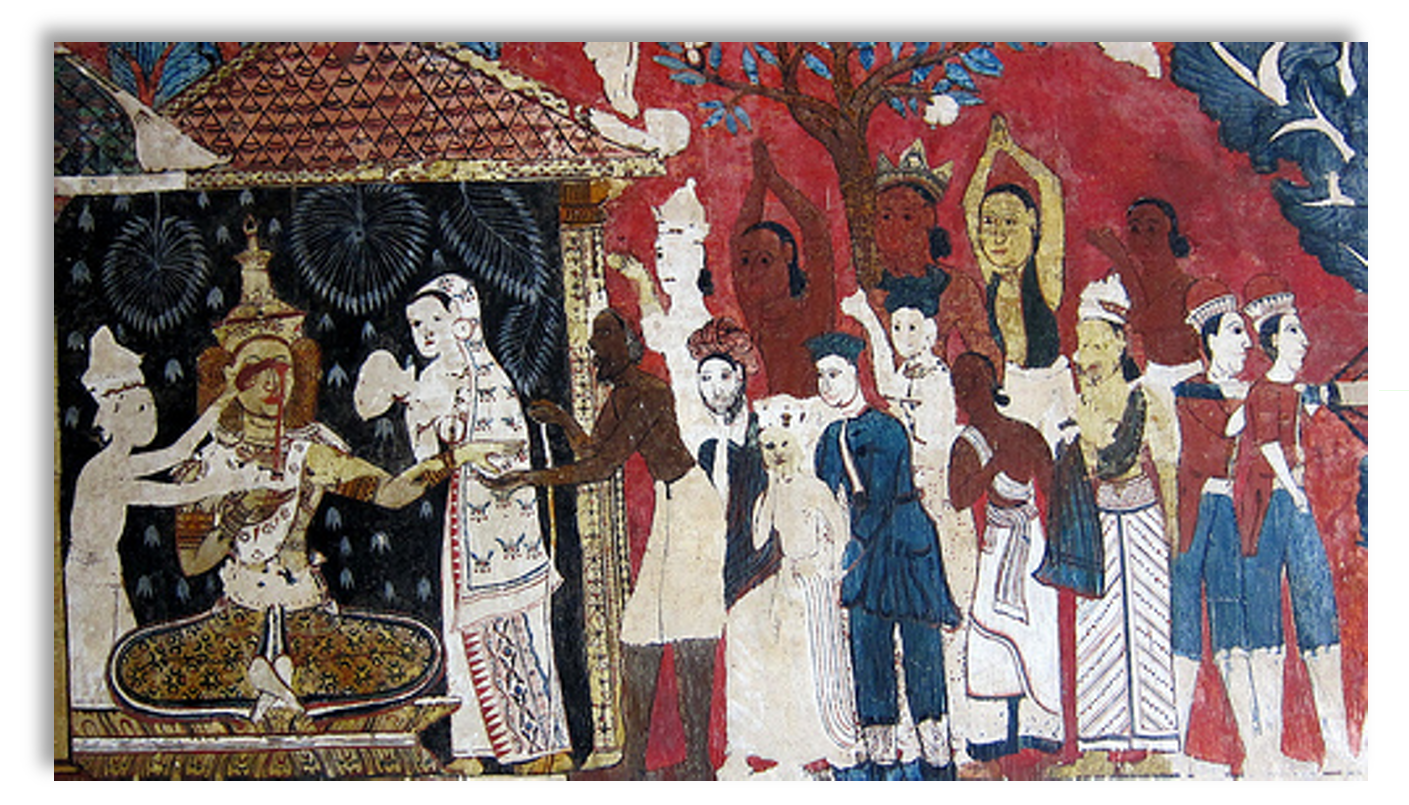
- P: the proportion of the value given in relation to one's wealth is another factor
- It raises the question of whether we should evaluate the compassion of the amount offered against the portion of net worth given, or if these two facets should be treated separately in the literature.
- mem aid: VIP
- deyyadhamma vs dānajjhāsaya vs paṭiggāhaka - how do they impact the donation?
- if deyyadhamma is modest, but the dānajjhāsaya is strong and the paṭiggāhaka is virtuous, the donation's impact can be substantial - as exemplified by the velāmasutta, Sakka's verse and the Akitticariyā
- velāmasutta to Anāthapiṇḍika (5 factors) - Lūkhañcepi, gahapati, dānaṃ deti paṇītaṃ vā,
- tañca sakkaccaṃ deti,
- cittīkatvā deti,
- sahatthā deti,
- anapaviddhaṃ deti,
- āgamanadiṭṭhiko deti.
Yattha yattha tassa tassa dānassa vipāko nibbattati, uḷārāya bhatta... vattha...yāna...pañcasu kāmaguṇesu bhogāya cittaṃ namati. Yepissa te honti...aññā cittaṃ upaṭṭhapenti.
Taṃ kissa hetu? Evañhetaṃ, gahapati, hoti sakkaccaṃ katānaṃ kammānaṃ vipāko.
- Sakka:
Natthi citte pasannamhi
appakā nāma dakkhiṇā,
Tathāgate vā sambuddhe
atha vā tassa sāvake.
When the mind is pleased, no offering made to the Buddha and noble disciples is little (it will bring great results)
- akitticariyā
- King Brmdt, Benares; Bshst is born in a rich family with 800M and is named Akitti; parents pass away; while counting the inheritance he feels saṁvega thinking that they left all this behind and decides to "take it and go", in the sense of making merit with it so that it is fruitful in saṁsāra; informes the king; offers for 7 days; leaves the house with his sister leaving everything behind as offered; akittidvāra, akittitittha; many followers; he leaves alone to the country of Tamil; in a garden attains jhānas and abhiññās; gain many offerings; flies to Kāra dīpa/ Ahi dīpa; lives under a kāra tree in a kuṭi made with leaves; sustains himself only with the fruits and boiled leaves of the tree; paṇḍukambala hot; Sakka comes as a brahmin and asks for his boiled leaves; he elated offers it wishing for sabbaññutañāṇa; this happens for 3 days and he spends the time without eating, happy; his simple donation with uḷārajjhāsaya produced much merit
- dānajjhāsaya→dāne ajjhāsayo dānajjhāsayo - the inclination / disposition to giving
- developed by 4 things:
- developing right view of kamma-vipāka on dāna
- reflecting on the disadvantages of stinginess
- reflecting on the benefits in giving
- giving frequently
- 10 ajjhāsayas of bdhst: 62 D-ṭ. I. 74-76
- dakkhiṇeyya
- recipients who are deserving of dakkhiṇā
- recipients to whom dakkhiṇā should be given in order to reap the desired result
- note:
- they purify the donation:
- Taṃ dakkhiṇaṃ arahati, dakkhiṇāya vā hito yasmā naṃ mahapphalakaraṇatāya visodhetīti dakkhiṇeyyo” (Vsm)
- SSB is the aggadakkhiṇeyya
Saṅgha is the foremost group of dakkhiṇeyya - 'te dakkhiṇeyyā sugatassa sāvakā'
- taṃ dakkhiṇaṃ arahatīti dakkhiṇeyyo, bhikkhusaṅgho
- dāyaka
- definition→a person who makes donations, usually often - dāyakoti dānasīlo - considered brave in giving - dāyakoti dānasūro
- vocab: #[[pāḷi vocab (2nd year)]]
- sūra [√sur + *a]↔adj. bold; brazen; valiant; heroic; courageous; 2 masc. hero; champion; warrior; 3 masc. sun
- saddho dāyako dānapati
- saddho: a person who has strong faith in the capacity of the dāna cetanā to yield good results as if he had seen it for himself
- dāyako: is bold in giving (dānasūra) - giving up attachments - and gives frequently
- dānapati: gives the best to the others while depending on ordinary requisites - which relies on a sharp understanding of the law of kamma
- note:
- most dānapatīs have unbroken precepts, but what happens to those who give frequently but do not observe sīla?
- they tend to be reborn as animals, but in good conditions, such as royal horses or royal elephants
- IIT - Nissayamuttaka Course
- greatest donors in this sāsana
- Anāthapiṇḍika
- offered the Jetavana monastery
cost: 540 million coins - 180 million coins for each step: buying the land, building the monastery, and conducting the ceremony of offering it to the Saṅgha led by the Buddha.
offered food daily to 2,000 monks at his residence. Etadagga Pāḷi:
- Etadaggaṃ, bhikkhave, mama sāvakānaṃ upāsakānaṃ dāyakānaṃ yadidaṃ sudatto gahapati anāthapiṇḍiko.
- Visākhā
- bought her own magnificent jewelry, mahālatāpasādhana, dedicating 90 M gold coins for the Saṅgha led by the Buddha.
offered the Pubbārāma monastery
cost: 180 M gold coins
total: 270 M gold coins
offered food daily to 2,000 monks at her residence
Etadagga Pāḷi:
- Etadaggaṃ, bhikkhave, mama sāvikānaṃ upāsikānaṃ dāyikānaṃ yadidaṃ visākhā migāramātā.
- Emperor Asoka
- period: 3rd century BCE (200~ after Parinibbāna) and became buddhist due to Nigrodha sāmaṇera
comm.: offered 84,000 pagodas
cost: 960 M gold coins
each symbolizing one dhammakkhandha and offered them all at once
his significant patronage played a crucial role in spreading the Dhamma
- asadisadāna #[[suttanta exam ]]
- summary
- ministers Kāḷa and Juṇha; Kāḷa was unhappy with the asadisadāna thinking it was a deterioration of the royal family and thinking bad of the saṅgha; Juṇha was delighted and rejoiced in the King's merits; after the dāna, the Buddha reflected on the mental states of the people and saw the ministers; He understood that if He gave the anumodanā talk, Kāḷa's head would split in seven, but Juṇha would attain sotāpatti; pitying Kāḷa He gave only a 4 line verse and returned to the monastery; the King, bewlindered by His behavior, thought he had made a mistake and visited the Buddha; the Buddha explained the reason and, after questioning Kāḷa, the King banned him from the country and offered Juṇha kingship for 7 days; the Buddha uttered the verse "na ve kadariyā..."
- verse uttered by the Buddha‒na ve kadariyā...
- Na ve kadariyā devalokaṃ vajanti,
A kadariya person never goes to the divine realms.
Bālā have nappasaṃsanti dānaṃ,
A fool never praises donations.
Dhīro ca dānaṃ anumodamāno,
A wise person rejoicing in donations,
Teneva so hoti sukhī parattha.
enjoys divine pleasures due to his rejoice
- vajati [√vaj + a + ti]↔pr. (+acc) goes; goes to
- only one occurs in each sāsana
always organized by a lady
done by Queen Mallikā and King Pasenadī Kosala
both made the offering
140M coins spent in one day
the King said: “Bhante, yaṃ imasmiṃ dānagge kappiyabhaṇḍaṃ vā akappiyabhaṇḍaṃ vā, sabbaṃ taṃ tumhākameva dammi”
note: Vessantara's donation of wife and children surpasses this one
- vocab: #[[pāḷi vocab (2nd year)]]
- dānagga nt.→place where alms are given
- paṭiggāhaka
- 3 fundamentals with regard to the paṭiggāhaka
- they do not need to know smth is being offered to them in order for the dāna to be complete
- they do not have to be living in order for the dāna to be complete; gāthā for Vv: "Tiṭṭhante...:
- Tiṭṭhante nibbute cāpi
same citte samaṃ phalaṃ
Cetopaṇidhihetu hi
sattā gacchanti suggatiṃ. (Vv)
when one is living and even when one is dead,
when the mind is the same, the fruit is the same,
because of proper intention indeed
beings go to a good destination
- "whether one actually sees the Buddha in person or not, if the mind is fixed on him, it has the same effect as the intention is the same. Many beings go to celestial realms because of this correct attitude, although they do not actually see him.”
- donations are traditionally made to non-living things such as relics and the Bodhi Tree: according to the story of the origin of the threefold cetiya, it seems that these things were introduced by the Buddha as His representatives - however, within the tradition, offerings seem to be made directly to them, not as His representatives
- I always thought of them as representatives. Is it really ok not to think so? can it be considered a fundamental? #q🙋🏼♂
- dakkhiṇavibhaṅgasutta
- background
- Buddha at: Nigrodhārama monastery at Kapilavatthu
Mahā Pajāpatī Gotamī visited him with a set of two robes she made herself and offered it to the Buddha
after she offers the robes, the Buddha says: "saṅghe, gotami, dehi. saṅghe te dinne ahañceva pūjito bhavissāmi saṅgho cā"ti
V. Ānanda reminded the Bdh about the assistence she gave Him, and reminded her about the assistence He gave her; the Bdh teaches the individuals who are not easy to repay (bahūpakāra), the 14 puggalikadānas, 7 saṅghikadānas, dakkhiṇāvisuddhis...
- 2 misunderstandings about the passage in which the Buddha instructs MPGotamī to give the robes to the Saṅgha refuted in the commentaries
- offering to the Saṅgha is higher than offering to the Buddha
- the Buddha is included in the Saṅgha: then there would only be 2 ratana
- note:
- His intention was to make her donation higher
- in the end her donation became Buddhapamukhasaṅghikadāna
- 6 cetanās were accumulated and the kamma became more fruitful
- if she did not complete the donation to the Buddha, why is that cetanā included? #q🙋🏼♂
- vocab: #[[pāḷi vocab (2nd year)]]
- dussayuga [dussa + yuga] nt.↔set of cloth; suit of clothes; pair of garments
- kanta↔cut
- bahūpakāra [bahu + upakāra]:↔adj. (+dat) extremely helpful (for); very useful (for); highly supportive (of); lit. doing so much
- āpādika nt.↔water, etc. ; fem. nurse, foster-mother
- posikā [√pus] fem.↔nurse, step-mother
- janettī [√jan] fem.↔mother (w/j)
- aveccappasāda [avecca + pasāda] masc.↔perfect clarity; absolute faith
- ariyakanta [ariya + kanta] adj.↔appreciated by the noble ones; agreeable to the noble ones
- nikkaṅkha [nir + √kaṅkh + a] adj.↔doubtless; confident
- suppatikāra [su + pati + √kar + *a] masc.↔easy to payback; easy to recompensate
- Mahāpajāpatī Gotamī's story
- Mahāpajāpatī Gotamī, a Koliyan princess of the Gotama clan, was destined for greatness since birth, prophesied to bear a child of remarkable stature . If the child were to be a girl - she would become the chief queen of a universal monarch - should it be a son - a universal monarch - and in either cases, she would become a leader of a great retinue, and for that fact she was called so - leader (pati) of a grand (mahā) retinue (pajā).
Married to King Suddhodana, she became the mother of Princess Rūpananda and Prince Nanda, and later cared for the Bodhisatta after Queen Mahāmāyā's passing. When the Bodhisatta left seeking enlightenment, she felt sadness but later rejoiced at his return as the Sammāsambuddha.
Driven by devotion, Mahāpajāpatī personally crafted two robes for the Buddha, showcasing her love and dedication and carried them on a fragrant casket on her head to the monastery. She became a stream-enterer during the Buddha's visit to Kapilavatthu and, after King Suddhodana's death, sought ordination as a bhikkhunī, becoming the first in the sāsana to do so. Revered as "buddhamātā," she earned widespread respect from monks, nuns, and lay followers.
Before her passing, Mahāpajāpatī expressed gratitude for her title as "Buddha Mother," a rare and esteemed honor, saying:
"Rañño mātā mahesīti, sulabhaṃ nāmamitthinaṃ,
Buddhamātāti yaṃ nāmaṃ, etaṃ paramadullabhaṃ".
While it's not uncommon for women to be bestowed with titles like "Queen Mother" or "Queen Consort," the distinction of "Buddha Mother" is an exceedingly rare and cherished honor.
Her funeral, attended by the Buddha himself, was grand and dignified. Her life exemplifies the power of love, devotion, and unwavering faith in the pursuit of truth and enlightenment.
- Royal Family
- King Suddhodana
- Mahāpajāpatī Gotamī
- Princess Rūpananda (Janapadakaḷyāṇī)
- Prince Nanda
- Queen Mahāmāyā
- sekkhapaṭisambhidāppatto↔sekhas who possessed paṭisambhidhās
- Ven. Ānanda
- Citta gahapati
- Khujjuttarā
- Visākha gahapati
- Upāli gahapati
- bahūpakāra individuals
- mātāpitaro: first benefactors, mother's care, father's provision, pubbācariya, they are āhuneyya; they have the 4 brahmavihāras towards their children and are therefore called brahma; includes foster parents
- ācariya: teachers, especially the ones who assist in the spiritual path
- saraṇadāyaka: helps one take refuge
- buddhavacanadāyaka: helps one learn the dhamma; uddesācariya, paripucchācariya;
- Yamhā Dhammaṃ vijāneyya
sammāsambuddha desitaṃ
Sakkaccaṃ taṃ namasseya
aggihuttaṃva brāhmaṇo (dhmp)
- pabbajjādāyaka and kammavācācariya: among the monks / nuns involved in one's ordination, highlight is given to the one who gives the pabbajjā (pabbajjācariya) and the one who recites the upasampadā kammavācā (upasampadācariya)
- the journey of laypeople is likened to that of a peacock's flight
the journey of ordained ones is likened to that of a swan
- lokuttaramagga sampāpaka: kammaṭṭhānācariya and ovādācariya
- catupaccayadāyaka: includes dhammadesakabhikkhu
- gilānupaṭṭhāka: considering the great assistance that is given by the attendant monk to a sick monk who died, the Budha gave a special allowance for the requisites of the deceased to be allocated to the attendant by means of a vinayakamma
- note: related suttas: bahukārasutta (II AN), bahurārasutta (III AN), dakkhiṇāvibhaṅga, siṅgālasutta
- individuals who are not easy to repay:
- one who helped someone take refuge under the Triple Gem,
- one who helped someone observe the five precepts,
- one who helped someone develop unwavering faith and virtuous conduct agreeable to the noble ones,
- one who helped someone dispell doubts regarding the Four Noble Truths
- note: Regularly paying homage, demonstrating respect, fulfilling duties, and even offering the four requisites are insufficient to fully repay those who have supported one in achieving the aforementioned spiritual accomplishments.
- puggalikadāna
- "cuddasa kho panimānanda, pāṭipuggalikā dakkhiṇā. katamā cuddasa?
- tathāgate arahante sammāsambuddhe dānaṃ deti – ayaṃ paṭhamā pāṭipuggalikā dakkhiṇā. (the highest - paramadakkhiṇā)
- paccekasambuddhe dānaṃ deti – ayaṃ dutiyā pāṭipuggalikā dakkhiṇā. (also under paramadakkhiṇā)
- tathāgatasāvake arahante dānaṃ deti – ayaṃ tatiyā pāṭipuggalikā dakkhiṇā. (also under paramadakkhiṇā)
- arahattaphalasacchikiriyāya paṭipanne dānaṃ deti – ayaṃ catutthī pāṭipuggalikā dakkhiṇā.
- anāgāmissa dānaṃ deti – ayaṃ pañcamī pāṭipuggalikā dakkhiṇā.
- anāgāmiphalasacchikiriyāya paṭipanne dānaṃ deti – ayaṃ chaṭṭhī pāṭipuggalikā dakkhiṇā.
- sakadāgāmissa dānaṃ deti – ayaṃ sattamī pāṭipuggalikā dakkhiṇā.
- sakadāgāmiphalasacchikiriyāya paṭipanne dānaṃ deti – ayaṃ aṭṭhamī pāṭipuggalikā dakkhiṇā.
- sotāpanne dānaṃ deti – ayaṃ navamī pāṭipuggalikā dakkhiṇā.
- sotāpattiphalasacchikiriyāya paṭipanne dānaṃ deti – ayaṃ dasamī pāṭipuggalikā dakkhiṇā. - includes 9 individuals:
- a lay person who
- has taken refuge in the Triple Gem
- is abiding by the five precepts
- is abiding by the ten precepts
- a sāmaṇera
- an upasampanna
- a dutiful upasampanna
- female sahadhammikas included (tbc) #q🙋🏼♂
- a person who is practicing vipassanā
- a person who has attained the udayabbayañāṇa stage in vipassanā
- a sotāpattimaggaṭṭha person
- bāhirake kāmesu vītarāge dānaṃ deti – ayaṃ ekādasamī pāṭipuggalikā dakkhiṇā.
- puthujjanasīlavante dānaṃ deti – ayaṃ dvādasamī pāṭipuggalikā dakkhiṇā.
- puthujjanadussīle dānaṃ deti – ayaṃ terasamī pāṭipuggalikā dakkhiṇā.
- tiracchānagate dānaṃ deti – ayaṃ cuddasamī pāṭipuggalikā dakkhiṇāti.
- note:
- is it possible to give a dāna to a sotāpattimaggaṭṭha?
- yes, one may attain sotāpattimagga while receiving a donation
- (results expected) "tatrānanda, tiracchānagate dānaṃ datvā
- sataguṇā dakkhiṇā pāṭikaṅkhitabbā,
- puthujjanadussīle dānaṃ datvā sahassaguṇā dakkhiṇā pāṭikaṅkhitabbā,
- puthujjanasīlavante dānaṃ datvā satasahassaguṇā dakkhiṇā pāṭikaṅkhitabbā,
- bāhirake kāmesu vītarāge dānaṃ datvā koṭisatasahassaguṇā dakkhiṇā pāṭikaṅkhitabbā,
- sotāpattiphalasacchikiriyāya paṭipanne dānaṃ datvā asaṅkheyyā appameyyā dakkhiṇā pāṭikaṅkhitabbā,
- ko pana vādo sotāpanne, ko pana vādo sakadāgāmiphalasacchikiriyāya paṭipanne, ko pana vādo sakadāgāmissa, ko pana vādo anāgāmiphalasacchikiriyāya paṭipanne, ko pana vādo anāgāmissa, ko pana vādo arahattaphalasacchikiriyāya paṭipanne, ko pana vādo arahante, ko pana vādo paccekasambuddhe, ko pana vādo tathāgate arahante sammāsambuddhe!
- note:
- comm.: in each life, due to these offerings, the donor will obtain five types of benefits –
- āyu, vaṇṇa, sukha, bala, and paṭibhāna (swift intelligence)
- saṅghikadāna
- satta kho panimānanda, saṅghagatā dakkhiṇā. katamā satta?
- buddhappamukhe ubhatosaṅghe dānaṃ deti – ayaṃ paṭhamā saṅghagatā dakkhiṇā.
- tathāgate parinibbute ubhatosaṅghe dānaṃ deti – ayaṃ dutiyā saṅghagatā dakkhiṇā.
- bhikkhusaṅghe dānaṃ deti – ayaṃ tatiyā saṅghagatā dakkhiṇā.
- bhikkhunisaṅghe dānaṃ deti – ayaṃ catutthī saṅghagatā dakkhiṇā.
- ‘ettakā me bhikkhū ca bhikkhuniyo ca saṅghato uddissathā’ti dānaṃ deti – ayaṃ pañcamī saṅghagatā dakkhiṇā.
- ‘ettakā me bhikkhū saṅghato uddissathā’ti dānaṃ deti – ayaṃ chaṭṭhī saṅghagatā dakkhiṇā.
- ‘ettakā me bhikkhuniyo saṅghato uddissathā’ti dānaṃ deti – ayaṃ sattamī saṅghagatā dakkhiṇā.
- note:
- out of the ones mentioned in the sutta, which donation has the highest capacity to yield great results?
- a buddhappamukha ubhatosaṅgha dāna that even surpasses one made to a Sammāsambuddha alone - but the latter surpasses one made to the saṅgha without the Buddha
- order:
- buddhappamukhaubhatosaṅghadāna
- sammāsambuddhadāna
- saṅghikadāna
- an offering to the saṅgha - even to the kāsāvakaṇṭhā in the future - is immeasurable
- a gift to an individual is never more fruitful than to the saṅgha
- 4 dakkhiṇāvisuddhi: "Catasso kho imā, ānanda, dakkhiṇā visuddhiyo. Katamā catasso?
- atthānanda dakkhiṇā dāyakato visujjhati no paṭiggāhakato:
- dāna from a sīlavanta kalyāṇadhamma donor (or done with uḷāradānajjhāsayatā) to a dussīla pāpadhamma receiver - such as Vessantara's dāna of his children to Jūjaka - simile: like a skilled farmer getting rich crops from a poor soil land
- atthānanda dakkhiṇā paṭiggāhakato visujjhati no dāyakato:
- dāna from a dussīla pāpadhamma donor to a sīlavanta kalyāṇadhamma receiver - such as the three dānas given by the fisherman from Kalyāṇī river to V. Dighasomatthathera and was reborn in sugati as result - simile: like an unskilled farmer getting rich crops from a fertile land
- atthānanda dakkhiṇā neva dāyakato visujjhati no paṭiggāhakato:
- dāna from a dussīla pāpadhamma donor to a dussīla pāpadhamma receiver
- example: such as the Vaḍḍhamāna hunter's three dānas to an unvirtuous person intending to share the merits with a peta (petadakkhiṇā) who did not receive any benefits and cried out in distress (later the hunter gave petadakkhiṇā to a virtuous monk and the peta got benefits immediately)
- simile: like an unskilled farmer getting poor crops from an infertile land
- atthānanda dakkhiṇā dāyakato ceva visujjhati paṭiggāhakato ca –
- dāna from a sīlavanta kalyāṇadhamma donor (or done with uḷāradānajjhāsayatā) to a sīlavanta kalyāṇadhamma receiver
- example: King Kosala and Queen Mallikā's asadisa dāna to the Buddhapamukhasaṅgha
- simile: like an skilled farmer getting rich crops from a fertile land
- 5 gāthās from dakkhiṇāvibhaṅgasutta: "Yo sīlavā...
- Yo sīlavā dussīlesu dadāti dānaṃ,
Dhammena laddhaṃ supasannacitto,
Abhisaddahaṃ kammaphalaṃ uḷāraṃ,
Sā dakkhiṇā dāyakato visujjhati.
- Yo dussīlo sīlavantesu dadāti dānaṃ,
Adhammena laddhaṃ appasannacitto,
Anabhisaddahaṃ kammaphalaṃ uḷāraṃ,
Sā dakkhiṇā paṭiggāhakato visujjhati.
- Yo dussīlo dussīlesu dadāti dānaṃ,
Adhammena laddhaṃ appasannacitto,
Anabhisaddahaṃ kammaphalaṃ uḷāraṃ,
Na taṃ dānaṃ vipulapphalanti brūmi.
- Yo sīlavā sīlavantesu dadāti dānaṃ,
Dhammena laddhaṃ supasannacitto,
Abhisaddahaṃ kammaphalaṃ uḷāraṃ,
Taṃ ve dānaṃ vipulapphalanti brūmi.
- Yo vītarāgo vītarāgesu dadāti dānaṃ,
Dhammena laddhaṃ supasannacitto,
Abhisaddahaṃ kammaphalaṃ uḷāraṃ,
Taṃ ve dānaṃ āmisadānānamaggaṃ.
- mem aid:
- s d ⇒ dāyakato
- d s ⇒ paṭiggāhakato
- d d ⇒ na taṁ dānaṁ vipulapphalanti brūmi
- s s ⇒ taṁ ve dānaṁ
- v v ⇒ āmisadānānamaggaṁ
- note:
- if the dāyaka is virtuous, it is often assumed that they have faith, appreciate the dāna and have acquired the deyyadhamma righteously - the opposite is the case for an unvirtuous dāyaka
- if the dāyaka is an arahant, the dāna is pure due to not being affected by desire or attachment for existence (bhavālaya and bhavapatthanā)
- supasannacitta means
- with great faith in kamma vipāka
- volition and disposition to donate
- respecting the donation, the receiver and giving with one's own hands
- the cetanā is supported by the sīla observed in the mental continuum