Khandhaka Vinaya (Semester III) – Āvuso Obhāsa
- khandhakavinaya - Āvuso Obhāsa
- patta #edited
- introduction
- “Piṇḍiyālopabhojanaṃ nissāya pabbajjā”
- the bowl is essential for a monk to obtain food through alms rounds
- “Na bhikkhave apattako upasampādetabbo, yo upasampādeyya āpatti dukkaṭassa.”
- receiving vessels that are not suited for becoming bowls: anāpatti
- conditions for a bowl to be determined: #q🙋🏼♂
- not too big
- made of the correct material
- smoothened to enable cleaning
- blackened
- not too small
- Khandhakavinaya facts
- Ito paṭṭhāya ca pana yattha yattha nakārena paṭisedho kariyati, sabbattha dukkaṭāpatti veditabbā. Ayañhi khandhakadhammatā.
- Nakārapaṭisaṃyuttesu pana padesu gilānassāpi paṭikkhittakiriyaṃ karontassa dukkaṭameva. (mahāvagga aṭṭhakathā)
- trangressing whatever was forbidden by the Buddha by saying "na": dkṭ even when sick
- vocab: #[[pāḷi vocab (2nd year)]]
- paṭikkhitta [pati + √khip + ta]↔pp. (+instr) forbidden (by); opposed (by); 2 pp. (+acc) refused; rejected
- paṭisedha [pati + √sidh + *e + a] masc.↔(gram) prohibition; exclusion; negation; 2 masc. prohibition, warding off, refusal
- material
- “Na bhikkhave sovaṇṇamayo patto dhāretabbo, na rūpiyamayo...maṇiyamayo...veluriyamayo...phalikamayo...kaṃsamayo...kācamayo...tipumayo...sīsamayo...tambalohamayo...Anujāmi, bhikkhave, dve patte ayopattaṃ mattikāpattanti.”
“Na bhikkhave dārupatto...chavasīsassa dhāretabbo...tumbakaṭāhe...ghaṭikaṭāhe piṇḍāya caritabbaṃ...sabbapaṃsukūlikena bhavitabbaṃ.
Tumbakaṭāhanti lābukaṭāhaṃ vuccati, taṃ pariharituṃ na vaṭṭati. Labhitvā pana tāvakālikaṃ paribhuñjituṃ vaṭṭati. Ghaṭikaṭāhepi eseva nayo.
- 10 + 2 unallowed materials for personal bowls - using them is a dkṭ
- sovaṇṇamayo (gold)
- rūpiyamayo (silver)
- maṇimayo (gems)
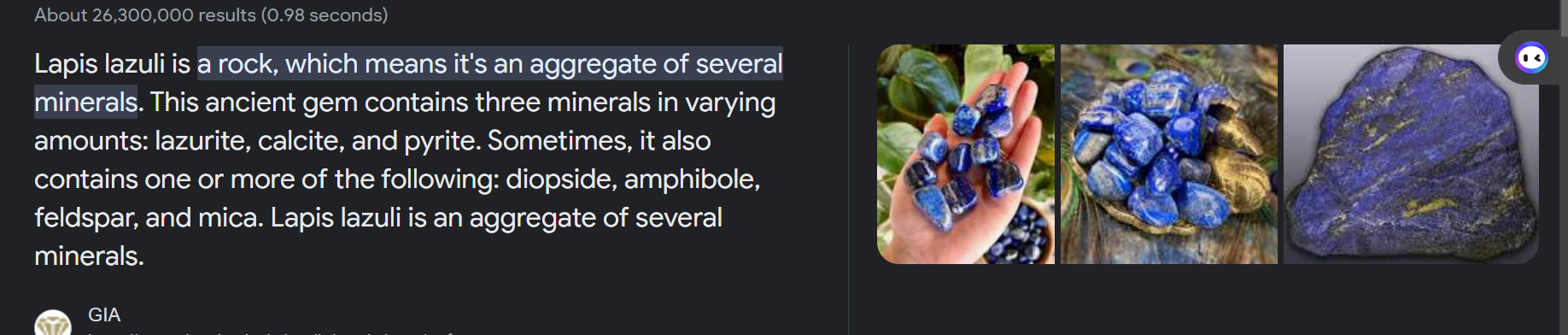
- veḷuriyamayo (lapis lazuli)
- phalikamayo (crystal)
- kaṁsamayo (bronze / brass)
- kācamayo (glass)
- tipumayo (white lead)
- sīsamayo (black lead)
- tambalohamayo (copper)
- 2 extra:
- dārupatto (wood)
- chavasīsa (human skull)
- mem aid:
- a golden bowl, on a silver bowl, on a gem, on a lapis lazuli stone, on a crystal cup, with a bronze medal around it, on a glass table, with tin feet (the feet cross making a T), on a black head, with copper neck rings on its long neck, with a wood, and a skull hanging from it
- 2 allowed materials for personal bowls
- ayo (iron)
- mattikā (clay)
- 2 materials allowed for piṇḍapāta only in emergencies
- tumbakaṭāha (gourds / calabash)palm
- ghaṭikaṭāha (potsherds, a piece of pot)
- note:
- kaṭāho masc.↔pot; pan; cauldron; 2 receptacle, nut-shell
- sabbapaṁsukūlika is not allowed
- vocab: #[[pāḷi vocab (2nd year)]]
- tumbakaṭāha / lābukaṭāha↔calabash, outer crust of a gourd used as a vessel
- ghaṭikaṭāha↔potsherds
- veluriya↔lapis lazuli
- tipu↔white lead / tin
- dāru↔wood
- kaṁsa↔bronze / brass
- kāca↔glass
- tambaloha ("samba loca")↔copper
- chavasīsa↔human skull
- sīsa↔black lead
- size (vaṇṇā)
- “Tayo pattassa vaṇṇā (size) ukkaṭṭho patto majjhimo omako patto.
Ukkaṭṭho nāma patto aḍḍhāḷhakodanaṃ gaṇhāti catubhāgaṃ (1/4) khādanaṃ tadupiyañca vyañjanaṃ.
Majjhimo nāma patto nāḷikodanaṃ gaṇhāti catubhāgaṃ khādanaṃ tadupiyañca vyañjanaṃ.
Omako nāma patto patthodanaṃ gaṇhāti catubhāgaṃ khādanaṃ tadupiyañca vyañjanaṃ.
- t can be considered that the small bowl can hold food sufficient for consumption by a healthy, generally well built Bhikkhu and the medium bowl can hold food sufficient for two and the large bowl can hold enough food for consumption by four. Some of the bowls used at present can be considered as large and medium.
- 3 / 9 bowl sizes (vaṇṇā) and their measures
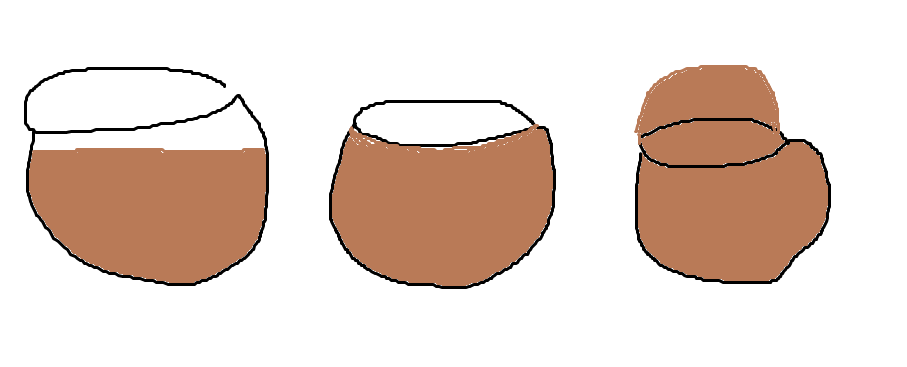
- ukkaṭṭha: 1/2 āḷhaka of raw rice ⇒ cook it ⇒ + 1/4 of the volume of cooked rice of green gram (sūpa), +1/4 curry = 1 1/2 total volume
- ukkaṭṭhukkaṭṭha (not allowed as patta): this volume does not reach the rim
- ukkaṭṭha: it reaches the rim - this should cater for four healthy well-built bhikkhus
- ukkaṭṭhomaka: it goes past the rim
- majjhima: 1 nāḷika + 1/4 + 1/4
- majjhimukkaṭṭha: this volume does not reach the rim
- majjhima: it reaches the rim - this should cater for two healthy well-built bhikkhus
- majjhimomaka: it goes past the rim
- omaka: 1 pattha + 1/4 + 1/4
- omakukkaṭṭha: this volume does not reach the rim
- omaka: it reaches the rim - this should cater for a single healthy well-built bhikkhu
- omakomaka (not allowed as patta): it goes past the rim
- measurements #editing
- āḷhaka→a type of measurement, equals 2 (Magadha)nāḷi
- nāḷi / nāḷikā: name for a measurement; there is no precise definition of it and there are different versions; the one used here is the one used in the Kingdom of Magadha during the Buddha's time (Magadhanāḷi); sīhaḷanāḷikā is 1 1/2of the Magadha's, and the damilanāḷikā (Tamil) is smaller
- Magadhanāḷi
- sīhaḷanāḷi = 1 1/2 magadhanāḷi
- damilanāḷi = 1/2 magadhanāḷi
- 1/2 āḷhaka raw rice = 2 magadhanāḷi
- 1 pattha of raw rice = 1/2 magadhanāḷi
- muṭṭhī→fistful of rawrice #q🙋🏼♂
- pasata→handful (underhand grab)
- extra: #editing
- 1 kuduwā = 4 muṭṭhi
- 8 dukuwa = 1 damiḷanāḷi = 32 muṭṭhī
- 3 damiḷanāḷi = 1 sīhaḷānāḷi (purāṇa)
- 4 damiḷanāḷi (new) = magadhanāḷi
- 1/2 magadhanāḷi - 4 dmilanāḷi purāṇa = pattha lokiya
- patta lokiya = 16 pala
- magadhapattha = 2 pattha lokiya
- omaka - 32 muṭṭhi
- majjhima - 64 muṭṭhi
- ukkaṭṭha - 128 muṭṭhi
- extra information from the comm.
- tayo pattassa vaṇṇāti tīṇi pattassa pamāṇāni. aḍḍhāḷhakodanaṃ gaṇhātīti magadhanāḷiyā dvinnaṃ taṇḍulanāḷīnaṃ odanaṃ gaṇhāti. Magadhanāḷi nāma aḍḍhaterasapalā hotīti andhakaṭṭhakathāyaṃ vuttaṃ. Sīhaḷadīpe pakatināḷi mahantā, damiḷanāḷi khuddakā, magadhanāḷi pamāṇayuttā, tāya magadhanāḷiyā diyaḍḍhanāḷi ekā sīhaḷanāḷi hotīti mahāaṭṭhakathāyaṃ vuttaṃ. catubhāgaṃ khādananti odanassa catutthabhāgappamāṇaṃ khādanaṃ, taṃ hatthahāriyassa muggasūpassa vasena veditabbaṃ. tadupiyaṃ byañjananti tassa odanassa anurūpaṃ macchamaṃsasākaphalakaḷīrādibyañjanaṃ.
- taṇḍula↔raw rice
- damila→tamil
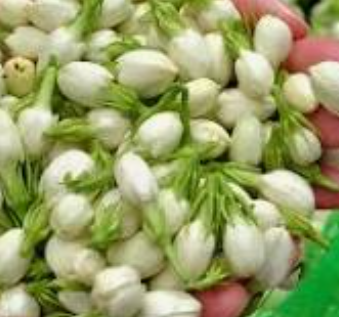
- Tatrāyaṃ vinicchayo (verdict) – anupahata(not broken)purāṇasālitaṇḍulānaṃ sukoṭṭita (ground to remove the husk, but not broken)parisuddhānaṃ dve magadhanāḷiyo gahetvā tehi taṇḍulehi anuttaṇḍulaṃ (evenly cooked) akilinnaṃ (not sticky) apiṇḍitaṃ (without lumps) suvisadaṃ kundamakuḷarāsisadisaṃ (like a heap of jasmine buds) avassāvitodanaṃ (filtered the water) pacitvā niravasesaṃ patte pakkhipitvā tassa odanassa catutthabhāgappamāṇo (a fourth) nātighano (not too compact) nātitanuko (not too diluted) hatthahāriyo (that can be carried by hand) sabbasambhārasaṅkhato (that can be taken fully in a way that does not breaks down and gets divided) muggasūpo (green-gram sūpa) pakkhipitabbo. Tato ālopassa ālopassa (in every mouthful) anurūpaṃ (sufficient, suitable) yāvacarimālopa(last mouthful)ppahonakaṃ (sufficient) macchamaṃsādibyañjanaṃ pakkhipitabbaṃ (should be inserted), sappitelatakkarasa(shaken curd with milk)kañjikādīni pana gaṇanūpagāni na honti, tāni hi odanagatikāneva (behave like rice - get mixed with it), neva hāpetuṃ (to decrease) na vaḍḍhetuṃ (to increase) sakkonti. Evametaṃ sabbampi pakkhittaṃ sace pattassa mukhavaṭṭiyā (rim of the bowl) heṭṭhimarājisamaṃ (it should be even with the rim) tiṭṭhati, suttena vā hīrena vā chindantassa suttassa vā hīrassa vā heṭṭhimantaṃ phusati (the bottom the the thread touches the food), ayaṃ ukkaṭṭho nāma patto. Sace taṃ rājiṃ atikkamma thūpīkataṃ tiṭṭhati, ayaṃ ukkaṭṭhomako nāma patto (if it makes a heap beyond the rim it is ukkaṭṭha omaka). Sace taṃ rājiṃ na sampāpuṇāti, antogatameva hoti, ayaṃ ukkaṭṭhukkaṭṭho nāma patto. (if the food does not reach the rim it is ukkaṭṭha ukkaṭṭha)
- nāḷikodananti magadhanāḷiyā ekāya taṇḍulanāḷiyā odanaṃ. patthodananti magadhanāḷiyā upaḍḍhanāḷikodanaṃ. Sesaṃ vuttanayeneva veditabbaṃ. Ayaṃ pana nāmamatte viseso – sace nāḷikodanādi sabbampi pakkhittaṃ vuttanayeneva heṭṭhimarājisamaṃ tiṭṭhati, ayaṃ majjhimo nāma patto. Sace taṃ rājiṃ atikkamma thūpīkataṃ tiṭṭhati, ayaṃ majjhimomako nāma patto. Sace taṃ rājiṃ na sampāpuṇāti antogatameva hoti, ayaṃ majjhimukkaṭṭho nāma patto. Sace patthodanādi sabbampi pakkhittaṃ heṭṭhimarājisamaṃ tiṭṭhati, ayaṃ omako nāma patto. Sace taṃ rājiṃ atikkamma thūpīkataṃ tiṭṭhati, ayaṃ omakomako nāma patto. Sace taṃ rājiṃ na pāpuṇāti antogatameva hoti, ayaṃ omakukkaṭṭho nāma pattoti evamete nava pattā. Tesu dve apattā ukkaṭṭhukkaṭṭho ca omakomako ca. “Tato ukkaṭṭho apatto omako apatto”ti idañhi ete sandhāya vuttaṃ. Ukkaṭṭhukkaṭṭho hi ettha ukkaṭṭhato ukkaṭṭhattā “Tato ukkaṭṭho apatto”ti vutto. Omakomako ca omakato omakattā tato omako apattoti vutto. Tasmā ete bhājanaparibhogena paribhuñjitabbā, na adhiṭṭhānupagā, na vikappanupagā. Itare pana satta adhiṭṭhahitvā vā vikappetvā vā paribhuñjitabbā, evaṃ akatvā taṃ dasāhaṃ atikkāmayato nissaggiyaṃ pācittiyanti taṃ sattavidhampi pattaṃ dasāhaparamaṃ kālaṃ atikkāmayato nissaggiyaṃ pācittiyaṃ.
- note:
- here the adjective goes after the category ⇒ ukkaṭṭhomaka (the main word being ukkaṭṭha - this is a small size among the big ones)
- tadupiya [tad + upiya] adj.↔suitable for that; appropriate for that
- sūpa / khādana↔thick green-gram porridge of such a consistency that allows it to be taken by the hand while also being soft enough for one to draw a line in it that does not go away by itself
- color
- no color is given but black is suitable
- the iron bowl should be burnt 5 x
the clay bowl should be burnt 2 x
- ayopatto pañcahi pākehi mattikāpatto dvīhi pākehi pakko adhiṭṭhānupago
- the purpose of the burning process is for blackening the bowl
- what about preventing humidity or rust? #q🙋🏼♂
- no procedure is given
- blackening by whatever means is suitable
- promulgations
- allowances: "Anujānāmi, bhikkhave,...
- ...pattamaṇḍalaṃ
- pattamaṇḍalanti tipusīsādimaye pattaṭṭhapanakamaṇḍale. (Vnylkr-ṭ)
- allowed in order to protect the bowl from damage
- it can be attached to the bowl
- ...dve pattamaṇḍalāni – tipumayaṃ, sīsamayaṃ
- vocab: #[[pāḷi vocab (2nd year)]]
- tipu↔lead / tin
- sīsa↔lead
- ...likhituṃ
- thanukaraṇatthāya→to make it thinner #[[pāḷi vocab (2nd year)]]
- likhituṃ [√likh + ituṃ] inf.↔(+acc) to paint; to draw; 2 to write, to inscribe; 3 to carve, to scratch #[[pāḷi vocab (2nd year)]]
- ...makaradantakaṃ chindituṁ
- makaradantakaṁ nt.↔(of interior decoration) sword-fish tooth pattern; shark’s tooth pattern #[[pāḷi vocab (2nd year)]]
- makaro masc.↔sea-monster; shark; sword-fish
- ...pakatimaṇḍalaṃ
- ...vodakaṃ katvā otāpetvā pattaṃ paṭisāmetuṃ
- vocab: #[[pāḷi vocab (2nd year)]]
- vodaka→adj. free from water
- otāpeti↔pr. dries; suns
- paṭisāmeti [pati + √sam + *e + ti]↔pr. (+acc) sets in order; clears away; tidies up
- tradition: if washed with hot water, the heat removes the water thoroughly
- ...muhuttaṃ uṇhe otāpetvā pattaṃ paṭisāmetuṃ
- ...pattādhārakaṃ
- vocab: #[[pāḷi vocab (2nd year)]]
- pattādhāraka→bowl stand
- bhūmiādhāraka / valayādhāraka↔a small circular stand, rim, close to the ground
- dāruādhāraka↔a wooden log with a concave surface in which up to 2 bowls can be kept
- tidaṇḍādhāraka↔tripod-bowl stand - only a single bowl is allowed and only while holding the bowl
- bahudaṇḍādhāraka↔stand made with several sticks - up to two bowls are allowed
- pattādhārakanti ettha “dantavallivettādīhi kate bhūmiādhārake tayo, dāruādhārake dve patte uparūpari ṭhapetuṁ vaṭṭatī”ti kurundiyaṁ vuttaṁ.
Mahāaṭṭhakathāyaṁ pana vuttaṁ – “bhūmiādhārake tiṇṇaṁ pattānaṁ anokāso, dve ṭhapetuṁ vaṭṭati (smtpsdk)
- vocab: #[[pāḷi vocab (2nd year)]]
- number of piled up bowls allowed on each stand (2 opinions: Kurundī and Mahāaṭṭhakathā)
- Kurundī
- bowl stand made of ivory, creepers, cane, etc: 3 bowls
- bowl stand made of wood: 2 bowls
- Mahāaṭṭhakathā (the one being followed here)
- any bowl stand: maximum 2 bowls
- on the ground
- piling bowls
- only one bowl is allowed - up straight or upside down as well - (if a second bowl is upside down and has one end on the ground and the other end on the other bowl, it is acceptable)
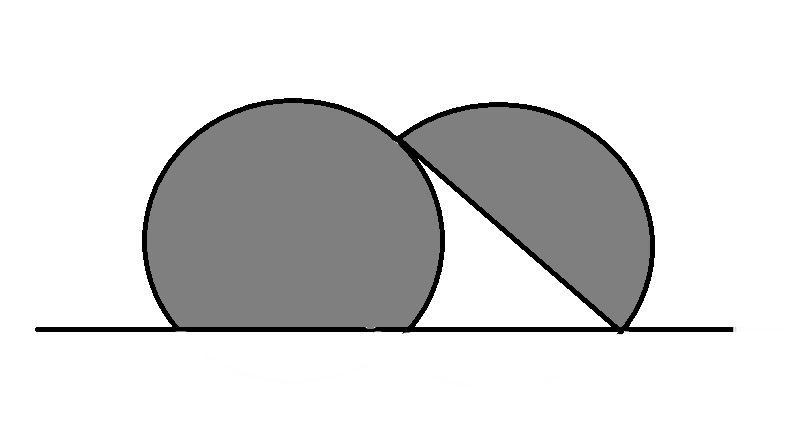
- in the passage of maha aṭṭhakatha it says upside down. is upright allowed? #q🙋🏼♂
- 2 allowable / 6 unallowable grounds for keeping the patta
- 2 allowable
- smooth (smooth cement, clay formed in water, lime, plaster, mortar, etc)
- clean sand (washed)
- 6 unallowable (without any protection)
- rough
- dirty sand
- dusty
- with pebbles, stones
- soil
- with potsherds
- mem aid: only smooth surfaces and clean sand is allowed
- bhikkhū chamāya pattaṃ nikkujjanti. oṭṭho ghaṃsiyati. Bhagavato etamatthaṃ ārocesuṃ.
- At that time the monks put their bowls upside down on the ground. The edge of the bowls were scratched. (followed by allowances for grass, cloth, etc)
- keeping the bowl on the ground without covering is allowed or not? #q🙋🏼♂
- ...tiṇasanthāraka”nti...Tiṇasanthārako upacikāhi khajjati.
- A spread / mat of grass is allowed. The grass was eaten by termites.
- ...coḷaka”nti...Coḷakaṃ upacikāhi khajjati.
- A piece of cloth is allowed. The cloth was eaten by termites.
- ...pattamāḷaka”nti...Pattamāḷako paripatitvā patto bhijjati.
- pattamāḷakan'ti pattassa ṭhapanatthāya kataṁ aṭṭaṁ, (Pācittiyayojanā)
- pattamāḷaka↔a platform made for the purpose of placing the bowl #q🙋🏼♂
- what is aṭṭa here? #q🙋🏼♂
- 2 allowable materials for pattamāḷaka (platform for bowls)
- iṭṭhakā (bricks, tiles)
- dāru (wood)
- note:
- pattamāḷakaṁ iṭṭhakāhi vā dārūhi vā kātuṁ vaṭṭati (smtpsdk)
- iṭṭhakā [√indh + ta + kā] fem.↔brick; fired brick; lit. burnt; 2: tile #[[pāḷi vocab (2nd year)]]
- ...pattakuṇḍolika”nti...Pattakuṇḍolikāya patto ghaṃsiyati.
- pattakuṇḍolika #[[pāḷi vocab (2nd year)]]
- a pot for goods in the shape of a pot with a large mouth
- pattakuṇḍolikāti mahāmukhakuṇḍasaṇṭhānā bhaṇḍakukkhalikā vuccati (smtpsdk)
- ghaṃsati↔pr. rubs; grinds #[[pāḷi vocab (2nd year)]]
- ...pattathavika”nti...Aṃsabaddhako na hoti.
- pattathavikā f.↔a bowl bag / case, purse, knapsack #[[pāḷi vocab (2nd year)]]
- aṁsabaddhaka↔a shoulder strap
- ...aṃsabaddhakaṃ bandhanasuttaka”nti.
- bandhanasuttaka↔string for fastening
- ...paṭiggahaṃ
- paṭiggaha [pati + √gah + a] masc.↔receptacle; container; lit. taking back; accepting; 2 masc. spittoon #[[pāḷi vocab (2nd year)]]
- prohibitions: "Na, bhikkhave,...
- ...uccāvacāni (luxurious) pattamaṇḍalāni dhāretabbāni
- ...citrāni pattamaṇḍalāni dhāretabbāni rūpakākiṇṇāni bhittikammakatāni
- citra [√cit + ra] ✓ nt.↔beautiful; delightful; wonderful; (comm) various sense objects; 1.2 adj. varied; different; diverse; 1.3 adj. decorated; beautiful; adorned; 1.4 nt. painting, picture; 2.1 mind, thought
- ...saudako patto paṭisāmetabbo
- paṭisāmetabba [pati + √sam + *e + tabba]↔ptp. should be set in order; should be cleared away; should be tidied up; lit. to be caused to set in order
- ...saudako patto otāpetabbo
- ...uṇhe patto nidahitabbo
- nidahitabbo? #q🙋🏼♂
- the bowl should not be kept in the sun / fire for a long time
- the bowl must be kept in the sun for a short time and removed when hot
- ...mīḍhante patto nikkhipitabbo
- Miḍḍhanteti ālindakamiḍḍhikādīnaṁ ante (smtpsdk)
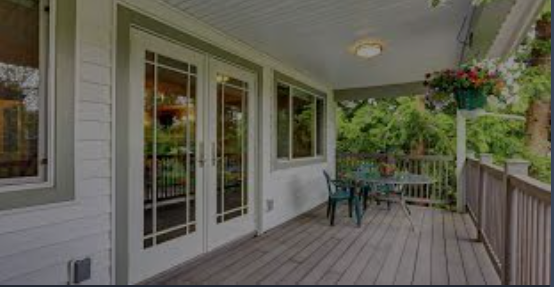
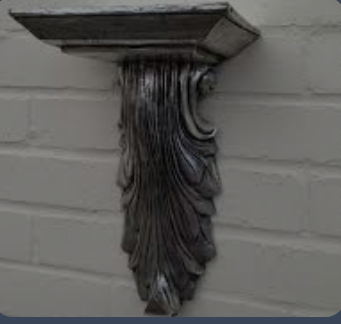
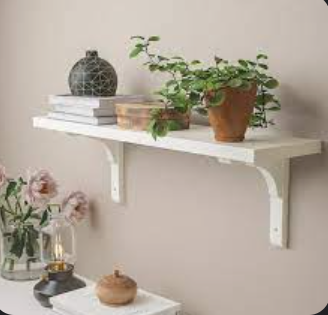
- miḍḍha↔porch bench that is present in some porches; the whole veranda / porch can be taken as miḍḍha, so any elevated surface that can be used for walking / keeping things; ledge; plinth of the inner wall; stage
- ālinda↔porch
- is keeping it more towards the center of a miḍḍha in a way that if the bowl were to turn over, it would still remain in the miḍḍha→allowable
- minimum distance from the edge of the miḍḍha (without stand)→1 hattha / dvipattamattokāsa - where one does not have doubt whether it will fall or not (can be applied to tables - vjrbd)
- dvipattamattokāsa↔the space occupied by two bowls side by side
- keeping it on the miḍḍhanta on a stand→allowable (srtdpn)
- there are no direct statements about tables
- keeping it on a miḍḍha with protective edges→allowable - includes keeping it in the bowl cover itself
- is keeping it on a table allowed?→if the table is dedicated for other things, it is not allowed, but if the table or part of it is dedicated for bowls it is allowed
- shouldn't it be dvipattamattokāsa from the table's edge? #edited #q🙋🏼♂
- ...paribhaṇḍante patto nikkhipitabbo
- paribhaṇḍa↔supporting half walls in some houses; half-wall ledge; Kaioruwa (Ledge)
- paribhaṇḍanteti bāhirapasse katāya tanukamiḍḍhikāya ante (smtpsdk)
- Paribhaṇḍante means on the edge of a veranda made under the external eave
- Tanukamiḍḍhikāyāti vedikāya (vmtvndnṭ)
- On a small veranda means on a stage
- note: on any such edges, it is not allowed
- ...patto laggetabbo
- laggeti↔pr. hangs on, sticks to
- laggetabbo here means
- hanging the bowl by its mouth on poles, wall pegs and the like - it does not mean putting it in the bag and hanging it from the strap
- note:
- lagganaṁ nāma koṭidaṇḍakoṭiyā vā (at the edge of a pole), nāgadantakoṭiyā vā (tusk peg) pattamukhena pakkhipitvā lagganaṁ nāma (vnyvncyṭ)
- laggentassa dukkaṭaṁ iti kevalaṁ (without anything, mere) pattaṁ laggentassa, na thavikāya laggentassa vadanti (vimativinodanī)
- bhittikhilepi nāgadantakepi
- bhittikhilo masc. [bhitti + khila]↔peg on a wall; lit. wall post
- nāgadantako masc.↔peg; hook, maybe elephant-tusk peg
- hanging the bowl from one hand as if on a peg→better not to do it; sayadawgyi does not favor it
- keeping it on the bowl bag and hanging it by the strap on a peg, chair, backrest→if it is in a way that it cannot fall off it is allowed - chairs / backrests should not be without any protuberances that help keep the strap from falling off
- ...pīṭhe patto nikkhipitabbo
- pīṭhaṁ nt.↔chair, bench, stool, seat
- is it allowed if the bowl is on a stand?→no
- keeping it on a pīṭha that is not dedicated for sitting→not allowed
- ...mañce nikkhipitabbo
- keeping it on the bed with the stand→not allowed
- keeping it on a bed not used for sleeping→not allowed
- ...aṅke patto nikkhipitabbo
- aṅka masc.↔lap [√añc + a]
- is it allowed keeping it on the lap while holding it with one hand / while it hangs from one's shoulder?→both of these are allowable
- ...chatte patto nikkhipitabbo
- chatta here means→keeping the bowl on an opened umbrella (tbc)
- is it on the floor, or hanging from the umbrella, or how? #q🙋🏼♂
- ...pattahatthena kavāṭaṃ paṇāmetabbaṃ
- doing so while the bowl hangs from the shoulder→allowed
- paṇāmetabbaṁ here means→opening / closing / locking / unlocking doors / windows
- doing so while holding the bowl with other body parts→not allowed, any body part is included
- pattahattha↔the one who has the bowl in hand - not the hand that holds the bowl
- kavāṭaṁ nt.↔door panel; window pane
- paṇāmeti↔pr. dismisses, ejects, shuts, stretches out
- ...calakāni vā aṭṭhikāni vā ucchiṭṭhodakaṃ vā pattena nīharitabbaṁ
- holding any clean vessel (not soiled with food) - including the patta - with a soiled hand→dkṭ
- holding the bowl with the left hand and washing it with the soiled right hand→allowed
- method for holding the bowl with the soiled hand→comm. allows one to add water with the clean hand to the bowl, and with the soiled hand, take some water and drink at least one sip; after that the bowl is not clean anymore, and one can hold it with the soiled hand
- is the bowl is used for drinking water, is it then considered as soiled, or does it have to be food? #q🙋🏼♂
- aṭṭhikāni here means→bones and seeds that have been removed from the mouth and are to be discarded - it does not include bones and seeds removed with one's hands in the bowl
- removing something from the mouth and keeping it in the bowl intending to consume it later→allowed
- vocab: #[[pāḷi vocab (2nd year)]]
- calakaṁ nt.→food spat out after being chewed
- ucchiṭṭha [ud + √sis + ta]↔pp. rejected; leftover; 2 pp. spat out [ud + √sis + ta]; 3 pp. covered in food remains; lit. leftover; includes the water used for washing any body part
- nīharitabba [nī + √har + itabba]↔ptp. should be removed; should be carried out; taken outside; lit. to be carried out
- aṭṭhikaṁ↔bones, seeds
- washing and storage
- Bhuttāvissa udakaṃ datvā pattaṃ paṭiggahetvā nīcaṃ katvā sādhukaṃ appaṭighaṃsantena dhovitvā vodakaṃ katvā muhuttaṃ uṇhe otāpetabbo, na ca uṇhe patto nidahitabbo. Pattacīvaraṃ nikkhipitabbaṃ. Pattaṃ nikkhipantena ekena hatthena pattaṃ gahetvā ekena hatthena heṭṭhāmañcaṃ vā heṭṭhāpīṭhaṃ vā parāmasitvā patto nikkhipitabbo. Na ca anantarahitāya bhūmiyā patto nikkhipitabbo. (mhvg)
- give water, take the bowl, wash it without knocking it, wipe it, heat it up but not too much, store bowl and robe, check with one hand under the bed / chair and keep the bowl there but not without some protection
- anantarahita↔pp. bare; uncovered; unconcealed; lit. not disappeared
- adhiṭṭhāna
- 4 conditions for a bowl to be adhiṭṭhānūpaga vikappanūpaga - all must be fulfilled #q🙋🏼♂
- fully paid for: the bowl must have been fully paid for
- material: iron or clay
- size: ukkaṭṭhukkaṭṭha and omakomaka are not allowed - the other seven sizes are allowed
- burning: burnt at least 5 times for iron bowls or 2 times for clay bowl
- the oil is not compulsory for adhiṭṭhāna #q🙋🏼♂
- mem aid: in the order it would happen: one buys the material (fully paid), the material, it is made the right size, it is then burnt
- note:
- ayopatto pañcahi pākehi mattikāpatto dvīhi pākehi pakko adhiṭṭhānupago, pāke ca mūle ca niṭṭhiteyeva adhiṭṭhānupago hoti.
- only a bowl that fulfils the conditions for adhiṭṭhāna can be atirekapatta
- how to perform the adhiṭṭhāna
- bodily: while touching the bowl, thinking "Imaṁ pattaṁ adhiṭṭhāmi"
- verbally:
- when the bowl is nearby, uttering "Imaṁ pattaṁ adhiṭṭhāmi"
- when the bowl is somewhere else, uttering "Etaṁ pattaṁ adhiṭṭhāmi"
- note:
- it can be done by oneself or in the presence of another monk - the latter having the advantage of having a witness in order to dispell any later doubt that may arise about whether the item was determined or not
- what is the maximum number of bowls one may use?→10 - because one cannot determine multiple bowls in one single day - the days are counted by dawns, so 11 bowls is not possible without one of them becoming nissaggiya
- does this principle apply to robes as well? #q🙋🏼♂
- IIT - Nissayamuttaka Course
- paccuddharaṇa / paccuddhāra
- paccuddharaṇa with the bowl in hand / somewhere else
- with the bowl in hand: saying, “Imaṃ pattaṃ paccuddharāmi”
- with the bowl somewhere else: saying, “Etaṃ pattaṃ paccuddharāmi”
- is there the option of determining bodily only thinking if the bowl is in one's hand? #q🙋🏼♂
- can a second bowl be determined?→no, the determination of the previous bowl must be relinquished first
- vikappana
- definition
- vikappiyate vikappanā
- disciplinary act done to keep / use extra bowls and robes without them becoming nissaggiya; lit. causing to be suitable
- notes:
- saṅkappanaṁ cintanaṁ (thinking)
- not donating / giving, just thinking because of the words (mayhaṁ santakaṁ)
- with whom can vikappanā be done?
- any of the 5 sahadhammikas
- what is paccuddhāra in the vikappana procedure?
- the optional second step of the process that consist of the second monk allowing the first one to use the item according to his wish
- 2 types of vikappana
- sammukhāvikappana ‒ 2 types
- with a present sahadhammika
- one takes the atirekapatta / cīvara to a sahadhammika, crouches with ekaṁsa robes, and with the item in hand does the vikappana by saying:
“Imaṃ pattaṃ / cīvaraṁ tuyhaṃ vikappemi” (singular, in hand)
(/ ime patte - plural, in hand)
(/ etaṁ pattaṁ - singular, somewhere else)
(/ ete patte - plural, somewhere else)
at this point it can be kept but not used (unless with vissāsaggāha or tāvakālikaggāha)
(optional) paccuddhāra: the second sahadhammika gives it back saying:
"Mayhaṁ santakaṁ paribhuñja vā vissajjehi vā yathāpaccayaṁ vā karohi"
(/ santake - plural)
(/ karotha - if senior)
it can then be used in any way
- with an absent sahadhammika
- A says to sahadhammika B:
“Imaṃ pattaṃ Tissassa (C) bhikkhuno vikappemi”
(/ Tissāya bhikkhuniyā / sikkhamānāya / sāmaṇerassa / sāmaṇeriyā)
(optional) paccuddhāra: the sahadhammika B gives it back saying:
“Tissassa bhikkhuno (B) santakaṃ paribhuñja vā vissajjehi vā yathāpaccayaṃ vā karohi”
- parammukhāvikappana
- sahadhammika A hands the patta to B and B does the vikappana with C (who is a friend of A)
- A hands over the patta to B saying: “(imaṁ pattaṁ / cīvaraṁ) tuyhaṃ vikappanatthāya dammi”
B asks A: “ko te mitto vā sandiṭṭho vā?”
A answers B: “tisso bhikkhu (C)"
B does vikappana with the absent C: “ahaṃ tissassa bhikkhuno dammi"
B does paccuddhāra: “itthannāmassa santakaṃ paribhuñja vā vissajjehi vā yathāpaccayaṃ vā karohi”
- notes:
- vikappitavikappana
- it is the vikappana of what has already been vikappita - after A does the vikappana with B, B is not skillful in paccuddhāraṇa, so A does it again with C
- note:
- vinayalaṅkāra: paccuddharaṇa has to be done immediately after vikappanā (this seems to be just because doing it later is not mentioned; not discussed deeply)
- differences in the vikappana for robes (wording / status of the robe / size)
- simply use the word cīvara instead of patta
- it cannot be done for any determined robe (vassikasāṭika is an exception [confirm]) #q🙋🏼♂
- minimum size: 8 x 4 sugataṅguli – Anujānāmi, bhikkhave, āyāmena aṭṭhaṅgulaṃ sugataṅgulena caturaṅgulavitthataṃ pacchimaṃ cīvaraṃ vikappetunti
- difference between sammukhā and parammukhāvikappanā?
- in sammukhā, A does the vikappana himself and makes B do the paccuddhāra, while in parammukhā, A makes B do both the vikappana and paccuddhāra
- can the other monk use the robe? normally the rule is applicable to you. not discussed
- vissajjana of patta
- what is it?
- "vissajjetīti aññassa deti" - vissajjana is giving the bowl to another monk permanently
- Kathaṃ pana dinnaṃ hoti, kathaṃ gahitaṃ? “Imaṃ tuyhaṃ demi dadāmi dajjāmi oṇojemi pariccajāmi nissajjāmi vissajjāmīti vā “Itthannāmassa demi…pe… nissajjāmī”ti vā vadati, sammukhāpi parammukhāpi dinnaṃyeva hoti. “Tuyhaṃ gaṇhāhī”ti vutte “Mayhaṃ gaṇhāmī”ti vadati, sudinnaṃ suggahitañca. “Tava santakaṃ karohi, tava santakaṃ hotu, tava santakaṃ karissasī”ti vutte “Mama santakaṃ karomi, mama santakaṃ hotu, mama santakaṃ karissāmī”ti vadati, duddinnaṃ duggahitañca. Neva dātā dātuṃ jānāti, na itaro gahetuṃ. Sace pana “Tava santakaṃ karohī”ti vutte “Sādhu, bhante, mayhaṃ gaṇhāmī”ti gaṇhāti, suggahitaṃ. Sace pana “Eko gaṇhāhī”ti vadati, itaro “Na gaṇhāmī”ti puna so “Dinnaṃ mayā tuyhaṃ, gaṇhāhī”ti vadati, itaropi “Na mayhaṃ iminā attho”ti vadati. Tato purimopi “Mayā dinna”nti dasāhaṃ atikkāmeti, pacchimopi “Mayā paṭikkhitta”nti. Kassa āpattīti? Na kassaci āpatti. Yassa pana ruccati, tena adhiṭṭhahitvā paribhuñjitabbaṃ.
- using a nissaggiya patta: dkṭ
- 4 factors for the patta to be nissaggiya (Np21)
- dasāhaparamaṁ...taṁ atikkāmayato: exceeding 10 days
- atirekapatto: it is atirekapatta
- it belongs to oneself
- it is of the proper material and size
- giving / receiving properly
- giving to a present or absent receiver:
“Imaṃ tuyhaṃ demi / Imaṃ itthannāmassa demi (/ dadāmi / dajjāmi / oṇojemi / pariccajāmi / nissajjāmi / vissajjāmi)
(properly / improperly given?): properly given
giving by saying "Tuyhaṃ gaṇhāhi" (may you take)
(properly / improperly given?): properly given
if the receiver says "Mayhaṃ gaṇhāmi" (I take)
(properly / improperly received?): properly received
giving by saying, "Tava santakaṃ karohi (Make it your belonging) / tava santakaṃ hotu (May this be your belonging) / tava santakaṃ karissasi (You will make this your belonging)
(properly / improperly given?): improperly given
If the receiver says “Mama santakaṃ karomi (I make this my belonging) / mama santakaṃ hotu (May this be my belonging) / mama santakaṃ karissāmi (I will make my belonging)”
(properly / improperly received?): improperly given
if the receiver says "Sādhu, bhante, mayhaṃ gaṇhāmi" (that is good, bhante, I take this)
(properly / improperly received?): properly received
if the giver says: "gaṇhāhi" (please take this)
receiver: "Na gaṇhāmi"
giver: "Dinnaṃ mayā tuyhaṃ, gaṇhāhi" (it was already given by me, you take it)
receiver: "Na mayhaṃ iminā attho" (I have no need of this)
giver: "Mayā dinnaṃ" (It is given by me)
receiver: "Mayā paṭikkhittaṃ" (it was rejected by me)
and ten days elapse
who has the nissaggiya offence?
one will be subject to the offence - if someone wants to take it and use after determining it, they can do so
- note:
- tāvakālikaggāha: taking with the intention of returning "paṭidassāmi paṭikarissāmī'ti"
- cīvara (until colors and dying process) #edited
- background #edited
- Buddha: Rājagaha, Veluvana
King Pajjota obtained 2 exquisite cloths and sent them to Jīvaka Komārabhacca (doctor) who thought to give it to the Budha or King Bimbisāra; Jīvaka requested for a wish (varaṁ yāci) and the Buddha said that Buddhas do not grant wishes; Jīvaka insisted saying it is allowable and blameless and requested the allowance for monks to use gahapaticīvara; during the first 20 years only ragrobes were used; The Buddha accepted the cloths and made an allowance for gahapaticīvara
- Anujānāmi bhikkhave, gahapati cīvaraṃ. Yo icchati, paṃsukūliko hotu. Yo icchati, gahapati cīvaraṃ sādiyatu. Itarītarenapahaṃ, bhikkhave, santuṭṭhiṃ vaṇṇemi.
- sīveyyaka (Sivi +ṇeyya): valuable cloth made in Sivi
- who was the person involved in the background of the allowance for robes?→Jīvaka Komārabhacca (doctor)
- allowed robes #edited
- IIT - Nissayamuttaka Course
- ticīvara #edited
- how did He come to allow 3 robes?
- Buddha went from Rājagaha towards Vesālī; on the way He saw monks loaded with robes; arriving at the Gotamaka Shrine, Vesalī, He stayed outside (it was midwinter) with a single robe; at the end of the first watch he became cold and wore a second one, at the end of the second watch, a third one, and at dawn a fourth robe; He allowed three robes:
Anujānāmi, bhikkhave, ticīvaraṃ, diguṇaṃ saṅghāṭiṃ, ekacciyaṃ uttarāsaṅgaṃ, ekacciyaṃ antaravāsakaṃ (cīvarakkhandhaka)
I allow you three robes, monks: a double-layered outer robe, a single-layered upper robe (uttarāsaṅga), and a single-layered inner robe (antaravāsaka)
- layers #edited
- number of layers allowed:
- when the cloth is new / nearly new (washed once): 2 for saṅghāṭi, and 1 for uttara / antara
- when it is worn out (due to being exposed to the weather for a long time): 4 for saṅghāṭi, 2 for uttara / antara
- paṁsukūla: any number
- note:
- utuddhaṭānanti ututo dīghakālato uddhaṭānaṃ hatavatthakānaṃ, pilotikānanti vuttaṃ hoti.
worn out means worn due to having passed a long time exposed to the weather, having been beaten (tbc), an old cloth / rag
- Paṃsukūle yāvadatthaṃ; pāpaṇike ussāho karaṇīyo. With rags, you may have as much as you like. An effort should be made to use remnants from shops.
- pāpaṇiketi antarāpaṇato patitapilotikacīvare suttena saṃsibbitaṃ tunnaṃ vaṭṭetvā karaṇaṃ ovaṭṭikaṃ aggaḷaṃ acchupeyyanti chiddaṭṭhāne pilotikakhaṇḍaṃ laggāpeyyaṃ. (vinayaaṭṭhakathā - cīvarakkhandhakaṃ)
- ussāho karaṇīyoti pariyesanā kātabbā. Paricchedo panettha natthi, paṭṭasatampi vaṭṭati. Sabbamidaṃ sādiyantassa bhikkhuno vasena vuttaṃ.
- 5 fixing methods allowed: "Anujānāmi, bhikkhave,
- aggaḷaṃ (patches): rtns: replacing the an entire mandala / aḍḍhamandala
- aggaḷaṃ tunnanti ettha uddharitvā allīyāpanakhaṇḍaṃ aggaḷaṃ
aggaḷa is a patch, tunna is the sewing of the hole with a thread
- the Buddha praised a monk who was patching his robe: Sādhu sādhu, bhikkhu; sādhu kho tvaṃ, bhikkhu, aggaḷaṃ acchupesi
- tunnaṃ (sewing (/mending): used for small holes, sewing with thread only. rtns: just sewing the small hole with thread.
- ovaṭṭikaṃ (hems made by folding): rnts: tear without loss of cloth material ⇒ sew like stiching skin
- vaṭṭetvā karaṇaṃ ovaṭṭikaṃ
Having folded(?), there is the making of the ovaṭṭika.
- kaṇḍusakaṃ (strips of cloth for marking, a seal, a previous mend): adding a piece to strengthen, or replacing an entire stip of cloth from the robe (one of the sections). Rtns: adding a piece of cloth to cover the hole; just big enough to cover the hole
- Kaṇḍusakaṁ vuccati muddikā, Kaṇḍusaṁ nāma pubbabandhana
Kaṇḍusa is a seal, a previous mend
- daḷhīkammaṃ (strengthening): rnts: worn out robe about to tear ⇒ add a piece of cloth on top
- daḷhīkammanti anuddharitvāva (not having been removed) upassayaṃ (support) katvā allīyāpanakaṃ (caused to be leaning / attached) vatthakhaṇḍaṃ (a piece of cloth)
- Anujānāmi bhikkhave suttalūkhaṁ kātuṁ.
- Paṁsukūlaṁ yāvadatthaṁ.
- vocab: #[[pāḷi vocab (2nd year)]]
- ahata [na > a + √han + ta]→adj. (of cloth) new; clean; unsoiled; lit. not beaten
- dhota [√dhov + ta]↔pp. washed; cleaned; rinsed ; 2 pp. (of a sword) polished; sharpened
- utuddhaṭaṁ nt.↔worn thin or worn away through time
- pilotikā [pilota + ikā] fem.↔old cloth; rag
- acchupeti↔pr. inserts; puts on; puts in
- minimum size for adhiṭṭhāna / vikappana #edited
- 8x4 sa / 2x1 mpv
- note:
- what is meant by cīvara?
- cīvaraṃ nāma channaṃ cīvarānaṃ aññataraṃ cīvaraṃ, vikappanupagaṃ pacchimaṃ.
- one of the six kinds of robe-cloth, but not smaller than what can be assigned to another
- Channaṃ cīvarānaṃ aññataranti khomaṃ, kappāsikaṃ, koseyyaṃ, kambalaṃ, sāṇaṃ, bhaṅganti imesaṃ channaṃ cīvarānaṃ aññataraṃ. Etena cīvarassa jātiṃ dassetvā idāni pamāṇaṃ dassetuṃ “Vikappanupagaṃ pacchima”nti āha. Tassa pamāṇaṃ dīghato dve vidatthiyo, tiriyaṃ vidatthi. Tatrāyaṃ pāḷi – “Anujānāmi, bhikkhave, āyāmena aṭṭhaṅgulaṃ sugataṅgulena caturaṅgulavitthataṃ pacchimaṃ cīvaraṃ vikappetun'ti (Paṭhamakathinasikkhāpadavaṇṇanā)
- Minimum size of the robe which is eligible for the determination is
1 mph per 1 mpv
that is 8 by 4 sugataṅgula
- vocab: #[[pāḷi vocab (2nd year)]]
- āyāmena↔lengthwise
- vitthataṁ↔width
- wearing and donning #edited
- 4 precepts concerning the wearing and donning or robes:
- parimaṇḍalaṃ nivāsessāmīti sikkhā karaṇīyā - meaning:
- one should wear the antaravāsaka even all around, covering the navel on the top and 8 aṅgula below the knee caps
- parimaṇḍalaṃ pārupissāmīti sikkhā karaṇīyā - meaning:
- one should wear the uttarāsaṅga / saṅghāṭi even all around; the height is given in the vimativinodanīṭīkā: “Jāṇumaṇḍalato heṭṭhā caturaṅgulamattaṃ otāretvā anolambetvā parimaṇḍalameva pārupitabbaṃ” - 4 aṅgula below the knee
- note: after properly donned, if the evenness is lost, it is not an offense, but once aware, one should fix it
- supaṭicchanno antaraghare gamissāmīti sikkhā karaṇīyā
supaṭicchanno antaraghare nisīdissāmīti sikkhā karaṇīyā - meaning:
- one should go / sit to the village with the body well covered
- having fastened the knot and having the neck covered by the anuvāta, and having the robe edges kept together and folded to cover the body up to the left wrist
- Gaṇṭhikaṃ paṭimuñcitvā anuvātantena gīvaṃ paṭicchādetvā ubho kaṇṇe samaṃ katvā paṭisaṃharitvā yāva maṇibandhaṃ paṭicchādetvā antaraghare gantabbaṃ.
- the knot - though given first to show the proper donning (supaṭicchanna quality) of the robe - should be tied after donning the robe as clarified by the Buddha in the vattakkhandhaka - but there is no offense for doing it earlier
- Timaṇḍalaṃ paṭicchādentena parimaṇḍalaṃ nivāsetvā kāyabandhanaṃ bandhitvā saguṇaṃ katvā saṅghāṭiyo pārupitvā gaṇṭhikaṃ paṭimuñcitvā dhovitvā pattaṃ gahetvā sādhukaṃ ataramānena gāmo pavisitabbo. (vattakkhandhaka)
- the area from the neck upwards, wrists to hands and calves to feet must be left exposed
- Galavāṭakato paṭṭhāya sīsaṃ maṇibandhato paṭṭhāya hatthe piṇḍikamaṃsato ca paṭṭhāya pāde vivaritvā nisīditabbaṃ
- note: for one who lives in the village there is no fault if he does as he would do in the monastery if he so desires #q🙋🏼♂
- vocab: #[[pāḷi vocab (2nd year)]]
- paṭimuñcitvā↔abs. having put on a dress, having fastened, having bound
- maṇibandha masc.↔wrist
- paṭisaṃharitvā↔abs. having withdrawn, having removed, having folded
- ataramāna [na + √tar + a + māna]↔prp. not hurrying; slowly
- galavāṭaka↔masc. bottom of the throat; nape of the neck
- where are these precepts applicable?
- the first two (parimaṇḍalas) are applicable to both village and monastery, while the last two to the village
- note:
- nivāseti (wearing) is the verb used for antaravāsaka
pārupati (donning) is the verb used for uttarāsaṅga and saṅghāṭi
- how should the antaravāsaka be worn?
- at the top: it should cover the navel
- at the bottom: 8 aṅgula below the knee caps (jāṇumaṇḍalaṁ) with the hem (edge) level all around
- exceptions:
- if one has very long, scarred or very large calves: it must be worn more than eight aṅgula below the knees.
- if the robe is too short: the navel may be left uncovered, as it will be covered by the outer robe
- note:
- Uddhaṃ nābhimaṇḍalaṃ adho jāṇumaṇḍalaṃ paṭicchā dentena jāṇumaṇḍalassa heṭṭhā jaṃghaṭṭhikato paṭṭhāya aṭṭhaṃgulamattaṃ nivāsanaṃ otāretvā nivāsetabbaṃ
- tikoṭimaṇḍala (the three circles of navel and 2 knee caps)
- antaravāsaka's normal and minimum size:
- normal:
- dīghato muṭṭhipañcakaṃ: 1 muttipañcaka long (4 hattha and 1 muṭṭhihattha)
- tiriyaṃ aḍḍhateyya hatthaṃ: 2 1/2 hattha wide
- minimum (when there is not enough cloth available)
- tiriyaṃ dvihatthappamāṇampi: 2 hattha wide
- note:
- Evaṃ nivāsentassa pana nivāsanaṃ pamāṇikaṃ vaṭṭati. Tatridaṃ pamāṇaṃ, dīghato muṭṭhipañcakaṃ, tiriyaṃ aḍḍhateyya hatthaṃ. Tādisassa alābhe tiriyaṃ dvihatthappamāṇampi vaṭṭati. (Samantapāsādikā)
- can one wear more than one antaravāsaka?
- normally no, only one innner robe can be worn, but two can be used due to sickness, and in such case, they must be held together and worn - is not proper to wear one over another
- note:
- Anto vā ekaṃ kāsāvaṃ tathā nivāsetvā bahi aparaṃ nivāsenti. Sabbaṃ na vaṭṭati. Gilānena pana anto kāsāvaṃ ovaṭṭikaṃ dassetvā aparaṃ uparinivāsetuṃ labhati. Agilānena dve nivāsentena saguṇaṃ katvā nivāsetabbāni. (khuddakavatthu khandhaka aṭṭhakathā)
- 3 places in which not following the two parimaṇḍala rules results in a dkṭ
- antaraghara (village)
- Buddhavandanā and Buddhupaṭṭhāna: in the shrine / veneration hall – while doing chanting and Buddha duty
- saṅghasannipāta (vinaya kammas)
- what timaṇḍala paṭicchādana is and exception
- it is covering the three circles (navel and 2 knee caps) - exception: when the under robe is not long enough (2 hattha wide)
- unallowed robes #edited
- robes that if worn, it is a thlc: "Na, bhikkhave,
- kusacīraṁ...: made from strips of kusa grass
- vākacīraṁ...: made of bark, the cloth of Ascetics (,
- phalakacīraṁ...: made of bits of wood
- Phalakacīraṁ nāma phalakasaṇṭhānāni phalakāni sibbitvā katacīraṁ “Phalakacīra: a robe made by sewing together bits of wood or what has the appearance of wood.”
- kesakambalaṁ...: made of hair
- vāḷakambalaṁ...: made of skin of animals
- ulūkapakkhaṁ...: made of owl wings
- ajinakkhipaṃ...: made of antelope hide - ...titthiyadhajaṃ (the symbol of other monastics) dhāretabbaṃ. Yo dhāreyya, āpatti thullaccayassa
- mem aid:
- robes that if worn, it is a dkṭ: "Na, bhikkhave,
- akkanāḷaṃ (/akkadussaṁ) ...: a sarong made of stalks or fibres of crown flower
potthako (/makacimayo) ...: a sarong made of jute / snake plant fibre / bow-string hemp
kadalidussa: made of threads of the Banana tree
erakadussa: made of typha grass (cattail - tbc)
acchinnadasāni cīvarāni: robes with uncut borders (made with a single piece of cloth)
dīghadasāni cīvarāni: robes with long borders
pupphadasāni cīvarāni: robes with floral borders
phaṇadasāni cīvarāni: robes with borders decorated with snakes’ hoods
kañcukaṃ: close-fitting jackets (similar to T-shirts / banyans)
tirīṭakaṃ: robes made with bark of the Lodhra tree / tirīṭa tree (Symplocos Racemosa)
veṭhanaṃ ...: turbans / head gears
saṃvelli: wearing the under robe having it twisted and folded as a loin cloth
bāhiyalomi uṇṇi: fleecy woolen robe with fleece on the outside
saṅghāṭipallatthikā: sitting while having the robe clasped around the knees in the pallatthikā posture
gihinivatthaṃ nivāsetabbaṃ –
hatthisoṇḍakaṃ: the elephant-trunk style
macchavāḷakaṃ: the fish tail style
catukaṇṇakaṃ: the four-corner style
tālavaṇṭakaṃ: the palm-leaf style
satavalikaṃ: the hundred-fold style
- Yo nivāseyya / dhāreyya āpatti dukkaṭassa
- note:
- Tesu potthake eva dukkaṭaṃ. Sesesu thullaccayānīti. Akkadussakadalidussaerakadussāni pana potthakagatikāneva. #q🙋🏼♂
- kañcukaṃ labhitvā phāletvā rajitvā paribhuñjituṃ vaṭṭati. Veṭhanepi eseva nayo.
- tirīṭakaṃ pana rukkhachallimayaṃ; taṃ pādapuñchanaṃ kātuṃ vaṭṭati.
- wearing the aṃsavaṭṭa like a kañcuka could also result in a transgression
- even when sick or in cold areas the above are not allowed
- any garments can be worn by the bhikkhu whose robes have been stolen
- folding, keeping and storing #edited
- if wet→it should be dried (usually under the sun) for a moment, not for a long time
- how it should be folded→it should be folded 4 aṅgula off the center (to prevent the weakening of the robe due to being folded always in the same way)
- where the belt should be kept→it should be kept in the fold
- where and how to keep the robe→holding the robe with one hand, one should rub the cīvaravaṁsa or the cīvararajju with the other - to check for splinters or anything that can damage the robe - and place it there with the fold towards oneself and the edges towards the wall (pārato antaṃ orato bhogaṃ katvā) - to avoid the center of the robe hitting the wall
- pāḷi:
- Sace cīvaraṃ sinnaṃ hoti, ...Obhoge kāyabandhanaṃ kātabbaṃ. (mahāvaggapāḷi)
- Caturaṅgulaṃ kaṇṇaṃ ussāretvāti...cīvarabhoge pakkhipitvā ṭhapetabbaṃ. (Mahāvagga-aṭṭhakathā)
- Cīvaraṃ nikkhipantena ekena hatthena ...bhogaṃ katvā cīvaraṃ nikkhipitabbaṃ.
- Pārato antaṃ ... tasmā tathā na kātabbaṃ.
- vocab: #[[pāḷi vocab (2nd year)]]
- sinna [√sid + na]↔pp. become cold; frozen, wet with sweat
- obhoga masc.↔fold, coil
- saṅgharitabbaṃ↔should be folded
- ussāretvā↔having raised
- 9 robes, dimensions, cutting #edited
- 9 robes (cīvara)
- saṅghāti
- uttarāsaṅga
- antaravāsaka
- vassikasāṭika
- kaṇḍuppaṭicchādi
- nisīdana
- paccattharaṇa
- mukhapuñchanacoḷa
- parikkhāracoḷa
- maximum size for robes
- 9 x 6 sugatavidatthi as per nandasikkhāpada
- note:
- The Saṃyutta aṭuvā shows that the Saṃghāṭi of the Buddha was made from the cloth used to cover the dead body of the servant woman Puṇṇā.
- suggested sizes for ticīvara
- antaravāsaka: 5 x 2 1/2 hattha
- uttarāsaṃga and saṃghāṭi: 5 1/2 x 4 1/2 hattha (wouldn't it be better to follow the ratio used by the Buddha?)
- how should the ticīvara be cut?
- into 5, 7, 9, 11... sections
- if the cloth is insufficient: leave up to two robes uncut, but not all three
- note:
- stitches should not be for decorative purposes
- pieces of cloth used for the knot should be rectangular
- no decorated borders are allowed
- the aṃsa should not be sewn as a kañcuka (shirt)
- colors and dyeing #edited
- unsuitable colors
- 7 unsuitable colors: "Na, bhikkhave
- sabbanīlakāni cīvarāni dhāretabbāni,
- na sabbapītakāni cīvarāni dhāretabbāni,
- na sabbalohitakāni cīvarāni dhāretabbāni,
- na sabbamañjiṭṭhakāni cīvarāni dhāretabbāni, (scarlet)
- na sabbakaṇhāni cīvarāni dhāretabbāni,
- na sabbamahāraṅgarattāni cīvarāni dhāretabbāni, (color of the back of the centipedes, the color of safflower)
- na sabbamahānāmarattāni cīvarāni dhāretabbāni. (the color of ripen leaves - mixed colors)
- note:
- Sabbanīlikāti sabbāva nīlikā. Esa nayo sabbapītikādīsupi. Tattha ca nīlikā umāpupphavaṇṇā hoti, jayasumanapupphavaṇṇā, pītikā mañjiṭṭhikā kaṇikārapupphavaṇṇā, mañjiṭṭhavaṇṇā lohitikā eva, kaṇhā addāriṭṭhakavaṇṇā, mahāraṅgarattā satapadipiṭṭhivaṇṇā, mahānāmarattā sambhinnavaṇṇā hoti paṇḍupalāsavaṇṇā (color of ripen leaves). Kurundiyaṃ pana “Padumapupphavaṇṇā”ti vuttā. (mixed colors)
- mahāraṅga (mahārajana) is the safflower, which is normally deep yellow or orange #q🙋🏼♂
- mahānāmarattā sambhinnavaṇṇā hoti paṇḍupalāsavaṇṇā
Mahānāmaratta is a mixed color, the color of withered leaves.
- can robes of unallowable colors be accepted?→yes, they should be washed to remove the color and re-dyed with correct colouring materials - if the colors cannot be removed, they should be used as bed sheets (or other allowed purposes)
- Sabbanīlakādīni rajanaṃ dhovitvā puna rajitvā dhāretabbāni. Na sakkā ce honti dhovituṃ, paccattharaṇāni vā kātabbāni. Dupaṭṭacīvarassa vā majjhe dātabbāni. Tesaṃ vaṇṇanānattaṃ upāhanāsu vuttanayameva.
- note:
- 'sabba' - in sabbanīlaka, for example, shows the suitability of mixed colors
- suitable colors
- a suitable color was not given, so it should be one that is not one of the unsuitable ones
- the color obtained by boiling the bark of the Banyan tree is the proper hue for robes and is called kasaṭa (astringent / acrid) hue, which is a mixture of black, red and yellow
- vocab:
- kālakacchakarajana→ black banyan dye
- kacchaka↔type of banyan
- kasaṭa masc.↔dregs; worst part; waste product; 2 masc. waste; refuse; discarded part; 3 adj. nasty, worthless; acrid, astringent?
- 5 benefits of the kasaṭa (astringent / acrid) color
- it does not require frequent washing and searching (for new robes) as white robes do
- the color lasts for a very long time
- greed and conceit for that color do not arise
- it cannot be seen from a distance being less dangerous
- it is disliked by mosquitoes
- dying materials
- 6 allowed dying materials and their exceptions: "Anujānāmi, bhikkhave, cha rajanāni –
- mūlarajanaṃ: dye from roots - except haliddiṁ (turmeric)
- Mūlarajanādīsu haliddiṃ ṭhapetvā sabbaṃ mūlarajanaṃ vaṭṭati
- khandharajanaṃ: dye from wood - except mañjiṭṭhiṁ and tuṅgahāraṁ (a thorny tree that gives a yellow dye)
- Mañjiṭṭhiñca tuṅgahārañca ṭhapetvā sabbaṃ khandharajanaṃ vaṭṭati. Tuṅgahāro nāma eko sakaṇṭakarukkho, tassa haritālavaṇṇaṃ khandharajanaṃ hoti.
- mañjiṭṭhiṁ: patangi (tbc)
- tuṅgahāraṁ: tingol (tbc)
- tacarajanaṃ: dye from bark - except: loddaṁ (Symplocos racemosa / tirīta tree) and kaṇḍulaṁ (mangrove- tbc)
- Loddañca kaṇḍulañca ṭhapetvā sabbaṃ tacarajanaṃ vaṭṭati.
- pattarajanaṃ: dye from leaves - except: allipattaṁ and nīlipattaṁ (allipatta can be used once if the cloth was used by laypeople)
- Allipattaṃ nīlipattañca ṭhapetvā sabbaṃ pattarajanaṃ vaṭṭati. Gihiparibhuttaṃ pana allipattena ekavāraṃ rajituṃ vaṭṭati.
- allipattaṁ: kasāpath(tbc)
- nīlipattaṁ: berupath (tbc)
- puppharajanaṃ: dye from flowers - except: kiṃsukapupphaṁ and kusumbhapupphaṁ
- Kiṃsukapupphañca kusumbhapupphañca ṭhapetvā sabbaṃ puppharajanaṃ vaṭṭati.
- kiṃsukapupphaṁ: vanuk (tbc)
- kusumbhapupphaṁ: kela (tbc)
- phalarajanaṃ: dye from fruits - no exceptions
- Phalarajane pana na kiñci na vaṭṭati.
- note:
- IIT - Nissayamuttaka Course
- mem aid:
- mūlarajanaṁ - haliddiṁ
- khandharajanaṁ - (MaTu - Mañjiṭṭhiñca Tuṅgahārañca)
- tacarajanaṁ - (LoKa - Loddañca Kaṇḍulañca)
- pattarajanaṁ - (Agli Ogli - Allipattañca Nīlipattañca)
- puppharajanaṁ - (kiṁ/ku + su - Kiṁsukapupphañca kusumbhapupphañca)
- phalarajanaṁ
- the robes were dyed with cow dung and copper-colored clay - why was such method discontinued, is it allowed?
- it is discouraged, since it causes a discoloration to the robe, but it is not prohibited
- pāḷi:
- Gomaye āpatti natthi, virūpattāvāritaṃ. (vajirabuddhi ṭīkā)
- gomaya [go + maya] nt.↔cowdung; cowpat; lit. made of cow
- virūpa↔ugly, unsightly
- Na chakaṇena vā paṇḍumattikāya vā rajitabbaṃ. Tāya rajitacīvaraṃ dubbaṇṇaṃ hoti. (vinayālaṅkāra ṭīkā)
- chakaṇa nt.↔dried animal dung; dried cowdung
- paṇḍumattikā [paṇḍu + mattikā] fem.↔light coloured clay
- is the use of other dying materials allowed?
- these six (starting with mūlarajanaṁ) were the allowed ones (anujānāmi), but since nothing was prohibited (excepts those few exceptions such as haliddaṁ) the use of other materials that give a suitable color has to be acceptable
- note: perfumes and starch should not be mixed with the colouring materials
- monks wore uncut ivory-colores robes - the Buddha prohibited uncut robes - is such color allowed?
- it was not prohibited directly, but it is implied that such robes should not be worn
- pāḷi:
- Tena kho pana samayena bhikkhū acchinnakāni cīvarāni dhārenti dantakāsāvāni. Na, bhikkhave, acchinnakāni cīvarāni dhāretabbāni. Yo dhāreyya, āpatti dukkaṭassa. (mahāvaggapāḷi - cīvarakkhandhaka)
- “Na, bhikkhave, acchinnakāni cīvarāni dhāretabbāni, yo dhāreyya, āpatti dukkaṭassā”ti vacanato acchinnakāni cīvarāni dantakāsāvāni na dhāretabbāni. Tattha dantakāsāvānīti ekaṃ vā dve vā vāre rajitvā dantavaṇṇāni dhārenti. (vinayālaṅkāra ṭīkā)
- vocab: #[[pāḷi vocab (2nd year)]]
- dantakāsāva nt.→ivory coloured robe
- notes on artificial dyes
- synthetic dyes that cause a dicoloration may be considered unsuitable in line with the dung and clay
- those that align with the unallowed materials may also be considered unsuitable
- simply using robes that were dyed with unsuitable materials is not mentioned as an offense - and it is not possible to determine which dye was used simply by looking at the robe - but using robes dyed with the suitable materials is more appropriate
- dying process and utensils
- cullaṃ rajanakumbhi↔a small dye pot to boil the dye #[[pāḷi vocab (2nd year)]]
- uttarāḷumpaṁ / vaṭṭādhārakaṁ↔a cilinder placed in the middle of the dye pot to prevent the dye from boiling over - the dyeing material remains on the outside of the cilinder and the water inside #[[pāḷi vocab (2nd year)]]
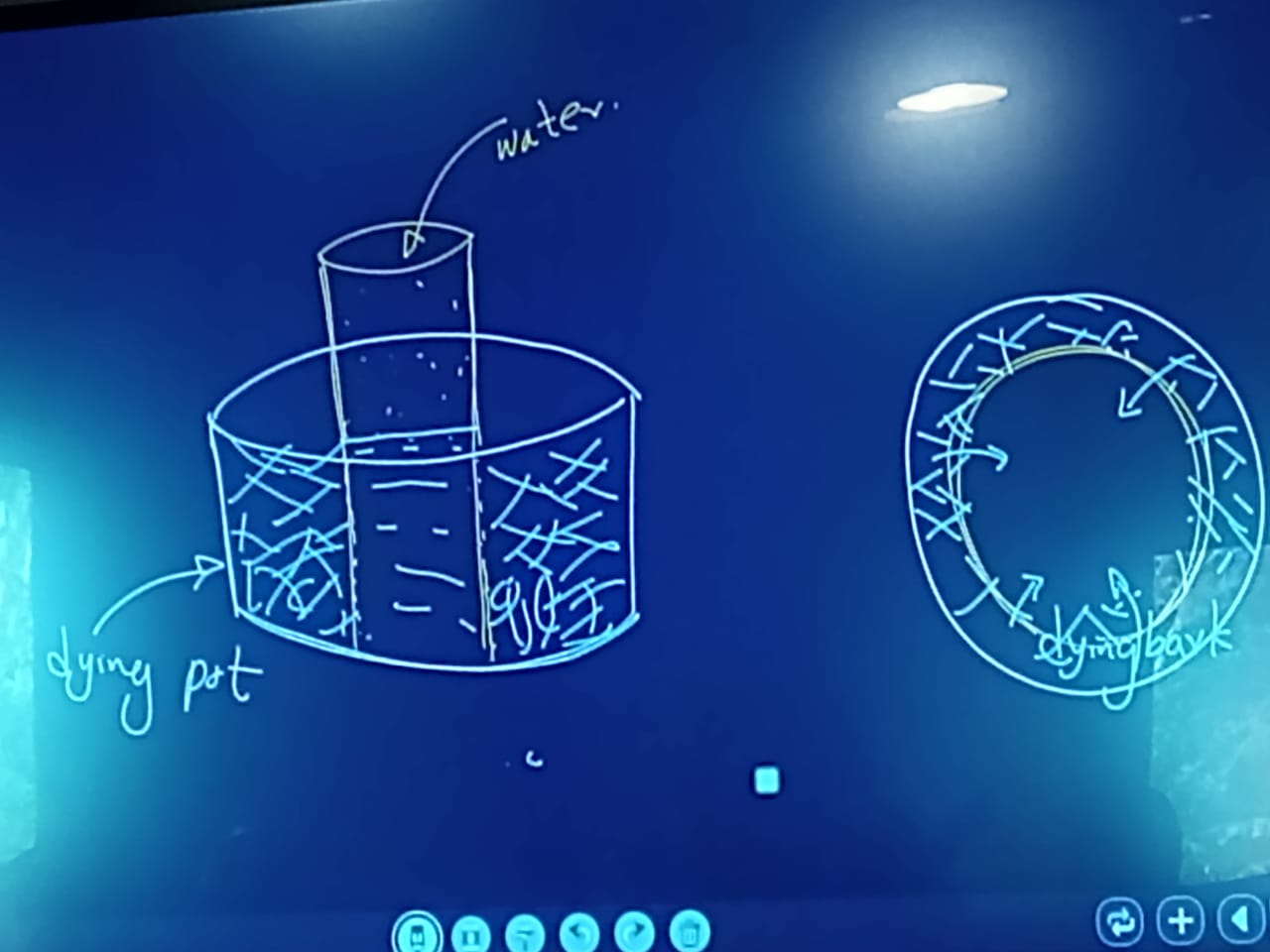
- Uttarāḷumpanti vaṭṭādhārakaṁ, rajanakumbhiyā majjhe ṭhapetvā taṁ ādhārakaṁ parikkhipitvā rajanaṁ pakkhipituṁ anujānāmīti attho. Evañhi kate rajanaṁ na uttarati.
- vocab: #[[pāḷi vocab (2nd year)]]
- ālumpati [ā + √lup + ṃa + ti] pr. (+acc) tears out; pulls out
- method to check if the dye is ready or not
- Anujānāmi, bhikkhave, udake vā nakhapiṭṭhikāya vā thevakaṃ dātunti.
- udake vā nakhapiṭṭhikāya vāti sace paripakkaṃ hoti, udakapātiyā dinno thevo sahasā na visarati, nakhapiṭṭhiyampi avisaranto tiṭṭhati.
- vocab: #[[pāḷi vocab (2nd year)]]
- thevakaṁ→drop of dyeing water
- theva masc.↔drop
- paripakkaṁ↔fully cooked
- pāti / pātī √pat = fall fem.↔bowl; dish; -ī 1.1 adj. throwing; shooting; lit. who causes to fall; -ī 2.1 fem. bin; bucket; receptacle
- sahasā [√sah + as + ā]↔ind. forcibly; quickly; suddenly; all of a sudden; lit. with violence; 2 ind. rashly; in haste; lit. with violence
- visarati↔flows out, flows away
- rajanuḷuṅkaṃ↔ a dye laddle #[[pāḷi vocab (2nd year)]]
- uḷuṅka↔masc. ladle; spoon #[[pāḷi vocab (2nd year)]]
- daṇḍakathālakaṁ↔a dye laddle with a handle #[[pāḷi vocab (2nd year)]]
- rajanakolambaṃ / rajanakuṇḍa↔a big jar for the storing the dye #[[pāḷi vocab (2nd year)]]
- kolamba masc.↔big jar #[[pāḷi vocab (2nd year)]]
- rajanaghaṭaṁ↔a water pot for storing the finished dye #[[pāḷi vocab (2nd year)]]
- rajanadoṇikaṁ↔dyeing trough, canoe #[[pāḷi vocab (2nd year)]]
- tiṇasanthāra↔a spread of grass #[[pāḷi vocab (2nd year)]]
- cīvaravaṃsa↔bamboo rod for keeping the robes #[[pāḷi vocab (2nd year)]]
- cīvararajju↔rope for keeping the robes, a clothesline #[[pāḷi vocab (2nd year)]]
- kaṇṇasuttaka↔thread temporarily added to the borders of the robe to be dyed to prevent the dye from dripping off the robe - it should be removed after the dyeing process #[[pāḷi vocab (2nd year)]]
- how to avoid the dye dripping off the robe
- kaṇṇasuttakas should be added to the robe, and the robe should be turned over every now and then to prevent the dye from dripping off - one should not leave while it may still drip - then the kaṇṇasuttakas should be removed before wearing the robe
- leaving while it may still drip - dkṭ
- what to do if the robes are too stiff because of too much dye (patthinna), and when they have the normal stiffness after dyeing?
- starchy: rinse them in water
- stiff: beat them with your hands
- vocab: #[[pāḷi vocab (2nd year)]]
- patthinna→stiff because of too much dye
- not advised to (na vaṭṭati)
- add perfume, lac, oils to the dye
- coat the robe in porridge / gruel
- though it is ok for helping wash a dirty robe
- rub the robe with conch shells / stones
- striking the robe in the dye trough with the hands - one should use an end of the robe to beat it - and not with the fist
- Cīvaraṃ rajitvā saṅkhena vā maṇinā vā yena kenaci na ghaṭṭetabbaṃ. Bhūmiyaṃ jāṇukāni nihantvā hatthehi gahetvā doṇiyampi na ghaṃsitabbaṃ. Doṇiyaṃ vā phalake vā ṭhapetvā ante gāhāpetvā hatthehi paharituṃ pana vaṭṭati; tampi muṭṭhinā na kātabbaṃ. Porāṇakattherā pana doṇiyampi na ṭhapesuṃ. Eko gahetvā tiṭṭhati; aparo hatthe katvā hatthena paharati. (pārājikakaṇḍa aṭṭhakathā)
- adhiṭṭhānaṁ
- adhiṭṭhiyate adhiṭṭhānaṁ
- gahaṇaṁ (taking into possession), sallakkhaṇaṁ (observation, consideration)
- robes that are allowed to be determined / shared: “Anujānāmi, bhikkhave,
- ticīvaraṃ adhiṭṭhātuṃ na vikappetuṃ;
vassikasāṭikaṃ vassānaṃ cātumāsaṃ adhiṭṭhātuṃ, tato paraṃ vikappetuṃ;
nisīdanaṃ adhiṭṭhātuṃ na vikappetuṃ;
paccattharaṇaṃ adhiṭṭhātuṃ na vikappetuṃ;
kaṇḍuppaṭicchādiṃ yāvaābādhā adhiṭṭhātuṃ tato paraṃ vikappetuṃ;
mukhapuñchanacoḷaṃ adhiṭṭhātuṃ na vikappetuṃ;
parikkhāracoḷaṃ adhiṭṭhātuṃ na vikappetuṃ” (Mahāvaggapaḷi)
- mem aid:
- all adhiṭṭhātuṁ - vassikasāṭika only vassānaṁ cātumāsaṁ; kaṇḍuppaṭicchādiṁ only yāvaābādhā
- only vassikasāṭika, kaṇḍuppaṭicchādi can be vikappana when not determined (tato paraṁ vikappetuṁ)
- note: before doing vikappana, the paccuddhāraṇa must be done
- minimum size for vikappana
- Anujānāmi, bhikkhave, āyāmena (lengthwise) aṭṭhaṅgulaṃ sugataṅgulena caturaṅgulavitthataṃ (width) pacchimaṃ cīvaraṃ vikappetuṃ (8x4 sa = 2x1 mps)
- Etena cīvarassa jātiṃ dassetvā idāni pamāṇaṃ dassetuṃ “Vikappanupagaṃ pacchima”nti āha. Tassa pamāṇaṃ dīghato dve vidatthiyo, tiriyaṃ vidatthi.
- size for determination
- ticīvara
- maximum size
- less than sugatacīvara (9x6 sv)
- minimum size
- ...saṅghāṭiyā uttarāsaṅgassa ca dīghato muṭṭhipañcakaṃ tiriyaṃ muṭṭhittikaṃ pamāṇaṃ vaṭṭati. (mp x mt)
- Antaravāsako dīghato muṭṭhipañcako tiriyaṃ dvihatthopi vaṭṭati. (mp x 2h [min] 2 1/2 [normally]) Pārupaṇenapi hi sakkā nābhiṃ paṭicchādetunti.
- note:
- Vuttappamāṇato pana atirekaṃ ūnakañca parikkhāracoḷanti adhiṭṭhātabbaṃ. (Nissaggiyakaṇḍa aṭṭhakathā) - if smaller / bigger than the allowable they should be determined as parikkhāracoḷa
- vocab: #[[pāḷi vocab (2nd year)]]
- lāmaka↔adj. bad; inferior; low (w/ l)
- muṭṭhipañcaka↔a pentad with a fist cubit as fifth
- muṭṭhipañcakanti muṭṭhiyā upalakkhitaṃ pañcakaṃ muṭṭhipañcakaṃ, catuhatthe minitvā pañcamaṃ hatthamuṭṭhiṃ katvā minitabbanti adhippāyo. (vinayasaṅgaha aṭṭhakathā)
- muṭṭhittika↔triad with a fist cubit as third
- nābhi [√nabh + *i]↔fem. navel
- can ticīvaras be determined in the plural?→no, only individually
- methods of determining robes
- 2 methods of determination Tattha yasmā “Dve cīvarassa adhiṭṭhānā –
- kāyena vā adhiṭṭheti,
- how to perform kāya adhiṭṭhāna for ticīvara
- after having done paccuddharaṇa on the previous one, taking the new ticīvara in hand and thinking “Imaṃ saṅghāṭiṃ / uttarāsaṅgaṁ / antaravāsakaṁ adhiṭṭhāmi” while touching it
- note: it cannot be done as “Imaṃ cīvaraṃ adhiṭṭhāmi”
- vācāya vā adhiṭṭhetī”ti; 2 ways
- sace hatthapāse hoti “Imaṃ saṅghāṭiṃ adhiṭṭhāmī”ti vācā bhinditabbā.
- Atha antogabbhe vā uparipāsāde vā sāmantavihāre vā hoti ṭhapitaṭṭhānaṃ sallakkhetvā “Etaṃ saṅghāṭiṃ adhiṭṭhāmī”ti vācā bhinditabbā. Esa nayo uttarāsaṅge antaravāsake ca. Nāmamattameva hi viseso. (Nissaggiyakaṇḍa aṭṭhakathā)
- note:
- the ticīvaras must be determined with their perticular names
- what is paccuddharaṇa and how to do it↔it is the removal of the current determination set on the requisite - it is done by saying 'imaṁ / etaṁ saṅghātiṁ paccuddharāmi'
- when adding a piece to a determined robe, when should the determination be redone and when not?
- if the piece added is larger than the existing robe it should be redetermined
- if same or smaller, it is not needed
- vocab: #[[pāḷi vocab (2nd year)]]
- khaṇḍa [√khaṇḍ + a]→masc. piece; part; portion; bit; lit. break
- when should the vassikasāṭika be determined?
- “Vassikasāṭikā” anatirittappamāṇā nāmaṃ gahetvā vuttanayeneva cattāro vassike māse tato paraṃ paccuddharitvā vikappetabbā.
Vassikasāṭikā should be determined only during the four months of the rainy season. After that period it should be subject to transferring of the possession (vikappana).
- robes eligible for vikappana
- vassikasāṭika
- kaṇḍuppaṭicchādi
- atirekacīvara
- maximum and minimum sizes, amount, rajana & bindu
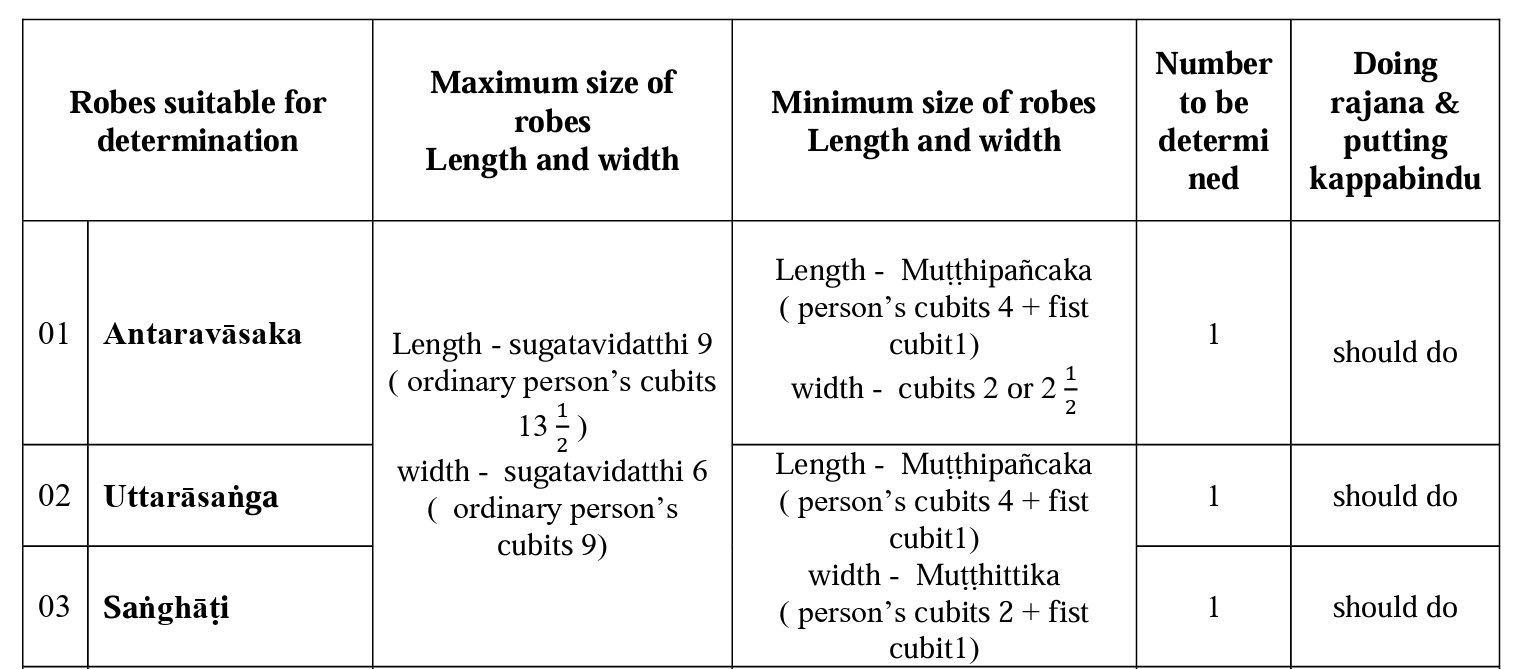
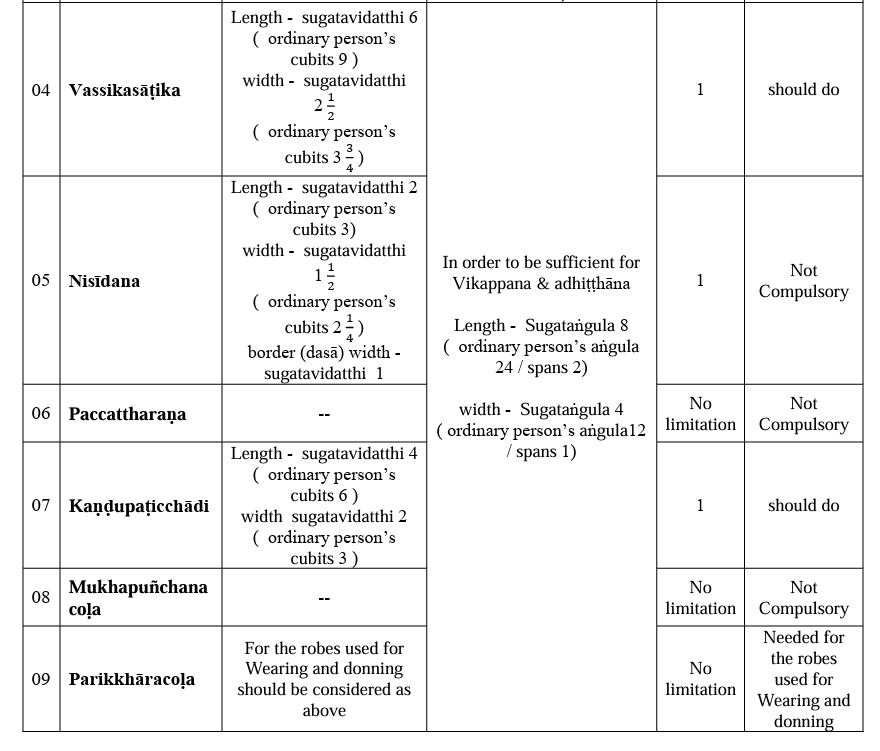
- “Mukhapuñchanacoḷaṃ” adhiṭṭhātabbameva, yāva ekaṃ dhoviyati, tāva aññaṃ paribhogatthāya icchitabbanti dve vaṭṭanti. Apare pana therā “Nidhānamukhametaṃ bahūnipi vaṭṭantī”ti vadanti. (Nis.Aṭṭha.)
- Mukhapuñchanacoḷa also should be determined. Until the first Mukhapuñchanacoḷa is washed another Mukhapuñchanacoḷa can be deteremined. Some therās were saying that many Mukhapuñchanacoḷās are also allowed.
- If the Bowl bags and filtering clothes are within the preferred size for the determination all of them should be determined. If there is one it should be deremined as “Imaṃ cīvaraṃ parikkhāracoḷaṃ adhiṭṭhāmī” If there are many it should be determined as “Imāni cīvarāni parikkhāracoḷāni adhiṭṭhāmi”. All the clothes which are used for medicines and treatment purposes, they are also should be deteremined. For medicines and treatment purposes it is said as anāpatti in the Mahāpaccariya commentary.
- Mañcabhisi pīṭhakabhisi bimbohanaṃ pāvāro kojavoti etesu pana senāsanaparikkhāratthāya dinnapaccattharaṇe ca adhiṭṭhānakiccaṃ natthiyeva. (Nis.Aṭṭha.)
- Determination must be done by saying “Imaṃ cīvaraṃ Parikkhāracoḷaṃ adhiṭṭhāmi”. If there are many items to be determined “Imāni cīvarāni Parikkhāracoḷāni adhiṭṭhāmi” must be uttered. There are no specified dimensions for Parikkhāracoḷa. It is suitable to determine any garment as Parikkhāracoḷa. Clothes such as white cloth and towels received personally must be determined within ten days of receipt.
- is determination required for straining cloths and bowl covers?
- yes, they should be determined as parikkhāracola but only those which are of the minimum size
- is determination required for senāsanaparikkhāra (pillows, mattresses, their covers, beds, chairs, tables, etc)?
- gaṇaparikkhāra / saṅghikaparikkhāra
- can they be determined / vikappana?
- no, only after becoming personal properties they can be determined / vikappana (within 10 days)
- If there is uncertainty about the determination
- Yo pana adhiṭṭhāne vematiko, tena kiṃ kātabbaṃ? Vematikabhāvaṃ ārocetvā sace anadhiṭṭhitaṃ bhavissati, evaṃ me kappiyaṃ hotīti vatvā vuttanayeneva nissajjitabbaṃ. Na hi evaṃ jānāpetvā vinayakammaṃ karontassa musāvādo hoti. Keci pana “Ekena bhikkhunā vissāsaṃ gahetvā puna dinnaṃ vaṭṭatī”ti vadanti, taṃ na yujjati. Na hi tassetaṃ vinayakammaṃ, nāpi taṃ ettakena aññaṃ vatthuṃ hoti.
- If someone is uncertain about the determination he should declare his uncertainty and should do the nissajjana in a way “If this robe was not determined may this be an allowable one in this way”. If someone is doing the vinayakamma without telling the uncertainty he will be subject to musāvāda. Without the nissajjana this robe with the uncertainty (about the determination) can’t be taken with the belief (vissāsaggahana) by another monk to give it back to the previous uncertain monk.
- adhitthāna vijahana
- Adhiṭṭhitacīvaraṃ pana paribhuñjato kathaṃ adhiṭṭhānaṃ vijahatīti?
- all robes
- Aññassa dānena,
- acchinditvā gahaṇena, (being stolen)
- vissāsaggāhena,
- hīnāyāvattanena, (disrobing)
- sikkhāpaccakkhānena, (relinquishing the training)
- kālaṃkiriyāya,
- liṅgaparivattanena,
- paccuddharaṇena,
- only ticīvara
- chiddabhāvenāti (holes) imehi navahi kāraṇehi vijahati. Tattha purimehi aṭṭhahi sabbacīvarāni adhiṭṭhānaṃ vijahanti, chiddabhāvena pana ticīvarasseva sabbaaṭṭhakathāsu adhiṭṭhānavijahanaṃ vuttaṃ (Nissaggiyakaṇḍa aṭṭhakathā)
- vocab: #[[pāḷi vocab (2nd year)]]
- vijahati↔pr. abandons, forsakes, leaves, gives up
- size and location of the hole
- tañca nakhapiṭṭhippamāṇena chiddena. Tattha kaniṭṭhaṅgulinakhavasena veditabbaṃ, chiddañca nakhapiṭṭhippamāṇaṃ vinibbiddhachiddameva. Chiddassa hi abbhantare ekatantu cepi acchinno hoti, rakkhati.
- The appearance of holes annuls only the determination of the three robes (saṅghāṭiṃ, uttarāsaṅgaṃ, antaravāsakaṃ). The other eight matters annul all other robes. Appearance of a very small hole does not annul the determination. Appearance of a hole the size of the nail of the little finger will annul the determination. The determination will be protected even if there are one or two threads within the hole.
- Tattha saṅghāṭiyā ca uttarāsaṅgassa ca dīghantato vidatthippamāṇassa tiriyantato aṭṭhaṅgulappamāṇassa padesassa orato chiddaṃ adhiṭṭhānaṃ bhindati, parato na bhindati.
- Antaravāsakassa pana dīghantato vidatthippamāṇasseva tiriyantato caturaṅgulappamāṇassa padesassa orato chiddaṃ adhiṭṭhānaṃ bhindati, parato na bhindati.
- Tasmā jāte chidde taṃ cīvaraṃ atirekacīvaraṭṭhāne tiṭṭhati, sūcikammaṃ katvā puna adhiṭṭhātabbaṃ. Parikkhāracoḷe dīghaso aṭṭhaṅgule sugataṅgulena tiriyaṃ caturaṅgule yattha katthaci chiddaṃ adhiṭṭhānaṃ vijahati. Mahante coḷe tato parena chiddaṃ adhiṭṭhānaṃ na vijahati. Esa nayo sabbesu adhiṭṭhātabbakesu cīvaresu. (Nissaggiyakaṇḍa aṭṭhakathā)
- The determination will be annulled only by the appearance of a hole inside a span (vidatthippamāṇa) lengthwise and eight finger breadths (aṭṭhaṅgulappamāṇa) breadth wise of Saṃghāṭi and Uttarāsaṃga. The determination will be protected even if there is a hole at the edge of the robe.
- In the case of the Antaravāsaka, the determination will be annulled due to the appearance of a hole within a span (vidatthippamāṇa) from the edge of length and four finger breadths (caturaṅgulappamāṇa) from the edge of breadth. The robe which has lost the determination and become an extra robe (atirekacīvara) and it must be repaired and determined again. Damage to one ply of the two ply robe does not annul the determination.
- In Parikkhāracoḷa which has the length of eight finger breadths of sugataṅgula (aṭṭhaṅgule sugataṅgulena) and the width of four finger breadths (caturaṅgula) the determination will be annulled due to the appearance of a hole in anywhere of the Parikkhāracoḷa. If the Parikkhāracoḷa is larger than that size the determination will not be annulled due to the appearance of a hole.
- when fixing a certain area of the robe, if a temporary piece is added before the robe is cut, the determination won't be lost
- vikappanā
- same as with the patta
- IIT - Nissayamuttaka Course
- vissajana of robes
- same as patta
- IIT - Nissayamuttaka Course
- chinnaka cīvara (cutting robes into sections)
- in the beginning monks used uncut robes
the Buddha asked V. Ānanda to prepare robes cut as the rice fields
- “Anujāmi bhikkhave chinnakaṃ saṃghāṭiṃ, chinnakaṃ uttarāsaṃgaṃ chinnakaṃ antravāsakaṃ”
- “Na bhikkhave acchinnakāni cīvarāni dhāretabbāni. Yo dhāreyya āpatti dukkaṭassa.”
- note:
- simply folding and sewing is not enough, the cloth must be cut
- it seems like the aḍḍhakusi must also be cut
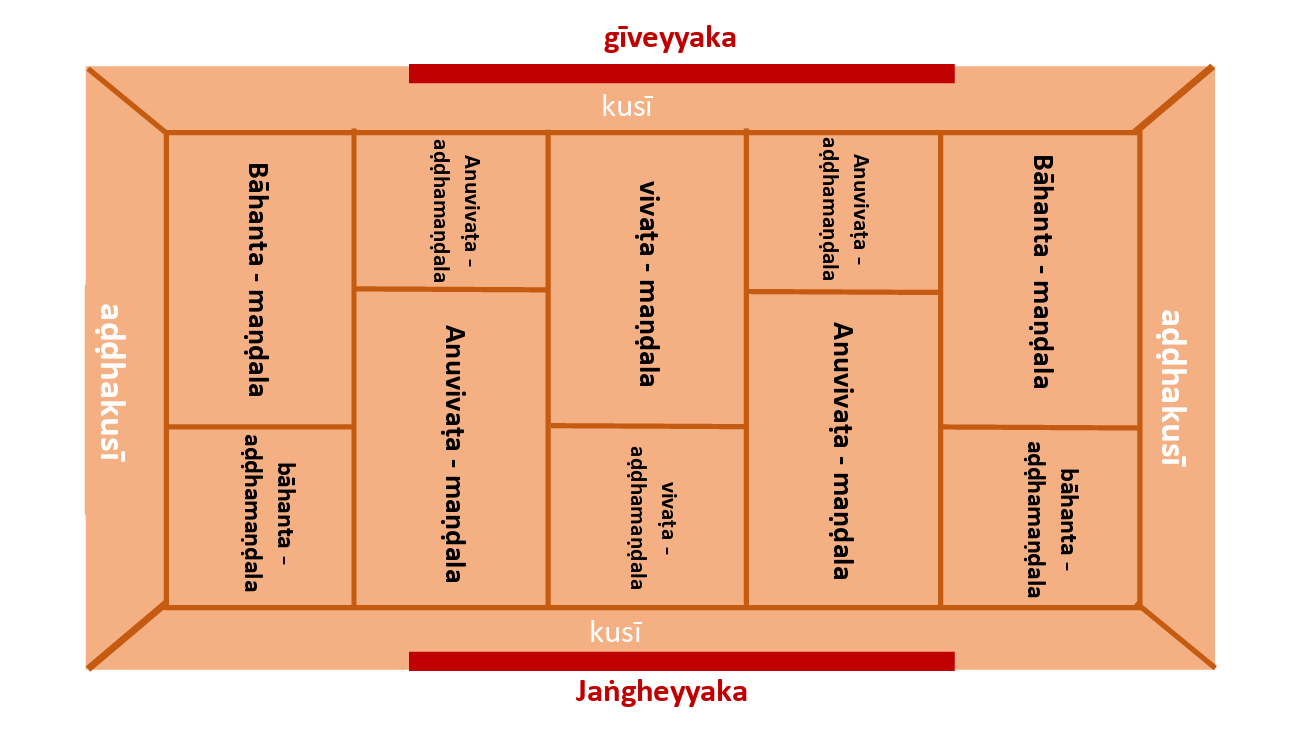
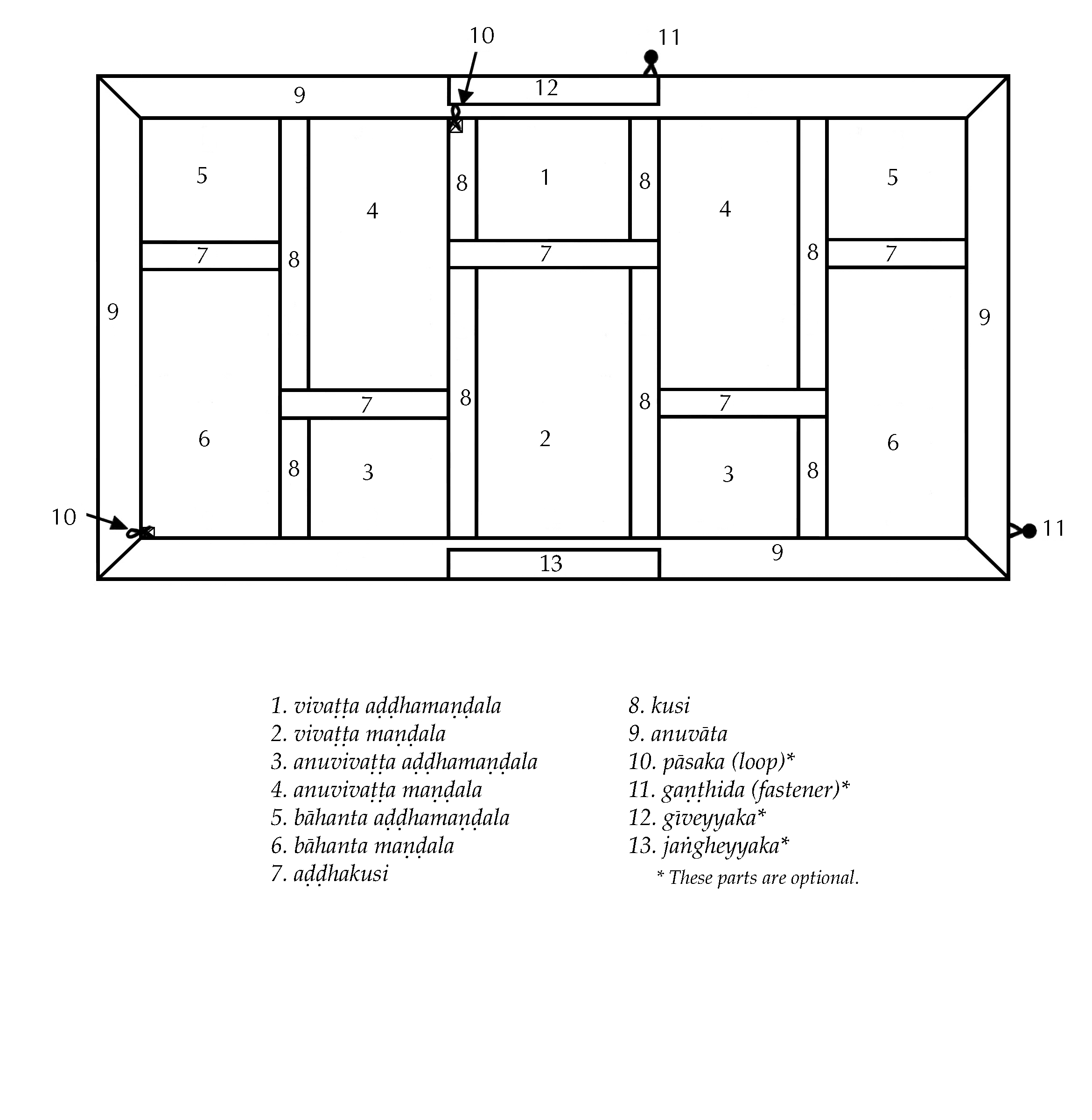
- Aññatarassa bhikkhuno ticīvare kayiramāne sabbaṃ chinnakaṃ nappahoti. Anujānāmi, bhikkhave, dve chinnakāni ekaṃ acchinnakanti.
- At one time, while making a set of three robes for a monk, there was not enough cloth to make all three out of pieces. “I allow two robes made of pieces and one that isn’t.”
- Dve chinnakāni ekaṃ acchinnakaṃ nappahoti. Anujānāmi, bhikkhave, dve acchinnakāni ekaṃ chinnakanti.
- There was not enough cloth to make two out of pieces. “I allow one robe made of pieces and two that are not.”
- Dve acchinnakāni ekaṃ chinnakaṃ nappahoti. Anujānāmi, bhikkhave, anvādhikampi 50 āropetuṃ, na ca, bhikkhave, sabbaṃ acchinnakaṃ dhāretabbaṃ. Yo dhāreyya, āpatti dukkaṭassāti.
- There was not enough cloth to make one out of pieces. “I allow you to add a further supply. But you shouldn’t wear robes none of which are cut into pieces. If you do, you commit dukkaṭa offense of wrong conduct.”
- 50 Anvādhikampi āropetunti āgantukapattampi dātuṁ, (Samantapāsādikā) “Anvādhikampi āropetuṁ: to give an extra panel.” “Anu pacchā ādhīyatīti anvādhi, yaṃ cīvarassopari saṅghāṭiākārena āropetabbaṃ” (khuddakasikkhā) “Āgantukapattanti diguṇacīvarassa upari aññaṃ paṭṭaṃ appenti, taṃ sandhāya vuttaṃ. Taṃ kira idāni na karonti.” (vimativinodanī ṭīkā)
- āgantukapaṭṭa is an added strip that mimics a khandha; it is allowed when there is not enough cloth to cut the robe into at least 5 khandhas
- The Buddha allowed the wearing of one robe not cut into sections if cloth available is insufficient to cut and sew all three robes. If the cloth available is insufficient even to cut and sew two robes; wearing one cut to sections and the other two without cutting was allowed. If the cloth available was insufficient even to do so, it was declared as follows that strips of cloth were to be attached to appear as if they have been cut into sections.
- “Na ca bhikkhave sabbaṃ acchinnakaṃ dhāretabbaṃ, yo dhāreyya āpatti dukkaṭassa.”
- If at least one robe which has been cut into sections is not used, Dukkaṭa transgression will result.
- Books such as Pāḷimuttaka Vinaya vinicchaya show that, the sewing must be done naturally and not for beautifying, nothing should be done to improve the colour of the dyed robe and the robe should not be rubbed with a stone or any such thing in order make it shine.
- “Āgantukapaṭṭaṃ āropessāmī”ti yācantassa kusiyā ca aḍḍhakusiyā ca pahonakaṃ dātabbaṃ. “Maṇḍalaṃ nappahotī”ti āgatassa maṇḍalaṃ ekaṃ dātabbaṃ, aḍḍhamaṇḍalāni dve dātabbāni. Dve maṇḍalāni yācantassa na dātabbāni. (cūḷavagga aṭṭhakathā - senāsanakkhandhakavaṇṇanā)
- This text implies that the Āgantukapaṭṭa should be in the size of a kusī or aḍḍhakusī. However, only when the robe is not enough to be cut and sewn, a guest piece (Āgantukapaṭṭa) can be applied, and if the robe clothes are enough to cut and sew, the guest piece (Āgantukapaṭṭa) is not suitable. Then the robe should be cut and sewn.
- Thus, the Buddha decreed that the three robes should not be worn as uncut robes, and that the monk who wears them in this way will be subject to dukkaṭa offence. Thus, if there is enough robe fabric, all the three robes should be cut and sewn, otherwise two or one of the three robes can be cut and sewn.
- Cīvaramaṇḍanatthāya nānāsuttakehi satapadisadisaṃ sibbantā āgantukapaṭṭaṃ ṭhapenti, aññampi yaṃ kiñci sūcikammavikāraṃ karonti, paṭṭamukhe vā pariyante vā veṇiṃ vā saṅkhalikaṃ vā muggaraṃ vā evamādi sabbaṃ na vaṭṭati, pakatisūcikammameva vaṭṭati. (vinayasaṅgaha-aṭṭhakathā)
- It is not advisable to use zigzag patterns of threads of different colors to decorate the robe when applying the guest piece (Āgantukapaṭṭa). If it is changed in this way or by any other remedy, to beautify the ends of the two robe pieces meet when sewing, all these are inappropriate. Only the normal sewing is appropriate.
- going to the village without the 3 robes
- On one occasion a monk left one of his robes in the Blind Men’s Grove (Andhavane) and then entered the village for alms in just his sarong and upper robe. Thieves stole that robe, and as a result he became poorly dressed. When other monks asked him why, he told them what had happened.
- “Na bhikkhave santaruttarena gāmo pavisitabbo, yo paviseyya āpatti dukkaṭasa.”
- Samaṇa, you should not enter the village only with the inner garment (antaravāsaka) and the single ply robe (Uttarāsaṃga). If a monk does so there will be a Dukkaṭa transgression.”
- Soon afterwards venerable Ānanda, being absent-minded, entered a village in just his antaravāsaka and upper robe. The monks said to him, “Hasn’t the Buddha laid down a rule against entering the village in just with the inner garment (antaravāsaka) and single ply robe (Uttarāsaṃga)?” venerable Ānanda told them what had happened. They told the Buddha.
- Pañcime, bhikkhave, paccayā saṅghāṭiyā nikkhepāya –
- gilāno vā hoti, vassikasaṅketaṃ 51 vā hoti, nadīpāraṃ gantuṃ vā hoti, aggaḷaguttivihāro vā hoti 52, atthatakathinaṃ vā hoti. Ime kho, bhikkhave, pañca paccayā saṅghāṭiyā nikkhepāya.
- “There are five reasons for leaving behind the double ply robe (Saṅghāṭi), you’re sick; it’s the rainy season; you’re going to cross a river; the dwelling is protected by a door; you have participated in the robe-making ceremony.
- 51 Vassikasaṅketanti vassike cattāro māse, (Samantapāsādikā)
- “Vassikasaṅketa means the four months of the rainy season.” In the compound
- 52 aggaḷaguttivihāra, the basic meaning of aggaḷa is “door”. Doors at that time often had a closing mechanism that included a bolt, perhaps even a lockable bolt. Aggaḷa also means patch. The connection seems to be that the door, that is, the door panel, “patches” the doorway, the dvāra. not necessarily a lock
- This precept shows that there will be a Dukkaṭa transgression if one enters the village wearing only the inner garment and the single ply robe without the two ply robe. In warm areas, it is difficult to wear both single ply and two ply robes at the same time. It is also difficult for sick or weak Bhikkhus. Therefore, the Blessed One has given five occasions when the village can be visited without the Saṃghāṭi. The five matters are;
- The main fact among them is having a lockable temple. This precept has been fixed because robes left here and there may get lost. Whatever the reason is, the Bhikkhu who leaves the Saṃghāṭi must ensure its safety.
- Pañcime, bhikkhave, paccayā uttarāsaṅgassa nikkhepāya…pe… antaravāsakassa nikkhepāya – gilāno vā hoti, vassikasaṅketaṃ vā hoti, nadīpāraṃ gantuṃ vā hoti, aggaḷaguttivihāro vā hoti, atthatakathinaṃ vā hoti. Ime kho, bhikkhave, pañca paccayā uttarāsaṅgassa antaravāsakassa nikkhepāya.
- “There are five reasons for leaving behind the single ply robe (Uttarāsaṃga), you’re sick; it’s the rainy season; you’re going to cross a river; the dwelling is protected by a door; you have participated in the robe-making ceremony.
- “There are five reasons for leaving behind the inner garment (antaravāsaka), you’re sick; it’s the rainy season; you’re going to cross a river; the dwelling is protected by a door; you have participated in the robe-making ceremony. 53
- 53 This passage suggests that each of the three robes could be used as a substitute for the remaining two, which in turn suggests they were similar to each other.
- Pañcime, bhikkhave, paccayā vassikasāṭikāya nikkhepāya –
- gilāno vā hoti, nissīmaṃ (beyond the sīma) gantuṃ vā hoti, nadīpāraṃ gantuṃ vā hoti, aggaḷaguttivihāro vā hoti, vassikasāṭikā akatā vā hoti vippakatā vā. Ime kho, bhikkhave, pañca paccayā vassikasāṭikāya nikkhepāyāti.
- There are five reasons for leaving behind the rainy-season robe: you’re sick; you’re going outside the monastery zone; you’re going to cross a river; the dwelling is protected by a door; the rainy-season robe hasn’t been sewn or is unfinished.”
- gaṇṭhika (knot / toggle) and pāsaka (button hole / loop)
- Tena kho pana samayena āyasmā ānando lahukā saṅghāṭiyo pārupitvā gāmaṃ piṇḍāya pāvisi. Vātamaṇḍalikāya saṅghāṭiyo ukkhipiyiṃsu. Atha kho āyasmā ānando ārāmaṃ gantvā bhikkhūnaṃ etamatthaṃ ārocesi. Bhikkhū bhagavato etamatthaṃ ārocesuṃ.
- On one occasion Venerable Ānanda robed up in light upper robes and went to the village for alms. A whirlwind lifted up his robes. When he had returned to the monastery, he told the monks what had happened.
- “Anujānāmi, bhikkhave, gaṇṭhikaṃ pāsakaṃ”
- “I allow a toggle (knot) and a loop (button hole)”
- “Na, bhikkhave, uccāvacā gaṇṭhikā dhāretabbā. Yo dhāreyya, āpatti dukkaṭassa. Anujānāmi, bhikkhave, (11 materials allowed for gaṇṭhika)
- aṭṭhimayaṃ dantamayaṃ visāṇamayaṃ naḷamayaṃ veḷumayaṃ kaṭṭhamayaṃ jatumayaṃ phalamayaṃ lohamayaṃ saṅkhanābhimayaṃ (conch shells) suttamayaṃ”.
- “You shouldn’t wear luxurious toggles. If you do, you commit dukkaṭa offense of wrong conduct. I allow toggles made of bone, ivory, horn, reed, bamboo, wood, resin, fruit, metal, shell, and string.” 54
- 54 In its discussion of ointment boxes, khuddasikkhā-purāṇaṭīkā says of phalamaya, “made of fruit”: Āmalakakakkādīhi katā phalamayā, “Made of fruit means made from ground emblic myrobalan, etc.”
- Tena kho pana samayena bhikkhū gaṇṭhikampi pāsakampi cīvare appenti. Cīvaraṃ jīrati.
- When the monks fastened toggles and loops to their robes, they caused the robes to get worn out.
- “Anujānāmi, bhikkhave, gaṇṭhikaphalakaṃ pāsakaphalakaṃ”.
- “I allow toggle-shields and loop-shields.”
- Gaṇṭhikaphalakampi pāsakaphalakampi ante appenti. Koṭṭo vivariyati.
- They fastened the toggle-shields and the loop-shields on the edge of the robe. The border of the robe opened up.
- where should the ganṭhikaphalaka and pāsakaphalaka be placed?
- “Anujānāmi, bhikkhave, gaṇṭhikaphalakaṃ ante appetuṃ; pāsakaphalakaṃ sattaṅgulaṃ vā aṭṭhaṅgulaṃ vā ogāhetvā appetuṃ”.
- appeti→pr. applies the mind (to); fixes the mind (on)
- “I allow you to fasten the toggle-shields at the edge and the loop-shields seven aṅgula or eight aṅgula from the edge.”
- vocab: #[[pāḷi vocab (2nd year)]]
- phalaka [√phal + a + ka] nt.→board; plank; wooden surface 2 strip of wood; bark strip; wood chip 3 shield
- koṭṭo↔the border of the robe
- can a monk give the robes to parents?
- Tena kho pana samayena aññatarassa bhikkhuno bahuṃ cīvaraṃ uppannaṃ hoti. So ca taṃ cīvaraṃ mātāpitūnaṃ dātukāmo hoti. Bhagavato etamatthaṃ ārocesuṃ. Mātāpitaroti kho, bhikkhave, dadamāne kiṃ vadeyyāma? Anujānāmi, bhikkhave, mātāpitūnaṃ dātuṃ. Na ca, bhikkhave, saddhādeyyaṃ vinipātetabbaṃ. Yo vinipāteyya 55, āpatti dukkaṭassāti.
- On one occasion a monk who had been given much robe-cloth wanted to give it to his mother and father. When it is informed to Buddha he said “If you’re giving to your mother and father, what can I say? I allow you to give to your mother and father. But, monks, a gift of faith shouldn’t be ruined.
- 55 Ettha sesañātīnaṁ dento vinipātetiyeva, (Samantapāsādikā) “In this context it goes to ruin when given to other relatives (apart from one’s parents).” Presumably this means one should not give something in a way of ruining which is given with faith by the devotees, to anyone who is not a monastic (apart from one’s parents), If you do, you commit dukkaṭa offense of wrong conduct.”
- note: (not for exam)
- IIT - Nissayamuttaka Course
- what can be done when the robes are stolen
- Tiṇena vā paṇṇena vā paṭicchādetvā āgantabbaṃ; na tveva naggena āgantabbaṃ. Yo āgaccheyya, āpatti dukkaṭassa. (nissaggiyakaṇḍa)
- There is no any unsuitable robe or wearing for the monk whose robes were stolen. That is, if a certain monk is walking in the middle of the road and his robes are stolen by thieves, he should not walk naked as mentioned above, so he should wear something that can be obtained. There is no offence (Bhūtagāma pācittiya) in breaking leaves or branches of trees for this specific situation.
- occasions one can break bhūtāgāma
- when the robes are lost / stolen (for yourself)
- the same for another
- to make counter fire
- to save someone trapped (not oneself)
- mahā vikaṭa (remedy for poison)
- (for fulfilling the duties before the uposatha when needed)
- Viññattamanussā aññe vā sākhāpalāsanivāsane bhikkhū disvā ussāhajātā vatthāni denti, tāni sadasāni vā hontu adasāni vā nīlādinānāvaṇṇāni vā kappiyānipi akappiyānipi sabbāni acchinnacīvaraṭṭhāne ṭhitattā tesaṃ nivāsetuñca pārupituñca vaṭṭanti. (vinaya aṭṭhakathā - nissaggiyakaṇḍaṃ)
- All the allowed and unallowed types of robes and all the colours are allowed to wear when the robes are stolen and if there is no any other suitable robe to obtain
- Atha pana titthiyehi sahagacchanti, te ca nesaṃ kusacīravākacīraphalakacīrāni denti, tānipi laddhiṃ aggahetvā nivāsetuṃ vaṭṭanti, nivāsetvāpi laddhi na gahetabbā. (vinaya aṭṭhakathā - nissaggiyakaṇḍaṃ)
- Likewise, if the monk who has been robbed of his robes meets the other ascetics and wrong believers (Thitthiya) and they offer their wearings, this monk is allowed to take and wear the kusachīra of those ascetics without taking their believes. Even using the ascetic’s wearings, one should not take their wrong believes.