Khandhaka Vinaya (Semester IV) – Bhante Siddhatthālaṅkāra
- khandhakavinaya‒Bhante Siddhatthālaṅkāra #edited
- bathing
- frequency of bathing
- Yo pana bhikkhu orenaddhamāsaṃ nahāyeyya, aññatra samayā, pācittiyaṃ. Tatthāyaṃ samayo. Diyaḍḍho māso seso gimhānanti vassānassa paṭhamo māso iccete aḍḍhateyyamāsā uṇhasamayo, pariḷāhasamayo, gilānasamayo, kammasamayo, addhānagamanasamayo, vātavuṭṭhisamayo – ayaṃ tattha samayo.
- where is this rule applicable? and what is the allowance for other regions?
- only in the middle region (majjhadesa) - “Anujānāmi bhikkhave paccantimesu janapadesu dhuvanahānaṃ.”
- what are the 6 exceptions?
- aḍḍhateyyamāsā - 2 1/2 months
- uṇhasamayo→uṇhasamayo nāma diyaḍḍho māso seso gimhānaṃ - the occasion of heat being the last 1 1/2 months of the hot season
- pariḷāhasamayo→pariḷāhasamayo nāma vassānassa paṭhamo māso - the occasion of stifling humidity is the 1st month of the rainy season
- gilānasamayo→gilānasamayo nāma yassa vinā nahānena na phāsu hoti - the occasion of sickness is whenever one is not comfortable without bathing
- kammasamayo→kammasamayo nāma antamaso pariveṇampi sammaṭṭhaṃ hoti - the occasion of work is when one has worked, even just having swept the monastery grounds
- addhānagamanasamayo→addhānagamanasamayo nāma “addhayojanaṃ gacchissāmī”ti nahāyitabbaṃ, gacchantena nahāyitabbaṃ, gatena nahāyitabbaṃ. - the occasion of a journey: intending to travel for at least 1/2 a yojana (~10km) one can bathe before, during, and after the journey
- vātavuṭṭhisamayo→vātavuṭṭhisamayo nāma bhikkhū sarajena vātena okiṇṇā honti, dve vā tīṇi vā udakaphusitāni kāye patitāni honti - the occasion of wind and rain is when one's body becomes dirty with dusty wind and two or three raindrops fall on his body
- vocab: #[[pāḷi vocab (2nd year)]]
- udakaphusita↔nt. drop of water
- phusita [√phus + ita]↔nt. drop 2 pp. locked; lit. touched 3 pp. reached; attained; lit. touched
- pariveṇa↔nt. (of a monastic) room; cell; apartment2 nt. monastery grounds; space around a building
- okiṇṇa [ava + √kir + na]↔pp. (+instr) covered (with); splattered (by); sprinkled (with); lit. sprinkled down
- rubbing the body
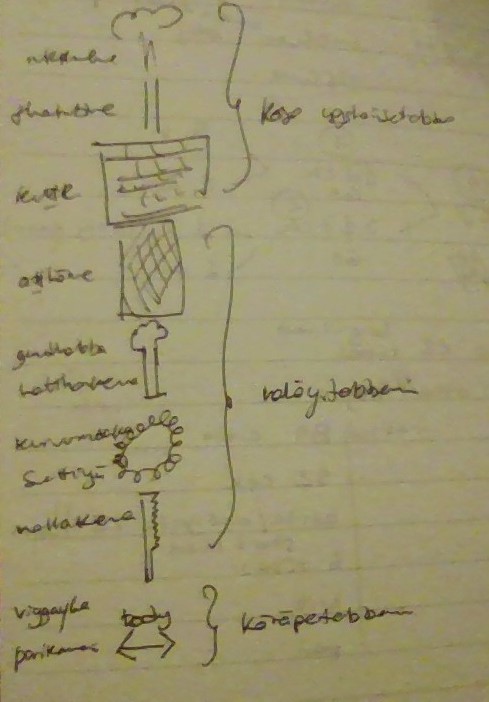
- 8 prohibited means of rubbing the body while bathing - “Na, bhikkhave,
- nahāyamānena bhikkhunā rukkhe (a tree)...thambhe (post)...kuṭṭe (wall) kāyo ugghaṃsetabbo (rub the body against).
- aṭṭāne (incised bathing wooden post)... gandhabbahatthakena (a hand-like instrument)...kuruvindakasuttiyā (a string of beads for rubbing the body)...mallakena (scrubber) nahāyitabbaṁ.
- viggayha parikammaṁ kārāpetabbaṁ (rubbing against others' bodies)
- note:
- 2783.rukkhe vā pana kuṭṭevā, aṭṭāne thambhakesu vā,
nhāyamāno sakaṃ kāyaṃ, ugghaṃseyyassa dukkaṭaṃ.
2784.kāyaṃ gandhabbahatthena, kuruvindakasuttiyā,
mallakena na ghaṃseyya, nāññamaññañca kāyato.
- 3 allowed means of rubbing the body while bathing - anujānāmi, bhikkhave...
- gilānassa akatamallakaṁ (an unworked scraper for the sick)
- ukkāsikaṁ (a strip of cloth)
- puthupāṇikaṃ (hands)
- note:
- 2785.akataṃ mallakaṃ nāma, gilānasseva vaṭṭati,
kataṃ taṃ mallakaṃ nāma, sabbesampi na vaṭṭati.
2786.kapāliṭṭhakakhaṇḍāni, sabbassa puthupāṇikaṃ,
gilānassāgilānassa, vatthavaṭṭi ca vaṭṭati.
- vocab: #[[pāḷi vocab (2nd year)]]
- aṭṭāna↔nt. post incised with squares and used as a rubber by bathing people
- kuṭṭa↔wall
- gandhabbahatthaka↔ an instrument like a monkey hand used to rub the body while bathing
- kuruvindakasutti↔a string of beads made by grinding vermillion powder and stones with lac dyes used for rubbing the body
- sutti↔fem. pearl oyster
- ukkāsikā↔fem. pad of cloth (for rubbing the body)
- mallaka / katamallaka↔a scrubber / scraper in the shape of swordfish teeth
- note: see also rubbing the feet below
- playing in water
- Udake hasadhamme [hassadhamme (sī· syā·)] pācittiyaṃ. - playing in water is a pācittiya.
- anāpatti
- na hasādhippāyo: bathing without the intention of playing
- sati karaṇiye udakaṁ otaritvā nimujjati vā ummujjati vā palavati vā - when there is a reason, going down into the water, sinking, emerging, and floating in the water. Accordingly, it is appropriate to sink, emerge, and float in water with the intention of bathing
- pāraṃ gacchanto nimujjati vā ummujjati vā palavati vā - It is proper to sink, emerge, and float in the water while crossing a river
- āpadāsu - in case of disaster, for example, there is danger from animals like bees
- ummattakassa, ādikammikassa – there is no offense for mad monk and the ādikammika bhikkhu
- wearing jewelry
- prohibitions - na, bhikkhave (8 mentioned)
- vallikā (earrings, even one made of palm leaves) dhāretabbā…
- na pāmaṅgo dhāretabbo… (waist band)
- na kaṇṭhasuttakaṃ dhāretabbaṃ… (necklaces)
- na kaṭisuttakaṃ dhāretabbaṃ… (waistbands)
- na ovaṭṭikaṃ dhāretabbaṃ… (bracelets, bangles)
- na kāyuraṃ dhāretabbaṃ… (armlets, arm-guard, anklets, comm: necklace)
- na hatthābharaṇaṃ dhāretabbaṃ… (ornaments worn on the hands)
- na aṅgulimuddikā dhāretabbā (rings). yo dhāreyya, āpatti dukkaṭassa
- note: any kind of ornament is included
- vocab: #[[pāḷi vocab (2nd year)]]
- vallikā↔earrings, even one made of palm leaves
- pāmaṅgaṃ↔waist band
- kaṇṭhasuttakaṃ↔necklaces, ornamental strings of beads for the throat
- kaṭisuttakaṁ↔waistbands
- ovaṭṭikaṃ↔bracelets, bangles
- kāyuraṃ↔ armlets, arm-guard, anklets, comm: necklace
- hathābharanaṃ↔ ornaments worn on the hands
- aṅgulimuddikā↔ rings
- head hair, beard, and body hair
- instruments allowed for shaving
- Anujanami, bhikkhave, khuraṃ (razor)
- khurasilaṃ (whetstone, "razor stone")
- khurasipatikaṃ (razor case)
- namatakaṃ (felt to wrap the razor)
- sabbaṃ khurabhaṇḍaṃ (barber's equipment)
- limit of time / length for hair
- Anujānāmi, bhikkhave, dumāsikaṃ vā (2 months)
- duvaṅgulaṃ vā (2 fingerwidths)
- note:
- Na, bhikkhave, dīgha kesā dharethabbā. Yo dhareyya, āpatti dukkatassa. Anujānāmi, bhikkhave, dumāsikaṃ vā duvaṅgulaṃ vā. - Monks should not have long hair. If a monk has long hair, he commits a dukkaṭa offense. I allow, monks, 2 months or 2 fingers. The same is applied to the beard.
- are scissors allowed for cutting hair? what about electric hair clippers and trimmers?
- Na, bhikkhave, kattarikāya (with scissors) kesā chedāpetabbā. Yo chedāpeyya, āpatti dukkaṭassa.
- Anujānāmi, bhikkhave, ābādhappaccayā (due to sickness) kattarikāya kese chedāpetuṃ.
- jnkbvs: not only wounds but other illnesses such as fevers are included
- note: body hair is not mentioned
- prohibitions and allowances with regard to combing / smoothening the hair (kesā osaṇṭhetabbā)
- prohibitions - Na, bhikkhave,
- kocchena (with a comb, brush)...
- kocchena osaṇṭhentīti kocchena olikhitvā (scraped off, combed) sannisīdāpenti (cause to settle)
- phaṇakena (with any instrument)...
- hatthaphaṇakena (with the hands)...
- sitthatelakena (with wax and oil)
- udakatelakena (with water and oil)...kesā osaṇṭhetabbā (should be combed). Yo osaṇṭheyya, āpatti dukkaṭassa.
- allowances - for cleaning
- wiping the hair with water or a wet hand
- is the removal / plucking of gray hairs allowed?
- Na, bhikkhave, palitaṃ (gray hair) gāhāpetabbaṃ. Yo gāhāpeyya, āpatti dukkaṭassa.
- prohibitions and allowances with regard to facial and body hair
- prohibitions - na, bhikkhave,
- massu (beard) and dāṭhikā (moustache)
- massu
- massu kappāpetabbaṃ (not neatly trimmed, dressed)...
vaḍḍhāpetabbaṃ (not let grow) (agreed to be as with hair - not longer than 2 fingers)
- cdvml: udāna comm: "kappitakesamassūti alaṅkārasatthe vuttavidhinā kappakehi chinnakesamassū." - barbers cut the hair and beard in order to beautify the face as shown in beauty schools, so the rule means that the beard should not be trimmed in a decorated manner, not that it should not be cut
- golomikaṃ (goat's beard) kārāpetabbaṃ (not made)
- caturassakaṃ (rectangular shape) kārāpetabbaṃ
- dāṭhikā
- na dāṭhikā (mustache) ṭhapetabbā (kept)
- body hair (loma)
- na parimukhaṃ (chest hair) kārāpetabbaṃ (not made)
- na aḍḍhadukaṃ (belly hair) kārāpetabbaṃ
- na sambādhe (genitals and armpit areas) lomaṃ saṃharāpetabbaṃ (removed)
- dīghaṃ nāsikālomaṃ (nasal hair) dhāretabbaṃ (length not given)
- allowances - anujānāmi, bhikkhave,
- saṇḍāsaṃ (tongs for removing long nasal hair)
- removing hair on the forehead (?), eyebrows, or upper beard (?) is allowable if it is unpleasant to see or frightens others - jnkbvs: eyebrows should not be removed
- do hair and beard have to be shaven together?
- vnyvncy:
kappāpeyya visuṃ massuṃ, dāṭhikaṃ vā ṭhapeyya yo,
saṃharāpeyya vā lomaṃ, sambādhe tassa dukkaṭaṃ.
based on this gātha some say: one should not shave only the beard
cdvml: one should not shave the beard and leave the mustache - hair and beard do not have to be shaved together
- vocab: #[[pāḷi vocab (2nd year)]]
- khuraṃ↔razor
- khurasilaṃ↔whetstone, "razor stone"
- khurasipatikaṃ↔razor case
- namatakaṃ↔felt to wrap the razor
- khurabhaṇḍaṃ↔barber's equipment
- kattarikā↔fem. scissors, shears ✗
- palitaṁ↔gray hair, gray, matured
- golomika↔like goat hair
- dāṭhikā [√ḍaṃs]↔fem. whiskers; moustache
- ohārāpeti - "kesamassuṁ ohārāpetvā"↔verb used for the cutting of hair and beard
- saṁharāpeti↔verb used for the shaving, cutting or removal of pubic or armpit hair
- kappāpeti↔verb used for the trimming of the facial hair for better looks (acc. to udāna comm)
- saṇḍāsa [saṃ + √ḍaṃs + *a]↔masc. tongs; pincers; lit. bite together
- parimukhaṃ↔on the chest (chest hair), lit. around the front
- koccha↔comb, brush
- phaṇaka↔dantamayādīsu yena kenaci. - whatever instrument for combing the hair made of ivory, etc shaped like a snake hood (?)
- hatthaphaṇaka↔ hattheneva phaṇakiccaṃ karontā aṅgulīhi osaṇṭhenti. - combing the hair with the fingers of the bare hands
- sitthatelaka↔ madhusitthakaniyyāsādīsu yena kenaci cikkalena. - a mix of oil and wax, oil and beeswax (nowadays cream / gel)
- what is cikkalena? #q🙋🏼♂
- udakatelaka↔water and oil
- niyyāsa [nī + √yas + *a]↔masc. gum; resin; milk; fluid extract √yas
- sitthaka↔nt. bees-wax
- mirrors and ointments (cḷv)
- prohibitions and allowances with regard to reflective surfaces
- prohibitions - Na, bhikkhave,
- ādāse (mirror) vā udakapatte (a bowl of water) vā mukhanimittaṃ (the reflection of the face) oloketabbaṃ. Yo olokeyya, āpatti dukkaṭassa.
- allowances - Anujānāmi, bhikkhave,
- ābādhappaccayā ādāse vā udakapatte vā mukhanimittaṃ oloketuṃ.
- to see signs of ageing for kammaṭṭhāna
- cdvml: suggest it is allowed to prevent injury while shaving but it is not mentioned in the comm or sub-c
- prohibitions and allowances about skin applications (ointments, make up, tatoos...)
- prohibitions - Na, bhikkhave,
- mukhaṃ ālimpitabbaṃ (annoint)...ummadditabbaṁ (massage)...cuṇṇetabbaṃ (powder)... manosilākāya (with red arsenic) mukhaṃ lañchetabbaṃ (mark)...
- Na aṅgarāgo kātabbo... (painting the body)
- Na mukharāgo kātabbo... (paiting the face)
- Na aṅgarāgamukharāgo kātabbo (both). Yo kareyya, āpatti dukkaṭassa.
- allowances - anujānāmi, bhikkhave,
- ābādhappaccayā mukhaṃ ālimpituṁ
- vocab: #[[pāḷi vocab (2nd year)]]
- ādāsa [ā + √dis + a + *a]↔masc. mirror
- ālimpati [ā + √lip + ṃa + ti]↔pr. (+acc) (of medicine) applies (onto); smears (onto); rubs (onto)
- lañcheti↔pr. marks, stamps, seals
- manosilākāya↔red arsenic
- aṅgarāga / mukharāga masc.↔cosmetic to anoint the body / face with
- √lip (e.g.: ālimpati)↔root. ṃa (coat, smear)
- dancing, singing, playing music
- watching even a peacock dance or listening to sādhu music: dkṭ
watching / listening in a nunnery: anāpatti
dancing, singing or playing music oneself: dkṭ
having others dance, sing, play music: dkṭ
watching / listening when it happens in front of one: anāpatti
giving permission to a devotee who asked for permission to dance, sing or play music as pūja for a cetiya / shrine: dkṭ
giving permission to a devotee who asked for permission to make a pūja for a cetiya / shrine (dancing, singing and music is not mentioned): anāpatti
- Na bhikkhave naccaṃ vā gītaṃ vā vāditaṃ vā dassanāya gantabbaṃ. Yo gaccheyya āpatti dukkaṭassa.
- āpatti or not?
vin-a:
Sabbaṃ antarārame (in the monastery) ṭhitassa (for one who stays) passato (for one who sees) anāpatti.
“Passissāmī”ti vihārato vihāraṃ gacchantassa āpattiyeva.
Āsanasālāya nisinno passati anāpatti.
“Passissāmī”ti uṭṭhahitvā gacchanto āpatti.
Vīthiyaṃ ṭhatvā gīvaṃ parivattetvā passato’pi āpattiyeva.
- lasunavagga (bhikkhunī pācittiya)
837. anāpatti
- ārāme (monastery) ṭhitā passati vā suṇāti vā,
- bhikkhuniyā (of the bhikkhuni) ṭhitokāsaṃ (standing place) vā nisinnokāsaṃ vā nipannokāsaṃ vā āgantvā naccanti vā gāyanti vā vādenti vā, (if people come to their place and do it)
- paṭipathaṃ gacchantī passati vā suṇāti vā, (while one is travelling, going)
- sati karaṇīye (when there is something to be done) gantvā passati vā suṇāti vā,
- āpadāsu,
- ummattikāya,
- ādikammikāyāti.
- note:
- 361.yojāpetuṃ payojetuṃ, payuttāni ca passituṃ,
na labbhaṃ dhammayuttampi, naccaṃ gītañca vāditaṃ,
"upahāraṃ karomā"ti, vutte vā sampaṭicchituṃ.
- vocab: #[[pāḷi vocab (2nd year)]]
- vādita [√vad + *e + ita]↔nt. instrumental music; lit. caused to speak
- paṭipatha [pati + √path + a]↔masc. way back; opposite direction; lit. opposite road
- ṭhitokāsa↔masc. (+gen) standing place (of)
- preaching the Dhamma
- prohibitions and allowances with regard to preaching the dhamma
- prohibitions
- na, bhikkhave, āyatakena (drawn out, long, stretched out) gītassarena (singing voice) dhammo gāyitabbo (should be sung). yo gāyeyya, āpatti dukkaṭassa.
- purpose: because doing so leads to the distortion, the breaking and the loss of words and meanings, as well as the 5 disadvantages - Pañcime, bhikkhave, ādīnavā āyatakena (drawn out) gītassarena (singing voice) dhammaṃ gāyantassa:
- attanāpi tasmiṃ sare sārajjati (oneself becomes attached to the voice)
- parepi tasmiṃ sare sārajjanti (others also become attached to the voice)
- gahapatikāpi ujjhāyanti (householders express their displeasure)
- sarakuttimpi nikāmayamānassa samādhissa bhaṅgo hoti (the concentration of one who is craving for the making of melodies is disrupted)
- pacchimā janatā diṭṭhānugatiṃ āpajjati (future generations emulate the same [thinking their preceptors and teachers recited in this manner])
- mem aid: attanā, pare, gahapatika, samādhi, pacchimā janatā
- IIT - Nissayamuttaka Course
- how much can the letters be lengthened?
- according to gaṇṭhipada: it can be lengthened to up to 6 mattā
but normally it should not exceed 2 mattā
- kdkpt-a: dhammūpasañhitaṁpi cettha gītaṁ na vaṭṭati (songs concerning dhamma are not allowed)
- what is dhammūpasañhitaṁ gītaṁ?
- no examples are given, but it is generally accepted that it means songs made about dhamma or with dhamma words, played with instruments, drawn out voices, choirs, in a song-like manner, leading to the 5 disadvantages
- allowances
- anujānāmi, bhikkhave, sarabhaññaṁ
- 32 sarabhañña: such as taraṅgavatta, taraṅgabhedavatta, and galitavatta - but they are not explained - srtdpntk: taraṃgavattādīnaṃ uccāraṇa(utterance)vidhānāni(performance) naṭṭha(lost)ppayogānī (at that time there were no performances of these vattas, no one knew it)
- kdkpt-a: gītūpasañhito pana dhammo vaṭṭati (dhamma in a melodious way is allowed)
- what is gītūpasañhito dhammo?
- no examples are given, but it is generally accepted that it means dhamma recited in a melodious way, respecting the mattās, without instruments and choirs, without distorting words and meanings, and that does not lead to the 5 disadvantages
- note: in sīlakkhandhavaggaṭīka the opposite is given
- vocab: #[[pāḷi vocab (2nd year)]]
- āyataka [ā + √yat + a + ka]
- adj. sudden; quick
- adj. long; prolonged; drawn out; lit. stretched
- √yat (āyatakena)↔root. √・8 e, aya (arrange, hand over) 2 root. √・1 a (stretch, strive)
- sarakutti [sara + kutti]↔fem. melody making
- nikāmayamāna [ni + √kam + *aya + māna]↔prp. (+acc) desiring; craving; longing (for) √kam
- ear cleaning
- Anujānāmi, bhikkhave, kaṇṇamalaharaṇiṃ (earwax remover)
- which kaṇṇamalaharaṇī are allowed?
- uccāvacā (luxurious) ones - made with unallowable materials - are not allowed - dkṭ
- they should be made of the 10 allowable materials - modern cotton buds are considered equivalent to these
- 10 allowable materials
- anujānāmi, bhikkhave aṭṭhimayaṁ (bone)
- dantamayaṁ (ivory)
- visāṇamayaṁ (horn)
- naḷamayaṁ (reed)
- veḷumayaṁ (bamboo)
- kaṭṭhamayaṁ (wood)
- jatumayaṁ (resin, lac, lacquer)
- phalamayaṁ (fruit)
- lohamayaṁ (metal)
- saṅkhanābhimayaṁ (conch-shell)
- vocab: #[[pāḷi vocab (2nd year)]]
- kaṇṇamalaharaṇī↔earwax remover
- danta↔ivory
- visāṇa↔horn
- naḷa↔reeds (Arundo donax)
- jatu↔resin, lac, lacquer, gum
- saṅkhanābhi↔conch-shell
- nābhi [√nabh + *i]↔fem. hub of a cart wheel; centre-point of a wheel ✓ 2 fem. navel
- teeth cleaning
- prohibitions and allowances about dantakaṭṭha (tooth-wood)
- prohibitions
- Na, bhikkhave, dīghaṃ (long) dantakaṭṭhaṃ (tooth-wood) khāditabbaṃ....
- ...na ca tena (with a long tooth-wood) sāmaṇero ākoṭetabbo (should not be beaten). Yo ākoṭeyya, āpatti dukkaṭassa.
- atimaṭāhakaṃ (too short) dantakaṭṭhaṃ (tooth-wood) khāditabbaṃ....
- allowances
- Anujānāmi, bhikkhave, aṭṭhaṅgulaparamaṃ (maximum 8 fingerbreadths)...caturaṅgulapacchimaṃ (minimum 4 fingerbreadths) dantakaṭṭhaṃ.
- 5 benefits of chewing tooth-wood - pañcime, bhikkhave, ānisaṁsā dantakaṭṭhassa khādane:
- cakkhussaṁ, (it is pleasing to the eyes)
- mukhaṁ na duggandhaṁ hoti, (the mouth does not smell bad)
- rasaharaṇiyo visujjhanti, (the taste-buds are cleaned)
- pittaṁ semhaṁ bhattaṁ na pariyonandhati, (bile and phlegm don’t cover over the food)
- bhattamassa chādeti (the food is aggreable to one) - ime kho, bhikkhave, pañca ānisaṁsā dantakaṭṭhassa khādane.
- vocab: #[[pāḷi vocab (2nd year)]]
- haraṇī [√har + aṇa + ī]↔fem. carrier; conductor; bearer 2 adj. taking; removing; carrying away
- atimaṭāhakaṃ→too short (used for tooth-wood)
- dantakaṭṭha↔nt. tooth stick; stick of medicinal wood for cleaning the teeth
- kaṭṭha [√kas + ta]↔nt. stick; plank; log; wood; timber 2.1 pp. ploughed; tilled; farmed; cultivated
- rasaharaṇiyo fem.↔taste-buds; lit. flavour carriers
- chādeti [√chand + *e + ti] 2.1 (of food)↔pr. (+dat) (of food) pleases; gives pleasure (to); is agreeable (to)
- nails
- 2 prohibitions and 3 allowances
- prohibitions - na, bhikkhave,
- dīghā nakhā dhāretabbā.
- how long is dīghā nakhā?
- no specific length for nails is mentioned, but teachers suggest that nails should not be grown longer than the tips of the fingers
- vīsatimaṭṭhaṃ (polish, smoothen) kārāpetabbaṃ.
- allowances - anujānāmi bhikkhave,
- nakhacchedanaṃ (nail clipper)
- extra: Anujānāmi, bhikkhave, nakhacchedana"nti (cūḷava. 274) vacanato nakhacchedanasatthakaṃ dhāretuṃ vaṭṭati. Heṭṭhā ca "nakhacchedanaṃ valitakaṃyeva karonti, tasmā taṃ vaṭṭatī"ti aṭṭhakathāyaṃ (pārā. Aṭṭha. 1.85) vuttaṃ. "valitakanti nakhacchedanakāle daḷhaggahaṇatthaṃ valīhi yuttameva karonti, tasmā taṃ vaṭṭatī"ti vimativinodaniyaṃ (vi. Vi. Ṭī. 1.85) vuttaṃ. daḷhaggahaṇatthaṃ valīhi yuttameva karonti, tasmā taṃ vaṭṭatī"ti vimativinodaniyaṃ (vi. Vi. Ṭī. 1.85) vuttaṃ.
- maṁsappamāṇena (even with the flesh) nakhaṁ chindituṁ.
- malamattaṃ (dirt, dust, stain) apakaḍḍhituṃ (to remove).
- vocab: #[[pāḷi vocab (2nd year)]]
- maṭṭha [√majj + ta]↔pp. well prepared; smooth; clean; lit. polished 1.2 pp. burnished; lit. polished 1.3 pp. wiped, cleaned 2.1 pp. intoxicated ✗
- apakaḍḍhituṃ↔to remove away, take away
- umbrella
- 2 prohibitions (1 for bhī, 1 for bhk) and 2 allowances
- for bhī (pācittiyapāḷi)
- Yā pana bhikkhunī agilānā chattupāhanaṃ (umbrella or footwear) dhāreyya, pācittiyaṁ.
Agilānā nāma yassā vinā (without) chattupāhanaṃ phāsu (comfortable) hoti.
Gilānā nāma yassā vinā chattupāhanaṃ na phāsu hoti.
Chattaṃ nāma tīṇi chattāni –
setacchattaṃ (covered with a white cloth)
kilañjacchattaṃ (made of bamboo or canes / reeds)
paṇṇacchattaṃ (made of palm leaves, etc) maṇḍalabaddhaṃ (fastened at the middle) salākabaddhaṃ (fastened at the rim)
Dhāreyyāti sakimpi dhāreti (if a bhī wears it even once), āpatti pācittiyassa.
- explanation of the 3 umbrellas and their frame with srtdpn's explanation (sekhiya-a)
- Setacchattanti vatthapaliguṇṭhitaṃ (covered with cloth) paṇḍaracchattaṁ (a white umbrella)
- Kilañjacchattanti vilīvacchattaṃ (umbrella of bamboo slip, screen)
- Paṇṇacchattanti tālapaṇṇādīhi yehi kehici kataṃ (made with whatever leaves such as palm leaf).
- Maṇḍalabaddhaṃ salākabaddhanti idaṃ pana tiṇṇampi chattānaṃ pañjara (frame) dassanatthaṃ vuttaṃ (this is said to show the frame of the three umbrellas). Tāni hi maṇḍalabaddhāni ceva honti salākabaddhāni ca (such as being bound to the circular rim or being bound by sticks). Yampi tatthajātakadaṇḍakena kataṃ (even whatever is made with a stick growing naturally) ekapaṇṇacchattaṃ hoti (is a single-leafed umbrella), tampi chattameva (this too is an umbrella).
- (srtdpn-t) Tatthajātakadaṇḍakena katanti tālapaṇṇaṃ saha daṇḍakena chinditvā (having cut the palm leaf with its stick) tameva chattadaṇḍaṃ karonti (that itself they make into the umbrella stick) gopālakādayo viya (like cowboys).
- what umbrellas are not suitable?
- Pāli-muttaka-vinaya-vinicchaya: decorated umbrellas with colored threads and carved handles are unsuitable
- cdvml: no detail explanations
- for bhk (cḷv)
- anujānāmi, bhikkhave, chattaṁ.
- background
- an umbrella was offered to the saṅgha
- “Na, bhikkhave, chattaṃ dhāretabbaṃ. yo dhāreyya, āpatti dukkaṭassa.
- background
- chabbaggiyas entered the village with umbrellas; people criticized "seyyathāpi gaṇanamahāmattā"
- why was the use of umbrellas criticized?
- umbrellas were used by people of high status at that time, "seyyathāpi gaṇakamahāmattā" (minister of finance).9 Nowadays, umbrellas are commonly used by everyone as essential items.
- anujānāmi, bhikkhave, gilānassa (if sick) chattaṃ dhāretuṃ.
- background
- there was a sick monk who was not comfortable without using an umbrella
- cḷv-a on the meaning of gilānassa chattaṁ
- summary:
if sick (fever, hot, bile, weak eyes, any other sickness) - allowable in the monastery and village
when raining - allowable to protect the robe
when facing animals or thieves - allowable to protect oneself
ekapaṇṇacchatta (single-leafed umbrella) - allowable everywhere
- (cḷv-a) gilānassa chattanti ettha yassa kāyaḍāho (bodily heat) vā pittakopo (bile humor) vā hoti, cakkhu vā dubbalaṃ, añño vā koci ābādho vinā chattena uppajjati (whatever other condition that arises when not using an umbrella), tassa gāme vā araññe vā chattaṃ vaṭṭati (it is allowable in both monastery / forest and village).
Vasse (when it is raining) pana cīvaraguttatthaṃ (to protect the robe) vāḷamigacorabhayesu (due to dangers of wild animals and thieves) ca attaguttatthampi (to protect oneself) vaṭṭati (is allowable).
Ekapaṇṇacchattaṃ (single-leafed umbrella) pana sabbattheva vaṭṭati (is allowable everywhere).
- anujānāmi, bhikkhave, agilānenapi (even if not sick) ārāme (in the monastery) ārāmūpacāre (in its vicinity) chattaṃ dhāretuṃ.
- background
- monks had doubt whether they could use umbrellas without being sick withing the monastery and its surrounding area
- what is ārāmūpacāre specifically? #q🙋🏼♂
- vocab:
#[[pāḷi vocab (2nd year)]]
- upāhana [upa + ā + √nah + a] masc. / fem (-ā)↔sandals; lit. binding onto
- paliguṇṭhita [pari + √guṇṭh + ita]↔pp. entangled; enveloped; covered with
- paṇḍara [paṇḍu + ara]↔adj. pale; white
- kilañja↔masc. reed mat; bamboo screen 2 masc. reed; rushes
- vilīva↔nt. bamboo slip
- salākā (of a sunshade)↔fem. (of a sunshade) rib; lit. rod; stick
- pañjara↔masc. (of a chariot) frame; chassis; lit. cage 2 masc. cage; framework
- scrubbing the feet
- Pāḷi‒1 allowance, 1 prohibition and 1 allowance
- anujānāmi, bhikkhave, ghaṭakañca (pot) sammajjaniñca (brush).
na, bhikkhave, katakaṃ (adorned foot scrubber) paribhuñjitabbaṃ. yo paribhuñjeyya, āpatti dukkaṭassa.
anujānāmi, bhikkhave, tisso pādaghaṃsaniyo – sakkharaṃ (pebbles, gravel), kathalaṃ (pieces of clay, potsherds), samuddaphenakaṃ (sea coral stone).
- mem aid: ghaṭakañca sammajjaniñja, katakaṁ, pādaghaṁsanīyo‒sakkharaṁ, kathalaṁ, samuddaphenakaṁ
- vocab: #[[pāḷi vocab (2nd year)]]
- ghaṭaka 1↔masc. small jar, small water pot 2 masc. capital of a pillar 3 masc. knot of wood
- sakkharā 1↔fem. gravel; small stone; pebble
- kataka↔unallowable tool for scrubbing the feet designed with lotus motifs, carved in a circular or square shape using sharp tools
- waistband
- prohibitions and allowances (cḷv)
- Na, bhikkhave, akāyabandhanena (without belt) gāmo pavisitabbo (the village should be not entered). yo paviseyya, āpatti dukkaṭassa.
- comm:
one without belt, upon remembering it, should wear it or go back (ganṭhipada)
going while intending to wear it in the sitting hall is allowable (maybe it is before the village or still within the monastery)
- entering the village without belt unintentionally is an offense or not?
- vmtvndn: entering the village without belt unintentionally - anāpatti
- srtdpn (preferred): entering the village without a belt - intentionally or not - dkṭ
- comm: Na bhikkhave akāyabandhanenāti ettha abandhitvā nikkhamantena yattha sarati (whenever he remembers), tattha bandhitabbaṃ (there he should wear it). Āsanasālāya bandhissāmīti (intending to wear it in the sitting hall) gantuṃ vaṭṭati. Saritvā yāva na bandhati, na tāva piṇḍāya caritabbaṃ.
- vmtvndn: Yattha sarati, tattha bandhitabba”nti etena (by this) asañcicca (unintentionally) kāyabandhanaṃ abandhitvā paviṭṭhassa anāpattīti dasseti.
- srtdpn: Akāyabandhanena (one without belt) sañcicca asañcicca vā (intentionally or not) gāmappavesane (dkṭ) āpatti (entering the village is an offense).
gtpd: Saritaṭṭhānato (from the place one remembers) bandhitvā pavisitabbaṃ nivattitabbaṃ vā”ti gaṇṭhipadesu vuttaṃ.
- Anujānāmi, bhikkhave, kāyabandhanaṃ (belt, waistband)
- allowable and unallowable belts
- allowable
- pattikaṃ: made of cloth woven with ordinary weave or like fish bones
- sūkarantakaṃ (pig intestines): a belt with a small hollow space (like key pockets) inside or sewn from cloth
- unallowable
- kalābukaṃ: a belt with many strands / strips
- deḍḍubhakaṃ: a belt with a water snake head design
- murajaṃ: a belt like a double-sided drum or tambourine
- maddavīṇaṃ: a belt like a chatelaine8 or chains.
- note:
- cdvml suggests: belts made from colorful threads, with various designs, with varying thickness of thread to create patterns, with various images, as well as modern types of belts with various fastenings and buckles that laypeople currently use are considered inappropriate and should not be worn, though not specifically mentioned
- additional notes:
- 2 methods suggested to reinforce a worn-out belt
- Anujānāmi, bhikkhave, murajaṃ maddavīṇaṁ.
- as well as sewing it repeatedly
- note:
- the terms pavananta and vidha indicate that in the past, the waistband had a buttonhole and a button (or a knot)
- Kāyabandhanassa dasī jīranti…pe… “Anujānāmi, bhikkhave, murajaṃ maddavīṇa”nti. Kāyabandhanassa anto jīrati…pe… “Anujānāmi, bhikkhave, sobhaṇaṃ guṇaka”nti. Kāyabandhanassa pavananto jīrati…pe… “Anujānāmi, bhikkhave, vidha”nti.
- walking stick and sikkā (pingo-baskets/bags) (cḷv)
- Pāḷi‒prohibition, allowance, prohibition, and allowance (cḷv)
- Na, bhikkhave, daṇḍasikkā (carrying pole and basket) dhāretabbā. Yo dhāreyya, āpatti dukkaṭassa.
- background
- once a monk carried his patta at the end of a stick; people thought he was a criminal
- anujānāmi, bhikkhave, gilānassa bhikkhuno
daṇḍasammutiṃ (permission for staff) dātuṃ.
sikkāsammutiṃ dātuṃ.
daṇḍasikkāsammutiṃ dātuṃ.
- appropriate length of a walking stick→~4 hattha
- staves longer or shorter than four cubits are suitable for all monks (?) #q🙋🏼♂
- Na, bhikkhave, ubhatokājaṃ (carrying pole with load on both sides) haritabbaṃ, yo hareyya āpatti dukkaṭassa.
- Anujānāmi bhikkhave,
ekatokājaṃ (weight on one end),
antarākājaṃ (weight in the middle),
sīsabhāraṃ (on the head),
khandhabhāraṃ (on the shoulder/hip/back),
olambakaṃ (on the hand)
- vocab: #[[pāḷi vocab (2nd year)]]
- sikkā↔fem. basket or net of a carrying pole
- ubhatokāja↔masc. carrying pole with a load at each end
- kāja↔masc. carrying pole
- learning / teaching Dhamma (cḷv-kdkvk)
- rule and allowance
- Na bhikkhave buddhavacanaṃ chandaso (metrical form) āropetabbaṃ (should not be translated), yo āropeyya āpatti dukkaṭassa.
Anujānāmi bhikkhave sakāya niruttiyā (one's own language) buddhavacanaṃ pariyāpuṇituṃ (to learn).
- background
- 2 brahmin monks, Yameḷu and Tekula, requested to translate the Buddha's words into Sanskrit, otherwise monks from lower castes, having easy access to it for it being easily accessible in Māgadhi, would corrupt them‒Māgadha bhāsāya sabbesaṃ vattuṃ sukaratāya hīnajaccāpi uggaṇhantā dūsentīti attho.; Buddha rejected it
- what does "chandaso āropema" mean?
- cḷv-a: Chandaso āropemāti vedaṃ viya (like the vedas) sakkatabhāsāya (sanskrit language) vācanāmaggaṃ (?) āropema.‒Here, the term “chandaso” is understood as translating into Sanskrit, similar to the Vedic teachings. Sub-commentaries hold the same idea.
- vjrbd-ṭ: Chandasoti vedassa.
- what is sakāya niruttiyā?
- cḷv-a: Sakāya niruttiyāti ettha sakā nirutti nāma (what is called "own language") sammāsambuddhena vuttappakāro māgadhiko vohāro (the language Māgadhi spoken by the SSB)
- jnkbvs: it means one's own language; what is prohibited is translating it into sanskrit; it can be learned in any language
- horner: metrical form
- ṭnsr: agrees with Horner; says that some epigraphic evidence suggests that the B's language was from Avanti (modern Maharashtra), from where V. Mahinda left to SL; if the rule was for the B's own language, the dhamma wouldn't have been transated into Pāḷi, so the allowance must have been for bhikkhus to learn it in their own languages
- mhvg / mn / sn:
aggihuttamukhā yaññā, sāvittī chandaso mukhaṃ
rājā mukhaṃ manussānaṃ, nadīnaṃ sāgaro mukhaṃ.
Nakkhattānaṃ mukhaṃ cando, ādicco tapataṃ mukhaṃ,
puññaṃ ākaṅkhamānānaṃ, saṅgho ve yajataṃ mukhaṃ.
- lokāyata
- Pāḷi‒2 prohibitions (cḷv)
- Na bhikkhave lokāyataṃ (natural philosophy / cosmology) pariyāpuṇitabbaṃ (should not learn), yo pariyāpuṇeyya āpatti dukkaṭassa.
Na bhikkhave lokāyataṃ vācetabbaṃ, yo vāceyya āpatti dukkaṭassa.
- background
- chabbaggiyas were learning lokāyaya; people criticized;
“api nu kho, bhikkhave, lokāyate sāradassāvī (one who sees lokāyata as the essence) imasmiṁ dhammavinaye (in this truth and discipline) vuddhiṁ viruḷhiṁ vepullaṁ āpajjeyyā”ti (does he reach growth, increase, full development)?
"nohetaṁ, bhante."
“imasmiṁ vā pana dhammavinaye sāradassāvī (and would one who sees this dhammavinaya as the essence) lokāyataṁ pariyāpuṇeyyā”ti (would learn lokāyata)?
“no hetaṁ, bhante”.
later the chabbaggiyas taught it; Buddha prohibited
- what is lokāyata?
- (cḷv-a) lokāyataṃ nāma sabbaṃ ucchiṭṭhaṃ, sabbaṃ anucchiṭṭhaṃ, seto kāko, kāḷo bako, iminā ca iminā ca kāraṇenāti evamādiniratthakakāraṇapaṭisaṃyuttaṃ titthiyasatthaṃ.
- not much info on lokāyata; philosophy of heretics that is useless; sophistry (for this and this reasons, crows are white, and herons are black) and the teachings of other religions
- sophistry - a deliberately invalid argument displaying ingenuity in reasoning in the hope of deceiving someone; fallacious reasoning; reasoning sound in appearance only
- (ṭnsr) controverisial; Sn: a form of metaphysics, cosmology, or systematic ontology; 4 main tenets: everything exists, nothing exists, everything is a oneness, everything is a plurality; some scholars: hedonism; using the great standards, it can cover all philosophical and religious systems at varience with Buddhism
- some well-known monks studied the Vedas which was helpful in refuting heretical ideas; however, it should not be prioritized
- is learning other languages included?
- some teachers think so
- V. Abhayarāma: no, it is beneficial; bodhisatta did it
- it helps fulfill pāramīs and spread the sāsana
- tiracchānavijjā
- Pāḷi‒2 prohibitions (cḷv)
- Na bhikkhave tiracchānavijjā pariyāpuṇitabbā, yo pariyāpuṇeyya āpatti dukkaṭassa.
Na bhikkhave tiracchānavijjā vācetabbā, yo vāceyya āpatti dukkaṭassa.
- background
- after lokāyata, the chabbaggiyas studied and taught tiracchānavijjā
- what is tiracchānavijjā?
- (bhī-pc) tiracchānavijjā nāma yaṃ kiñci bāhirakaṃ anatthasaṃhitaṃ.
- (bhī pc-a) Bāhirakaṃ (outside teachings) anatthasaṃhitanti (connected with harm and injury) hatthi-assa-ratha-dhanu-tharu-sippa-āthabbaṇa-khīlanavasīkaraṇasosāpana-mantāgadappayogādibhedaṁ parūpaghātakaraṃ (that kills others).
- (pc-a) elephant training, horse training, chariot training, archery, and weapons training, āthabbaṇa (incantations to kill enemies), spells for killing enemies by placing nails or other items in the ground (a form of sorcery; voodoo), administering poison or drugs to control enemies, binding with amulets, and causing the enemy's blood to dry up leading to death (some black magic?), poisoning, any back magic
- (jnkbvs) arts and sciences, fields of study, etc that obstruct the path to good rebirth or to Nibbāna
- fields of study that are allowable / recommended
- (bhī-pc) anāpatti lekhaṃ (writing) pariyāpuṇāti, dhāraṇaṃ pariyāpuṇāti, guttatthāya parittaṃ pariyāpuṇāti, ummattikāya, ādikammikāyāti.
- (bhī pc-a) parittanti yakkhaparitta-nāgamaṇḍalādibhedaṃ sabbampi vaṭṭati (protections agains yakkhas and circles agains nāgas, etc are allowable).
- Brahmajālasutta: some examples relate to healing / benefitting others;
learning or teaching these to student monks is anāpatti ;
making it a livelihood: dkṭ;
possible examples selected from the sutta: occupations as computing, accounting, calculating, poetry, and cosmology...healing, performing surgery...
- (cḷv‒forest protocol) Āraññikena, bhikkhave, bhikkhunā…nakkhattapadāni (constellations) uggahetabbāni – sakalāni vā ekadesāni vā (all or some), disākusalena bhavitabbaṃ (to be skilled in directions)
- jnkbvs: learning reliable and beneficial studies that do not cause harm or suffering to others is not an offense
- a nursing monk should know medicine
- exhibiting supranormal powers
- Pāḷi‒prohibition
- Na, bhikkhave, gihīnaṃ uttarimanussadhammaṃ iddhipāṭihāriyaṃ dassetabbaṃ. Yo dasseyya, āpatti dukkaṭassa.
- background
- based on the incident of the red sandalwood bowl retrieved by Bh. Pindola Bharadvaja
- what iddhi was forbidden?
- Iddhipāṭihāriyanti ettha vikubbaniddhipāṭihāriyaṃ paṭikkhittaṃ (prohibited), adhiṭṭhāniddhi pana appaṭikkhittāti veditabbā‒
only vikubbanaiddhis were forbidden, while adiṭṭhānaiddhis and others were not
- what are vikubbana and adhiṭṭhāna iddhis?
- summary: vikubbana is changing one's own appearance (dkṭ) while adhiṭṭhāna is all the others, including creating images but not changing one's own image
- Vikubbaniddhiyā pāṭihāriyaṃ paṭikkhittanti ettha vikubbaniddhi nāma “So pakativaṇṇaṃ vijahitvā (having abandoned the natural appearance) kumārakavaṇṇaṃ vā dasseti (one shows the appearance of a boy) nāgavaṇṇaṃ vā (or of a nāga), vividhampi senābyūhaṃ dassetī”ti (paṭi· ma· 3.13) evamāgatā pakativaṇṇavijahanavikāravasena (by means of changing own own natural appearance) pavattā iddhi.
- Adhiṭṭhāniddhi pana “Pakatiyā eko bahukaṃ āvajjati (one adverts to becoming many) sataṃ vā sahassaṃ vā satasahassaṃ vā, āvajjitvā ñāṇena adhiṭṭhāti (one determines with knowledge) ‘Bahuko homī’”ti (may I become many) (paṭi· ma· 3.10 dasaiddhiniddesa) evaṃ vibhajitvā dassitā adhiṭṭhānavasena nipphannā iddhi.
like the one done by V. Cūḷapanthaka
- nakedness
- Pāḷi‒10 prohibitions
- Na, bhikkhave, naggena (by a naked one) naggo (a naked one) abhivādetabbo (should not be worshiped), yo abhivādeyya āpatti dukkaṭassa.
(N1 pays respect to N2 [dkṭ for N1])
- Na naggena naggo abhivādāpetabbo (should not be made to worship).
(N1 makes N2 pay respect [dkṭ to N1]
- note: the Burmese translation suggests this includes accepting a bow from a naked person
- Na naggena abhivādetabbaṃ (worshiping should not be done by a naked person).
(N pays respect [dkṭ])
- note: this meaning is not shown in the Burmese translation
- bdhjyt: one should not make anyone bow while being naked
- one should not make a naked person bow.
- wouldn't that be abhivādāpetabbaṁ? #q🙋🏼♂
- clarify he meaning #q🙋🏼♂
- Na naggena naggassa parikammaṃ (massage) kārāpetabbaṃ (cause to do)‒a naked person should not make another naked person massage (?)
(N1 makes N2 massage [dkṭ for N1])
- note: this implies that a commanding monk‒though wearing a robe‒is not exempt from the offense (?)
- shouldn't it be: "a naked person should not cause a massage to be done to a naked person"? #q🙋🏼♂
- Na naggena naggassa dātabbaṃ.
- Na naggena paṭiggahetabbaṃ.
- Na naggena khāditabbaṃ.
- Na naggena bhuñjitabbaṃ.
- Na naggena sāyitabbaṃ.
- Na naggena pātabbaṃ. Yo piveyya āpatti dukkaṭassa.
- coverings
- Pāḷi‒allowance (cḷv)
- Anujānāmi, bhikkhave, tisso paṭicchādiyo‒
- background
- monks had doubts about rubbing other’s bodies, etc., in the bathhouse/sauna and during bathing.
- jantāgharapaṭicchādiṃ, (sauna-covering): enclosed by the four walls of the bathroom / bathhouse
- udakapaṭicchādiṃ, (water-covering): submerged in water so that the nakedness is covered by the water
- vatthapaṭicchādiṃ (cloth-covering): covering the lower body with a robe or a bathing robe
- is it allowed for monks to rub each other's bodies in the jantāghāra?
- yes, even if they are naked, because they are covered by the jantāghārapaṭicchādi, but other activities such as bowing down are not allowed
- what if they are in water?
- ok, they can massage each other, but not doing other activities
- are modern bathrooms included under jantāghāra?
- is it allowed for monks to do other activities apart from rubbing each other's bodies in the jantāghāra or in the water, such as eating, bowing down, drinking, etc?
- (cḷv-a) Tisso paṭicchādiyoti ettha jantāgharapaṭicchādi ca udakapaṭicchādi ca parikammaṃ karontasseva vaṭṭati (massage/rubbing is allowed with the first 2 coverings), sesesu abhivādanādīsu na vaṭṭati (the remaining activities such as bowing are not). Vatthapaṭicchādi sabbakammesu vaṭṭati (all activities are allowed with vatthapaṭicchādi)
- no, only rubbing is allowed with the first 2 coverings, while all activities are allowed with the 3rd covering
- forest fires
- Pāḷi‒1 prohibition and 1 allowance
- Na bhikkhave, dāyo (forest) ālimpitabbo (be set on fire), yo ālimpeyya āpatti dukkaṭassa.
- why is this rule needed? isn't it covered by bhūtāgāmasikkhāpada? #q🙋🏼♂
- Anujānāmi, bhikkhave, davaḍāhe ḍayhamāne (when a forest fire is burning) paṭaggiṃ (counter-fire) dātuṃ, parittaṃ (protective boundary / protection) kātuṃ.
- under which conditions are monks allowed to take protective measures?
- when no anupas are present, or when they are not sufficient to handle the situation
- what are monks permitted to do?
- remove grass, trees, and branches; to throw green branches on the fire to stop its spread; pouring water (without living beings), etc
- what rules do not apply in this situation?
- bhūtagāmasikkhādapa and paṭhavikhaṇanasikkhāpada
- vocab: #[[pāḷi vocab (2nd year)]]
- dāya↔masc. wood; grove; park; forest monastery
- ālimpita↔pp. set fire to
- ālimpeti [ā + √dīp + *e + ti]↔pr. (+acc) sets fire to; ignites 1.2 pr. smears, anoints ✗
- davaḍāha [dava + ḍāha]↔masc. wildfire, forest fire; lit. running fire
- dava [√dū + *a]↔masc. fun; joke; play; sport; pleasure 1.2 adj. running; racing; sprinting 1.3 masc. fluid 2.1 masc. forest fire; wood on fire
- √dū↔root. ×1 a (go, run)
- ḍāha [√ḍah + *a]↔masc. heat; burning; fever; lit. burning
- √ḍah↔root. ・1 a (burn)
- paṭaggi↔masc. counter fire
- climbing trees
- Pāḷi‒prohibition and allowance (cḷv)
- Na, bhikkhave, rukkho abhiruhitabbo (should not be climbed), yo abhiruheyya āpatti dukaṭassa.
- Anujānāmi bhikkhave sati karaṇīye (when there is something to be done) porisaṃ (the height of a man) rukkhaṃ abhiruhituṃ, āpadāsu (in danger) yāvadatthaṁ (beyond that).
- what is meant by sati karaṇiye here?
- necessary tasks like breaking dry branches
- what is a porisa?
- from the feet to the fingertips of a raised arm of a man
- what is apadāsu?
- wild animals, fire, flood, landslide, etc (natural disasters)
- additional: if one is lost
- blessing
- Pāḷi‒prohibition and allowance
- Na bhikkhave khipite (when one sneezes) jīvāti (may you live long!) vattabbo, yo vadeyya āpatti dukkaṭassa.
- background:
- once the Buddha sneezed; monks uttered blessings; their voices disturbed the dhamma talk; the Buddha said that merely saying such blessings does not determine life or death and prohibited it; people criticized monks who did not answer when they wished them long life; the Buddha allowed monks to answer
- Gihī bhikkhave maṅgalikā (laypeople believe in blessings), anujānāmi bhikkhave gihīnaṃ jīvatha bhanteti vuccamānena (when the laypeople wish long life) ciraṃ jīvāti vattuṃ (to say may you live long).
- why was it prohibited, and why was the allowance given?
- it was prohibited because it interfered with the talk, and the allowance was given considering people's devotions and beliefs
- vocab: #[[pāḷi vocab (2nd year)]]
- khipita↔pp. thrown out 2.1 nt. sneezing ✗
- stepping on cloth
- Pāḷi‒prohibition and 2 allowances (cḷv)
- Na, bhikkhave, celapaṭikā (cloth covering / carpet) akkamitabbā (should not be stepped on). Yo akkameyya, āpatti dukkaṭassa.
- background:
- prince Bodhi laid the carpet thinking that if he were to beget children the Buddha would step on the carpet; otherwise, not; the Buddha knew his mind and his kamma and did not step on it; rule was laid down;
later, a mother who had lost her son did the same and the monks did not step on it; she criticized; Buddha made an allowance;
monks had doubt about stepping on a carpet with wet feet
- Gihī, bhikkhave, maṅgalikā (laypeaple hope for auspicious outcomes). Anujānāmi, bhikkhave, gihīnaṃ maṅgalatthāya (for an auspicious purpose) yāciyamānena (when being asked) celapaṭikaṃ akkamituṃ.
- what is meant by maṅgalatthāya yāciyamānena?
- (cḷv-a) maṅgalatthāya yāciyamānenāti apagatagabbhā (one who had a miscarriage) vā hotu garugabbhā (heavy womb) vā, evarūpesu ṭhānesu (in such conditions) maṅgalatthāya (for blessings) yāciyamānena (when requested) akkamituṃ (to step on) vaṭṭati (it is allowed).
- Anujānāmi, bhikkhave, dhotapādakaṃ (a foot wiping mat by the foot-washing place) akkamituṃ (to step on).
- what is meant by dhotapādaka?
- Dhotapādakaṃ nāma pādadhovanaṭṭhāne (in the place to wash the feet) dhotehi pādehi (with washed feet) akkamanatthāya (for the sake of stepping on) paccattharaṇaṃ (carpet) atthataṁ (is spread) hoti, taṃ akkamituṃ vaṭṭati.
- why did the Buddha not step on the cloth?
- because he knew of the prince's incapability of having children and because He would be accused of not being omniscient
- why was the rule established?
- to protect monks from being accused and disrespected, since they do not know the purpose behind the spreading of the cloth
- vocab: #[[pāḷi vocab (2nd year)]]
- celapaṭikā↔fem. cloth covering; length of cloth
- akkamati [ā + √kam + a + ti]↔1 pr. (+acc) presses on; pushes down on ~2 pr. steps or treads upon ✗
- sharing bhājana, tālaka, etc
- Pāḷi‒6 prohibitions (cḷv)
- edibles
- Na, bhikkhave, ekabhājane (same plate) bhuñjitabbaṃ…pe…
- what is meant by ekabhājane?
- (cḷv-a) Ekabhājaneti ettha sace eko bhikkhu bhājanato phalaṃ vā pūvaṃ vā gahetvā gacchati (if one takes and leaves), tasmiṃ apagate (when one leaves) itarassa sesakaṃ bhuñjituṃ (another eats the remaining) vaṭṭati. Itarassāpi tasmiṃ khīṇe (when to the other the food is finished) puna gahetuṃ vaṭṭati (it is allowed to take again).
- how do offenses occur when sharing plates?
- cdvml (upspds):
muslims share food from a single dish/plate...if monks eat together: dkṭ for all of them;
if one finishes, and the other begins to consume: anāpatti;
if monks serve themselves from the same dish into their own dish / hands: anāpatti
- na ekathālake (same vessel) pātabbaṃ…
- tuvaṭṭitabbaṁ
- na ekamañce (same bed) tuvaṭṭitabbaṁ... (lie down)
- how do offenses happen when sharing beds?
- two monks sleeping on the same bed: dkṭ for each
if on a carpet/mat: dkṭ for each
if one lies down several times: several dkṭs
one lying and another sitting: anāpatti
both sitting: anāpatti
using a cushion/belt/stick, etc as a separation and lying down: anāpatti
doing so on a carpet/mat: anāpatti
sharing bedsheet/blanket: dkṭ for each
according to bhī pc, it is acittaka
- na ekattharaṇā (same bedsheet) [na ekattharaṇe] tuvaṭṭitabbaṃ…
- na ekapāvuraṇā (same blanket) [na ekapāvuraṇe] tuvaṭṭitabbaṃ…
- na ekattharaṇapāvuraṇā [na ekattharaṇapāvuraṇe (syā.)] tuvaṭṭitabbaṃ. Yo tuvaṭṭeyya, āpatti dukkaṭassa.
- extra notes:
- bhī pc
- Dve ekamañce tuvaṭṭeyyunti ekāya nipannāya aparā nipajjati, āpatti pācittiyassa. Ubho vā nipajjanti, āpatti pācittiyassa. Uṭṭhahitvā punappunaṃ nipajjanti, āpatti pācittiyassa. Anāpatti ekāya nipannāya aparā nisīdati, ubho vā nisīdanti, ummattikānaṃ, ādikammikānanti.
- Dve ekattharaṇapāvuraṇā tuvaṭṭeyyunti taññeva attharitvā taññeva pārupanti, āpatti pācittiyassa. ekattharaṇapāvuraṇe ekattharaṇapāvuraṇasaññā tuvaṭṭenti, āpatti pācittiyassa. Ekattharaṇapāvuraṇe vematikā tuvaṭṭenti, āpatti pācittiyassa. Ekattharaṇapāvuraṇe nānattharaṇapāvuraṇasaññā tuvaṭṭenti, āpatti pācittiyassa. Ekattharaṇe nānāpāvuraṇe [nānāpāvuraṇasaññā (ka.)], āpatti dukkaṭassa. Nānattharaṇe ekapāvuraṇe [ekapāvuraṇasaññā (ka.)], āpatti dukkaṭassa. Nānattharaṇapāvuraṇe ekattharaṇapāvuraṇasaññā, āpatti dukkaṭassa. Nānattharaṇapāvuraṇe vematikā, āpatti dukkaṭassa. Nānattharaṇapāvuraṇe nānattharaṇapāvuraṇasaññā, anāpatti. Anāpatti vavatthānaṃ dassetvā nipajjanti, ummattikānaṃ, ādikammikānanti.6
- vocab: #[[pāḷi vocab (2nd year)]]
- tuvaṭṭeti↔pr. lies down (s.w. t) #[[pāḷi vocab (2nd year)]]
- pāvuraṇa 1[pa + ā + √var + aṇa] ✓↔nt. outer garment; overgarment; cloak mantle; lit. covering 2 nt. blanket; cover; lit. covering [pa + ā + √var + aṇa] ~ 3 adj. wearing an outer garment ✗
- pariccatta food
- Pāḷi‒allowance for pariccatta (cḷv)
- Anujānāmi, bhikkhave, yaṃ diyyamānaṃ patati (whatever falls while being offered), taṃ sāmaṃ gahetvā paribhuñjituṃ (one may take it and consume it). Pariccattaṃ taṃ, bhikkhave, dāyakehi (that is given by the donor).
- background:
- a group offered dāna; at the end, rice was scattered on the floor; people criticized; Buddha made an allowance for picking up pariccatta food
- Tena kho pana samayena aññatarassa pūgassa saṅghabhattaṃ hoti. Bhattagge bahusitthāni pakiriyiṃsu [vippakirīyiṃsu (sī·), parikiriṃsu (syā·)]. Manussā ujjhāyanti khiyyanti vipācenti – “Kathañhi nāma samaṇā sakyaputtiyā odane diyyamāne na sakkaccaṃ paṭiggahessanti, ekamekaṃ sitthaṃ kammasatena niṭṭhāyatī”ti! assosuṃ kho bhikkhū tesaṃ manussānaṃ ujjhāyantānaṃ khiyyantānaṃ vipācentānaṃ. Atha kho te bhikkhū bhagavato etamatthaṃ ārocesuṃ.7
- what is the meaning of yaṁ diyyamānaṁ?
- (cḷv-a) Yaṃ diyyamānanti yaṃ dāyakehi diyyamānaṃ (whatever is being offered by the donor) paṭiggahitabhājanato bahi patitaṃ (falls outside of the receptacle on which one accepts food), taṃ bhikkhunā sāmaṃ gahetvā paribhuñjituṃ anujānāmīti attho. Idaṃ bhojanavagge vaṇṇitameva.
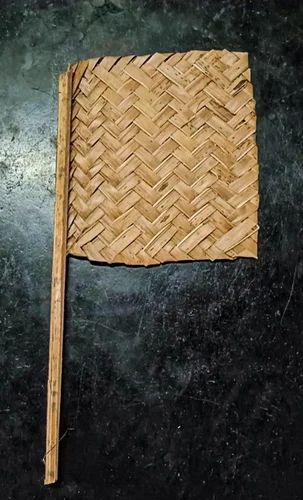
- vidhūpanaṁ (fan)
- Pāḷi‒2 allowances, 1 prohibition and 1 allowance (cḷv)
- Anujānāmi, bhikkhave, vidhūpanañca (fan) tālavaṇṭañca (palm fan)
- what is vidhūpana?
- (cḷv-a) vidhūpananti vījanī (/bījanī) vuccati (it is called vījanī / bījanī).
- a square-shaped fan
- extra note:
- burmese: a fan like a flag
- what is tālavaṇṭa (and its materials)?
- (cḷv-a) Tālavaṇṭaṃ pana tālapaṇṇehi vā kataṃ hotu (made of palm leaves) veḷudantavilīvehi vā (or of bamboo cane, ivory, bamboo slips) morapiñchehi vā (peacock feathers) cammavikatīhi vā (leather) sabbaṃ vaṭṭati (all are allowable).
- background
- Visākhā offered a vidūpana fan and a palm-leaf fan, the Blessed One accepted them
- Anujānāmi, bhikkhave, makasabījaniṃ (a fan to ward off flies).
- what is makasabījanī?
- (cḷv-a) Makasabījanī (a fan to ward off flies) dantamayavisāṇamayadaṇḍakāpi (made of ivory, horn, wood) vaṭṭati, vākamayabījaniyā (fan made of bark) ketakapārohakun-tālapaṇṇādimayāpi (even made of palm leaves...?) saṅgahitā (included). (?)
- Na, bhikkhave, cāmaribījanī (yak-tail fan) dhāretabbā. Yo dhāreyya, āpatti dukkaṭassa.
Anujānāmi, bhikkhave, tisso bījaniyo –
vākamayaṃ (hemp / bark),
usīramayaṃ (fragrant root of vetiver grass),
morapiñchamayaṃ (peacock feathers).
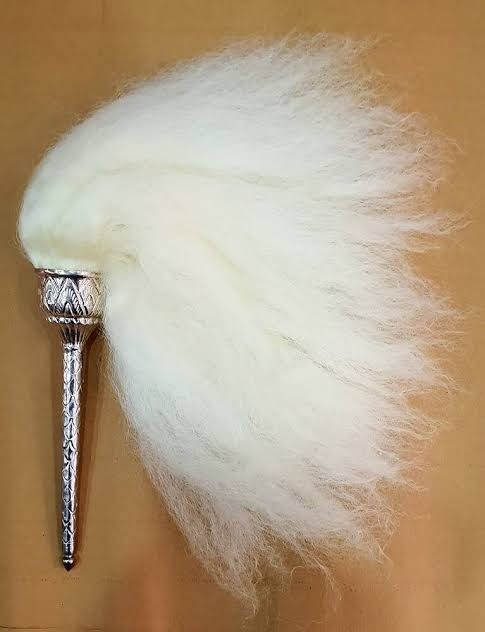
- what is cāmaribījanī?
- unclear; it might be a fan made from the tail or fur of cāmarī deer
- DPD: yak
- maybe this:
- vocab: #[[pāḷi vocab (2nd year)]]
- vilīva↔nt. bamboo slip ~
- usīra↔nt. fragrant root of vetiver grass
- vāka [valka]↔nt. bark; wood fibre
- cāmarī [camara + *a + ī]↔masc. yak; lit. having a whisk
- vaṇṭa [√vaṭ + a]↔nt. stalk
- makasakuṭika
- Pāḷi‒allowance (cḷv)
- Anujānāmi, bhikkhave, makasakuṭikaṃ.
- background
- monks were trobled by mosquitoes; The Buddha allowed a mosquito hut made of robes;
- what is a makasakuṭika?
- makasakuṭikāti cīvarakuṭikā (a hut made of robes) vuccati.
- note: nowadays a mosquito net; it seems to be a vebhaṅgiya (distributable) item
- parissāvana (water filters)
- 5 types (cḷv‒kdkvk)‒anujānāmi, bhikkhave
- parissāvanaṁ→a simple cloth filter
- kaṭacchuparissāvanaṁ→kaṭacchuparissāvanaṁ nāma tīsu daṇḍakesu (in 3 sticks) vinandhitvā (having bound) kataṁ (made) (cḷv-a)
- vnlkr-ṭ: smaller than pakatiparissāvana (not described in comm.)
- maybe a filter like a spoon (bhante)
- dhammakaraṇaṁ (dhammakarakaṁ (SL, TH))→seems to be a vessel filter; vnylkr-ṭ: smaller than kaṭacchu
- daṇḍaparissāvanaṁ→ daṇḍaparissāvananti rajakānaṃ khāraparissāvanaṃ viya (like the ones used by dyers / laundrymen) catūsu pādesu baddhanisseṇikāya sāṭakaṃ bandhitvā majjhedaṇḍake udakaṃ āsiñcitabbaṃ, taṃ ubhopi koṭṭhāse pūretvā parissavati. (difficult to understand)
- ottharakaṁ→ottharakaṃ nāma yaṃ udake ottharitvā (having spread over the water) ghaṭakena udakaṃ gaṇhanti (one collects water with a vessel), tañhi catūsu daṇḍakesu vatthaṃ bandhitvā (having tied 4 sticks with a cloth) udake cattāro khāṇuke nikhaṇitvā (having driven 4 poles into the ground in the water) tesu bandhitvā (and tied them) sabbapariyante udakato mocetvā (having released from the water) majjhe ottharitvā (having spread in the middle) ghaṭena udakaṃ gaṇhanti (one collects water with a vessel).
- made by placing poles in the water and fastening a large cloth on them covering the water; the center of the cloth sinks and the water that goes through it is filtered and is collected with any clean vessel
- while travelling
- Pāḷi‒2 prohibitions and one instruction (cḷv)
- Na, bhikkhave, addhānamaggappaṭipannena bhikkhunā (by a monk who is travelling a long journey) parissāvanaṃ yāciyamānena (asking for a filter) na dātabbaṃ (should not not give). Yo na dadeyya, āpatti dukkaṭassa.
- Na ca, bhikkhave, aparissāvanakena (without a filter) addhāno paṭipajjitabbo (a journey should not be undertaken). Yo paṭipajjeyya, āpatti dukkaṭassa.
- how much is addhānamagga
- minimum 1/2 yojana
- note: 1 yojana is about 8km (diddeniya's opinion)
- when is the offense committed?
- as soon as one leaves the monastery's boundary and for every step taken knowingly
- is unintentionally not an offense? #q🙋🏼♂
- sace na hoti parissāvanaṃ vā (if one does not have a strainer) dhammakaraṇo vā (or a dhammakaraṇa), saṅghāṭikaṇṇopi adhiṭṭhātabbo (the edge of the saṅghāṭi should be determined)‒iminā parissāvetvā pivissāmīti (I shall drink having filtered with this)
- what to do in case one does not have parissāvana / dhammakaraṇa on a journey?
- gihinivattha
- essay order
- Pāḷi‒6 prohibitions (cḷv)
- about the lower robe
- Na, bhikkhave, gihinivatthaṃ (laic attire) nivāsetabbaṁ (should not be worn [used for the lower robe])– hatthisoṇḍakaṃ, macchavāḷakaṃ, catukaṇṇakaṃ, tālavaṇṭakaṃ, satavalikaṃ. Yo nivāseyya, āpatti dukkaṭassa.
- description of these 5 styles (on emacs)
- hatthisoṇḍaka: wearing a garment that hangs down from the navel like an elephant's trunk
- macchavāḷaka: wearing a garment so that it flares out like a fish’s tail
- catukaṇṇaka: wearing a garment so that two corners hang from the top and the other ends from the bottom
- tālavaṇṭaka: wearing a garment that hangs down in a circular manner like a palm leaf
- satavalika: wearing a long garment with many pleats, gathered at one end to create multiple folds that hang down
- Na, bhikkhave, saṃvelliyaṃ nivāsetabbaṃ. Yo nivāseyya, āpatti dukkaṭassa.
- what is saṁvelli?
- wearing the robe in a in a tightly bound manner
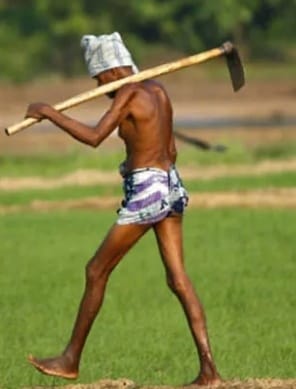
- is any other style included?
- any style used by the laity
- note: even when doing exercise or any activity
- how can a sick or healthy monk wear two lower robes?
- (cḷv-a) Gilāno pana anto kāsāvassa ovaṭṭikaṃ dassetvā (having folded one lower robe) aparaṃ upari nivāsetuṃ labhati (one can wear another on top). Agilānena (by a non-sick monk) dve nivāsentena saguṇaṃ katvā nivāsetabbāni. (two should be worn having made them properly [without wrapping them separately])
- clarify what the non-sick can do #q🙋🏼♂
- about the upper robe
- Na, bhikkhave, gihipārutaṃ (lay style) pārupitabbaṃ (should not be worn). Yo pārupeyya, āpatti dukkaṭassa.
- some other unallowable styles (cḷv-a)
- Sétambara Nirgranthas: cover only the upper part of their body with a white garment
- some paribbājakā expose their chest while draping a robe over both shoulders
- drunken laypeople fasten their shawls around the neck, letting the ends hang over the chest or back
- royal servants in the palace cover their heads completely, leaving only their eyes visible
- senior carpenters wear a long cloth (vetti) and wrap the rest around their bodies
- Brahmins pass their garment between the armpits and put their ends over the shoulders.
- what is the pālikāraka style and when is it allowable?
- (cḷv-a) yathā ca pāḷikārako bhikkhu (the monk who makes the line) ekaṃsapārupanena pārutaṃ vāmabāhuṃ vivaritvā (having worn it over one shoulder and opened the left arm) cīvaraṃ aṃsakūṭaṃ āropeti (lifts the robe over the shoulder),
evaṃ apārupitvā (not doing like this) sabbepi ete aññe ca evarūpe pārupanadose vajjetvā (having avoided faults in wearing) nibbikāraṃ parimaṇḍalaṃ pārupitabbaṃ (should be worn evenly without deformity). tathā apārupitvā (not having worn thus) ārāme vā antaraghare vā (in the monastery or village) anādarena (with disrespect) yaṃkiñci vikāraṃ karontassa (to whoever makes it change) dukkaṭaṃ.
- summary: pāli-kāraka is a monk who organizes the line during the alms round and other such duties; he raises the left side of the robe and places it over the left shoulder exposing it
- vmtvndn-ṭ, jnkbvs: not allowable at other times
- is it allowable for Pāḷikārakabhikkhu to wear like this? #q🙋🏼♂
- about others
- Na, bhikkhave, kañcukaṃ (shirt, jacket, coat)...na tirīṭakaṃ...na veṭhanaṃ (head coverings [jnkbvs]) dhāretabbaṃ. yo dhāreyya, āpatti dukkaṭassa.
- what is a kañcuka?
- jvkbvs: laic clothes such as shirts, jackets, coats, etc
- extra notes:
- vnylkr-ṭ: kañcukaṃ nāma sīsato paṭimuñcitvā (having worn from the head [worn by placing it over the head like a shirt) kāyāruḷhavatthaṃ (a cloth that is worn on the body)
- frequently used in the tpt as protective covering (armor, mail)
- Suttanipāta-a: Thaññapāyanakāle dhātiyo kañcukaṃ [p 1.68] paṭimuñcitvā purisavesena thaññaṃ pāyenti.
- or snakeskin: (DN-a) sarīraṃ khādayamānaṃ viya purāṇatacaṃ jigucchantoti imehi catūhi kāraṇehi sayameva kañcukaṃ pajahati.
- or net (apadāna)
- V. cdvml's comments on kañcuka, etc
- possible offense for making / wearing an aṁsakada (shoulder covering cloth) similar to a kañcuka
- when sick or in cold regions, kañcuka is also not allowed
- kaṇḍupaṭicchādi prescribed for covering skin diseases
- smtpsdk: only when robes were stolen (aññātakaviññattisikkhāpada)
- mem aid: aṁsakada, cold regions, kaṇḍupaṭicchādi, samantapasādika: stolen
- what should be done with robes of unsuitable color, kañcuka, veṭhana, and other garments of unallowable materials?
- robe:
- dye it again
- use it for bed sheets, furniture coverings, or patching
- as inner layer of the double-layered robe
- when there are tussles (?) on the cloth, they should be removed
- what is meant by tussles? #q🙋🏼♂
- (mhvg-a) Kañcukaṃ labhitvā phāletvā (having cut it) rajitvā (having dyed it) paribhuñjituṃ vaṭṭati. Veṭhanepi eseva nayo.
- garments of unallowable materials:
- use them as doormat/foot rugs
- vocab: #[[pāḷi vocab (2nd year)]]
- valika↔adj. having folds
- nivattha [ni + √vas + ta]↔adj. (+instr) clothed (in); wearing; dressed (in) ; 2 pp. worn; dressed in
- soṇḍā↔fem. elephant's trunk
- vāla↔masc. tail hair
- vāladhi [vāla + dhi]↔masc. tail
- pāruta [pa + ā + √var + *e + ta]↔pp. (of an outer garment) wrapped; covered; clothed; put on
- pārupitabba [pa + ā + √var + a + itabba]↔ptp. (of an outer garment) should be worn; should be dressed (in); should be put on; lit. to be wrapped around
- kañcuka [√kañc + uka]↔masc. covering; shell 2 masc. jacket, over-coat, mantle ✗ 3 masc. armour ✗ 4 masc. slough of a snake ✗
- tirīṭakaṁ↔nt. garment made of bark, strips used for that purpose
- āruḷha [ā + √ruh + ta]↔pp. ascended; boarded; embarked 2 adj. wearing; put on; lit. ascended
- cammakkhandhaka (mhv)
- upāhana & pādukā (mhv)
- upāhana
- upāhanas according to layers
- Pāḷi‒
initial ruling: 1 allowance and 3 prohibitions
amendment: 1 allowance and 1 prohibition
(mgv)
- (initial ruling)
Anujānāmi, bhikkhave, ekapalāsikaṃ (single layered) upāhanaṃ (sandals).
Na, bhikkhave, diguṇā (two-layered) upāhanā dhāretabbā.
Na tiguṇā upāhanā dhāretabbā.
Na guṇaṅguṇūpāhanā (many layers) dhāretabbā. Yo dhāreyya, āpatti dukkaṭassa.
- background‒story of V. Sona:
- he had delicate feet with hair on his soles; ordained and practiced walking-meditation with strong effort; his feet bled and he kept walking on his knees making the caṅkamana red with blood; The Buddha inquired about it, gave him a talk about balanced effort using the lute as an example (Sona was a lute player); he attained arahantship; the Buddha suggested him to wear sandals; he said that if the saṅgha was allowed, he would wear them; He allowed.
- why were sandals allowed?
- vjrbd-ṭ: Evaṃ sukhumālānaṃ (delicate) pādarakkhaṇatthaṃ (for the sake of protecting) upāhanā anuññātāti (slippers are allowed) dassanatthañca.
- what is guṇaṅguṇūpāhanaṃ?
- diguṇāti dvipaṭalā. tiguṇāti tipaṭalā. gaṇaṅguṇūpāhanāti catupaṭalato paṭṭhāya (4 or more layers) vuccati.
- Horner: sandals with upward of four linings
- amendment:
Anujānāmi, bhikkhave, omukkaṃ (used) guṇaṅguṇūpāhanaṃ. Na, bhikkhave, navā guṇaṅguṇūpāhanā dhāretabbā. Yo dhāreyya, āpatti dukkaṭassa.
- background:
- a devotee offered a multi-layered slippers; the monk did not accept them; Buddha allowed worn, discarded, or old; wearing a new one is a dkṭ; later relaxed for paccantajanapada;
- what is omukka and nava?
- omukkanti paṭimuñcitvā apanītaṃ (having worn and removed them). navāti aparibhuttā (unused).
- 32 unallowable upāhanas
- 14 unallowable upāhanas based on color
- Pāḷi‒7x2 prohibitions (mhv)
- na, bhikkhave, sabbanīlikā...
sabbapītikā...
sabbalohitikā...
sabbamañjiṭṭhikā...
sabbakaṇhā...
sabbamahāraṅgarattā...
sabbamahānāmarattā upāhanā dhāretabbā. yo dhāreyya, āpatti dukkaṭassāti.
- what is meant by sabbanīlika?
- sabbaṃva / sabbāva + nīlikā ⇒ sabbānīlikā
- sabbāsu + nīlikā ⇒ sabbānīlikā
- completely covered in blue color
- color explanations and examples
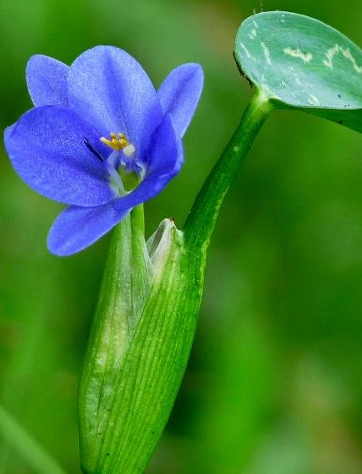
- sabbanīlikā upāhanā: entirely blue sandals‒umāpupphavaṇṇā (flax flowers‒linum usitatissimum; or the blue butterfly-pea flowers‒Clitoria ternatea)
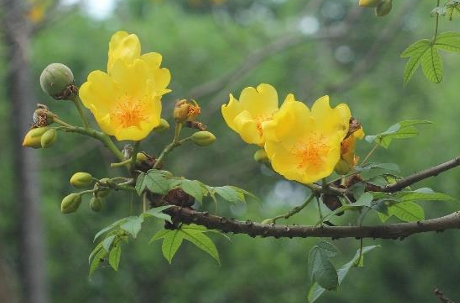
- pītikā: yellow‒kanikāra pupphavaṇṇā (Petrospermum Acerifolium)
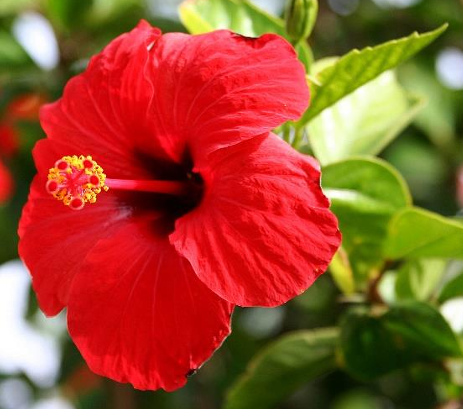
- lohitikā: red‒jayasumana pupphavaṇṇā (hibiscus or shoe flower‒Rosa sinensis)
- manjiṭṭhikā: reddish-brown‒manjiṭṭhavaṇṇā (Indian madder‒Rubia cordifolia)
- kaṇhā: black‒addāriṭṭhakavaṇṇā‒udakena (with water) tintakākapattavaṇṇātipi (the color of a crow's wings when wet) vadanti (it is said) (srtdpn-ṭ)
- kurundi-a: padumapupphavaṇṇā vuttā (mgv-a)
- jnkbvs: 2 or more colors mixed
- mahāraṅgarattā: satapadipiṭṭhivaṇṇā
- jvkbvs: suggests dark red with patterns as on a centipede’s back (not just plain red)
- mahānāmarattā: sambhinnavaṇṇā hoti paṇḍupalāsavaṇṇā (mixed color like mature leaves)
- is just accepting sandals with an unallowable color an offense?
- what should be done with sandals of unallowable colors?
- (mhv-a): appamattakepi (even a little bit) bhinne (breaking the color) vaṭṭatiyeva (is allowable)
- vmtvndn: Taṃ coḷādīhi (with cloth, etc) apanetuṃ na sakkā (is unable to remove) cammagatikameva (goes with the leather), tasmā taṃ vaṭṭatīti daṭṭhabbaṃ (should be seen as allowable)
- Na, bhikkhave, nīlakavaddhikā...
pītakavaddhikā...
lohitakavaddhikā...
mañjiṭṭhikavaddhikā...
kaṇhavaddhikā...
mahāraṅgarattavaddhikā...
mahānāmarattavaddhikā upāhanā dhāretabbā. Yo dhāreyya, āpatti dukkaṭassāti.
- background:
- chabbaggiyas wore such sandals and people criticized them: "seyyathāpi gihī kāmabhogino"
- what is vaddhikā?
- nīlakavaddhikāti yāsaṃ (of whatever) vaddhāyeva (the straps themselves) nīlā. eseva nayo sabbattha. etāpi vaṇṇabhedaṃ katvā dhāretabbā (it should be worn after having removed the color).
- what should be done with slippers of unallowable colors?
- wipe it off; if not possible, it can be worn, but nowadays we would change the color
- 10 unallowable upāhanas based on design
- Pāḷi‒10 prohibitions (mhv)
- 3 bindings
- na, bhikkhave, khallakabaddhā (with a leather binding to cover the heel)...
puṭabaddhā... (bound as a parcel‒Greek style)
pāliguṇṭhimā...(fully wrapped)
- 1 filling
- tūlapuṇṇikā...(filled with cotton)
- 5 animal designs
- tittirapattikā...(like patridge wings)
meṇḍavisāṇavaddhikā...(like ram horns)
ajavisāṇavaddhikā...(like goat horns)
vicchikāḷikā...(like scorpion tails)
morapiñchaparisibbitā...(sown with peacock feathers)
- 1 colorful
- citrā (colorful) upāhanā dhāretabbā. yo dhāreyya, āpatti dukkaṭassāti.
- what should be done with such unallowable footwear?
- (mhv-a) etāsu yaṃkiñci labhitvā (among these, whatever is accepted), sace tāni khallakādīni apanetvā sakkā honti (if it is possible to remove the unallowable part and wear it) vaḷañjituṃ, vaḷañjetabbā (it should be worn)
- meaning of each type
- khallakabaddhā→paṇhipidhānatthaṃ (for the sake of covering the heel) tale khallakaṃ bandhitvā katā (made having bound leather from the sole covering the heel [the entire heel])
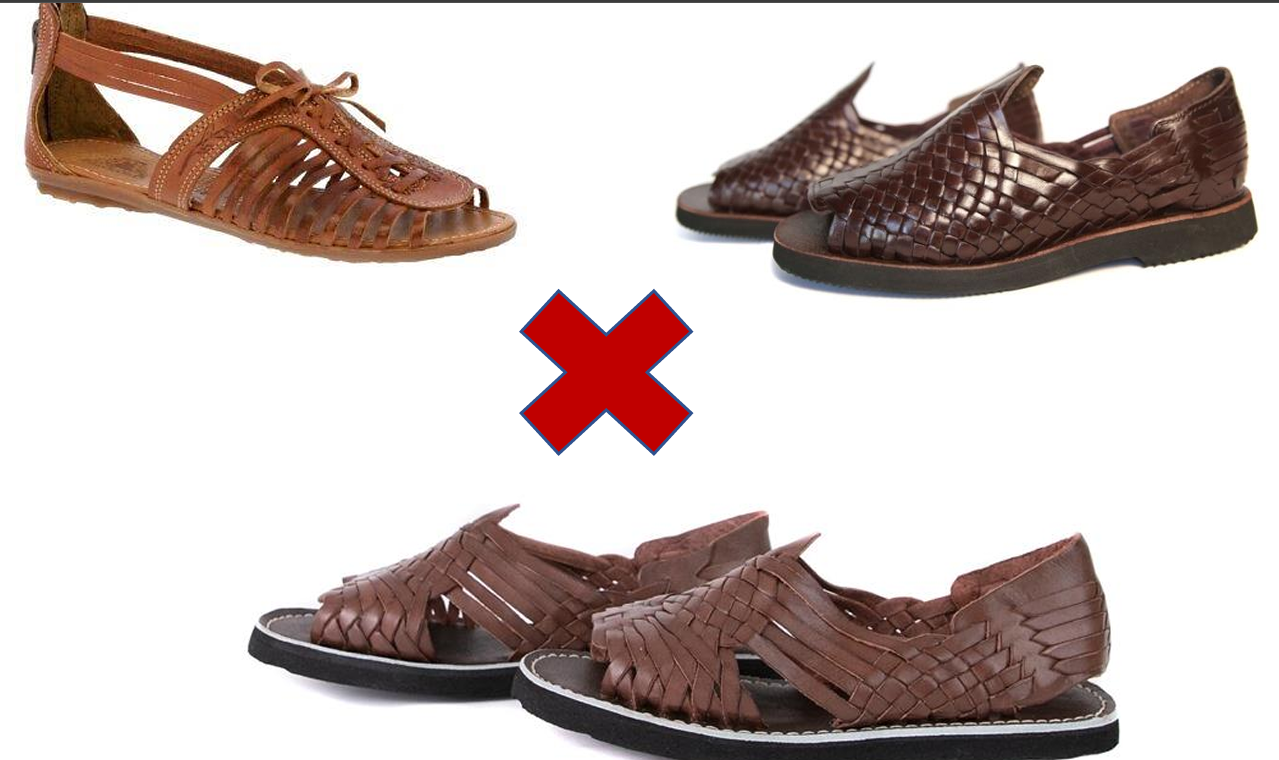
- are those that do not cover the entire heel allowable?
- yes
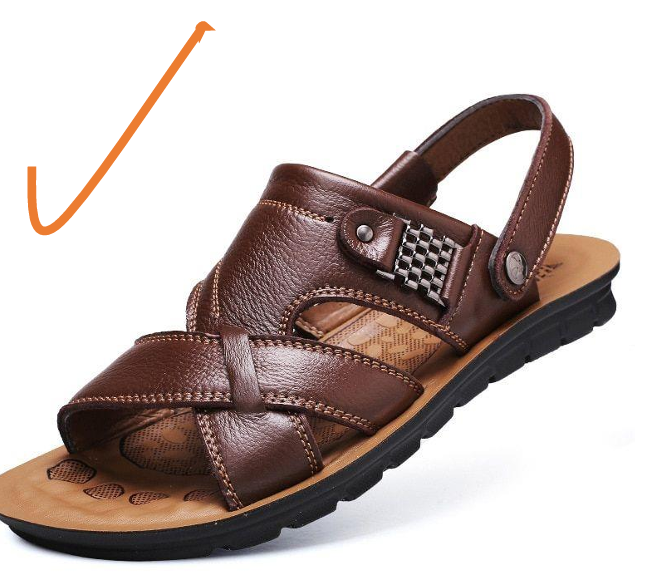
- is there a confirmation that it is the entire heel? some say any heel strap is included #q🙋🏼♂
- puṭabaddhā→yonakaupāhanā vuccati (is called the Bactrian, Ioninan, Greek sandals), yā yāvajaṅghato (whatever until the calves) sabbapādaṃ paṭicchādeti (covers the entire leg [until the knee])
- pāliguṇṭhimā→paliguṇṭhitvā katā (made by wrapping around / encircling), yā upari pādamattameva paṭicchādeti (it covers only the foot), na jaṅghaṃ (not the calves).
note: includes some used by kings and modern shoes
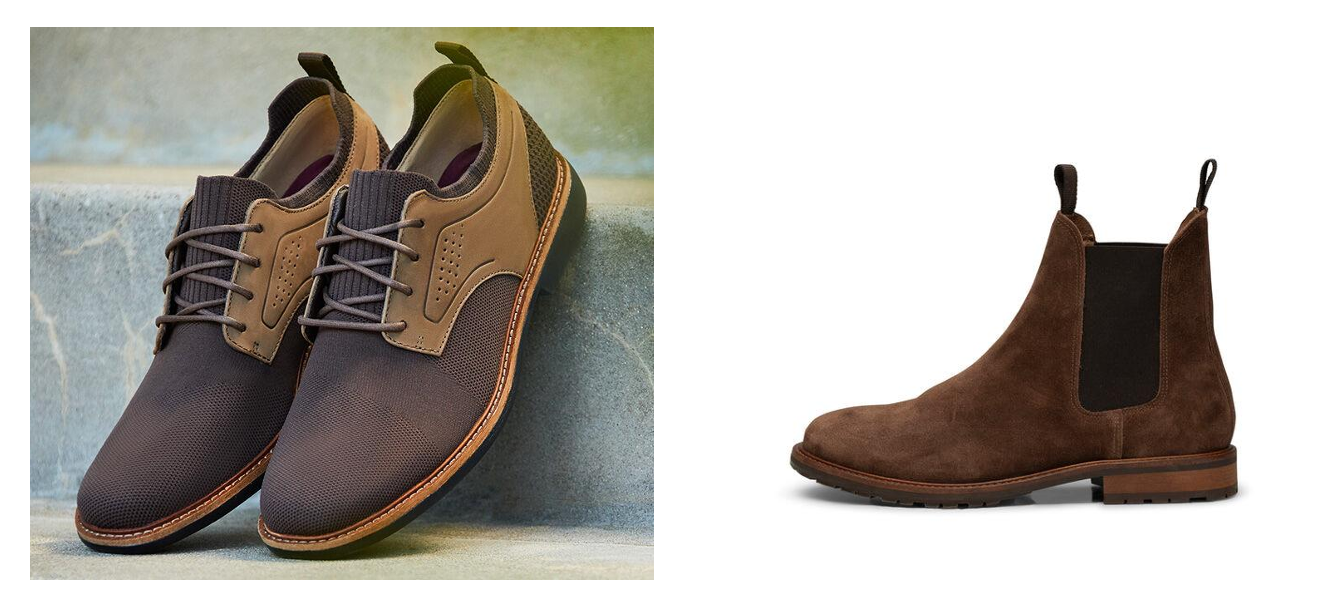
- does it include straps that hold the upper part of the foot?
- (vmtvndn) Aparigaḷanatthaṃ paṇhiuparibhāge apidhāya āropanabandhanamattaṃ vaṭṭati. A simple fastening strap is acceptable on the upper part of the foot.
- tūlapuṇṇikā→tūlapicunā pūretvā katā (made by filling it with cotton)
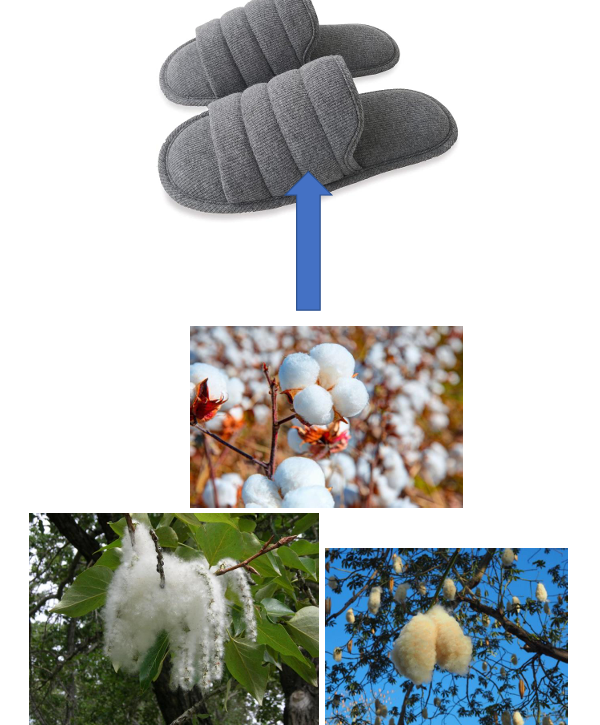
- tittirapattikā→ tittirapattasadisā vicittabaddhā (bound with adornments like patridge or quail wings [ṭnsr])
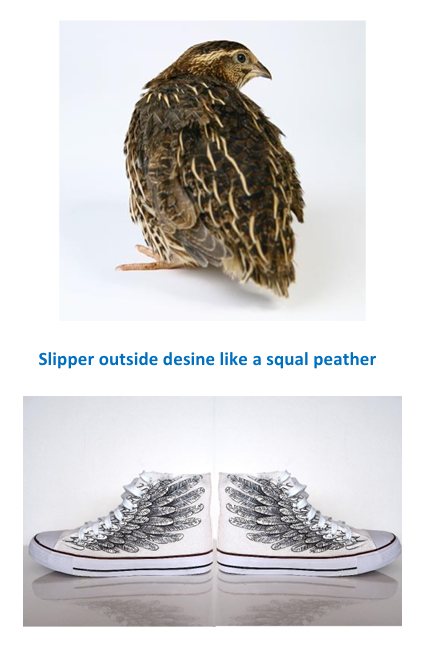
- meṇḍavisāṇavaddhikā→kaṇṇikaṭṭhāne (on the ears) meṇḍakasiṅgasaṇṭhāne (straps on the shape of a ram horns) vaddhe yojetvā (bound on the top) katā.
- ajavisāṇavaddhikā→same but as goat horns
- vicchikālikā→same but as scorpion tails
- morapiñchaparisibbitā→talesu vā vaddhesu vā (on the sole or on the straps) morapiñchehi (with peacock feathers) suttakasadisehi parisibbitā (sown with thread-like material).
- citrā→vicitrā (decorated [ṭnsr] / embroidered [horner])
- note: general principle→(cdvml) footwear that is decorated or resembles the examples given are not allowed
- 8 unallowable upāhanas based on type of leather
- Pāḷi‒8 prohibitions (mhv)
- na, bhikkhave, sīhacammaparikkhaṭā (decorated with lion skin)...
byagghacammaparikkhaṭā (tiger)...
dīpicammaparikkhaṭā (panther)...
ajinacammaparikkhaṭā (black antelope)...
uddacammaparikkhaṭā (otter)...
majjāracammaparikkhaṭā (cat)...
kāḷakacammaparikkhaṭā (bat)...
lūvakacammaparikkhaṭā (pakkhibiḷāla‒flying squirrel / owl [cdvml] / flying fox [horner, ṭnsr]) upāhanā dhāretabbā. yo dhāreyya, āpatti dukkaṭassa.
- what should be done with these footwear?
- the unallowable part should be removed and then it can be worn
- pādukā
- 20 unallowable pādukās made of other materials
- pāduka ≠ upāhanā ‒what is the difference?
- they must be different bc there are two different sekhiyas
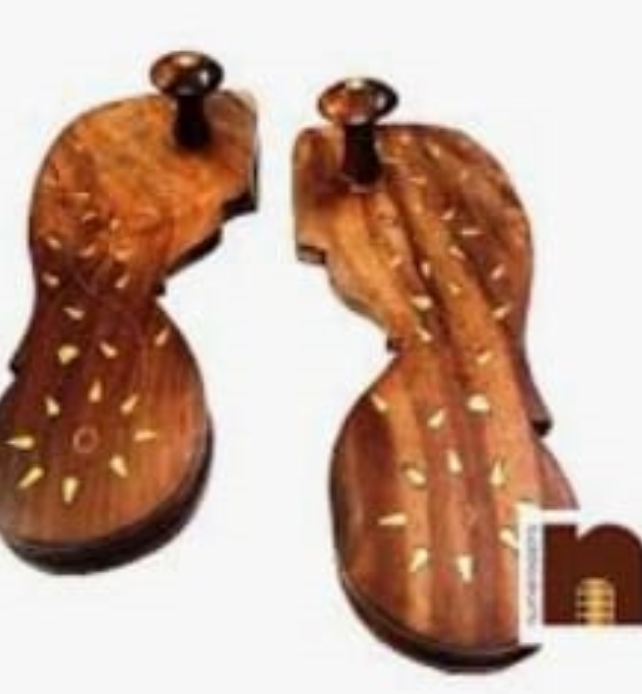
- pādukā: footwear with a wooden peg or button for the big toe to hold on to, often without straps, similar to what some Indian nationals use
- upāhanā: (jnkbvs) footwear with two or more straps
- Pāḷi‒20 prohibitions and 1 allowance (mhv)
- 3 prohibitions because of the chabbaggiyas
- Na, bhikkhave,
kaṭṭhapādukā (wooden footwear)...
tālapattapādukā (footwear made of palm leaves)...
veḷupattapādukā (footwear made of bamboo leaves) dhāretabbā. Yo dhāreyya, āpatti dukkaṭassa.
- background:
- kaṭṭha: chabbaggiyas made too much noise walking in the morning with wooden sandals which disturbed the samādhi of other monks and killed insects
- tāla, veḷu: chabbaggiyas fell palms and made sandals of palm leaves; people criticized; later the same with bamboo
- what is meant by kaṭṭha-, tālapatta-, and veḷupatta-pādukā?
- kaṭṭha:
- jnkbvs: wooden footwear (clogs) made entirely or partially of wood
- geta, patten, sabot, clog - footwear usually with wooden soles
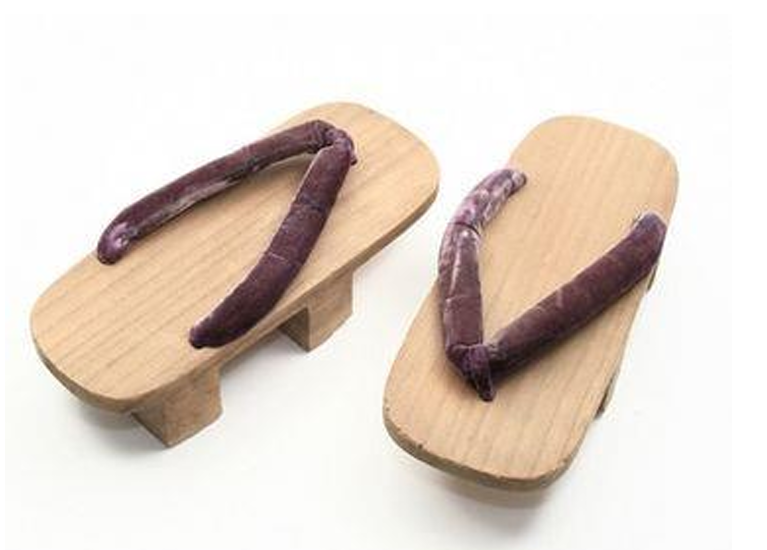
- note: even for health purposes
- tālapatta: made of palm leaves

- veḷupatta: made of bamboo leaves

- 16 prohibitions, 1 more prohibition, and 1 allowance because of the monks from Bhaddiya
- 5 plants
- 3 grass
- na, bhikkhave,
tiṇapādukā...(grass, straw)
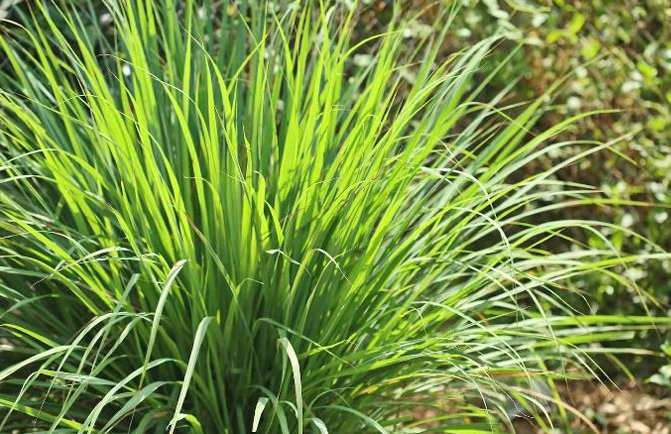
muñjapādukā...(muñja grass, white-hair grass)
pabbajapādukā...(cattail)
- muñja grass

- hintālapādukā...(marshy date palm)
kamalapādukā...(mountain lotus)
- hintāla

- kamala (to be confirmed)
- 1 from animal
- 10 materials as in patta
- sovaṇṇamayā...(gold)
rūpiyamayā...(silver)
maṇimayā...(gems)
veḷuriyamayā...(beryl, lapis lazuli)
phalikamayā...(crystal)
kaṃsamayā...(bronze)
kācamayā...(glass)
tipumayā...(tin, lead)
sīsamayā...(black lead)
tambalohamayā (copper) pādukā dhāretabbā. yo dhāreyya, āpatti dukkaṭassa.
- na ca, bhikkhave, kāci saṅkamaniyā pādukā (whatever portable footwear) dhāretabbā. yo dhāreyya, āpatti dukkaṭassa.
- anujānāmi, bhikkhave, tisso pādukā dhuvaṭṭhāniyā (fixed in place) asaṅkamaniyāyo – vaccapādukaṃ, passāvapādukaṃ, ācamanapādukaṁ.
- background
- in the city of Bhaddiya, monks spent their time making footwear
- what is asaṅkamanīya?
- (mhv-a) asaṅkamanīyāti bhūmiyaṃ suppatiṭṭhitā (well fixed on the ground) niccalā (immovable) asaṃhāriyā (not to be carried away).
- vaccapādukaṁ

- passāvapādukaṁ

- in the monastery (Pāḷi required for exam) (essay topic)
- essay order
- Pāḷi‒2 prohibitions and 1 allowance (mhv)
- Na, bhikkhave, ācariyesu ācariyamattesu upajjhāyesu upajjhāyamattesu (when the teacher, teacher-like, upajjhāya, or upajjhāya-like) anupāhanesu caṅkamamānesu (are walking meditation without slippers) saupāhanena caṅkamitabbaṃ (should not walk with slippers). Yo caṅkameyya, āpatti dukkaṭassa.
Na ca, bhikkhave, ajjhārāme upāhanā dhāretabbā. Yo dhāreyya, āpatti dukkaṭassa.
- background
- The Buddha was doing walking meditation barefoot; other monks followed His example; chabbaggiyas wore slippers
- 4 teachers in the cammakkhandhaka-a
- pabbajjācariya: the one who gave saraṇadāna
- upasampadācariya: those who conducted the higher ordination, specifically the kammavācācariya
- nissayācariya
- uddesācariya: the teachers who taught the Dhamma and Vinaya
- upajjhāyamatta
- a bhikkhu of 10 or more vassa
- ācariyamatta
- a bhikkhu of less then 10 vassa who is more senior than oneself and may be qualified to give oneself nissaya when he reaches 10 vassa
- ācariyamatta chart
- according to the book
- (my idea) (approved by bhante)
- 0 vassa ⇒ 6-9 vassa
- 1 vassa ⇒ 7-9 vassa
- 2 vassa ⇒ 8-9 vassa
- 3 vassa ⇒ 9 vassa
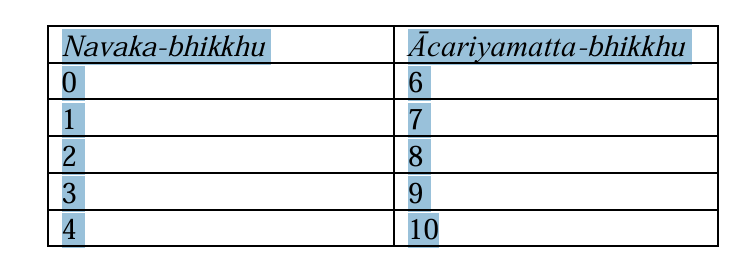
- why does it say 10 vassa, if it would then be upajjhāyamatta? #q🙋🏼♂
- shouldn't it be a range? 6-9, 7-9, 8-9, 9
- from the later section:
- Anujānāmi, bhikkhave, ajjhārāme (in the monastery) upāhanaṃ dhāretuṃ, ukkaṃ (torch), padīpaṃ (lamp), kattaradaṇḍaṃ (walking-stick).
- background
- monks stepped on thorns, etc when dark
- when sick
- Pāḷi‒allowance (mhv)
- Anujānāmi, bhikkhave, yassa pādā vā dukkhā (those whose feet hurt), pādā vā phalitā (whose feet are cracked), pādakhilo vā ābādho (who have corns) upāhanaṃ dhāretuṃ.
- background
- a monk with corns on his feet; monks carried him to the bathroom; Buddha inquired
- what is pādakhilābādha?
- (mhv-a) pādakhīlābādho nāma pādato (from the foot) khīlasadisaṃ maṃsaṃ (flesh like a post) nikkhantaṃ (comes out) hoti.
- jnvkbs:
- pādato nikkhantaṃ khīlaṃ yenāti ⇒ pādakhīlo;
pādakhīlo ca so ābādho cāti ⇒ pādakhīlābādho
- (pācittiyayojanā) pādatto nikkhantena khīlasadisena maṃsena pavattito ābādho ⇒ pādakhīlābādho
- (bhante) meaning: the growing of flesh or foot warts
- from the village section:
- IIT - Nissayamuttaka Course
- allowances for comfort and safety
- Pāḷi‒3 allowances (mhv)
- Anujānāmi, bhikkhave, ‘Idāni mañcaṃ vā pīṭhaṃ vā abhiruhissāmī”ti (I shall now get onto a bed or seat) upāhanaṃ dhāretuṃ.
- background:
- monks got onto bed / seats with dirty feet; their robes and the senāsana became dirty
- reason for the rule and modern practice
- floors were often made of cow dung and clay, dirtying the feet easily
- at present, most floors do not make one's feet dirty easily, so there is no need to wear sandals
- Anujānāmi, bhikkhave, ajjhārāme (in the monastery) upāhanaṃ dhāretuṃ, ukkaṃ (torch), padīpaṃ (lamp), kattaradaṇḍaṃ (walking-stick).
- background
- monks who walked at night without sandals suffered discomfort and pain as they stepped on stones and thorns
- Anujānāmi bhikkhave upāhanatthavikaṃ (sandal-bag)
- background
- a monk tied his sandals to his belt and entered the village for alms; the sandals hit a devotee’s head who was paying respect;
- in the village (Pāḷi required for exam) (essay topic)
- essay order
- Pāḷi‒prohibition and allowance (mhv)
- Na, bhikkhave, saupāhanena gāmo pavisitabbo. Yo paviseyya, āpatti dukkaṭassa.
Anujānāmi, bhikkhave, gilānena bhikkhunā saupāhanena gāmaṃ pavisituṁ.
- background
- chabbaggiyas entered the village wearing slippers; people criticized; Buddha made a prohibition; a sick monk could not walk without slippers; an allowance was given
- what is meant by gilānena here?
- mhv-a: ettha gilāno nāma yo na sakkoti (whoever is not able to) anupāhano gāmaṃ pavisituṃ (to enter the village without slippers).
- bhī-pc: Gilānā nāma (is called sick) yassā vinā (whoever without) chattupāhanaṃ na phāsu hoti (is not comfortable without an umbrella and slippers).
- (anāpatti section): Anāpatti gilānāya, ārāme ārāmūpacāre dhāreti (in the monasatery or its vicinity), āpadāsu, ummattikāya, ādikammikāyāti.
- vocab: #[[pāḷi vocab (2nd year)]]
- ekapalāsika↔adj. with a single layered sole #[[pāḷi vocab (2nd year)]]
- [sukhuma + āla] sukhumāla↔adj. delicate; refined; tender #[[pāḷi vocab (2nd year)]]
- tūlapicu↔masc. cotton-wool
- paliguṇṭhitvā [pari + √guṇṭh + itvā]↔abs. having wrapped around; having made a circle
- tittira↔masc. partridge
- kaṇṇika [kaṇṇa + ika] ~↔masc. rabbit. hare; lit. having ears 1 fem. pericarp, sheaf, house-top, ornament for the ear ✗ 2 fem. fungus, mould ✗
- meṇḍaka↔masc. ram, sheep
- siṅga↔nt. horn 2 masc. foppery; concern with appearance; love of finery
- vicitra [vi + √cit + ra] ✓↔adj. diverse; varied; lit. marked 2 adj. speckled; spotted; with various colours; lit. marked
- vaḷañja↔nt. (in cpds), track, trace, use, that which is secreted; -ti: pr. uses; consumes; partakes (of)
- luvaka↔flying squirrel, owl, flying fox (not clear)
- udda [√ud + ra]↔masc. amniotic fluid; lit. water 2 masc. otter
- ācamana [ā + √cam + ana]↔nt. washing; rinsing
- dhuvaṭṭhāniya↔adj. belonging to a fixed place
- saṅkamanīya↔portable
- kattaradaṇḍa↔masc. walking stick, staff ✗
- omukka [ava + √muc + ta]↔pp. loosened; unfastened; lit. freed down
- khallaka↔nt. (probably) leather (s.w. kh)
- ajina [aja + ina]↔nt. black antelope hide; lit. from goat
- puṭa [√puṭ + a]↔masc. (of leaves) container; cover; wrap; pocket; 2 masc. bag; sack ✗
- yāna (mhv)
- Pāḷi‒1 prohibition and 3 allowance (mhv)
- na, bhikkhave, yānena yāyitabbaṁ (should not go on a vehicle). yo yāyeyya, āpatti dukkaṭassā.
- background
- chabbaggiyas used chariots to go to the village; people criticized
- anujānāmi, bhikkhave, gilānassa yānaṃ.
- background
- a monk got sick on the way to seeing the Buddha; people offered transportation and he refused
- which vehicles are prohibited even for the sick?
- vehicles dragged by female animals
- who is included under gilāna?
- (vmtvnd-ṭ) sabbampi yānaṃ (all vehicles) upāhanenapi gantuṃ (to go with footwear) asamatthassa (cannot) gilānassa (to those who are sick) anuññātaṃ (it is allowed).
- can those who can walk with slippers use vehicles?
- ānujānāmi, bhikkhave, purisayuttaṃ (yoked to a bull [horner]) hatthavaṭṭakaṃ (hand-cart, rickshaw, trishaw [jnkbvs]).
- background
- monk wondered whether the vehicle could be driven or carried by females / males
- what is a hatthavaṭṭaka?
- vehicles or modes of transportation pushed or pulled by humans
- are present engine vehicles included?
- (jnkbvs) no, since they are not powered by human physical effort
- note: some old teachers included trains and cars under this term, but they do not fit the definition
- accounts in the tipiṭaka mention the Buddha and the Saṅgha using ships, such as to travel to the city of Vesāli (Gaṅgārohana-pūjā); they are not included
- (me): bhante uses this as an argument in favor of vehicles that do not depend on human effort, but often ships are rowed by humans
- what about the sex of the animal / driver?
- (mhv-a) purisayuttaṃ hatthavaṭṭakanti ettha purisayuttaṃ itthisārathi vā hotu (it can be yoked to a male with a female charioteer), purisasārathi vā vaṭṭati (or with a male charioteer are allowed). Hatthavaṭṭakaṃ pana itthiyo vā vaṭṭentu purisā vā, vaṭṭatiyeva (let a female or male drive the rickshaw; both are allowed)
- clarify what each vehicle here means #q🙋🏼♂
- anujānāmi, bhikkhave, sivikaṃ (palanquin, litter) pāṭaṅkiṃ (sedan chair, dooly).
- background
- one sick monk was uncomfortable with the jolting of the cart
- jnkbvs: stretcher / litter
- sivikā

- pāṭaṅkī


- vocab: #[[pāḷi vocab (2nd year)]]
- hatthavaṭṭaka↔masc. hand-cart
- sivikaṃ↔ palanquin, litter
- pāṭaṅkiṃ↔ sedan chair, dooly
- camma (mhv)
- Pāḷi‒3 prohibitions and 2 allowances (mhv)
- Na, bhikkhave, mahācammāni (great hides) dhāretabbāni, sīhacammaṃ byagghacammaṃ dīpicammaṃ. Yo dhāreyya, āpatti dukkaṭassa.
- background
- chabbagiyā monks used these skins
- Na, bhikkhave, gocammaṃ dhāretabbaṃ. Yo dhāreyya, āpatti dukkaṭassa.
- Na ca, bhikkhave, kiñci cammaṃ dhāretabbaṃ. Yo dhāreyya, āpatti dukkaṭassa.
- background
- a monk asked for a calf's hide from a blind-faith devotee; he killed it and offered the hide; Buddha prohibited gocamma; later all camma; comm: the rule was later relaxed
- is leather allowed for senāsana paribhoga?
- Anujānāmi, bhikkhave, gihivikataṃ (what is produced / belongs to the laity) abhinisīdituṃ (to sit), na tveva abhinipajjituṃ (but not lying down)
- background
- devotees prepared seats filled or woven with skins; monks did not sit on them; Buddha allowed sitting, but not lying down
- later under mahākaccānavara:
- anujānāmi, bhikkhave, sabbapaccantimesu janapadesu cammāni attharaṇāni‒eḷakacammaṁ, ajacammaṁ, migacammaṁ.
- Mahākaccānassa pañcavara
- background
- in Avanti, the devotee Soṇa Kuṭikaṇṇa requested for upasampadā, but only after insisting did he get it; it took 3 years to gather 10 monks; later, Soṇa went to see the Buddha and brought 5 boons from his teacher Mahākaccāna
- V. Mahākaccāna's pañcavara through V. Soṇa
- 1st request‒upasampadā
- reason and permission
- reason: it took 3 years to gather 10 monks for his upasampadā in the Avanti region
- permission: anujānāmi, bhikkhave, sabbapaccantimesu janapadesu (in all outlying regions) vinayadharapañcamena gaṇena (by a group of 5 lead by an expert in discipline) upasampadaṁ.
- 2nd request‒multi-layered slippers
- reason and permission
- reason: not easy to walk on the rough land of Avanti with single-layer slippers (it is hard, thorny, made rough by the hooves of cattle and has black, harsh, and uneven ground)
- permission: (mhv) anujānāmi, bhikkhave, sabbapaccantimesu janapadesu guṇaṅguṇūpāhanaṁ (multi-layered footwear).
- jnkbvs: based on this, sandals made from oxen skin, leopard skin, etc., are permissible
- (mhv-a) ettha manussacammaṃ ṭhapetvā (except human skin) yena kenaci cammena upāhanā vaṭṭati (slippers of any type of skin are allowed)
- 3rd request‒bathing
- reason and permission
- reason: in Avanti, people consider bathing in high regard and bathe frequently
- permission: anujānāmi, bhikkhave, sabbapaccantimesu janapadesu dhuvanahānaṁ (constant bathing).
- what is meant by dhuvanahānaṁ?
- daily or frequent bathing
- no offense from the nahānasikhāpada
- 4th request‒leather rugs
- reason and permission
- reason: in Avanti, sheep-, goat-, and deer-skins are used as rugs, just like eragū, moragū, majjārū, and jantū in the majjhima padesa
- permission: anujānāmi, bhikkhave, sabbapaccantimesu janapadesu cammāni attharaṇāni (leather spreads), eḷakacammaṁ (ram / sheep hide) ajacammaṁ (goat hide) migacammaṁ (deer hide).
- can other types of leather be used?
- (mhv-a) eḷaka- and aja-camma are allowed of any kind, but only certain types of migacamma are allowed; other types are not allowed (see the next point)
- vmtvndn: cammaṁ na vaṭṭatīti nisīdanattharaṇaṃ kātuṃ na vaṭṭati (not allowed to make as sitting spread), bhūmattharaṇādivasena (as a floor covering, etc) senāsanaparibhogo (for senāsana use) vaṭṭateva (is allowed).
- khuddasikkhāpurāṇa-ṭ: adds mīminna (swift antelope), vātamīga (wind deer) skins under migacamma
- extra notes:
- (mhv-a) cammāni attharaṇānīti ettha pana yaṃkiñci eḷakacammaṃ ajacammañca (here, whatever kind of goat or sheep hide) attharitvā (having laid out) nipajjituṃ vā nisīdituṃ vā vaṭṭati (is allowed to lie down or sit on). migacamme (among the deer hides) eṇīmigo vātamigo pasadamigo kuraṅgamigo migamātuko rohitamigoti etesaṃyeva cammāni vaṭṭanti (only these 6 types are allowed) aññesaṃ pana (of the remaining, it is said) –
- makkaṭo kāḷasīho ca, sarabho kadalīmigo,
ye ca vāḷamigā keci, tesaṃ cammaṃ na vaṭṭati.
tattha vāḷamigāti sīhabyagghaacchataracchā, na kevalañca etesaṃyeva, yesaṃ pana cammaṃ vaṭṭatīti vuttaṃ, te ṭhapetvā avasesā antamaso gomahiṃsasasabiḷārādayopi sabbe imasmiṃ atthe vāḷamigātveva veditabbā. etesañhi sabbesaṃ cammaṃ na vaṭṭati.
- (ṭīka) senāsanaparibhoge (for the use of senāsana) akappiya cammaṃ nāma natthi (there is no unallowable leather)
- 5th request‒robes
- reason and permission:
- reason: people offer robes to monks outside the sīma; when it reaches them, they do not accept it, fearing a nissaggiya offense
- permission: anujānāmi, bhikkhave, sādituṁ (to accept), na tāva taṁ gaṇanūpagaṁ (not until that start counting the days) yāva na hatthaṁ gacchati (until it doesn't reach the hand).
- when should one start counting the days for nissaggiya?
- from the moment one receives it or hears that a robe was offered to one
- no adhiṭṭhāna or vikappana is need until then
- among the allowances given here, which ones apply to foreign regions and which to all regions?
- the first 4‒upasampadā, upāhana, nahāna, and camma‒apply only to foreign regions, while the last one‒robes‒apply everywhere

- other rules
- Pāḷi‒7 prohibitions (mhv)
- na, bhikkhave, gāvīnaṁ (cattle)
visāṇesu (on the horns) gahetabbaṁ (should not grab),
na kaṇṇesu (by the ears) gahetabbaṁ,
na gīvāya (by the neck) gahetabbaṁ,
na cheppāya (by the tail) gahetabbaṁ,
na piṭṭhi abhiruhitabbā (should not mount on their backs). yo abhiruheyya, āpatti dukkaṭassa.
- na ca, bhikkhave, rattacittena (with a lustful mind) aṅgajātaṁ (their genitals) chupitabbaṁ (should not touch). yo chupeyya, āpatti thullaccayassa.
- na vacchatarī (calves) māretabbā. yo māreyya, yathādhammo kāretabbo.
- vocab: #[[pāḷi vocab (2nd year)]]
- cheppā↔fem. tail
- chupati [√chup + a + ti]↔pr. (+acc) touches; contacts
- vacchatarī [vaccha + tara + ī]↔fem. young heifer, calf; lit. female more than a calf
- exam notes
- there might be other essay questions, but they won't require Pāḷi
- commentary is not required in Pāḷi
- mcq from all the documents
- For explanation questions, essay question, opinion questions, etc. we are expected to give information in the following order:
- 1. Buddha’s rule, promulgation, or advice
- 2. Later related adjustments, rules, or promulgations
- 3. Commentarial explanations
- 4. sub commentarial explanations
- 5. explanations of more recent teachers such as Chandawimala Mahāthera, Janakabhivamsa Sayadaw, etc.
- 6. your opinion, conclusion, or explanation based on these sources.
- Whenever Bhante asks for a rule: Give the full rule even if the question gives the rule.
- Khandhaka Vinaya - Bhante Siddhatthālaṅkara
Assignment - Kaṭacchuparissāvana and Dhamakaraṇa
- ‒Assignment‒
- Make a kaṭacchuparissāvana and a dhamakaraṇa.
- ‒Group members‒
- Ven. Indriyasaṁvara (Cambodia)
- Ven. Ariyañāṇa (Brazil)
- Ven. Kassapa (Nepal)
- Ven. Gambhīrapañña (Laos)
- Ven. Dhammajota (Vietnam)
- ‒Process‒
- ‒Research‒
- The group gathered, and together read the available content relevant to the assignment beginning with the Cūḷavagga, and followed by the aṭṭhakathā and ṭīkas. Difficult passages were further clarified as much as possible with the assistance of Ven. Maggavihāritthero and Ven. Vijitānandābhivaṁsa.
- Some passages relevant to the assignment:
- Cūḷavagga, khuddakavatthukkhandhakaṁ:
- Relates how each filter / strainer came to be allowed by the Buddha‒parissāvana, kaṭacchuparissāvana, dhamakaraṇa, daṇḍaparissāvana and ottharaka‒tena kho pana samayena antarāmagge udakaṃ akappiyaṃ hoti...
- Cūlavaggaaṭṭhakathā, khuddakavatthukkhandhakaṁ:
- Briefly explains that the kaṭacchuparissāvana is made by binding three sticks‒"kaṭacchuparissāvanaṁ nāma tīsu daṇḍakesu vinandhitvā kataṁ"
- Describes the daṇḍaparissāvana, which is like the parissāvana used by laundryman / dyers, and the ottharaka, the largest type, made by placing poles in the water and fastening a large cloth on them covering the water. The center of the cloth sinks and the water that goes through it is filtered and is collected with any clean vessel.
- Vinayālaṅkāraṭīkā
- 34. pakiṇṇakavinicchayakathā, parissāvanakathā:
- Describes what addhānamagga is and the offenses related to carrying and sharing the parissāvana.
- Describes the kaṭacchuparissāvana as being smaller than the pakatiparissāvana, which is not described in the aṭṭhakathā.
- Mentions that the dhamakaraṇa is smaller than the kaṭacchuparissāvana and is explained in the parikkhārakathā.
- 2. parikkhāravinicchayakathā: explains where and how scraping (lekha) is allowed with regard to the dhamakaraṇa‒
- na dhammakaraṇacchatte, lekhā kācipi vaṭṭati,
kucchiyaṁ vā ṭhapetvā taṁ, lekhaṁ tu mukhavaṭṭiyan'ti.
- Vinayasaṅgahaaṭṭhakathā, parikkhāravinicchayakathā: described in which parts of the dhamakaraṇa scraping is allowed.
- dhamakaraṇachattakassa upari vā heṭṭhā vā dhamakaraṇakucchiyaṃ vā lekhā na vaṭṭati, chattamukhavaṭṭiyaṃ panassa lekhā vaṭṭati.
- ‒Designs‒
- After gathering information about the parissāvanas, the group brainstormed different designs for each parissāvana, and settled for one design for dhamakaraṇa and two for kaṭacchuparissāvana.
- Dhamakaraṇa: an umbrella-shaped vessel with a small orifice on its top, and a filter attached to its rim.
- Kaṭacchuparissāvana: considering the short description of it being made with three sticks, various designs could be made. The group decided on 2 models.
- Model 1: Instead of a triangular strainer, made by binding three sticks, the group settled for a racket-like parissāvana with a stirdy handle and a creative design that uses precise partial cuts to allow bamboo to be bent, and makes the model free from joints, made of a single piece of bamboo.
- Model 2: A more sophisticated three-layered filtration system on a mobile tripod that does not require digging, can be carried around fairly easily, and possesses multiple other practical applications in the forest. It comes with a convenient bag with a shoulder strap for the canes and another for the filtering material.
- ‒Gathering materials‒
- The materials were selected for each model considering sustainability, environment-friendliness, availability, and durability.
- The Dhamakaraṇa was chosen to be made of the hard shell (endocarp) of coconut, taking advantage of its natural curved shape and availability.
- The Kaṭacchuparissāvana Model 1 was chosen to be made of a single piece of cured bamboo, using a creative way of partially cutting it, allowing it to be bent in a circular shape, while retaining its strength.
- The Kaṭacchuparissāvana Model 2 was chosen to be made of three bamboo canes cured with fire to remove natural oils that make it less durable and subject to termite and bug attacks. The natural indentations in each joint of the canes facilitates the tying of the filters bearing the water-purifying materials. The wood charcoal was directly collected from the logs to avoid contamination. The sand was collected from the natural stream and desinfected.
- All the joints were handmade using a simple yet efficacious technique for turning reeds or grass into strong natural ropes by partially drying them and twisting them together.
- The filters were made of two layers of natural undyed cloth according to availability.
- ‒Processing of materials‒
- After the materials were collected, the group began delegating tasks and processing the materials using the necessary tools and assistance, regularly updating the other members on the stages of the process, difficulties and breakthroughs.
- ‒Testing‒
- When all filters were completed successfully, the group again joined multiple times and tested each filter to check for their efficiency and make necessary adjustments and improvements.
- ‒Report‒
- Having documented the process and gathered the necessary information, the report was put together.
- ‒Instructions‒
- How to use the Dhamakaraṇa
- The dhamakaraṇa is a simple yet effective tool for filtrating small amounts of water for personal use making use of the force of vaccum. Place the cloth filter firmly covering its mouth, and while keeping its mouth downwards, submerge it partially in water. The water goes through the filter filling the hollow body. With a finger, close the orifice on top of the filter, and then raise the dhamakaraṇa from the water. Due to the vaccum created, the water remains in the body of the dhamakaraṇa and can be then released into a clean container either by uncovering the orifice or by turning it upside down and allowing the filtrated water to ooze out from the orifice. The filter can be easily removed and washed regularly.
- How to use the Kaṭacchuparissāvana Model 1
- The first model of kaṭacchuparissāvana requires little explanation and can be used by simply pouring water through it into a clean container. It can filter fairly large amounts of water, and is easy to wash and carry around. It comes with a convenient handmande rope attached to its handle.
- How to use the Kaṭacchuparissāvana Model 2
- The third model can be carried around in a bag with a shoulder strap. It can be prepared easily by spreading out the three canes evenly into a tripod, fastening the three filters in place, and pouring water from the top. The water goes through the filters, which act as pockets that can be filled with purifying material for the water. In this case, the three pockets are filled with sand, wood charcoal and cotton wool. A clean vessel should be placed under the filters to collect the filtrated water. The filters can be easily untied and washed, and the filtering material removed or replaced. Without the filters, the tripod can double as a stand for hanging pots, boiling water, holding poles, protecting fires, breaking winds, etc.
- ‒Time‒
- Altogether, the entire process, from the period of Research to the editing of the Report lasted approximately 106 collective hours spread throughout 7 days.
- research 5
- design 3
- gathering 4
- processing 6h
- testing 2 hour
- report 6 hours
- total 20 x 5 = 106 hours
- ‒Conclusion‒
- The process of accomplishing the assignment provided opportunity for the group members to work cooperatively and coordinately, and increased communication and syntony between the members. The basic skills developed, such as making ropes with natural materials, curing bamboo, sewing, organizing meetings and to-do lists, and writing a report add to the deck of skills that assist monks in being independent and able to work cooperatively.
- Signatures
- Ven. Indriyasaṁvara (Cambodia)
- Ven. Ariyañāṇa (Brazil)
- Ven. Kassapa (Nepal)
- Ven. Dhammajota (Vietnam)
- Ven. Gambhīrapañña (Laos)