Vibhaṅga Vinaya (Semester III) – Bhante Maggavihāri
Vinaya
- vibhaṅgavinaya - Bhante Maggavihāri
- pācittiya #edited
- musāvādavaggo
- pāḷi
- sampajānamusāvāde pācittiyaṃ
- omasavāde pācittiyaṃ
- bhikkhu pesuññe pācittiyaṃ
- yo pana bhikkhu anusampannam padaso dhammam vaceyya pācittiyam
- yo pana bhikkhu anupasampannena uttaridirattatirattaṃ sahaseyyaṃ kappeyya, pācittiyaṃ.
- yo pana bhikkhu anupasampannassa uttarimanussadhammaṃ āroceyya bhūtasmiṃ, pācittiyaṃ
- musāvādasikkhāpadaṃ #edited
- Sampajānamusāvāde pācittiyaṃ.
In deliberate false speech, [there is a case] involving expiation.
- description of the training rule
- what is musāvāda? #[[vibhaṅga exam]]
- the intentional act (cetanā) (1)
to deceive another (2)
done bodily or verbally (3)
by expressing a subjectively false information (diṭṭha, suta, muta viññāta as adiṭṭhādi...or vice-versa) (4)
mem aid: intention (1, 2), doors (3), content (4)
- 2 types of lies according to attha
- atthabhañjaka (a lie that destroys other's benefits): these are heavier lies, for example: lying in court; such lies have never been uttered by bodhisattas
- anatthabhañjaka (a lie that does not destroy other's benefits): these are lighter ones; these might be committed by bodhisattas but not by ariyas
- note:
- bhañjaka↔adj. who breaks or spoils #[[pāḷi vocab (2nd year)]]
- bodhisattas, after the prophecy, never utter atthabhañjakamusāvāda
- sotāpanna doesn't commit both (acc. to Vajirabuddhi)
- sammappayoga / sammāpayoga↔skillful means to avoid lying while concealing information #[[pāḷi vocab (2nd year)]]
- this is a (sacittaka / acittaka?) sacittaka (saññāvimokkha / nosaññāvimokkha?) saññāvimokkha offence
- instances of offenses
- 6 types of musāvādas recorded in Vinaya
- the pārājika offence (prjk 4 - uttarimanussadhammasikkhāpada)
- the thullaccaya for indirectly claiming uttarimanussadhamma
- the saṅghadisesa offences (sghds 8 and 9 - paṭhama and dutiya duṭṭhādosasikkhāpada)
- the pācittiya offence (pc 1): all other lies
- the pācittiya offence that occurs when groundlessly accusing another monk of a sghds offence (pc 76)
- extra ones (TBC): #q🙋🏼♂
- Pc 24: wrongfully accusing a properly authorized bhikkhu of exhorting bhikkhunīs for worldly gain.
- Pc 73: feigning ignorance of a pāṭimokkha rule that you broke.
- need to check in more detail, maybe it could be done lying or not
- the dukkaṭa offence that occurs when groundlessly accusing a bhikkhu of committing a minor offence (offences other than pārājikā and saṅghādisesa)
- note:
- keeping silence: dkṭ offense called musāvāda, but not an actual musāvāda
it applies during the pātimokkha recitation (and aññāvādaka vihesaka pācittiya, though the latter is not classified as musāvāda)
note: one should not interrupt the pātimokkha recitation - if an offense is recalled one should report it to a nearby monk and confess it later #q🙋🏼♂
- bmc1: when a lie would come under another rule (e.g., Pr 4; Sg 8 & 9; Pc 13, 24, 76), the penalties assigned by that rule take precedence over the ones assigned by this rule #q🙋🏼♂
- saying a lie in jest: pc
- non-offense
- instances where a lie does not occur
- davā bhaṇati / sahasā bhaṇati: without having investigated or considered, one says something in haste
- ravā bhaṇati: while intending to say one thing, accidentaly saying something else, such as saying "cīraṁ" instead of "cīvaraṁ"
- factors
- sampajāna: intention to deceive another
- musāvāde: expressing the lie bodily or verbally to another
- note:
- vijānana: the listener's understanding is not a mitigating factor (for upasampanna)
- for sāmaṇera, understanding is necessary for the sīla to be broken
- for upasampanna, the other does not need to understand it
- for kammapatha, the other must be deceived by it (acc. to bhāsaṭīkā)
- omasavādasikkhāpadaṁ #edited
- Omasavāde pācittiyaṃ.
- description
- what is omasavāda? #[[vibhaṅga exam]]
- it is the intentional act (cetanā) rooted in anger (1)
of belittling (omasati), insulting (khuṁseti) or despises (vambheti) another (2)
done bodily or verbally (3)
by using one of the ten akkosa vatthu (4)
- 3 types of omasavāda:
- omasati - belittles, lit. rubs down
- khuṃseti - insults
- vambheti - despises
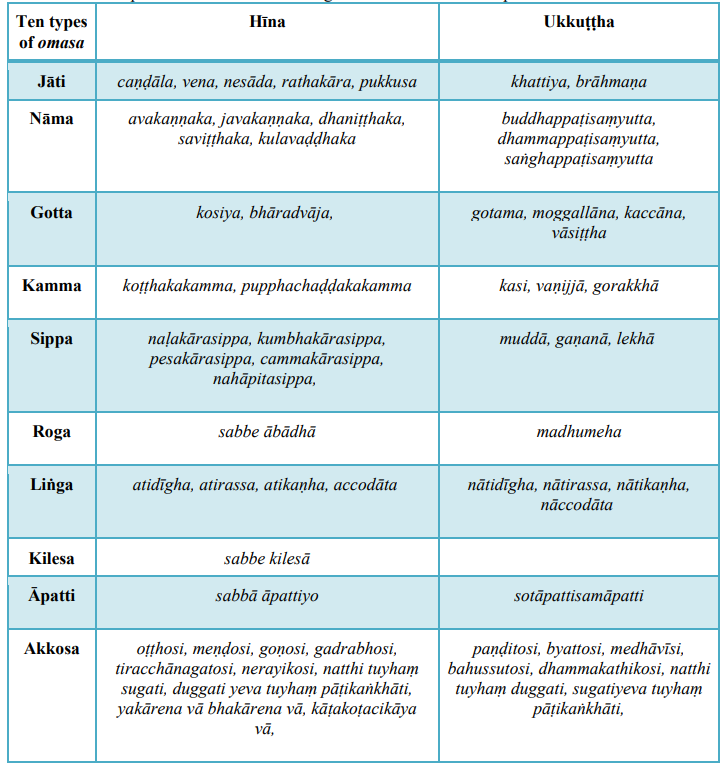
- 10 akkosavatthu #[[vibhaṅga exam]]
- jāti (social class) - example of hīna / ukkaṭṭha
- hīna: caṇḍāla
- ukkaṭṭha: khattiya
- nāma (name) - example of hīna / ukkaṭṭha
- hīna: avakaṇṇaka (droppy ear)
- ukkaṭṭha: buddhappaṭisaṁyutta
- gotta (tribe, family, clan) - example of hīna / ukkaṭṭha
- hīna: kosiya
- ukkaṭṭha: gotama
- kamma (occupation, job) - example of hīna / ukkaṭṭha
- hīna: pupphachaḍḍakakamma (toilet cleaner)
- ukkaṭṭha: kasi
- sippa (craft) - example of hīna / ukkaṭṭha
- hīna: naḷakārasippa
- ukkaṭṭha: gaṇanā
- ābādha (ailments) - example of hīna / ukkaṭṭha
- hīna: sabbe ābādha
- ukkaṭṭha: madhumeha
- liṅga (physical features, gender) - example of hīna / ukkaṭṭha
- hīna: atidīgha, atirassa, atikaṇha, accodāta
- ukkaṭṭha: nātidīgha, nātirassa, nātikaṇha, nāccodāta
- kilesa (defilements) - example of hīna / ukkaṭṭha
- āpatti (offences / attainments) - example of hīna / ukkaṭṭha
- hīna: sabbā āpattiyo
- ukkaṭṭha: sotāpattisamāpatti
- akkosa (insults) - example of hīna / ukkaṭṭha
- hīna: goṇosi
- ukkaṭṭha: paṇḍitosi
- note: #[[vibhaṅga exam]]
- hīna: those that are belittled, humiliated, disgusted, indulged and disrespected
- ukkuṭṭha: names etc. that are not belittled, not humiliated, not disgusted, not indulged and not disrespected
- note:
- 40 omāsavāda offences #[[vibhaṅga exam]]
- low ⇒ low (insulting a caṇḍāla as caṇḍāla)
- insulting a bhikkhu of a lower social class with a lower social class topic
- low ⇒ high (insulting a caṇḍāla as khattiya)
- Insulting a bhikkhu of a lower social class with a higher social class topic
- high ⇒ low (insulting a khattiya as caṇḍāla)
- insulting a bhikkhu of a higher social class with a lower social class topic
- high ⇒ high (insulting a khattiya as khattiya)
- nsulting a bhikkhu of a higher social class with a higher social class topic
- note: these 4 ways X 10 akkosavatthu = 40
- nature of the offense
- this is a (sacittaka / acittaka) sacittaka, (saññāvimokkha / nosaññāvimokkha) saññāvimokkha offence
- instances of offences #[[vibhaṅga exam]]
- directly offending a bhikkhu ⇒ pct
doing so indirectly, saying "someone here is a caṇḍāla" ⇒ dkṭ
directly offending an anupasampanna (including bhikkhunīs) ⇒ dkṭ
doing so indirectly ⇒ dkṭ
doing so to an upa / anupa in jest ⇒ dbhs
- dubbhāsitāpatti #[[vibhaṅga exam]]
- what is it and what it consists of?
- it is the lightest offenses in vinaya
- there are no specific rules for them
- consists of the same as omasavāda but done as a joke / in jest
- can be divided into 40 as well
- anāpatti #[[vibhaṅga exam]]
- atthapurekkhārassa: to one who explains the meaning of the teachings
- dhammapurekkhārassa: to one who recites parts of the Tipiṭaka
- anusāsanipurekkhārassa: to one who advises another
- aṅgāni
- listener:
- is upasampanna
- knows that one is being insulted
- act:
- speaking directly
- not attha-, dhamma-, anusāsani-purekkhārassa
- note: whether the lister feels offended or not does not matter
- pesuññasikkhāpadaṁ #edited
- Bhikkhu pesuññe pācittiyaṃ.
In the backbiting of a bhikkhu, [there is a case] involving expiation
- vocab: #[[pāḷi vocab (2nd year)]]
- pesuñña [√pis + uṇa + *ya] nt.→divisive speech; slander; defamation; denigration; back-biting
- description
- what is pisuṇāvācā?→it is the slanderous speech that disrupts courteous relationships between others causing quarrels and division - A belittles (omasavāda) B, and C, intending to slander A, informs B about it
- 2 objectives behind slandering
- bhedanādhippāya: intention to break trust between parties by undermining or damaging positive relationships
- piyakamyatā: intention to manipulate others into extending pleasant interactions or favorable treatment (gaining favors)
- perception and intention
- this is a (sacittaka / acittaka?) sacittaka (saññāvimokkha / nosaññāvimokkha?) saññāvimokkha offence
- instances of offences
- A does omasavāda towards B to C, and C, intending to slander A, informs B about it
or A does omasavāda towards B (by himself or to anyone), C gets to know it and, intending to slander A, informs B about it
(C is always upa since this is a rule for upa)
if A, B and C were upa: pc
saying 1 divisive word: 1 pc
saying 2 divisive words: 2 pc
if B were a bhī: dkṭ (bhī are anupa here)
if B were an anupa: dkṭ
if A and B were anupa: dkṭ (if there were anupa involved it is dkṭ)
informing while intending to look down (pāpagarahitāya): anāpatti
- anāpatti
- na bhedādhippāyena na piyakamyatāya
- pāpagarahitā vadantassa
- ummattakādi
- aṅgāni
- sharing the abusive words uttered by an upa with another upa
- intention of bhedanādhippāya or piyakamyatā
- the listener understanding what is being said
- notes:
- pesuñña is related to omasavāda
- padasodhammasikkhāpadam #edited
- Yo pana bhikkhu anusampannaṁ padaso dhammaṁ vāceyya pācittiyam.
If any bhikkhu should have one who has not been fully admitted recite the Dhamma [line] by line, [this is a case] involving expiation.
- background
- Buddha in Jetavana, Sāvatthi
chabbaggiyas were reciting the Dhamma together with upāsakas and the upāsakas started to not be respectful, not be humble and to be malicious towards bhikkhus
this lead to the promulgation of the rule
- description
- 'Dhamma', according to this training rule, refers to teachings that are recorded in the Tipiṭaka and were expounded either by
- buddhabhāsita: the Buddha
- sāvakabhāsita: his disciples
- isibhāsita: by hermits
- devatā bhāsita: by devas
- (original) aṭṭhakathā: explanations found in commentaries; the modern aṭṭhakathā, though not the original aṭṭhakathā, is still included as so for containing the essence of the original
- the aṭṭhakathā in pāḷi was translated into sinhala and then again translated back into pāḷi and summarized
- when abhayagiri started teaching dhamma mixed with other teachings, the aṭṭhakathā in pāḷi was translated into sinhalese in order to preserve it
- pada is fourfold as follows
- pada: the 1st word (ending with a case ending [
vibhattyantaṁ padaṁ
]) of a phrase or of a sentence, or the first line of a verse
- anupada: the 2nd word of a phrase or of a sentence, or the 2nd line of a verse
- what about the third? #q🙋🏼♂
- anubyañjana: a group of letters which are either not a complete stem like the morpheme ‘pubbaṅ’ of the word ‘pubbaṅgamā’, or a stem - word without the case ending - like ‘pubbaṅgama’
- anvakkhara: a single letter or syllable
- note:
- English terms for verses according to their length:
- 1 line: monostich
- 2 lines: couplet
- 3 lines: tercet / triplet
- 4 lines: quatrain
- 5 lines: quintain (kwĭn′tən) / cinquain (sĭng′kān′, săng′-)
- 6 lines: sestet (sĕ-stĕt′) / hexastich (ˈhɛksəˌstɪk)
- 7 lines: septet / septette (sĕp-tĕt′) / heptastich
- 8 lines: octave
- 9 lines: spenserian
- 10 lines: dizain (dɪˈzeɪn) / rondeau
- 12 lines : roundeau prime
- 13 lines: roundel / rondeau (rŏn′dō, rŏn-dō′)
- 14 lines: sonnet (sŏn′ĭt)
- what is the purpose of this rule?→to avoid situations in which the anupa may know a text the upa does not, where the anupa's respect for the upa may diminish
- instances of offenses
- if an upa recites Dhamma with anupa: pc
the number of offenses depends on: the number of pada recited
reciting what was not recited in the three Buddhist councils (such as rājovāda, tikkhindriya, catuparivattana, nandopananda, kilimbasutta or maggakathā): pc
reciting with a bhī: no offense (bhī are upa here)
according to pada:
upa recites with anupa "rūpaṁ aniccaṁ, vedanā aniccā": 4 pc
reciting a sestet: 6 pc
according to anupada:
upa recites "rūpaṁ aniccaṁ" and anupa only "aniccaṁ": 1 pc
upa recites a sestet and anupa the last 5 lines: 5 pc
according to anubyañjana:
upa recites "rūpaṁ aniccaṁ" and anupa "vedanā aniccā": 1 pc for the stem "anicca"
according to anvakkhara:
upa recites "rūpaṁ aniccaṁ" and anupa "rū": 1 pc for the single anvakkhara
upa recites a sestet and anupa only the 1st syllable ("ma"): 1 pc
- anāpatti
- if anupa joins uninvited (sajjhāyakaraṇe [?])
- if the text has been mostly memorized (yebhuyyena paguṇaganthaṁ bhaṇantassa)
- if they are learning the text under the same teacher (anupasampannena saddhiṃ ekato uddesaggahaṇe)
- if the teacher is anupa (tassa santike uddesagahaṇe)
- when correcting a mistake (osārentassa ca khalitaṭṭhāne "evaṁ bhaṇāhī"ti vacane ca ekato bhaṇantassāpi)
- ummattakādīnaṁ
- note:
- anupasampannena saddhiṃ ekato uddesaggahaṇe (when learning the text together), sajjhāyakaraṇe (?), tassa santike uddesaggahaṇe (when learning under the anupa), yebhuyyena paguṇaganthaṃ bhaṇantassa (for one who recites a text that has been mostly memorized), osārentassa ca khalitaṭṭhāne "evaṃ bhaṇāhī"ti vacane ca ekato bhaṇantassāpi, ummattakādīnañca anāpatti.
- perception and volition
- this is (acittaka / sacittaka?) acittaka, (saññāvimokkha / nosaññāvimokkha?) nosaññāvimokkha training rule.
- if upa recites with anupa having anupasampanna-saññā: pc
if in doubt: pc
if with upa-saññā: pc
this is a (ekaka / tika / catuka?) tika pācittiya
if upa recites with upa having anupa-saññā: dkṭ
if in doubt: dkṭ
if with upa-saññā: no offense
this is a (duka / tika?) duka dukkaṭa
- what do anupasampanna- and upasampanna-saññā and in doubt refer to?
- it means the upa perceives the individual he is reciting with to be an anupa / upa or he is in doubt about it
- aṅgāni
- "...anupasampannaṁ" - anupasampannatā: being an anupasampanna
- "...padaso dhammaṁ vāceyya" - vuttalakkhaṇaṃ dhammaṃ padaso vācanatā: reciting the mentioned Dhamma by pada
- ekato osāpanaṁ: reciting together
- paṭhamasahaseyyasikkhāpadaṃ #edited
- Yo pana bhikkhu anupasampannena uttariṃ dirattatirattaṃ sahaseyyaṃ kappeyya, pācittiyaṃ.
If any bhikkhu should make use of a sleeping place for more than two nights or three nights together with one who has not been fully admitted [into the bhikkhu-community], [this is a case] involving expiation.
- background
- Buddha: Aggālava Stupa, Ālavi
bhikkhus slept in the same area as devotees after dhammatalks; devotees criticized their behavior during the night
Buddha: Badarikārāma, Kosambhi
Sāmaṇera Rāhula ended up without sleeping quarters during the night due to the previous ruling and slept in the Buddha's toilet; the Buddha, getting to know about it in the morning, amended the rule allowing a maximum of 3 consecutive nights
- description
- purpose of the rule→when an upa sleeps with anupa, the anupa could develop disrespect towards the upa, after witnessing inappropriate sleep-related behaviors that may occur during his sleep
- channa↔roofed
- sabbacchanna↔entirely roofed
- yebhuyyacchanna↔mostly roofed (pc) (3/4+)
- upaḍḍhacchanna↔half-roofed (dkṭ)
- yebhuyya acchanna↔mostly not roofed (1/4 or less) (dkṭ)
- acchanna↔unroofed (anāpatti)
- paricchanna↔screened - by anything from a cloth to a wall (minimum 1 1/2 mph high)
- sabbaparicchanna↔the entire perimeter is fully screened (pc)
- a transparent (such as glass) screen would still count, it seems, becuse it prevents entry...but isn't it about concealing / hiding those inside? because the yebhuyyaparicchanna still counts as an offense but allows entry #q🙋🏼♂
- yebhuyyaparicchanna↔the perimeter is mostly screened (pc) (3/4+)
- upaḍḍhaparicchanna↔the perimeter is half-screened (dkṭ)
- yebhuyya-aparicchanna↔the perimeter is mostly unscreened (dkṭ) (1/4 or less)
- aparicchanna↔the perimeter is not screened or the screen is not high enough
- note:
- minimum height of the screen→1 1/2 mph (it need not be connected to the ceiling)
- ekūpacāra↔the area accessible from one single entrance; any other entrance must be sealed in order not to count
- nānūpacāra
- the areas that are only accessible from different entrances, requiring one to leave the building and enter from another entrance in order to access it
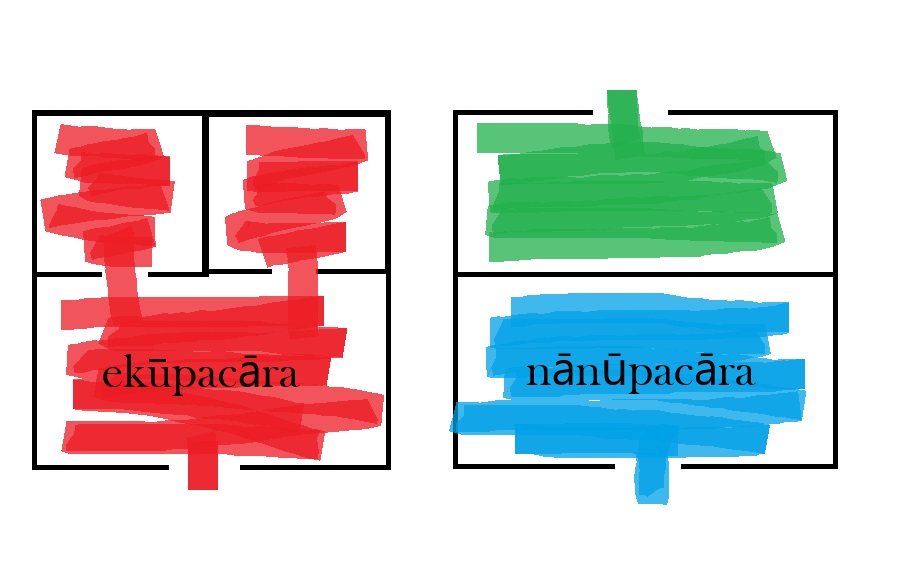
- note:
- what if the way between two ekūpacāra areas is screened? #q🙋🏼♂
- then, all of it would become ekūpacāra
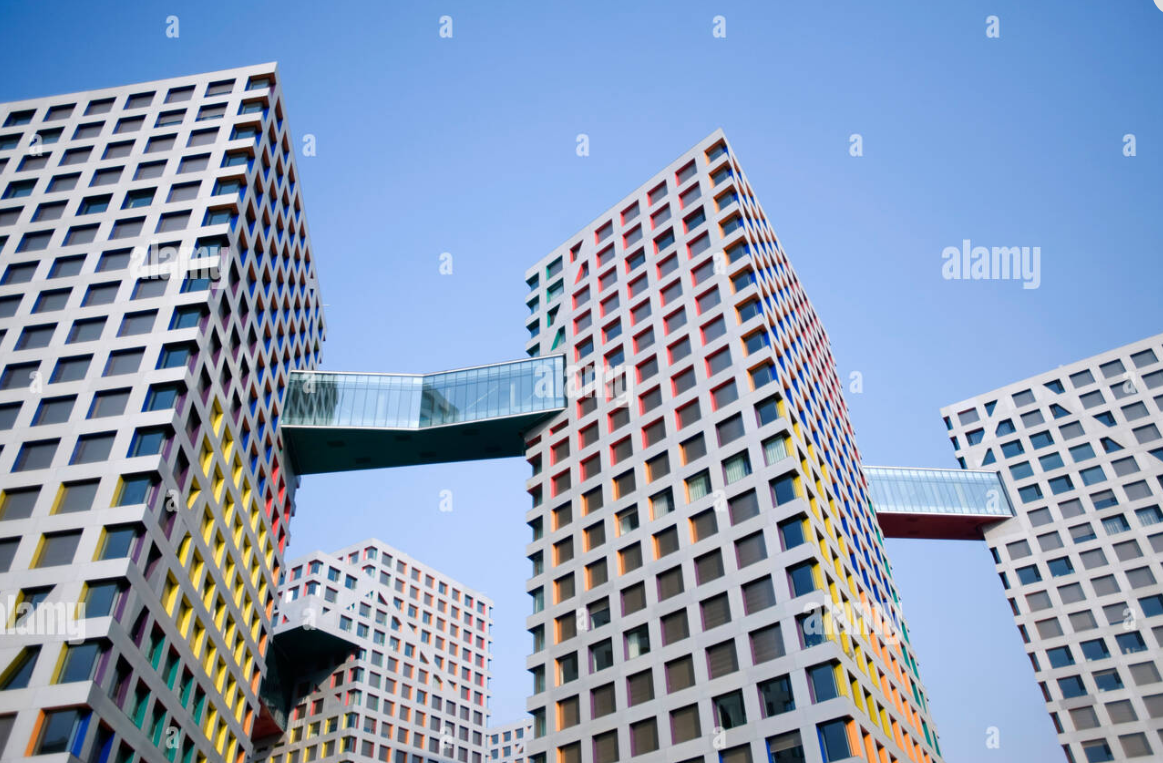
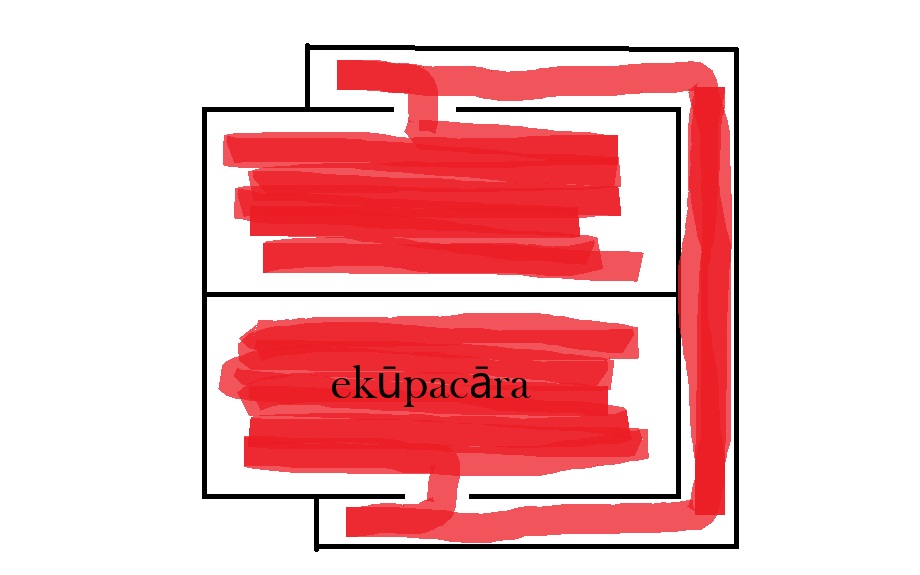
- what if roofs overlap between two buildings?→this is not a problem here since it is a different entrance
- a kuṭi on top of a building?→maybe not ok, same entrance and same channa; but on top of a building without roof is ok because even though it is ekūpacāra it is acchanna

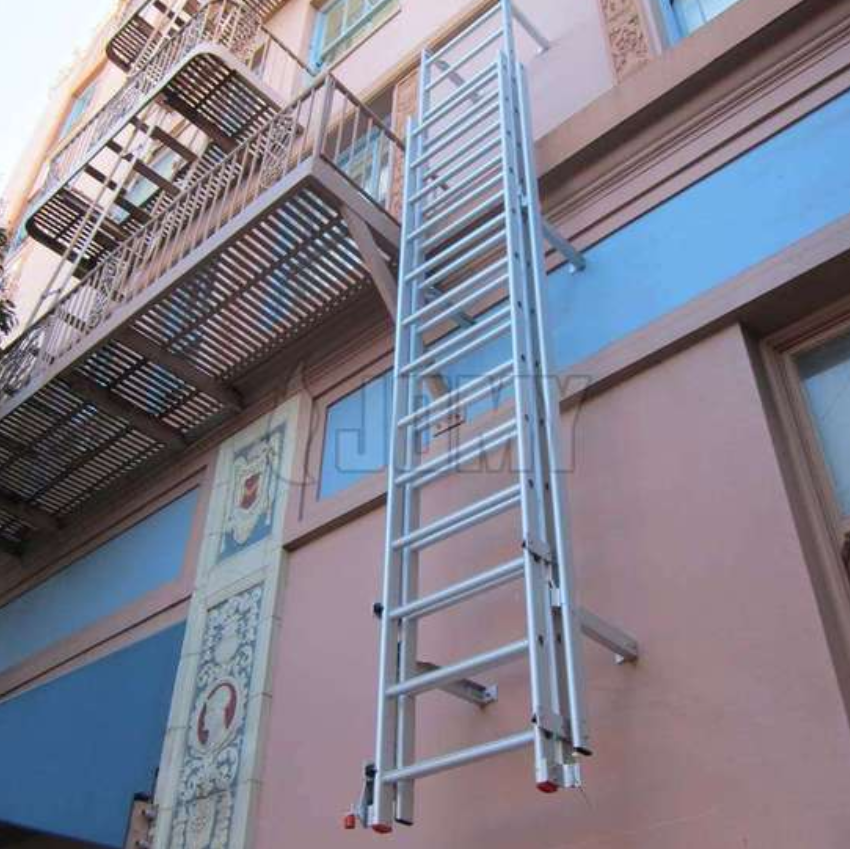
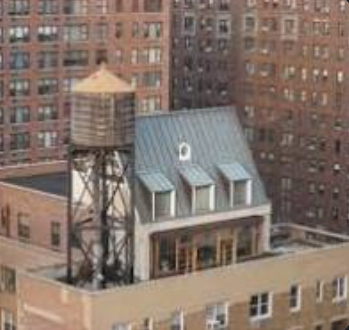

- what if an animal, big enough to be considered under the 1st Pj, has access to the roof and lives there?→if there is no connection to the inside of the house, it becomes nānūpacāra - anāpatti - if there is, ekūpacāra - pc
- in the case of parivāsa and ukkhepanīya, one cannot stay under the same rooof and what matters is where the rain falls, not the same as here
- counting nights
- how to count nights here?→if both upa and anupa are lying down at dawn time, one night is counted; likewise, the second and third; on the fourth consecutive night - as soon as the sun sets - whenever they are lying down at the same time - whatever time that is during the night - the offense occurs (not at dawn time)
- what is lying down?
- above the pelvis should be lying down flat
- the amount of degrees of reclination that are considered lying down is not given
- if one keeps the feet on the ground and lies on the bed, it is still not lying down - but if the feet are brought up, it is
- maybe one foot on the ground is enough not to be lying down
- what if the anupa is a different person or if the place changes?→that does not matter - what matters is the amount of nights one lies down together with an anupa
- is lying down during the day-time allowed?→since the ruling says atthaṅgate sūriye, it is allowed, but bmc says ṭīkā includes daytime
- anāpatti
- how to avoid an offense here?→if three nights are spent consecutively lying down, the upa will commit an offense as soon as he lies down on the fourth night; therefore, before the third dawn breaks, one of them should get up earlier or change area
- what if one falls down while walking?→if one falls and immediately gets up it is not considered as lying down
- what if one is tied to a bed and forced to lie down?→no offense, since it is against one's will
- perception and volition
- this is an (a / sacittaka?) acittaka, (no / saññāvimokkha?) nosaññāvimokkha offence
- offenses
- lying down with anupa in such residence with anupa-saññā: pc
with doubt: pc
with upa-saññā: pc
this is (ekaka / duka / tika?) tika pācittiya
lying down with upa in such residence with anupa-saññā: dkṭ
in doubt: dkṭ
with upa-saññā: anāpatti
this is (ekaka / duka / tika?) duka dukkaṭa
- channa paricchanna: pc
channa upaḍḍhaparicchanna: dkṭ
upaḍḍḥachanna paricchanna: dkṭ
upaḍḍḥachanna upaḍḍhaparicchanna: dkṭ
in any case with acchanna or aparicchanna: anāpatti
note: yebhuyya version are included under their respective types (yebhuyyachanna = channa, yebhuyya acchanna = acchanna...)
- in detail
- channa paricchanna: pc
channa upaḍḍhaparicchanna: dkṭ
channa aparicchanna: anāpatti
upaḍḍḥachanna paricchanna: dkṭ
upaḍḍḥaṢchanna upaḍḍhaparicchanna: dkṭ
upaḍḍḥachanna aparicchanna: anāpatti
acchanna paricchanna: anāpatti
acchanna upaḍḍhaparicchanna: anāpatti
achanna aparicchanna: anāpatti
in any case with acchanna or aparicchanna: anāpatti
note: yebhuyya version are included under their respective types (yebhuyyachanna = channa, yebhuyya acchanna = acchanna...)
- aṅgāni
- the dwelling being under the conditions for a pācittiya offence
- ...anupasampannena...sahaseyyaṁ kappeyya...: sleeping in such dwelling place with an anupasampanna (animals that are object of the first pārājika are included)
- ...uttaridirattatirattaṁ...: the time being after the sunset of the fourth day
- dutiyasahaseyyasikkhāpadaṃ #edited
- Yo pana bhikkhu mātugāmena sahaseyyaṃ kappeyya, pācittiyaṃ.
If any bhikkhu should make use of a sleeping place together with a woman, [this is a case] involving expiation.
- background #editing
- The Tathāgata was residing at Jetavana monastery near the city of Sāvatthi. During this time, while Anuruddha Thera was travelling from a region of the kingdom of Kosala to the city of Sāvatthi, he reached a certain village in the night. There was a rest house run by a lady in this village. Even though the Thera sought permission from her to spend the night in the rest house, she prepared seating for him inside the house and invited him to stay inside, out of desire towards the Thera. While the Thera was residing inside, the lady made many attempts to seduce him but failed since he was an Arahant. Subsequently, having been inspired and affected by great qualities of the Thera Anuruddha, the lady apologised, offered alms the next morning and listened to the Dhamma and became a lifetime follower of the Triple Gem. The Thera visited Sāvatthi and conveyed this incident to the other bhikkhus. Having known the story, the Buddha laid down the dutiya sahaseyya sikkhāpada.
- description
- purpose of the rule→a monk who sleeps in the same residence where a lady is sleeping may easily become target of criticism and accusations as well as there being potential dangers to a monk's celibacy due to the presence of unrestrained ladies
- difference between paṭhama- and dutiya-sahaseyyasikkhāpadāni→the only difference is that there is no calculation of nights under the dutiya-
- lying down with a lady after sunset in a dwelling that fulfills the conditions for this offense: pc
doing so with a non-human female / female animal (considered under the 1st Pj): dkṭ
- do these offenses accumulate, for example, sleeping with a woman is a pc for every night, and on the fourth consecutive night another pc will be incurred for the paṭhama-? #q🙋🏼♂
- perception and volition
- this is an (a / sacittaka?) acittaka (no / saññāvimokkha?) nosaññāvimokkha offence
- lying down under such conditions with a mātugāma, having the mātugāma-sañña: pc
with doubt: pc
with amātugāma-saññā: pc
this is (ekaka / duka / tika?) tika pācittiya
lying down under such consitions with amātugāma, having the mātugāma-saññā: dkṭ
with doubt: dkṭ
with amātugāma-saññā: anāpatti
this is (ekaka / duka / tika?) duka dukkaṭa
- aṅgāni
- the dwelling fulfilling the conditions for a pācittiya offence.
- ...mātugāmena sahaseyyaṁ kappeyya...: lying down in such a dwelling together with a human female.
- the time being after sunset
- bhūtārocanasikkhāpadaṃ #edited
- Yo pana bhikkhu anupasampannassa uttarimanussadhammaṃ āroceyya, bhūtasmiṃ, pācittiyaṃ.
If any bhikkhu should declare a superhuman state to one who has not been fully admitted, when it is a fact, [this is a case] involving expiation.
- saying 'even when it is a fact' sounds that when it is not a fact it should also be included under this rule #q🙋🏼♂
- background #editing
- Buddha: Kuṭāgāra, Vesalī
The Tathāgata reprimanded a group of bhikkhus who informed people of their true superhuman qualities to obtain essential items during a famine in the country of Vajji while residing at the Kutagara hall in the forests of the city of Vesāli. This led to the declaration of the bhūtārocana training rule.
- note:
- here the Buddha did not use the word 'moghapurisa' because there were sotāpannas in their group
- description
- what are uttarimanussadhamma under this rule?→they include mahaggata and lokuttara dhammas as the 1st Pj
- clarify the Pāḷi when it says that speaking indirectly is a dukkata. the Pāḷi seems to allow the interpretation that it refers to another monk's attainments as a dukkata #q🙋🏼♂
- instances of offenses
- directly stating the uttarimanussadhamma to anupa: pc
doing so indirectly: dkṭ
doing so to a bhī: anāpatti (bhī are upa here)
doing so to an upa: anāpatti, but it is normally not done
doing so before death to an anupa: pc
expressing qualities related to learnedness and discipline to anupa: anāpatti
- he must possess the uttarimanussadhamma at the time of informing, so saying one had jhāna in the past but does not have it now is not an offense
- saying since 5 year ago ⇒ offense
- saying something one attained in the past is no offense
- puthujjana jhanalabhi may have the intention to break it but when he decides to break it, he loses the jhāna
- jhana is like an underlying potential
- anāpatti
- why the ummattakassa, khittacittassa and vedanāṭṭassa were not given here?→because insanity and bewildered states cannot occur amongst ariya beings and if puthujjana jhānalabhīs happen to develop such states, their jhāna will immediately be lost
- perception and volition
- this offense is (a / sacittaka?) acittaka (no / saññāvimokkha?) nosaññāvimokkha
- why is this offense always acittaka?
- since ariyas and jhānalābhīs do not deliberately transgress the rules, they would only do this when not knowing this rule (in an acittaka manner)
- if a puthujjana jhānalābhī attempts to transgress it, his jhāna will be lost before commiting it, and his informing would not fall under this sikkhāpada but under the first pārājika (if done out of adhimāna it is anāpatti, and if he lies, pārājika)
- aṅgāni
- ...uttarimanussadhammaṁ...bhūtasmiṁ...: being sublime status that are actually possessed
- ...anupasampannassa āroceyya...: informing an anupasampanna
- the anupasampanna knowing instantly what is being said
- expressing the idea directly
- dhammadesanāsikkhāpadaṃ #edited
- Yo pana bhikkhu mātugāmassa uttari chappañcavācāhi dhammaṃ deseyya, aññatra viññunā purisaviggahena, pācittiyaṃ
- background #editing
- The Tathāgata was residing at the Jetavana monastery near the city of Sāvatthi. During this time, Venerable Udāyi had been regularly attending lay families. Once he visited one particular family and reached the housewife and her daughter-in-law separately. He individually preached Dhamma to them. This resulted in the housewife and her daughter-in-law blaming each other out of suspicion towards each other of having an affair with Venerable Udāyi. Having known this incident, the Buddha promulgated the dhammadesanā training rule
- description
- purpose→because preaching Dhamma to a lady for a prolonged time in the absence of a man (12 cubits) is a matter that most could be suspicious of
- according to the amendment, it is allowed for an upa to preach 6 vācā of Dhamma to a women when alone
- what is Dhamma under this rule?→as per the padasodhammasikkhāpada (teachings recorded in the Tipiṭaka and Buddha-/sāvaka-/isi-/devatā-bhāsita and aṭṭhakathā) in the pāḷi language
- what is one vācā?→one vācā can be either one word, one letter or one line of a gāthā ("Eko gāthāpado ekavācāti")
- in what manner is one advised to preach when alone with a woman?→one is advised to preach line by line and not exceed 6
- what if one preaches 6 lines from buddhabhāsita and then change to aṭṭhakathā or another Tipiṭaka source?→regardless of the source (buddha-, sāvaka-, etc), if 6 are exceeded, there will be a pc
- viññūmanussa↔a human who understands what is and what is not lewd
- viññūmātugāma↔a woman who understands what is and what is not lewd (the subject of the offense here)
- viññūpurisa / viññūpurisaviggaha↔a man who understands what is and what is not lewd
- within what distance should a viññūpurisa be present in order for a monk to preach without limitation?→up to 12 hattha (~6m)
- dassanūpacāra↔seeing- / visible-range (tbc) #q🙋🏼♂
- savaṇūpacāra↔hearing-range, within earshot (tbc) #q🙋🏼♂
- instances of offenses
- preaching a mātugāma more than 6 vācā with mātugāmasaññā: pc
with doubt about her being mātugāma: pc
with amātugāmasaññā: pc
preaching after being asked a question: anāpatti
preaching after a dhammatalk was requested: āpatti
preaching 6 vācā in one posture, changing posture and preaching another 6 vācā: anāpatti
preaching 6 vācā in one posture, the lady changing posture and the monk keeping preaching: anāpatti
therefore this is (ekaka / tika / catuka?) tika pācittiya
preaching amātugāma with mātugāmasaññā: dkṭ
with doubt: dkṭ
with amātugāmasaññā: anāpatti
therefore this is a (ekaka / duka / tika?) duka dukkaṭa
- how to count offenses
when preaching word by word: 1 pc for every word after the initial six
when preaching letter by letter (/syllable): 1 pc for every letter after the initial six
when preaching line by line (of a gāthā): 1 pc for every line after the initial six
- perception and volition
- this is (a / sacittaka?) acittaka (no / saññāvimokkha?) nosaññāvimokkha offence
- anāpatti
- when being asked a question by the lady, it is not an offense (but simply being requested for a dhammatalk is not enough)
- aṅgāṇi
- ...mātugāmassa...: being a viññūmātugāma
- uttari chappañcavācāhi dhammaṃ deseyya...: preaching more than six vācā of the Dhamma that has been mentioned
- posture: there being no changes in posture (standing up, sitting etc.) by either the monk or the mātugāma
- ...aññatra viññunā purisaviggahena...: absence of a viññū purisa nearby
- question: the preaching being not an answer to a question raised by the lady
- duṭṭhullārocanasikkhāpadaṃ #edited
- Yo pana bhikkhu bhikkhussa duṭṭhullaṃ āpattiṃ anupasampannassa āroceyya, aññatra bhikkhusammutiyā, pācittiyaṃ.
- background #editing
- The Tathāgata was residing at the Jetavana monastery near the city of Sāvatthi. During this time, Venerable Upananda was in a quarrel with the Chabbaggiya monks. Deliberately having emitted semen, he pleaded for probation (parivāsa) from the Saṅgha. The Saṅgha offered probation to correct the offence committed. At this time, there was a meal for the Saṅgha in the city of Sāvatthi. Since Upananda Thera was on parivāsa he was seated on a chair at the end of the dinning hall. Chabbaggiya monks informed the upāsakas that Venerable Upananda sat at the end of the line since he had intentionally emitted semen. Having known this incident, the Buddha promulgated the duṭṭhullārocana training rule.
- description
- purpose→informing an anupa about a duṭṭhullāpatti of another upa is an unethical act
- in which case is it allowed to inform an anupa of another upa's duṭṭhullāpatti?→only in the case a certain upa repeatedly commits grave offences and the Saṅgha has to regularly do vinayakammas to purify him - in such case, in order to instil moral shame and dread in the careless monk, the Saṅgha can make a convention (sammuti) via a vinayakamma
- terms
- duṭṭhullāpatti↔pārājikā and saṅghādisesā (but under this rule, only saṅghādisesā are included)
- which offenses are included as duṭṭhullaṁ āpattiṁ under this rule?→only saṅghādisesā (pārājikā are duṭṭhulla but not included here)
- aduṭṭhullāpatti↔thullaccaya, pācittiya, pāṭidesanīya, dukkaṭa, dubbhāsita
- instances of offenses
- informing an anupa of another upa's duṭṭḥullāpatti by stating both the vatthu (the action - such as emitting semen) and āpatti (such as sghds): pc
by stating only either the vatthu or the āpatti: anāpatti
informing of a duṭṭhullāpatti with duṭṭhullāpattisaññā: pc
with doubt: pc
with aduṭṭhullāpattisaññā: pc
therefore this is a (ekaka / tika / catuka?) tika pācittiya
upa ⇒ duṭṭhulla ⇒ anupa: pc regardless of the āpattisaññā
informing of an aduṭṭhullāpatti with duṭṭhullāpattisaññā: dkṭ
with doubt: dkṭ
with aduṭṭhullāpattisaññā: dkṭ
therefore this is a (ekaka / duka / tika) tikadukkaṭa
upa ⇒ aduṭṭhulla ⇒ anupa: dkṭ regardless of the āpattisaññā
informing of an aduṭṭhullāpatti: dkṭ
informing an anupa of a sāmaṇera's broken rules: dkṭ
informing a sāmaṇera of another sāmaṇera's broken rules: dkṭ
informing a bhī: pc (bhī are upa here)
- bhī upa or anupa here? #q🙋🏼♂
- does the word saṅghādisesa has to be mentioned or just sukkavissaṭṭhi is enough? #q🙋🏼♂
- perception and volition
- this is (a / sacittaka?) acittaka (no / saññāvimokkha?) nosaññāvimokkha offence
- perception about the status of the listener is not given, but it seems like it is the same offense
- aṅgāni
- ...bhikkhussa...anupasampannassa āroceyya...: expressing the duṭṭhullāpatti of that upa to an anupasampanna
- ...duṭṭhullaṃ āpattiṃ...: an upa having actually committed a duṭṭhullāpatti
- aññatra bhikkhusammutiyā...: lack of a bhikkhu convention (sammuti)
- paṭhavikhaṇanasikkhāpadaṃ #edited
- Yo pana bhikkhu paṭhaviṃ khaṇeyya vā khaṇāpeyya vā, pācittiyaṃ.
- background
- The Tathāgata was residing at the Aggalava stupa in the city of Āḷavi. During this time the bhikkhus living in the city of Āḷavi were engaging in construction. For their ocnstruction, they were diggint the earth. They were getting others to dig too. The people were thinking it was lame, and were bad mouthing and blaming them. Having known the situation, the Buddha laid down the paṭhavi khaṇana training rule.
- description
- purpose→people used to think (and still do) that the ground and trees were living (having kāyindriya), so in order to avoid criticism and hurting animals (maybe other reasons as well) this rule was laid down
- 2 pathavī
- jātapaṭhavī / akappiyapathavi; 3 types:
- suddhapaṭhavī (pure soil): pure soil / clay without any stones, gravel or sand
- missakapaṭhavī (mixed soil): soil / clay that contains approximately up to a 1/3rd (or 1/2) of stones, gravel or sand
- puñjapaṭhavī (heaped up soil): soil / clay that piled up due to natural causes (fallen from mountains, acumulated due to water flow, etc - including dust that is brought by the wind and accumulates), or unnatural ones (digged up by humans or animals), that has gotten detached from the ground, gotten wet by rain at least once, and that at least 4 months have passed since the first time rain fell on it
- it must not have been burnt
- ajātapaṭhavī / kappiyapaṭhavī
- soil / clay mixed with at least 2/3rds (or more than 1/2) of stones, gravel or sand
- soil / clay burnt by fire
- note:
- s-comm: exactly half soil half stones is not mentioned - consider it as pācittiya (suggestion) (others say dukkaṭa)
- in paṇṇattivajja cases, sometimes the Buddha does not cover all points
- instances of offenses
- digging, burning, breaking, piercing, drawing lines, etc or having someone else do it to jātapaṭhavī: pc
counting offenses when doing it by oneself: every penetration of the ground 1 pc
counting when ordering: each order 1 pc
- pāḷimuttakavinayavinicchaya:
saying "dig a pond / well / hole / trench": anāpatti - kappiyavohāra (because a pond is something that has already been excavated)
saying "dig here / dig in this place / dig a hole here / dig a well here...: āpatti - akappiyavohāra
indirectly ordering to dig up potatoes / roots: anāpatti
- removing loose watery mud by baskets while cleaning a body of water: anāpatti
removing attached / hardened mud from the bottom of bodies of water: āpatti
removing dried and cracked mud (due to sunlight): anāpatti
- removing piled up soil left after the banks of a pond slid (before it gets wet by the rain and four months pass): anāpatti
removing the soil that falls into the pond: anāpatti (at any time since it does not get direct rain)
removing the soil at the bottom of a body of water that at some point in the past got direct rain: āpatti
removing an ant hill / termite soil on top of trees that has gotten direct rain and four months have elapsed since then: āpatti
if not rained at: anāpatti
- mud walls can also become jātapaṭhavī if rained at + 4 months
if mostly stones it is ajātapaṭhavī
extracting rubble / stones from a jātapaṭhavī wall: anāpatti
if the walls cracks in the process: anāpatti
doing it intending to remove a piece of the wall itself: āpatti
removing the clay itself: āpatti
placing a wet hand on the wall / ground, collecting the dust that comes off: anāpatti
- removing posts / dried trees by moving them to and fro: āpatti; removing them vertically: anāpatti (but normally not done)
breaking the earth while carrying / rolling weight: anāpatti
sweeping forcefully scraping the ground intending to flatten it: āpatti
pressing a walking stick forcefully into the ground: āpatti
scrubbing the hands agains the ground when washing hands or other objects: āpatti
pouring water on the ground intending to break it: āpatti
- where can fires be lit?→in a fire pit, on ground that has been burnt, on a rock or any surface that prevents it from touching the ground, on dried trees / leaves intending to put it off before it reaches the ground (even if later one changes one's mind and lets it burn on), etc...
- while carrying a torch / fire, dropping it because the fire is about to reach the hand: anāpatti
lighting a fire on the ground burnt by the torch: anāpatti
- kappiyavohāra
- allowed sentences (pāḷi):
- "anāpatti: imaṃ jāna (“May you know that this tree is not wanted") / dehi, (“Give this”) / āhara (“Bring this”)
- iminā me attho (“This is useful”)
- imaṃ kappiyaṃ karohī'ti bhaṇati (“Make it allowable” / "Make the earth allowable for this post [Imassa thambhassa āvāṭaṃ kappiyaṃ karohi] / “Make the earth allowable with a trench for water to drain”)
- saying: “You may take soil that is detached or broken”
- unspecified orders: "cut the trees, pluck the flowers" (without specifying which trees or flowers)
- how should one act in case something akappiya was said?→one should then say, "don't do that", and then give the right command
- what happens when a hole is dug with akappiyavohāra?→it should be filled back in the same order; anything done there is not allowable
- intention and perception
- this is (a / sacittaka?) sacittaka, (no / saññāvimokkha?) saññāvimokkha offence
- vikopana↔the intention of destroying the ground
- digging jātapaṭhavī with jātapaṭhavīsaññā: pc
doing so with doubt: dkṭ
doing so with ajātapaṭhavīsaññā: anāpatti
therefore it is (ekaka / tika / catuka) ekaka pācittiya (the term ekaka is not in the texts but adopted by bhante)
digging ajātapaṭhavī with jātapaṭhavīsaññā: dkṭ
with doubt: dkṭ
with ajātapaṭhavīsaññā: anāpatti
therefore it is (ekaka / duka / tika) tika dukkaṭa
- suddhacitta↔with pure mind, without the intention to dig
- 6 efforts under this sikkhāpada:
- khaṇati, khaṇāpeti,
bhindati, bhindāpeti,
dahati, dahāpeti
- note:
- Paṭhaviyā paṭhavisaññī khaṇati vā khaṇāpeti vā bhindati vā bhedāpeti vā dahati vā dahāpeti vā āpatti pācittiyassa.
- anāpatti
- asañcicca (unintentionaly - not intending to break it): monks who roll over stones or trees, monks who penetrate their walking sticks onto the floor causing the earth to break, without the intention of vikopana, knowing such an act, will not result in an offence
- asatiyā (absentmindedly / elsewheremindedly): if an individual, with their mind elsewhere, for example, while speaking to another, draws lines on the earth using toes or a walking stick or breaks the earth, an offence will not result
- ajānantassa (unknowingly - not knowing it is jātapaṭhavī / not knowing one is digging): digging akappiyapaṭhavī not knowing it is so; when a monk does not know that he is doing so. There is no offence. When a fire torch is causing the hand to burn, and it is immediately thrown to the ground, the earth is burnt
- note:
- asañciccāti pāsāṇarukkhādīni vā pavaṭṭentassa sākhaṃ vā kaḍḍhantassa kattaradaṇḍena vā bhūmiṃ paharitvā gacchantassa tiṇāni chijjanti, tāni tena chindissāmīti evaṃ sañcicca acchinnattā asañcicca chinnāni nāma honti. iti asañcicca chindantassa anāpatti.asatiyāti aññavihito kenaci saddhiṃ kiñci kathento pādaṅguṭṭhakena vā hatthena vā tiṇaṃ vā lataṃ vā chindanto tiṭṭhati, evaṃ asatiyā chindantassa anāpatti.ajānantassāti etthabbhantare bījagāmoti vā bhūtagāmoti vā na jānāti, chindāmītipi na jānāti, kevalaṃ vatiyā vā palālapuñje vā nikhādanaṃ vā khaṇittiṃ vā kudālaṃ vā saṅgopanatthāya ṭhapeti, ḍayhamānahattho vā aggiṃ pāteti, tatra ce tiṇāni chijjanti vā ḍayhanti vā anāpatti.
- aṅgāni
- ...paṭhaviṁ...: being a jātapaṭhavi
- jātapaṭhavisaññā: having the perception that it is a jātapaṭhavi.
- khaṇeyya vā khaṇāpeyya vā...: destroying or causing to destroy by means of digging, getting someone else to dig and so on
- heaped soil that fell into the river may after a long time become jātapaṭhavī
- only the soil that was directly hit by rain, including the water going into the soil
- notes:
- pathavīkhaṇana (pc 10), bhūtagāma (pc 11) and sappāṇaka (pc 71) are connected rules - related to the ālavī monk's constructions
- under which sikkhāpadas of the musāvādavagga are bhī considered as anupa?→omasavāda and pesuñña
- bhūtagāmavagga
- 11 - bhūtagāmasikkhāpada #edited
- Bhūtagāmapātabyatāya, pācittiyaṃ.
In the destroying of vegetation, [there is a case] involving expiation.
- vocab: #[[pāḷi vocab (2nd year)]]
- bhūta↔grown
- gāma masc.↔group; class; type; family; lit. collection
- pātabyatā [√pat + *e + vya + tā] fem.↔downfall; destruction; ruin
- background
- Buddha: Aggalāva Stupa, city of Āḷavi
In a city called Āḷavi, bhikkhus were building near the Aggalāva stupa, causing destruction. Despite a deity's warning, a monk cut down a tree, angering the tree spirit. The deity sought help from the Buddha, who praised her patience and offered a new divine abode. People criticized the monks for their actions. The Buddha rebuked the monk and established a training rule against harming living beings.
- note:
- it does not mention how the deva's arm got cut; maybe they created a gross form and became succeptible to gross attack
- bhummādevas can get pregnant
- petas as well
- rock peta that lasted for the time of 4 Buddhas
- Buddhadeyya mansion: she could stay in ther mansion inside Jetavana even when higher deities would come to lisaten to the dhamma
- description
- purpose of the rule→people think plants are living and criticize monks for damaging them
- bhūtagāma
- plants that grow from bījagāma
- types of bhūtagāma
- aquatic plants
- those that have the soil as ṭhāna (habitat) such as lotuses
- those that have the water as ṭhāna
- ground plants that have the soil as ṭhāna
- 6 ways of damaging bhūtagāma
- chindati, chindāpeti
- bhindati, bhindāpeti
- pacati, pacāpeti
- note:
- removing the entire plant is also included
- bījagāma
- parts of a plant that after detached can propagate - it is of 5 types starting with mūlabīja
- 5 types of bījagāma
- mūlabīja - roots, bulbs, rhizomes or tubers that can propagate such as haliddi, siṅgivera and so on
- exception: roots such as ginger that kept on wet sand have propagated: bhūtagāma, not bījagāma
- khandhabīja – stem or branches that can propagate such as assattha, nigrodha, pilakkha and so on
- exception:
- haritakhāṇu (stree stump) that can grow: bhūtagāma (such as kakudha (arjuna tree), karañja (indian beech), piyaṅgu, panasa (jack-fruit tree), etc
- haritakhāṇu (stree stump) that cannot grow: bījagāma (such as those of coconut or palm trees)
- haritakhāṇu of a banana / bamboo tree:
- if cut before having yield fruit: bhūtagāma
- if cut after having yield fruit:
- if the leaves are green: bhūtagāma
- how can there be leaves if it is a stump? #q🙋🏼♂
- if the leaves have begun to dry from the tips: bījagāma (the entire tree)
- phaḷubīja - joints, knots, nodes from which new shoots can propagate (such as those of bamboo and sugarcane)
- aggabīja – buds that can propagate
- Bud: a small protuberance on a stem or branch, sometimes enclosed in protective scales and containing an undeveloped leaf, flower, or leafy shoot.
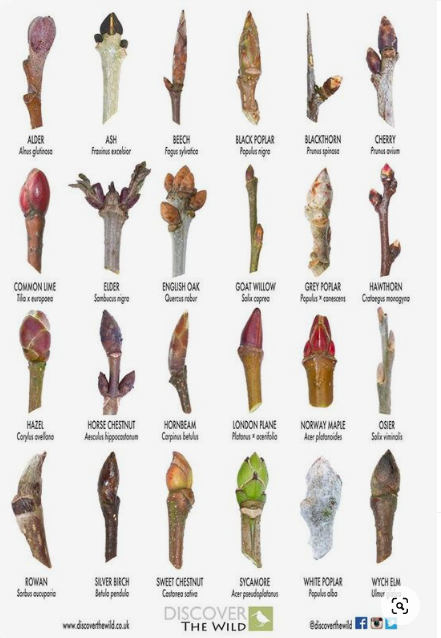
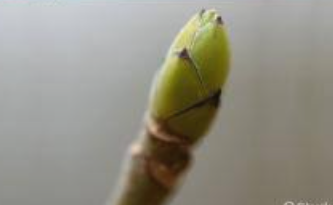
- bījabīja - seeds that can propagate (such as grains)
- note:
- exception: aquatic plants that grow freely floating on the water, if taken out of water and put on soil become bījagāma
- haritakhāṇu↔tree stump
- exceptions put together
- roots, such as ginger, that after kept on wet sand have propagated: bhūtagāma
haritakhāṇu that can grow: bhūtagāma (such as kakudha (arjuna tree), karañja (indian beech), piyaṅgu, panasa (jack-fruit tree), etc
haritakhāṇu that cannot grow: bījagāma (such as those of coconut or palm trees)
haritakhāṇu of a banana / bamboo tree:
- if cut before having yield fruit: bhūtagāma
- if cut after having yield fruit:
- - if the leaves are green: bhūtagāma
- - if the leaves have begun to dry from the tips: bījagāma (the entire tree)
aquatic plants that grow freely floating on the water, if taken out of water and put on soil become bījagāma
- what is the difference between bhūtagāma and bījagāma?
- note: as long as bījagāma is attached to the plant, it is bhūtagāma
- bhūtagāma is the entire plant that grew from bījagāma (such as a tree)
bījagāma is a part of a plant that has been detached and can propagate (such as a seed); it is of 5 kinds (such as mūlabīja)
- kappiyavohāra
- IIT - Nissayamuttaka Course
- pañca samaṇa kappa (vohāra) five appropriate modes of communication
- Anujānāmi, bhikkhave, pañcahi samaṇakappehi phalaṃ paribhuñjituṃ, (applied to fruits and bījagāma)
- aggiparicitaṃ,
- satthaparicitaṃ,
- nakhaparicitaṃ,
- abījaṃ, (unripe; does not grow)
- nibbaṭṭabījaññeva pañcamaṃ. Anujānāmi, bhikkhave, imehi pañcahi samaṇakappehi phalaṃ paribhuñjituṃ.
- ginger that propagated is considerd bhūtāgāma but has to be made allowable; but the samaṇakappas are said to apply to fruits and bījagāmas; clarify it #q🙋🏼♂
- kappiya karaṇa (making allowable)
- what is it?→a minor vinayakamma to make fruits and bījagāmas allowable for consumption; its purpose is not to halt the potential for propagation; maybe it is a way for the anupa to take responsibility
note: if the bījagāma was cooked even a lttle bit, it is allowable
- pāḷi:
- upa: "kappiyaṁ karohi"
- anupa: "kappiyaṁ (bhante)" and then damages
- can anything be used?
- no, only fire (cinder / hot metal), sharp weapons, of finger-/toe-nails (hooves are also mentioned)
- wood / stones cannot be used and the item must be able to cause some damage
- if hooves are ok, why not anything? #q🙋🏼♂
- how to do it for multiple items→if packed into a bundle, doing kappiyakaraṇa on one item makes the entire bundle allowable as long as they are in contact with each other; water does not count as connection here
- how to do it for seeds (kernel) loose in the shell?→the shell should be broken first, but if they are still connected, doing the procedure to the shell is enough
- must roots that were made allowable and then propagated (such as ginger) be made allowable again?→yes
- procedure according to Srthdpn and other teachers:
- srthdpn: ater the upa says "kappiyaṁ karohi" the anupa must say "kappiyaṁ (bhante)" and proceed to damage it - if the anupa damages first and says "kappiyaṁ (bhante)" after having damaged it, it is not made allowable
- some teachers: saying "kappiyaṁ" while on the fire / before pulling out the knife (during the act of damaging): ok; any language could be used
- note:
- 1 "Kappiya"nti vatvāva kātabbanti yo kappiyaṃ karoti, tena kattabbākārasseva vuttattā bhikkhunā avuttepi kātuṃ vaṭṭatīti na gahetabbaṃ. Puna "kappiyaṃ kāretabba"nti kārāpanassa paṭhamameva kathitattā bhikkhunā "kappiyaṃ karohī"ti vutteyeva anupasampannena "kappiya"nti vatvā aggiparijitādi kātabbanti gahetabbaṃ. "kappiyanti vacanaṃ pana yāya kāyaci bhāsāya vattuṃ vaṭṭatī"ti vadanti. "kappiyanti vatvāva kātabba"nti vacanato paṭhamaṃ "kappiya"nti vatvā pacchā aggiādinā phusanādi kātabbanti veditabbaṃ. "paṭhamaṃ aggiṃ nikkhipitvā nakhādinā vā vijjhitvā taṃ anuddharitvāva ‘Kappiya’nti vattumpi vaṭṭatī"ti vadanti. (Srd-ṭ. III. 22).
- offenses
- damaging bhūtagāma or having it damaged in any way:
with bījasaññā:pc 11
with doubt: dkṭ
with abījasaññā: anāpatti
damaging abhūtagāma or having it damaged in any way:
with bījasaññā: dkṭ
with doubt: dkṭ
with abījasaññā: anāpatti
damaging bījagāma or having it damaged in any way:
with bījasaññā: dkṭ
with doubt: dkt
with abījasaññā: anāpatti
damaging abījagāma or having it damaged in any way:
with bījasaññā: dkṭ
with doubt: dkṭ
with abījasaññā: anāpatti
therefore this is ekaka-pācittiya and tika-dukkaṭa offence (catukadukkaṭa (not mention in the text))
the saññās involved are bīja-/ abīja-saññā (thinking that it is a bhūtagāma or not)
- damaging algae: pc 11 since it is bhūtagāma
what can be done with algae that grows on senāsana?: can be cleaned, but the outside of a water pot, no
taking a plant out of its ṭhāna (habitat) such as removing an aquatic plant from the water: pc 11
moving aquatic plants in the water: anāpatti
collecting aquatic plants with a container together with water: anāpatti
uprooting aquatic plants that have the soil as ṭhāna: pc 11
damaging aquatic plants that were heaped up on land: dkṭ (since they become bījagāma)
bending a branch for an anupasampanna to cut it / pluck a flower: anāpatti
doing so to get fruit for oneself: no (which offense?)
- what is the offense for bending a branch for an anupa to get fruit for oneself? #q🙋🏼♂
- mushrooms? #q🙋🏼♂
- nature
- this is (sa/acittaka?) sacittaka, (no/saññāvimokkha?) saññāvimokkha
- why is it called bījasaññā instead of bhūtagāmasaññā? #q🙋🏼♂
- anāpatti
- damaging bhūtagāma / abhūtagāma with abījasaññā
- using kappiya vohāra
- asañcicca: damaging without thinking "I shall break this", etc; rolling stones, dragging branches, using a walking stick...
- asatiyā: damaging with the mind elsewhere; while speaking to someone one plucks grass or a vine using toenails or hands without being aware that he is doing so
- ajānantassa: damaging without knowing it is bhūta/bījagāma or not knowing it is being damaged; keeping a spade within a patch of grown grass for protection or dropping a fire torch on the ground when the flame begins to burn the hands
- paṭaggidāna: making a counter-fire when a wildfire is approaching - “Anujānāmi, bhikkhave, davaḍāhe ḍayihamāne paṭaggi dātuṃ”.
- davaḍāha [dava + ḍāha] masc.↔wildfire, forest fire; lit. running fire #[[pāḷi vocab (2nd year)]]
- to save another monk, but not to save oneself
- smtpsdk says all ancient commentaries say so
bdghs questions it
argument: for another it will be kusalacitta but maybe not for oneself
counter-argument: but it can be done with both kusala or akusalacitta
conclusion: accept it out of confidence in the commentaries
- Manussaviggahapārājikavaṇṇanāyaṃ pana sabbaaṭṭhakathāsu "sace bhikkhu rukkhena vā ajjhotthaṭo hoti, opāte vā patito sakkā ca hoti rukkhaṃ chinditvā bhūmiṃ vā khaṇitvā nikkhamituṃ, jīvitahetupi attanā na kātabbaṃ. Aññena pana bhikkhunā bhūmiṃ vā khaṇitvā rukkhaṃ vā chinditvā allarukkhato vā daṇḍakaṃ chinditvā taṃ rukkhaṃ pavaṭṭetvā nikkhāmetuṃ vaṭṭati, anāpattī"ti vuttaṃ. Tattha kāraṇaṃ na dissati – "anujānāmi, bhikkhave, davaḍāhe ḍayhamāne paṭaggiṃ dātuṃ, parittaṃ kātu"nti (cūḷava. 283) idaṃ pana ekameva suttaṃ dissati. Sace etassa anulomaṃ "attano na vaṭṭati, aññassa34 vaṭṭatī"ti idaṃ nānākaraṇaṃ na sakkā laddhuṃ. Attano atthāya karonto attasinehena akusalacitteneva karoti, paro pana kāruññena, tasmā anāpattīti ce. Etampi akāraṇaṃ. Kusalacittenāpi hi imaṃ āpattiṃ āpajjati. Sabbaaṭṭhakathāsu pana vuttattā na sakkā paṭisedhetuṃ. Gavesitabbā ettha yutti. Aṭṭhakathācariyānaṃ vā saddhāya gantabbanti. (V-a. III. 33-4).
- aṅga
- bhūtagāma: being a bhūtagāma
- bījasaññā
- pātabyatāya: destroying it
- 12 - aññavādakasikkhāpadaṃ #edited
- Aññavādake vihesake, pācittiyaṃ.
In evading, in vexing, [there is a case] involving expiation.
- background
- The Buddha was residing at the Ghosita monastery in the city of Kosambhi. During this time the Venerable Channa had been misbehaving and was being questioned by the Saṅgha in relation to the offence committed. He was then trying to hide the true story by asking cross questions such as: “Who committed an offence? What offence have I committed? Upon what object have I committed an offence? How did I commit an offence? To whom are you telling? What are you telling?” When this was informed, the Buddha declared the aññavādaka training rule prohibiting monks from thus confusing the Saṅgha by making unrelated statements. aññavādake pācittiyaṁ
Later on, Venerable Channa misbehaved, and he was again questioned by the Saṅgha in relation to the offence committed. At that time, he kept silent without stating anything. This annoyed the Saṅgha. Having known the incident, the Buddha added an amendment to the training rule prohibiting monks from keeping silence while being questioned in the midst of the Saṅgha. The amendment is like another training rule. vihesake
- note:
- like another rule inside the first one
- miracel at birth, just an instance a sign of his attaining buddhahood, after that he could not talk and walk, he was not aware his mother died, when he saw the 4 signs Channa explained
- description
- aññavādaka
- saying unrelated things in order to avoid answering when questioned by the Saṅgha about a vatthu (act) or āpatti
- vihesaka
- troubling the Saṅgha by remaining silent intending not to answer when being questioned about a vatthu or āpatti
- aññāvādaka sammuti
- ñattidutiya kammavācā that is done upon the upa who does aññāvādaka; it declares the upa in question as aññāvādaka
- vihesaka sammuti
- ñattidutiya kammavācā that is done upon the upa who does vihesaka; it declares the upa in question as vihesaka
- instances of offenses
- does aññavāda / vihesaka: dkṭ,
sammuti is done, he does it again: pc
doing so unintentionally: anāpatti
- does aññāvādana / vihesana having been given a dhammakamma:
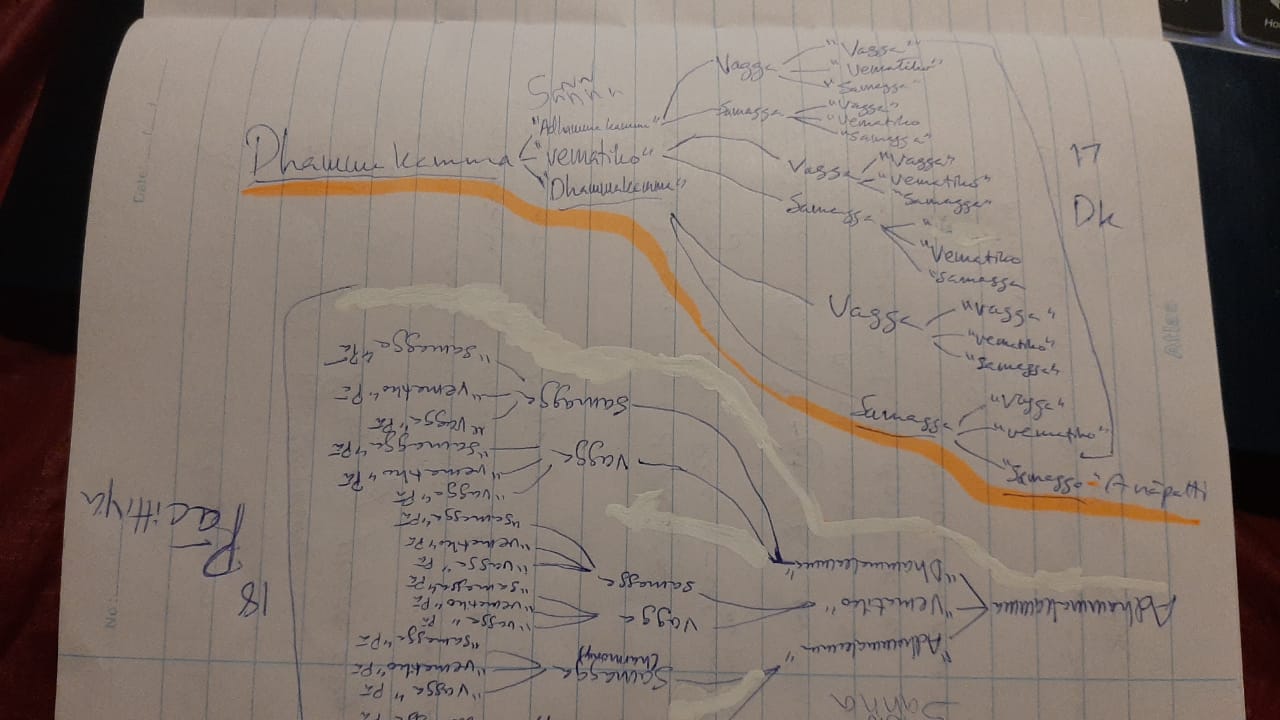
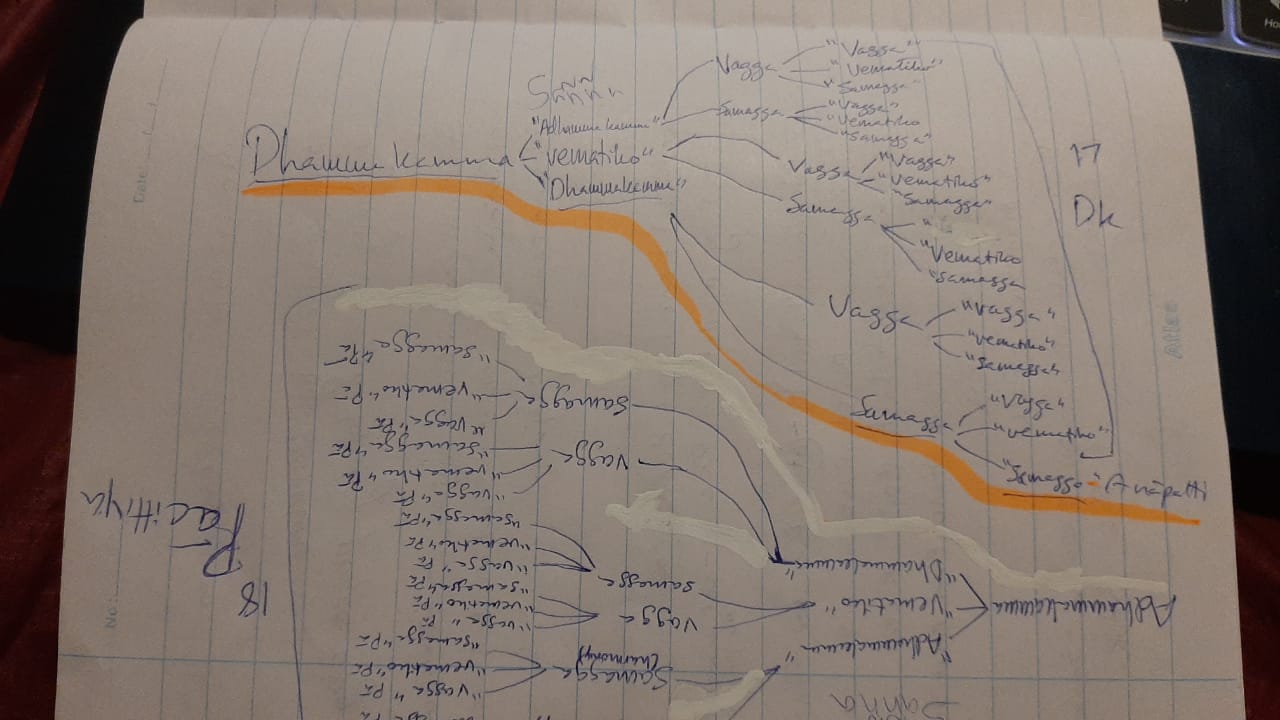
dhammakammasaññī: pc
vematiko: pc
adhammakammasaññī: pc
does so having been given an adhammakamma:
dhammakammasaññī: dkṭ
vematiko: dkṭ
adhammakammasaññī: dkṭ
therefore this is a tika-pācittiya and tika-dukkaṭa offence
the perception involved are dhammakamma-/ adhammakamma-saññā (perception that the vinayakamma was done according to Dhamma and Vinaya or not)
- nature
- this is (sa/acittaka?) sacittaka (no/saññāvimokkha?) saññāvimokkha offence.
- anāpatti
- inquiring about one's mistake or offense not knowing about it
- unable to answer due to sickness
- refraining from answering thinking it will cause a bhaṇḍana, kalaha, viggaha, vivāda, saṅgharāji or saṅghabheda among the Saṅgha
- refraining from answering knowing that an adhamma vinayakamma will be done (adhammena), without the proper unity of the Saṅgha (vaggena) or to a person who does not deserve a vinayakamma (akammārahassa) #q🙋🏼♂
- aṅga
- aññavādaka or vihesaka sammuti has been given
- being questioned based on a vatthu or āpatti
- aññāvādake vihesake
- note:
- this could only escalate as ukkhepanīya for not correcting himself
- saṅgha unity is more important than doing an ukkhepanīyakamma
- tassapāpiyasikā: declaration to someone who acts like that when being questioned about a prjk or something close to a prjk
- 13 - ujjhāpanakasikkhāpadaṃ #edited
- ujjhāpanake khiyyanake, pācittiyaṃ.
In making [another bhikkhu] find fault, in criticising, [there is a case] involving expiation.
- background
- The Buddha was residing at the Veḷuvana monastery in the city of Rājagaha. During this time Venerable Dabbamallaputta Thera was preparing lodgings for the Saṅgha (senāsana paññāpaka). He was also in charge of distribution of meals (bhattuddesaka). Two monks named Mettiya and Bhummajaka, who were among the group of Chabbaggiya monks, at the time were juniors and lacked good kamma to obtain good lodgings and food. They received inferior lodgings and food of the Saṅgha. Then they got other bhikkhus to think and say, “Dabbamallaputta Thera favours when preparing quarters. He also favours, when distributing food”. Based on this incident the Buddha imposed the ujjhāpanaka training rule prohibiting monks from getting other monks to think and say bad things about officials appointed by the Saṅgha.
When this rule was imposed, Mettiya and Bhummajaka bhikkhus started accusing Dabbamallaputta Thera in the presence of the other bhikkhus saying, “Dabbamallaputta Thera favours when preparing lodgings and distributing food”. Having known this, the Buddha added an amendment to this rule prohibiting monks from speaking ill about Saṅgha officials in the presence of other monks. This amendment, too, is like another training rule.
- types of anuppaññatti
- anāpattikara: creates an exception
- daḷhīkaraṇa: makes it stricter
- āpattikara: makes another offense, extends the scope of the rule (vihesaka under aññavādaka and this one)
- description
- purpose→unjustly blaming a bhikkhu who has received an official position from the Saṅgha and making others detest him is a great barrier to the well-being of the Saṅgha - this rule counteracts that
- ujjhāpanaka↔making others think low of or devalue someone
- khīyanaka↔stating an individual’s bad qualities in front of someone else
- 3 intentions behind ujjhāpanaka / khīyanaka
- to criticize (avaṇṇaṃ kattukāmo),
- to defame (ayasaṃ kattukāmo)
- to silence (maṅku kattukāmo)
- note: tuṇhī means keepping silence willingly, maṅku is when one is silent because one was defeated
- 6 saṅgha officials under this rule
- senāsana paññāpaka – one who arranges lodgings to the monks
- bhattuddesaka – one who distributes food
- yāgubhājaka – one who serves porridge
- phalabhājaka – one who serves fruit
- khajjabhājaka – one who serves sweetmeats #q🙋🏼♂
- appamattaka vissajjaka – one who distributes minor items
- note: there are altogether 13 saṅgha officials
- 4 individuals object of ujjhāpanaka / khīyanaka
- sammata upasampanna: an upa who was authorized as one of the 6 officials
- asammata upasampanna: an upa who voluntarily attends the functions of the position - in most monasteries this is what happens
- sammata anupasampanna: an upa who was an authorized official and directly became a sāmaṇera by saying “Sāmaṇeroti maṃ dhārehi”
- Anupasampannaṃ saṅghena sammataṃ vā asammataṃ vāti ettha pana kiñcāpi anupasampannassa terasa sammutiyo dātuṃ na vaṭṭanti. Atha kho upasampannakāle laddhasammutiko pacchā anupasampannabhāve ṭhito, taṃ sandhāya "saṅghena sammataṃ vā"ti vuttaṃ. (V-a. III. 37). Sāmaṇero hotīti upasampannabhāvaṃ jahitvā sāmaṇerabhāvaṃ upagacchati. Tattha pārājikappattabhāvena vā "gihīti maṃ dhārethā"tiādinā sikkhāpaccakkhānena vā gihī hoti. Tesu paṭhamena puna upasampadāya abhabbattā puna parivāso na ruhatiyeva, dutiyena pana puna upasampadāya bhabbattā "so ce puna upasampajjatī"ti vuttaṃ. Itaro pana pārājikappattabhāvena sāmaṇero na hoti. Kasmā? Saraṇagamanādīnaṃ vinassanato. Vuttañhi vimativinodaniyaṃ "upasampannānampi pārājikasamaāpattiyā saraṇagamanādisāmaṇerabhāvassapi vinassanato senāsanaggāho ca paṭippassambhati, saṅghalābhampi tena labhantīti veditabba"nti, gihī pana hutvā puna sāmaṇerabhāvamattaṃ laddhabbaṃ hoti. "sāmaṇeroti maṃ dhārethā"tiādinā pana sikkhāpaccakkhāne kate siyā sāmaṇerabhāvo, tatopi puna upasampajjitukāmatāya sati siyā upasampannabhāvo. "gihīti maṃ dhārethā"tiādinā sikkhāpaccakkhānaṃ katvā gihibhāvaṃ upagatepi puna sāmaṇerapabbajjaṃ pabbajitvā sāmaṇero hoti. Tato puna upasampajjituṃ laddhabbattā "puna upasampajjatī"ti vutto. (Vnl. II. 254-5).
- asammata anupasampanna: a sāmaṇera who voluntarily attends the functions of the official positions
- offenses
- an upa criticizes a sammata upa to an upa: pc
all other scenarios: dkṭ
the upa does ujjhāpanaka / khīyanaka to a sammata upasampanna:
dhammakammasaññī: pc
vematiko: pc
adhammakammasaññī: pc
the upa does ujjhāpanaka / khīyanaka to an asammata upasampanna:
dhammakammasaññī: dkṭ
vematiko: dkṭ
adhammakammasaññī: dkṭ
therefore this is a tika-pācittiya and tika-dukkaṭa offence
- anāpatti
- with a base: if the appointed individual does his tasks out of any of the wrong courses (agati) - chanda, dosa, moha and bhaya - it is fine to make another upasampanna to think low of him or to criticize his activities in front of another upasampanna
- nature
- this is (sa/acittaka?) sacittaka, (no/saññāvimokkha?) saññāvimokkha offence
- angāni
- dhammakamma
- upasampanna (the official)
- him not acting under any of the agati
- desire to speak bad qualities to someone
- upasampanna (the listener)
- ujjhāpanake khīyanake: making that person to think low or stating bad qualities in front of him
- note:
- some issues:
- no rule to remove the position, only ukkhepaniya
- normally given for lifetime
- if the official is not acting well, normally the saṅgha asks him to resign
- or leaves the monastery permanently (ṭhanissaro)
- 14 - paṭhamasenāsanasikkhāpadaṁ #edited
- Yo pana bhikkhu saṅghikaṃ mañcaṃ vā pīṭhaṃ vā bhisiṃ vā kocchaṃ vā ajjhokāse santharitvā vā santharāpetvā vā taṃ pakkamanto neva uddhareyya na uddharāpeyya anāpucchaṃ vā gaccheyya pācittiyaṃ.
If any bhikkhu, having [himself] laid out a bed or seat or mattress or stool belonging to the community in the open air, or having [someone else] laid [it] out, [and] then, when departing, should not take [it] away or should not have [it] taken away or should go without asking [someone to put it back], [this is a case] involving expiation.
- background
- The Buddha was residing in the Jetavana monastery near the city of Sāvatthi. During the winter season bhikkhus prepared chairs and beds outdoors and heated their bodies under the sun. When they were leaving the premises neither they replaced the beds and chairs under a shelter, nor did they get another to do so. They did not hand over the responsibility of the chairs and beds they kept outside to someone else either. Furniture was soaked due to the snowfall. When the Buddha was informed of this, he set the paṭhama senāsana rule prevent such responsible activity.
- description
- purpose→to protect saṅghika items that may be left outdoors and get damaged
- 4 saṅghika items related to this rule
- mañca
- pīṭha (bench / couch / love seat)
- bhisi (mattresses, cushioning on beds, chairs, etc); 5 types (not for exam)
- uṇṇa bhisi (made of wool)
- coḷa bhisi (made of cloths)
- vāka bhisi (made of bark, wooden fiber)
- tiṇa bhisi (made of grass, straw)
- paṇṇa bhisi (made of leaves)
- koccha: a pillow made with usīra (fragrant root of vetiver grass), muñja (grass called muñja) or babbaja (grass called babbaja). It is wide in upper and lower sides and squeezed in the middle. It is shaped like a cymbal. It is said that the middle of it is wrapped with animal skins such as that of lions, tigers and so on. There is no unallowable skin for a koccha.
- ettha kocchaṃ nāma vākamayaṃ vā usīramayaṃ vā muñjamayaṃ vā pabbajamayaṃ vā heṭṭhā ca upari ca vitthataṃ majjhe saṃkhittaṃ paṇavasaṇṭhānaṃ katvā baddhaṃ. taṃ kira majjhe sīhabyagghacammaparikkhittampi karonti, akappiyacammaṃ nāmettha natthi. senāsanañhi sovaṇṇamayampi vaṭṭati, tasmā taṃ mahagghaṃ hoti. (Vsg-a. 89).
- vocab:
- kocchaṁ nt.→comm. pillow made with usīra, muñja or babbaja, shaped like a drum and wrapped with hides; wickerwork stool; rattan seat; cane stool 2 brush
- vāka↔nt. bark; wood fibre [valka]
- vaka↔masc. wolf
- paṇava masc.↔small drum; cymbal
- parikkhitta [pari + √khip + ta]↔pp. encircled; hung over; 2 pp. enclosed; walled; fenced; 3 pp. (+instr) spread (with); overlaid (with); draped (with); lit. thrown around
- leḍḍupāta [leḍḍu + pāta] masc.↔stone’s throw; lit. stone’s fall
- how to avoid an offense
- keeping the goods in a place where they won't get wet or getting someone to do it
- handing the responsibility to a bhk, smṇ or any other resident of the monastery
- who is responsible
- if an upa has an anupa lay them out, the upa is responsible
if an upa has an upa lay them out, the latter is responsible
- procedure according to the season
- hemanta season
- if there are no signs of rain one can keep the senāsana that was left outdoors inside a shed or under a tree where they will not be subjected to crow or eagle droppings
- if there are signs of rain: as in vassāna
- gimhāna season
- if there are no signs of rain: as in hemanta
- what if there are signs of rain during the gimhāna season? #q🙋🏼♂
- vassāna season: they must not be kept in the open or in a leaking shed
- offenses
- leaving saṅghika items or having them left outdoors, going away for a distance of more than a leḍḍupāta, without doing the proper procedure:
saṅghikasaññī: pc
vematiko: pc
puggalikasaññī: pc
doing so to saṅghika cimilikā, uttarattharaṇa, bhūmattharaṇa, taṭṭikā, cammakkhaṇḍa, pādapuñjanī or phalapīṭha:
saṅghikasaññī: dkṭ
vematiko: dkṭ
puggalikasaññī: dkṭ
doing so to puggalika items of someone else:
saṅghikasaññī: ?
vematiko: ?
puggalikasaññī: dkṭ
doing so to personal items:
saṅghikasaññī: ?
vematiko: ?
puggalikasaññī: anāpatti
- anāpatti
- if they are personal belongings
- if they are kept or made to be kept indoors
- if the responsibility is handed over to another
- if they are left out to dry or intending to relocate them upon return
- if they are left outdoors due to paḷibodha or āpadā
- paḷibodha here:
- when asked by another senior monk to vacate the senāsana (giving it to him),
- when it is taken over by a non-human or a powerful person
- when it is occupied by lions / tigers
- āpadā here: when situations arise that can harm the monk's life, celibacy, and so on
- nature
- this is (sa/acittaka?) acittaka, (no/saññāvimokkha?) nosaññāvimokkha offence
- aṅga
- saṅghikaṁ mañcaṁ vā pīṭhaṁ vā bhisiṁ vā kocchaṁ vā
- ajjhokāse santharitvā vā santharāpetvā vā
- absence of a paḷibodha
- absence of an āpadā
- leaving without the expectation of replacing the senāsana upon return
- exceeding the leḍḍupāta
- 15 - dutiyasenāsanasikkhāpada #edited
- Yo pana bhikkhu saṅghike vihāre seyyaṃ santharitvā vā santharāpetvā vā taṃ pakkamanto neva uddhareyya na uddharāpeyya anāpucchaṃ vā gaccheyya pācittiyaṃ.
If any bhikkhu, having [himself] laid out or having [someone else] lay out, bedding in a dwelling belonging to the community, [and] then, when departing, should not take [it] away or should not have [it] taken away, or should go without asking [someone to put it back], [this is a case] involving expiation.
- background
- The Buddha was residing in the Jetavana monastery near the city of Sāvatthi. During this time the Sattarasavaggiya monks had laid out their seyya (beddings) at one temple that had been offered to the Saṅgha and had left the place without putting them away. They did not even get someone else to remove their seyya. Nor they handed the responsibility of those seyya to someone else. The beddings were later attacked by termites. Knowing this the Buddha laid down the dutiya senāsana training rule prohibiting monks from such irresponsible behavior.
- description
- purpose→to minimize damage to seyyas caused by termites
- how to avoid the offense:
- keeping (/c) them in a protected place
- handing over the responsibility to a bhk, smṇ, any resident, the donor of the vihāra, any members of their family
- saṅghika vihāra here means
- antogabbho (a room) in a saṅghika building
- sabbaparicchanna guttasenāsana (saṅghika building covered all around)
- note: “Vihāroti antogabbho vā aññaṃ vā sabbaparicchannaṃ guttasenāsanaṃ veditabbaṃ”
- 10 seyya under this rule (identify on exam)
- bhisi - mattress (cushions) laid on beds and chairs
cimilikā - mats that are made to protect the floor that has been plastered
uttarattharaṇa - mat that is laid upon chairs and beds to protect them
bhūmattharaṇa – carpets
taṭṭikā - mat made of palm leaves or bark
cammakaṇḍa – animal skin (leather) that is used as a part of the dwelling
nisīdana – sitting cloth with borders
paccattharaṇa – a blanket used to cover the body (But in Gaṇṭhipada, paccattharaṇa are the cloths that are spread upon beds and chairs other than uttattharaṇa)
tiṇasanthāra – spread made out of grass
paṇṇasanthāra – spread made out of leaves
note: the term seyya, in other places, can refer to beds and chairs as well
- vocab: #[[pāḷi vocab (2nd year)]]
- cimi→masc. name of a fibrous plant from which cloth is made ~
- skins of animals such as lions and tigers are not allowed for personal use
- santhāra masc. covering, flooring #[[pāḷi vocab (2nd year)]]
- places in which if the seyya is left, one is subject to dkṭ
- vihārūpacāra – within the proximity of the vihāra
- upaṭṭhānasālā - dining hall
- maṇḍapa – bounded or unbounded shed where usually many monks gather
- maṇḍapa masc.↔tent; pavilion; marquee #[[pāḷi vocab (2nd year)]]
- rukkhamūla – under a tree
- distance for an offense→going beyond the monastery boundaries
- offenses
- keeping (/c) seyyas in a saṅghika vihāra subjected to termite attacks and leaving beyond the monastery boundaries without the proper procedure: pc, as is poses a threat to both the seyya and the vihāra
doing so in a vihāra that is not subjected to termite attacks - such as those built on rocks or rock pillars (siluccaya leṇa), well plastered structures (sudhālitta senāsana): anāpatti, though it is customary to hand over responsibility to someone else
if termites are seen climbing from one side of the dwelling: the procedure should be done
doing so in the vihārūpacāra, upaṭṭhānasālā, maṇḍapa or rukkhamūla: dkṭ, because it only poses a threat to the seyya
doing so to a bed or chair in any place: dkṭ
as with the paṭhamasenāsana, this is also a tika-pācittiya and tika-dukkaṭa offence
the perception in this regard is saṅghika-/puggalika-saññā (about the seyya)
as with the paṭhama, leaving someone else's personal property: dkṭ
to one's own property: anāpatti
- vocab:
- siluccaya [silā + uccaya]→masc. hill; mountain; lit. pile of stones
- leṇa [√lī + *aṇa] nt.↔cave; 2 safety; security; lit. hiding
- nature
- this is (sa/acittaka?) acittaka (no/saññāvimokkha?) nosaññāvimokkha offence
- anāpatti
- if they are personal belongings
- if the proper procedure is done
- intending to relocate it upon return
- doing so due to a paḷibodha / āpadā
- aṅga
- saṅghike vihāre...santharitvā vā santharāpetvā vā
- seyyaṁ
- no paḷibodha
- no āpadā
- leaving without the intention of relocating the seyya upon return
- crossing the boundaries of the monastery
- 16 - anupakhajjasikkhāpadaṃ #edited
- Yo pana bhikkhu saṅghike vihāre jānaṃ pubbupagataṃ bhikkhuṃ anupakhajja seyyaṃ kappeyya 'Yassa sambādho bhavissati, so pakkamissatī'ti, etadeva paccayaṃ karitvā anaññaṃ, pācittiyaṃ.
If any bhikkhu, having encroached upon a bhikkhu who has arrived before, should knowingly use a sleeping place in a dwelling belonging to the community [saying]: “He for whom it is [too] cramped, will leave,” having done [it] for just this reason, [and] not another, [this is a case] involving expiation.
- vocab: #[[pāḷi vocab (2nd year)]]
- anupakhajja [anu + pa + √khand + ya]↔ger. (+acc) sneaking in; encroaching; intruding; forcing oneself in 2 ger. (+acc) entering; going among; going near
- background
- The Buddha is residing in the Jetavana monastery near the city of Sāvatthi. During this time Chabbaggiya monks arrive at a good dwelling (senāsana) and take over the entire place. The Theras get the Chabbaggiya monks to hand the dwellings over to them. Then the Chabbaggiya monks thought, “By what means shall we stay in these good dwellings?” Then they thought, “Those who experience inconvenience will leave”. Having thought thus, they went and slept amongst the Theras saying “Venerable Sir, you only get the bed or the chair, we can stay in the remaining areas of the vihāra”. This caused inconvenience to the elderly monks. Tathāgata having known this laid down the anupakhajja training rule.
- description
- anuṭṭhāpanīya↔a monk who should not be moved from his dwelling or hindered by others
- hindering→stay too close to the dwelling of an anuṭhāpanīya monk or to block its roadway thinking that he may vacant the dwelling due to been obstructed
- anuṭṭhāpanīya monks
- vuḍḍha (a senior): cannot be moved by a junior
- gilāna: should not be moved out of compassion
- those who have been offered permanent dwellings by the saṅgha through a vinayakamma
- bhaṇḍāgārika (storekeeper)
- dhammakathika
- vinayadhara
- gaṇavācaka / ganthavācaka (responsible for teaching a certain book, one who teaches a group)
- upacāra here means
- the proximity of the chair and bed
- the path from the place one washes the feet to the chair and bed
- the path from the chair and bed to the bathroom
- 3 upacāras of the bed / chair
- upacāra of the bed or chair: 1 1/2 hattha around them - if the vihāra is smaller, whatever space available around them up to 1 1/2 hattha
- upacāra of the way to the bed or chair: a 1 1/2 hattha wide path from the place one washes the feet before entering (pādadhovana pāsāṇato) until the bed and chair
- upacāra of the way from the bed or chair: 1 1/2 hattha wide path from the bed or chair to the toilet
- offenses
- with the intention of moving an anuṭṭhāpanīya monk from a saṅghika vihāra, a monk,
within one of the 3 upacāras of the bed / chair:
lays a seyya: dkṭ
sits or lies down:
- saṅghikasaññī: pc
- vematiko: pc
- puggalikasaññī: pc
outside the upacāras:
places a seyya: dkṭ
sits or lies down: dkṭ
doing so in a puggalikavihāra:
saṅghikasaññī: dkṭ
vematiko: dkṭ
puggalikasaññī: anāpatti
doing so in a puggalikavihāra of another:
puggalikasaññī: dkṭ
how are offenses counted? each time one of these actions is done, it is an offense
doing so within the upacāra of a vihāra, upaṭṭhānasālā (dining hall), maṇḍapa, rukkhamūla or even abbhokāsa:
places a seyya: dkṭ
sits or lies down: dkṭ
this is a tika-pācittiya, tika-dukkaṭa
the saññā is with regard to the vihāra
- note:
- even though the offense is sacittaka saññāvimokkha, there can be a tikapācittiya; but when counting offenses another perception is involved; whether it is sanghika or not, that sañña is irrelevant; 2 saññās
- vocab: #[[pāḷi vocab (2nd year)]]
- visabhāgapuggala→a person with the nature of opposition
- visabhāga [vi + sa + √bhaj + *a]↔adj. different; opposite; not the same; lit. not sharing
- Evarūpena hi visabhāgapuggalena ekavihāre vā ekapariveṇe vā vasantena attho natthi, tasmā sabbatthevassa nivāso vārito. (V-a. III. 46).
- anāpatti
- if it is a personal vihāra
- if done due to being sick or oppressed by cold / heat
- if done due to paḷibodha / āpadā
- nature
- this is (sa/acittaka?) sacittaka, (no/saññāvimokkha?) saññāvimokkha offence (though the saṅghikasaññā does not matter here, the sacittaka and saññāvimokkha is said with regard to the bad intention of encroaching)
- aṅga
- saṅghike vihāre: the vihāra being saṅghika
- knowing that the monk is an anupaṭṭhānīya
- note: here there could be another saññā involved
- desire to obstruct (sambādhetukāmatā)
- sitting or lying down within the upacāra
- 17 - nikkaḍḍhanasikkhāpadaṃ #edited
- Yo pana bhikkhu bhikkhuṃ kupito anattamano saṅghikā vihārā nikkaḍḍheyya vā nikkaḍḍhāpeyya vā, pācittiyaṃ.
If any bhikkhu, being resentful and displeased, should drive out a bhikkhu or have [him] driven out from a dwelling belonging to the community, [this is a case] involving expiation.
- vocab: #[[pāḷi vocab (2nd year)]]
- nikkaḍḍhati [nī + √kaḍḍh + a + ti]↔pr. (+acc & +abl) expels (from); throws out (from); removes (from); lit. drags out
- background
- The Buddha was residing in the Jetavana monastery near the city of Sāvatthi. During this time the Sattarasavaggiya monks decided to observe vassāna in a particular remote vihāra and started renovating it. The Chabbaggiya monks, seeing the Sattarasavagiya monks attending to the repairs, went up to them once the repairs were completed and said “Friends, we need the renovated vihāra”, and fought with them and drove the Sattarasavaggiya monks from the vihāra. Then the other monks, who saw them crying and got to know about the issue, informed the matter to the Tathāgata. Then the Buddha laid down the nikkaḍḍhan training rule. Training rule in Pāli Yo pana bhikkhu bhikkhuṃ kupito anattamano saṅghikā vihārā nikkaḍḍheyya vā nikkaḍḍhāpeyya vā, pācittiyaṃ. If any bhikkhu, being resentful and displeased, should drive out a bhikkhu or have [him] driven out from a dwelling belonging to the community, [this is a case] involving expiation.
- description
- Buildings (vihāra) that have been offered to the Saṅgha, belong to every bhikkhu. A bhikkhu has no right to drive out another bhikkhu from a vihāra belonging to the Saṅgha. Therefore, if a bhikkhu drives out another bhikkhu from a saṅghika building out of anger, a pācittiya offence will entail.
- offenses
- driving out physically:
through one door: 1 pc
through many doors: pc acc. to the number of doors
with one effort: 1 pc
with many efforts: pc acc. to the number of doors
driving out verbally:
one command "leave this vihāra": 1 pc
multiple commands: multiple pc
getting someone else to drive out:
ordering: dkṭ
the order is fulfilled: pc for the one who ordered
ordering "drive them out from this many doors" / "until the main door": pc according to the number of doors
doing so from the upacāra of a vihāra, from the upaṭṭhānasālā, maṇḍapa, rukkhamūla: dkṭ
taking out (/c) the parikkhāra of another: dkṭ for each parikkhāra - if 1 bundle, 1 dkṭ
driving (/c) an anupa out: dkṭ
taking an anupa's parikkhāra out: dkṭ
while driving out someone righteously, if anger arises: anāpatti
- driving out from sanghika vihāra
sanghikasaññī: pc
vematiko: pc
puggalikasaññī: pc
driving out from puggalika vihāra
sanghikasaññī: dkt
vematiko: dkt
puggalika of someone else: dkt
personal puggalika: anāpatti
this is a tika-pācittiya, tika-dukkaṭa offense
saññā is with regard to the vihāra
- anāpatti
- if it is one's own private vihāra
- if they are alajjī, misbehaving bhk / smṇ (na sammā vattanta), they and their requisites can be driven / taken out from the dwelling, but not from the entire monastery
- bhikkhus who cause fights, quarrels, disputes and arguments and their requisites can be driven out / taken out from the entire monastery, since they may cause schisms
- nature
- this is (sa/acittaka?) sacittaka, (no/saññāvimokkha?) saññāvimokkha offence
- aṅga
- bhikkhuṁ: being an upa who does not cause disputes among the Saṅgha etc.
- saṅghikā vihārā
- kupito anattamano...nikkaḍḍheyya vā nikkaḍḍhāpeyya vā: driving out or getting someone else to drive out, out of anger.
- 18 - vehāsakuṭisikkhāpadaṃ #edited
- Yo pana bhikkhu saṅghike vihāre uparivehāsakuṭiyā āhaccapādakaṃ mañcaṃ vā pīṭhaṃ vā abhinisīdeyya vā abhinipajjeyya vā pācittiyaṃ.
If any bhikkhu should [brusquely] sit down or lie down on a bed or seat with detachable legs in a hut with an upper-floor in a dwelling belonging to the community, [this is a case] involving expiation.
- background
- The Buddha was residing in the Jetavana monastery near the city of Sāvatthi. During this time, two bhikkhus were residing in a vehāsa kuṭi (a kuṭi with an upper flow) of a saṅghika vihāra. One was living on the upper flow while the other on the floor below. The monk on the upper flow once suddenly sat on an āhacca pādaka bed. Legs of the bed came off and the bed fell onto the monk below. This monk screamed in that instance. Bhikkhus ran to him and inquired, “Friend, why did you shout?” Then the monk explained the issue to the bhikkhus. knowing the incident, the Buddha laid down the vehāsakuṭi sikkhāpada.
- description
- purpose→it is a dangerous act to sit or sleep on an āhacca pādaka bed or chair on an upper floor of a vehāsakuṭi. Therefore, this training rule has been imposed by the Tathāgata preventing this act.
- vehāsakuṭi↔a dwelling that has an upper floor with merely the joists fixed but no floor, and stands at a height that does not touch the head of a majjhima purisa - pamāṇamajjhimapurisa (about 4 mph)
- note:
- the height of a man is normally 4 times the cubit
- vehāsa [viha + āya + sa] masc.↔air; sky; heaven #[[pāḷi vocab (2nd year)]]
- āhaccapādaka mañca / pīṭha→a bed /chair with detachable legs that are not fixed to the frame with nails but simply put together
- offenses
- sitting / lying down on an āhaccapādaka mañca / pīṭha in a saṅghika vehāsakuṭi:
saṅghikasaññī: pc
vematiko: pc
puggalikasaññī: pc
doing so in a puggalika vehāsakuṭi of another:
saṅghikasaññī: dkṭ
vematiko: dkṭ
puggalikasaññī: dkṭ
doing so in a puggalika vehāsakuṭi that belongs to another: dkṭ
doing so in one's own vehāsakuṭi: anāpatti
therefore this is a tika-pācittiya, tika-dukkaṭa
saññā is with regard to the vihāra where the kuṭi is located belonging or not to the saṅgha
- anāpatti
- if it is avehāsakuṭi
- if it is lower than the size of a majjhimapurisa (4 hattha)
- if the floor below is not used as a dwelling
- if the the upper floor has been floored with compact wooden boards (dāruphalakehi ghanasanthata) or made of limestone
- if the bed / chair has their legs fixed to the frame using nails (not āhaccapādaka)
- if one stands intending to take a robe hanging on the wall or to hang something on the wall
- if it is one's personal kuti
- nature
- this is (sa/acittaka?) acittaka, (no/saññāvimokkha?) nosaññāvimokkha training rule
- aṅga
- saṅghike vihāre
- uparivehāsakuṭiyā:
- the upper floor being located at a height that does not touch the head of a man of middle size.
- the foor below being used by monks as a dwelling
- āhaccapādakaṃ mañcaṃ vā pīṭhaṃ vā abhinisīdeyya vā abhinipajjeyya vā
- 19 - mahallakavihārasikkhāpadaṃ #edited
- Mahallakaṃ pana bhikkhunā vihāraṃ kārayamānena, yāva dvārakosā aggalaṭṭhapanāya ālokasandhiparikammāya dvatticchadanassa pariyāyaṃ appaharite ṭhitena adhiṭṭhātabbaṃ, tato ce uttariṃ appaharite pi ṭhito adhiṭṭhaheyya pācittiyaṃ.
By a bhikkhu who is having a large dwelling built, a layer of two or three coverings can be ordered [to be applied onto the dwelling], [while] standing on [a place which has] few crops, up to the frame of the door for [the purpose of] fixing the bolt, [and] for plastering the window. If he should order more than that, even [when] standing on [a place which has] few crops, [this is a case] involving expiation.
- vocab: #[[pāḷi vocab (2nd year)]]
- ālokasandhi [āloka + sandhi] masc.↔window; window-shutters; lit. breach for light
- sandhi [saṃ + √dhā + i] masc.↔break; hole; gap; lit. join
- dvārakosa [dvāra + kosa] masc.↔door frame; doorway
- kosa↔sheath, cocoon
- aggalaṭṭhapana nt.↔placing or fixing of a door-bolt or door-panel
- aggala nt.↔bolt, latch
- background
- The Buddha was residing in the Ghoshita monastery in the city of Kosambi. During this time, the caregiver (donor) of Venerable Channa, who was a chief minister, constructed a vihāra for him. Venerable Channa started to repeatedly cover the roof of the completed vihāra. He repeatedly plastered the walls as well. The building that could not bear its weight collapsed. Then Venerable Channa started collecting grass and firewood and spoiled the barley field of a brahmin during the process. Then the brahmin started to bad mouth monks. Having known the incident, Buddha laid a training rule prohibiting monks from repeatedly covering the roof or plastering the walls of a kuṭi.
- description
- a monk, having a vihāra constructed by a donor, must not have it built near harita fields
- IIT - Nissayamuttaka Course
- harita fields↔pubbaṇṇa / aparaṇṇa crop fields
- harita↔pubbaṇṇa and aparaṇṇa grains - both the plants and the seeds
- pubbaṇṇa↔seven types of grains - sāli, vīhi, yava, godhuma, kaṅgu, varaka and kudrūsaka
- aparaṇṇa↔grains other than pubbaṇṇa - mugga, māsa, tila, etc
- thatching the roof
- 5 materials allowed for thatching:
- iṭṭhakā (clay tiles or bricks)
- silā (stones)
- sudhā (limestone)
- tiṇa (grass)
- paṇṇa (leaves)
- while giving the orders for thatching, the monk should be standing where he can be seen by the person who is sitting either
- on the central beam of the roof (piṭṭhivaṃsa)
- or on the pinnacle of the roof (kūṭāgāraethūpikā)
- or sitting on the edge of the roof border (chadanamukavaṭṭiyanta)
- vocab:
- vaṃsa masc.↔bamboo
- piṭṭhi [pa + √ṭhā + i]↔fem. back; lit. what stands forward; 2 fem. top; upper side; lit. what stands forward; 3 fem. surface; lit. what stands forward
- plastering the walls
- area normally plastered in order to be strengthened:
- around the door frame (yāva dvārakosā aggalaṭṭhapanāya): 2 1/2 hattha around it
around the window frame (ālokasandhiparikammāya): the width of the window on all sides from the window frame
- 7 colourings and designs allowed
- 3 colors
- setavaṇṇa - to apply white colour
- kāḷavaṇṇa - to apply black colour
- gerukaparikamma - to apply soft brownish-coloured powder
- 4 designs
- mālākamma - to draw designs of garlands
- latākamma - to draw designs of creepers
- makaradantaka – to draw shark’s tooth pattern
- pañcapaṭika – to draw a desing of the shape of five fingers of palm in five colours
- vocab: #[[pāḷi vocab (2nd year)]]
- geruka [giri + *uka] nt.→red chalk; red ochre; lit. from the mountain
- offenses
- during the first 2x the roof is thatched, the monk can stand: near the kuṭi
during the 3rd covering: he must leave the vicinity of the kuṭi
if he does so while standing too close to the vihāra: dkṭ, as it may collapse
giving orders to cover the roof while standing on harita fields: dkṭ
thatching more than 3x: pc
how offenses are counted: every clay tile / stone / lump of limestone / handful of grass / leaf used
plastering the areas recommended around the doors and windows more than 3x: anāpatti
plastering other areas of the walls 3x: anāpatti
plastering other areas of the walls more than 3x: srthdpn: some say pc, while 3 gaṇṭhipadas say dkṭ, since only a prohibition was laid down
- srthdpn:
- all teachers agree one can plaster those areas around the doors and windows as much as one likes, since the Bdh recommended it
- plastering other areas more than 3x is prohibited but the offense is not given:
- - some say: pc
- - 3 gaṇṭhipadas: dkṭ, since only a prohibition was laid down
- "Punappunaṃ chādāpesi, punappunaṃ limpāpesīti imasmiṃ vatthusmiṃ uppannadosena sikkhāpadassa paññattattā lepaṃ anujānantena ca dvārabandhassa samantā aḍḍhateyyahatthappamāṇeyeva padese punappunaṃ lepassa anuññātattā tato aññattha punappunaṃ limpentassa vā limpāpentassa vā bhittiyaṃ mattikāya kattabbakiccaṃ niṭṭhāpetvā puna catutthalepe dinne pācittiyena bhavitabba"nti vadanti. Gaṇṭhipadesu pana tīsupi "punappunaṃ lepadānassa vuttappamāṇato aññattha paṭikkhittamattaṃ ṭhapetvā pācittiyassa avuttattā dukkaṭaṃ anurūpa"nti vuttaṃ. (Srd-ṭ. III. 32).
- is it 3x after the initial one, or 3x in total?→3x after the initial plastering, totalling 4
- thatching the roof that has already been thatched 3x:
atirekasaññī (thinking that the allowed times for roofing has been exceeded): pc
vematiko: pc
ūṇakasaññī (thinking that the allowed times for roofing has not been exceeded): pc
thatching the roof that has not been thatched 3x yet:
atirekasaññī: dkṭ
vematiko: dkṭ
ūṇakasaññī: anāpatti
therefore this is a tika-pācittiya, duka-dukkaṭa offense
this is (sa/acittaka?) acittaka (no/saññāvimokkha?) nosaññāvimokkha offense
- anāpatti
- if the kuṭi is saññācika (built by the monk without a donor)
- Navame "mahallako nāma vihāro sasāmiko"ti vuttattā saññācikāya kuṭiyā anāpatti. (Srd-ṭ. III. 31).
- if it is not for the purpose of dwelling place
- if it is built for another
- if it is built using personal wealth
- if it is a leṇa / guhā / tiṇakuṭi
- leṇa (a dwelling made by digging a mountain or by building a wall beneath an overhanging rock and which has a door), guhā (a tunnel, mountain cave or earth cave)
tiṇakuṭi (dwelling made of leaves)
- Leṇanti dvārabaddhaṃ. (Kṅkh-pu-ṭ. 372)
- aṅga
- Mahallakaṃ pana bhikkhunā vihāraṃ: being a mahallaka vihāra
- being a vihāra that is built for the purpose of one’s own dwelling
- tato ce uttari appaharitepi ṭhito adhiṭṭhaheyya: ordering more than three times to cover the roof
- 20 - sappāṇakasikkhāpadaṃ #edited
- Yo pana bhikkhu jānaṃ sappāṇakaṃ udakaṃ tiṇaṃ vā mattikaṃ vā siñceyya vā siñcāpeyya vā, pācittiyaṃ.
If any bhikkhu should knowingly pour out, or should have [someone else] pour out, water containing living beings on grass or clay, [this is a case] involving expiation.
- background
- The Buddha was residing at the Aggalāva Cetiya in the city of Āḷavi. During this time, the bhikkhus who were residing in the city of Āḷavi, while constructing monasteries, poured water containing worms onto grass and clay, and got others to do so. They were aware that living beings were in such water and they would eventually die by pouring. Having known this the Buddha laid down the sappāṇaka training rule.
- description
- purpose→to prevent pouring of water containing living beings onto grass or soil in the absence of intention of killing (vadhaka cetanā); if intentionally it would fall under pc 71
- does the number of offenses increase when more living beings die?→no, offenses are not according to the number of animals killed
- what is the difference between this sappāṇaka rule and that which is found in the seventh vagga?
- this rule is enforced to prevent the destruction of aquatic beings due to external usages such as construction (bāhiraparibhoga), while the latter was laid to minimize the damage to aquatic beings due to monks' personal use, such as bathing or drinking (attano paribhoga)
- 12 Dasame imassa sikkhāpadassa "siñceyya vā siñcāpeyya vā"ti bāhiraparibhogavasena paṭhamaṃ paññattattā "sappāṇakaṃ udakaṃ paribhuñjeyyā"ti sikkhāpadaṃ attano nahānapānādiparibhogavasena paññattanti veditabbaṃ. Tasmiṃ vā paṭhamaṃ paññattepi attano paribhogavaseneva paññattattā puna imaṃ sikkhāpadaṃ bāhiraparibhogavaseneva paññattanti gahetabbaṃ. (Srd-ṭ. III. 33-4)
- offenses
- knowing that aquatic beings inhabit the water, pouring (/c) it onto grass or clay, understanding that it may kill the aquatic beings: pc
pouring water from a pot in one attempt without breaking the line of water: 1 pc
doing so in many attempts breaking the line: multiple pc according to the number of attempts
redirecting a stream of water onto the ground: pc
making a dam and redirecting water through many channels: pc according to the number of channels
dumping large heaps of grass of clay into water that contains living beings: pc, but only if they could die due to such act
dumping them in a big body of water where living beings would not die: anāpatti
dumping them with many attempts: pc according to the number of attempts
pouring water with animals that won't die on soil (such as frogs): anāpatti
- pouring sappāṇakaudaka on the ground with sappāṇakasaññā (the thought that there are living beings in the water which could die due to the pouring of the water): pc
with vematika: dkṭ
with appāṇakasaññā: anāpatti
pouring appāṇakaudaka with sappāṇakasaññā: dkṭ
with vematika: dkṭ
with appāṇakasaññā: anāpatti
therefore it is ekaka-pācittiya and tika-dukkaṭa
this is a (sa/acittaka?) sacittaka (no/saññāvimokkha?) saññāvimokkha offense
- aṅga
- jānaṃ: knowing that pouring water would kill the living beings who are in it.
- sappāṇakaṃ udakaṃ: presence of living beings in the water.
- (3). Water that could cause death if such an act is committed. (?) #q🙋🏼♂
- tiṇaṃ vā mattikaṃ vā siñceyya vā siñcāpeyya vā: pouring onto grass or clay sans intention of killing
- bhikkhunovādavaggo
- 21 - ovādasikkhāpadaṃ #edited
- Yo pana bhikkhu asammato bhikkhunīyo ovadeyya, pācittiyaṃ.
If any bhikkhu who has not been authorised should exhort the bhikkhunīs, [this is a case] involving expiation.
- background
- The Buddha was residing in the Jetavana monastery near the city of Sāvatti. During this time, senior bhikkhus used to advise bhikkhunīs. Such bhikkhus who were advising the bhikkhunīs received the four requisites such as robes in abundance. The Chabbaggiya monks who saw this incident decided to offer advice to the bhikkhunīs. They informed the bhikkhunīs to come to them to obtain advice. Then the bhikkhunīs also went to the Cabbaaggiya bhikkhus seeking advice. However, the Cabbaggiya bhikkhus spent most of the day talking about unnecessary matters with the bhikkhunīs and did not spend a lot of time preaching the Dhamma. The Tathāgata inquired about this matter from the bhikkhunīs, and they explained the incident to him. Subsequently, the Tathāgata declared a bhikkhunovādaka sammuti (a convention of appointing a monk to advice bhikkhunīs) based on this incident as: “Anujānami, bhikkhave, bhikkhunovādakaṃ sammannitum”. Afterwards, the six types of bhikkhus continued to advise the bhikkhunīs without obtaining the convention. Based on this incident, the Tathāgata declared ovāda sikkhāpada preventing a bhikkhu who does not have the bhikkhunovādaka sammuti from advising bhikkhunīs. Then the Chabbaggiya monks went into various sīmas and declared bhikkhunovādaka sammuti amongst themselves (they gave the sammuti to each other). Thereafter, they informed the bhikkhunīs that they have now obtained the bhikkhunovādaka convention, and that bhikkhunīs can come to them once again for advice. When bhikkhunīs approached them, they continued to discuss unnecessary matters more than discussing the Dhamma, just as before. The Tathāgata, having got to know about this matter, preached eight qualities a bhikkhu should have in order to be able to obtain the bhikkhunovādaka sammuti.
- description
- the aṭṭhagarudhamma require bhīs to seek advice from the bh every pakkha
- 8 qualifications for being bhikkhunovāda:
- sīlavanta
- samādāya sikkhati sikkhāpadesu
- ācāra sampanna
- gocara sampanna
- aṇumattesu vajjesu bhayadassāvī
- no Sg2 w/ bhī nor sex w/ skhm/smṇī:
- not having committed kāyasaṁsagga with a bhikkhunī and not having had sex with a sikkhamānā or sāmaṇerī during his time as a layman
- piya manāpa (being agreeable and pleasing to bhikkhunīs) due to good virtue and behavior
- kalyāṇa-vāca / -vākkaraṇa
- one who speaks good meaningful words with correct articulation (-vācā) and having a pleasant voice (vākkaraṇa)
- competent in advising bhikkhunīs arousing sense of urgency in them
- bahussuta: Vp + c, 1/4 N + c, Ap + c of 4 pakaraṇa
- having studied the entire vinayapiṭaka + comm., 1 nikāya out of the 4 nikāyas (dīgha, majjhima, saṁyutta or anguttara) + comm.; entire abhidhammapiṭaka + comm. of the 4 pakaraṇas
- pātimokkha and ubhaya vibhaṅga (memorized)
- paripuṇṇa vīsativassa
- vocab: #[[pāḷi vocab (2nd year)]]
- vākkaraṇa [vācā + karaṇa] nt.↔pronunciation; enunciation; conversation; lit. making words
- bhikkhunovādaka bhikkhu↔a monk who fulfilled the 8 qualifications for bhikkhunovāda and is formally authorized by the Saṅgha to admonish bhkīs by a ñatticatuttha vinayakamma
- ovādapaṭiggāhaka↔the bhk who accepts the request for admonishment from the bhkīs
- pātimokkhuddesaka↔the bhk who recites the pātimokkha
- procedure for admonishing bhikkhunīs:
- before the uposatha day
- a few bhīs come on the 13th to inquire about the uposatha day
- on the uposatha day
- a few bhīs come on the uposatha day (14th / 15th) and request admonishment - the bhk who accepts this request is the ovādapaṭiggāhaka
- during the uposatha observance:
- the ovādapaṭiggāhaka informs the pātimokkhuddesaka of the bhkīs request
- the pātimokkhuddesaka inquires for the presence of a bhikkhunovādaka
- if one is present, the pātimokkhuddesaka instructs the ovādapaṭiggāhaka to inform the bhkīs to approach the bhikkhunovādaka
- if one is not present, the pātimokkhuddesaka inquires about the presence of one with the 8 qualifications
- if one is present, the Saṅgha should give him the sammuti on the spot, and the ovādapaṭiggāhaka instructed as above
- if one is not present, the pātimokkhuddesaka should instruct the ovādapaṭiggāhaka saying there is no bhikkhunovādaka and encouraging the bhkīs to accomplish the three-fold training with faultless actions that bring forth faith in others (pāsādikena bhikkhunīsaṅgho sampādetu); the ovādapaṭiggāhaka should accept is saying sādhu
- after the uposatha day (on the pāṭipadika)
- all bhkīs approach the ovādapaṭiggāhaka and he conveys the instruction (whether to meet the bhikkhunovādaka or pāsādikena bhikkhunīsaṅgho sampādetu)
- bhikkhunovādaka sweeps, prepares water for drinking and other uses, prepares seats and sits with another bhk in a place where many bhks normally gather
- bhkīs approach the bhikkhunovādaka
- he asks if they are living in unity
- if they answer yes, he should ask if they have learnt by heart and remember the aṭṭhagarudhamma
- if they answer yes, he should say "eso, bhaginiyo, ovādo" concluding the admonishment
- if they answer no, he should recite it
- if they answer no, he should not admonish with the aṭṭhagarudhamma
- afterwards he can give a dhamma talk
- pariveṇa nt.↔(of a monastic) room; cell; apartment; 2 nt. monastery grounds; space around a building
- exemptions for being ovādapaṭiggāhaka
- gilāna,
- gamiya (planning to travel on the 14th/15th/pāṭipadika)
- bāla (doesn't know the procedure)
- note: otherwise rejecting the bhkīs request: dkṭ
- aṭṭhagarudhamma
- respect bhk of any vassa
- not observe vassa in an area where no bhks are found - one bhikkhunovādaka is enough
- uposatha pucchaka and ovādūpasaṅkamana should be done every pakkha
- pavāraṇa in the presence of both saṅghas
- mānatta for half a month in the presence of both saṅghas of the entire village (no parivāsa)
- keeping the sikkhamāna training of 6 rules for 2 years unbroken before receiving upasampadā from both saṅghas
- 6 rules for sikkhamānas:
- abstaining from killing, stealing, having sex, lying, consuming intoxicants and eating at the wrong time
- never accuse or threaten a bhk (akkosanā, paribhāsanā)
- never advise a bhk
- these rules must be followed by bhkīs, honoring and respecting them without breach for their entire lives
- offenses
- admonishing bhkīs with 8grdh without authorization: pc
admonishing with another portion of dhamma other than the aṭṭhagarudhamma: dkṭ (under atthangatasikkhāpada this is pc)
admonishing with the 8grdh after the bhkīs say they are not in unity: dkṭ
teaching additional dhamma after the 8grdh without concluding with "eso, bhaginiyo, ovādo": dkṭ
advising an ekato upasampanna bhkī: dkṭ
- if adhammakamma...: pc (18)
if dhammakamma...: dkṭ (17)
- except dhammakamma, dhammakammasaññī, samagga bhkī saṅgha, samaggasaññī: anāpatti
examples:
adhammakamma, adhammakammasaññī, vagga bhkī saṅgha, vaggasaññī: pc
adhammakamma, dhammakammasaññī, vagga bhkī saṅgha, vaggasaññī: pc
adhammakamma, dhammakammasaññī, samagga bhkī saṅgha, samaggasaññī: pc
dhammakamma, adhammakammasaññī, vagga bhkī saṅgha, vaggasaññī: dkṭ
dhammakamma, dhammakammasaññī, samagga bhkī saṅgha, vaggasaññī: dkṭ
dhammakamma, dhammakammasaññī, samagga bhkī saṅgha, samaggasaññī: anāpatti
...
this is an aṭṭhārasa-pācittiya and sattarasa-dukkaṭa offence
saññās involved are:
- adhammakamma-/dhammakamma-saññā (perception that the vinayakamma by which the sammuti was given to oneself was or was not righteously done)
- vagga-/samagga-saññā (the perception that the Bhikkhunī Saṅgha is not or is in harmony)
this is an (sa/acittaka?) acittaka, (no/saññāvimokkha?) nosaññāvimokkha training rule
- anāpatti
- asammata bhikkhu who teaches 8grdh does not entail an offense if:
- if he does so while teaching dhamma (uddesaṃ dento) or the commentaries (paripucchaṃ dento)
- osārehi ayyā (when they request)
- pañhaṃ pucchati, pañhaṃ puṭṭho katheti (as an answer to a question)
- aññassatthāya bhaṇantaṃ bhikkhunīyo suṇanti (if they listen to the eight cardinal rules that are being taught to someone else)
- sikkhamānāya, sāmaṇeriyā
- aṅga
- bhikkhu asammato: being a bhikkhu who had not received the bhikkhunovāda sammuti
- bhikkhunīyo: the one receiving advice being an ubhato upasampannā bhikkhunī
- ovadeyya: admonishing with aṭṭha garudhamma
- note:
- adhisikkhā
- lokiya
- adhisīla: upasampadā sīla
- adhicitta: jhānacittas as base for vipassanā
- adhipaññā: vipassanā paññā
- lokuttara
- adhisīla: sammāvācā, sammākammanto, sammāājīva cetasikas in magga/phalacittas
- adhicitta: magga/phala cittas
- adhipaññā: sammādiṭṭhi
- (not in exams) (WIP) in another place of the comm: if bhikkhunovādaka monk is leaving for seclusion he can apoint another monk to advise the bhkīs; so there can be a bhikkhunovādaka substitute who has not been given the sammuti; it is controversial, even a sāmaṇera can be appointed like this; so 4 types are given:
- sammata upasampanna bhikkhunovādaka
- asammata upasampanna bhikkhunovādaka / ṭhapita - qualifications: bahussuta endowed with the 8 qualities (compulosory-ness of these is questionable); (some say this one is the one ovādapaṭiggahaka who is appointed by the saṅgha "pāsādikena sampadetha"; vajirabuddhi thinks not because just saying that is not ovāda)
- appointed by the sammata upa bhikkhunovādaka
- appointed by saṅgha
- sammata anupasampanna bhikkhunovādaka: a sammata upasampanna bhikkhunovādaka who directly becomes a sāmaṇera
- asammata anupasampanna bhikkhunovādaka: qualifications: bahussuta
- appointed by the sammata upa bhikkhunovādaka
- appointed by saṅgha
- note: connects with the previous rule in bhūtagāmavagga, ujjhāpanaka
- 22 - atthaṅgatasikkhāpadam #edited
- Sammatopi ce bhikkhu atthaṅgate suriye bhikkhunīyo ovadeyya, pācittiyaṃ.
Even if a bhikkhu who has been authorised should exhort the bhikkhunīs after the sun has set, [this is a case] involving expiation.
- background
- The Tathāgata was residing in the Jetavana monastery near Sāvatthi. During this time, elderly monks used to admonish bhikkhunīs in turns. Once it was the turn of Venerable Cullapanthaka. That day he admonished nuns, illustrating his psychic powers, till the sunset. Therefore, bhikkhunīs could not go back into the city that day. They spent the night outside the city walls and entered the city early in the morning. Seeing the nuns who were entering the city early in the morning, people started the bad mouth nuns and monks saying, “These nuns, having spent the night in the monastery with monks, now enter the city. They are not celibate”. Knowing this incident, the Tathāgata imposed the atthaṅgata training rule.
- offenses
- advising after sunset: pc
advising after sunset with aṭṭhagarudhamma: pc
advising after sunset with any other dhamma: pc! (under other rules this is a dkṭ)
advising ekatoupasampannās after sunset: dkṭ
teaching dhamma or the commentaries: anāpatti, since the offense is for admonishing
- this is (sa/acittaka?) acittaka (no/saññāvimokkha?) nosaññāvimokkha rule
- advising after sunset
atthaṅgatasaññī: pc
vematiko: pc
anatthaṅgatasaññī: pc
advising before sunset:
atthaṅgatasaññī: dkṭ
vematiko: dkṭ
anatthaṅgatasaññī: anāpatti
tikapācittiya
duka dukkaṭa
- anāpatti (same as bhikkhunovādasikkhāpadaṁ)
- uddesaṃ dento / paripucchaṁ dento: while teaching Dhamma or the commentaries since the offense is for admonishing
- osārehi ayyā: when they request
- pañhaṃ pucchati, pañhaṃ puṭṭho katheti: as an answer to a question they have asked even after the sunset
- aññassatthāya bhaṇantaṃ bhikkhunīyo suṇanti: if the bhikkhunīs listen to the Dhamma preached to someone else after the sunset
- sikkhamānāya sāmaṇeriyā: to sikkhamānās and sāmaṇerīs
- vocab: #[[pāḷi vocab (2nd year)]]
- osāreti→pr. reinstates, expounds
- aṅga
- atthaṅgate suriye: the sun having set
- bhikkhunīyo: the one receiving admonishment being an ubhato upasampannā bhikkhunī
- ovadeyya: admonishing
- 23 - bhikkhunupassayasikkhāpadaṃ #edited
- Yo pana bhikkhu bhikkhunūpassayaṃ upasaṅkamitvā bhikkhunīyo ovadeyya, aññatra samayā, pācittiyaṃ. Tatthāyaṃ samayo, gilānā hoti bhikkhunī. Ayaṃ tattha samayo.
If any bhikkhu, having approached the bhikkhunī-quarters, should exhort the bhikkhunīs, except at the [right] occasion, [this is a case] involving expiation.
- background
- The Tathāgata was residing in the Nīgrodha monastery in the city of Kapilavattu in the region of Sakka. During this time, the Chabbaggiya monks were in the habit of visiting the Chabbaggiya bhikkhunīs at their residential quarters (bhikkhunupassaya) and offering advice (ovāda). One day, the rest of the bhikkhunīs called on the six types of bhikkhunīs to go up to the bhikkhus to obtain advice. Then the Chabbaggiya bhikkhunīs informed them that the Chabbaggiya monks come to them to offer advice. The bhikkhunīs then informed this matter to the bhikkhus. The Tathāgata who came to know of this incident from the bhikkhus, declared the bhikkhunupassaya training rule. Once when Venerable Mahāpajāpatī Gotamī fell ill, bhikkhus came to see her. She requested the bhikkhus to preach the Dhamma to her as she was sick. However, the bhikkhus refused to do so due to this training rule. The Buddha also visited Venerable Mahāpajāpatī Gotamī to inquire after her. In this instance she said to the Buddha, “Earlier it was very easy for me as bhikkhus who visited preached the Dhamma to me, but now they do not do so saying that such acts have been prohibited by the Buddha”. Thereafter, based on this incident, the Tathāgata declared a sub-charter to the training rule and amended it, allowing bhikkhus to visit bhikkhunīs at their residential quarters when they are sick, to offer advice.
- taṅhaṁ nissāya taṅhaṁ pajahati...mānaṁ...but not methuna
- description
- bhikkhunupassaya→“Bhikkhunupassayo nāma yattha bhikkhuniyo ekarattampi vasanti” - a place where at least one bhkī is spending at least one night - even a lay house - as soon as they reach the place intending to spend the night, it becomes so (vāsūpagataṭṭhāna); it is called kappiyabhūmi and bhks can visit the place even with one shoulder exposed
- offenses
- admonishing bhkīs with 8grdh by visiting a bhikkhunupassaya: pc
admonishing bhkīs with other dhamma by visiting a bhikkhunupassaya: dkṭ (under atthaṅgatasikkhāpada this is a pc)
admonishing an ekato upasampannā with 8grdh / other dhamma by visiting a bhikkhunupassaya: dkṭ
doing so if they are sick: anāpatti
admonishing bhkī:
upasampannasaññī: pc
vematiko: pc
anupasampannasaññī: pc
admonishing a non-bhkī:
upasampannasaññī: dkṭ
vematiko: dkṭ
anupasampannasaññī: anāpatti
this is (sa/acittaka?) acittaka (no/saññāvimokkha) nosaññāvimokkha rule
this is a tika-pācittiya and duka-dukkaṭa offence
the perception being upasampanna / anupasampanna saññā (perception of the listener as fully ordained or not)
- anāpatti (same as ovāda)
- uddesaṃ dento / paripucchaṁ dento: while teaching Dhamma or the commentaries since the offense is for admonishing
- osārehi ayyā: when they request
- pañhaṃ pucchati, pañhaṃ puṭṭho katheti: as an answer to a question they have asked even after visiting a bhikkhunupassaya
- aññassatthāya bhaṇantaṃ bhikkhunīyo suṇanti: if the bhikkhunīs listen to the Dhamma preached to someone else after the sunset
- sikkhamānāya sāmaṇeriyā: to sikkhamānās and sāmaṇerīs
- aṅga
- bhikkhunūpassayaṃ upasaṅkamitvā: visiting a bhikkhunupassaya
- bhikkhunīyo: the admonished being an ubhato upasampannā bhikkhunī
- ovadeyya: advising with aṭṭha garudhamma
- aññatra samayā...Tatthāyaṃ samayo, gilānā hoti bhikkhunī. Ayaṃ tattha samayo.: not being the occasion when a bhkī is sick
- 24 - āmisasikkhāpadam #edited
- Yo pana bhikkhu evaṃ vadeyya, ‘Āmisahetu therā bhikkhū bhikkhunīyo ovadantīti, pācittiyaṃ.
If any bhikkhu should say so: “The bhikkhus exhort bhikkhunīs for the sake of reward,” [this is a case] involving expiation.
- background
- Buddha: Sāvatthi
Chabbaggiyas, out of envy of the theras who were receiving much gain due to admonishing the bhikkhunīs, accused them of doing so out or greed for requisites.
- second anupaññātti must have been promulgated after 20 years of the sāsana, otherwise there would be no monks who could fulfill the 20 vassa requirement
- description
- 3 intentions
- avaṇṇaṁ kattukāmo (the intention of criticizing)
- ayasaṃ kattukāmo (defaming)
- maṅkukattukāmo (silencing)
- 6 bases of criticism (not for exam) under āmisahetu
- with the expectation of receiving four requisites (catupaccayahetu),
- for the sake of honour (sakkārahetu),
- for the sake of reverence (garukārahetu),
- for the sake of respect (mānanahetu),
- for the sake of worship (vandanahetu)
- and for the sake of veneration (pūjanahetu)
- criticizing a bhikkhunovādaka thera who admonishes the bhī without the expectation of four requisites: pc
doing so to an unauthorized bhikkhu: dkṭ
doing so to a sāmaṇera: dkṭ
doing so to a bhk or smṇ that is actually admonishing out of āmisahetu: anāpatti
criticizing believing the bhk / smṇ to be actually āmisahetu: anāpatti
- note:
- the criticism must be voiced to someone else
- it seems like it could be a musāvāda here, but comm. do not mention it as so
- nature
- criticizing a sammata upasampanna bhikkhunovādaka who admonishes the bhī without the expectation of four requisites (na āmisahetu):
dhammakammasaññī: pc
vematiko: pc
adhammakammasaññī: pc
criticizing an asammata upasampanna
dhammakammasaññī: dkṭ
vematiko: dkṭ
adhammakammasaññī: dkṭ
this is a tika-pācittiya and tika-dukkaṭa offence
the perception involved here is dhammakamma / adhammakamma saññā (perception that the vinayakamma via which
the bhikkhunovādaka sammuti was given was righteous or not)
this is (sa/acittaka?) sacittaka (no/saññāvimokkha?) saññāvimokkha offence (here the sacittaka and saññāvimokkha natures do not refer to the dhammakammasaññā)
- doing so to a na āmisahetu thera:
na āmisahetusaññī: pc
āmisahetusaññī: anāpatti
doing so to an āmisahetu thera:
na āmisahetusaññī: dkṭ
āmisahetusaññī: anāpatti
- aṅga
- therā bhikkhū: the one being reprimanded being an upasampanna
- the monk who is being reprimanded has received the bhikkhunovādaka sammuti via a righteous vinayakamma
- na āmisahetu: the thera not giving ovāda with the expectation of requisites, respect etc.
- criticizing the elderly monk
- 25 - cīvaradānasikkhāpadam #edited
- Yo pana bhikkhu aññātikāya bhikkhuniyā cīvaraṃ dadeyya, aññatra pārivattakā, pācittiyaṃ.
If any bhikkhu should give a robe [-cloth] to an unrelated bhikkhunī, except in an exchange, [this is a case] involving expiation.
- background
- The Tathāgata was residing in the Jetavana monastery in the city of Sāvatti. During this time a bhikkhu and a bhikkhunī who were seeking pindapāta along the same route met frequently and became friends. On a day, saṅghika robes were distributed among the monks. That monk offered the piece of robe he received to this bhikkhunī. Since the bhikkhunīs robes were fragile, it was accepted by her. The bhikkhu also had a fragile robe. The other bhikkhus who saw this, asked him to prepare a new robe. Then that bhikkhu told them that he had given the piece of robe he received to a bhikkhunī who he was friends with. The Tathāgata who got to know about this incident from other bhikkhus called that monk and inquired if the bhikkhunī of concern is related to him. When he replied, “No”, the Buddha reprimanded him preaching that two unrelated individuals would not know what is appropriate and inappropriate and declared this training rule.
- description
- difference between this and the cīvara pratiggahana nissaggiya training rule→the only difference is that the receiver in that training rule is a bhikkhu, whereas in this, it is a bhikkhunī
- 26 - cīvarasibbanasikkhāpadam #edited
- Yo pana bhikkhu aññātikāya bhikkhunīyā cīvaraṃ sibbeyya vā sibbāpeyya vā, pācittiyaṃ.
If any bhikkhu should sew a robe or should have a robe sewn for an unrelated bhikkhunī, [this is a case] involving expiation.
- background
- The Tathāgata was residing in the Jetavana monastery in the city of Sāvatti. A bhikkhunī went up to Venerable Udāyī (also known as Laludāyī) who was an expert in making robes (cīvarakamma) and requested a robe be sewn for her.2 Then Venerable Udāyī stitched a robe, dyed it beautifully, ensured that all other prerequisites of a robe were met and drew an art of a male and female human, who are having sex, in the middle of the robe and folded the robe and kept it. When the bhikkhunī came and asked for the robe, he gave the robe saying, “Wear this and go behind all bhikkhunīs when visiting to obtain advice”. The bhikkhunī followed his instructions. People who saw her in this robe, criticized her. The Tathāgata who got to know about this incident from other bhikkhus called Venerable Udāyī and inquired if the bhikkhunī of concern is related to him. When Venerable Udāyī said, “No”, the Buddha reprimanded him preaching that two unrelated individuals would not know what is appropriate and inappropriate; and declared this training rule.
- note: This bhikkhunī was the former wife of Venerable Udāyī.
- description
- nivāsanūpaga cīvara↔robe suitable to be worn around the waist (antaravāsaka)
- pārupanūpaga cīvara↔robe suitable to be donned around the body (uttarāsaṅga / saṅghāṭi)
- 9 nivāsana pārupana cīvara (not the 9 robes ending with parikkhāracoḷa)
- (3) ticīvara
- vassikasāṭika
- kaṇḍupaṭicchādī (itch-covering robe)
- saṅkaccika (a robe for nuns used to cover the chest)
- aṃsavaṭṭa – inner robe, shoulder strap
- udakasāṭika – bathing robe for nuns
- āvasatha cīvara – robe allowed to menstruating nuns
- vocab: #[[pāḷi vocab (2nd year)]]
- saṅkaccika [saṃ + √kañc (bind, cover) + a + ika] nt.→top; vest; bodice; lit. binding together
- ārapatha↔a stitch (path of a needle); each time the needle pierces through and is taken out (even if it goes multiple times through the cloth)
- akappiya samādāna↔involving any sahadhammika in acts that breach a vinaya rule
- offenses
- sewing (/c) a robe for an aññātika bhkī: pc every ārapatha
marking the measurements on the cloth and cutting it, while being ready to sew a robe: dkṭ
ordering another once, "sew", and the entire process is done: 1 pc for the orderer, multiple pc for the sewer according to the number of ārapathas
ordering another once, “If there is anything to be done in regard to this robe, all of that will be your responsibility”: the orderer incurs pc for every ārapatha done by the ordered
giving multiple orders: multiple pc
in any case the ordered incurs: pc for every ārapatha
- sewing for an ekato upasampannā aññātika bhkī: dkṭ
sewing for a ñātika bhkī: anāpatti
when a teacher is sewing for his ñātika bhkī, students join thinking of fulfilling duties: pc for the students for every ārapatha
teacher instructs students to sew for his ñātika bhkī: akappiya samādāna dkṭ for the teacher, and pc for the students
if the bhkī is ñātika of the students as well: anāpatti
if the bhkī is ñātika of the students but they don't know: akappiya samādāna dkṭ for the teacher and dkṭ for the student for sewing for a ñātika with aññātikasaññā
if the teacher just says "sew a robe" without telling the student it is for a bhkī: anāpatti
- Vañcetvāti "tava ñātikāyā"ti avatvā "ekissā bhikkhuniyā"ti ettakameva vatvā. "ekissā bhikkhuniyā"ti sutvā te aññātikasaññino bhaveyyunti āha "akappiye niyojitattā"ti. "idaṃ te mātu cīvara"ntiādīni avatvāpi "idaṃ cīvaraṃ sibbehī"ti suddhacittena sibbāpentassapi anāpatti. (Srd-ṭ. III. 40-50).
- sewing for aññātika bhkī:
aññātakasaññī: pc
vematiko: pc
ñātakasaññī: pc
sewing for ñātaka bhkī:
aññātakasaññī: dkṭ
vematiko: dkṭ
ñātakasaññī: anāpatti
it is a tika-pācittiya and duka-dukkaṭa offense
this is (sa/acittaka?) acittaka, (no/saññāvimokkha?) nosaññāvimokkha offence
- anāpatti
- sewing something other than nivāsana/pārupana cīvara
- sewing for a sikkhamānā or sāmaṇerī
- aṅga
- aññātikāya bhikkhunīyā: the robe being made for an aññātikā bhikkhuṇī
- cīvaraṃ: the robe being either a nivāsanūpaga or pārupanūpaga cīvara
- sibbeyya vā sibbāpeyya vā: sewing (/c)
- vocab: #[[pāḷi vocab (2nd year)]]
- upāhanatthavika→slipper bag
- 27 - saṃvidhānasikkhāpadam #edited
- Yo pana bhikkhu bhikkhunīyā saddhiṃ saṃvidhāya ekaddhānamaggaṃ paṭipajjeyya antamaso gāmantarampi, aññatra samayā, pācittiyaṃ. Tatthāyaṃ samayo: satthagamanīyo hoti maggo, sāsaṅkasammato sappaṭibhayo. Ayaṃ tattha samayo.
If any bhikkhu, having made an arrangement, should travel together with a bhikkhunī on the same main road, even [if] just the distance between villages, except at the [right] occasion, [this is a case] involving expiation.
- vocab:
- saṃvidhāya [saṃ + vi + √dhā + ya]↔ger. (+acc) arranging; organising; planning
- background
- The Tathāgata was residing in the Jetavana monastery near the city of Sāvatti. During this time, the Chabbaggiya monks used to organise journeys and travel with bhikkhunīs. People started criticising this act saying, “These bhikkhus are travelling with bhikkhunīs in the same way we travel with our wives.” The Tathāgata who got to know about this matter from the bhikkhus, declared the saṃvidhāna training rule. At a later time, many bhikkhus and bhikkhunīs were using the same route to travel to Sāvatti from the city of Sāketa. The bhikkhunīs told the bhikkhus that they would like to travel with them, however, the bhikkhus were reluctant due to this training rule. They told the bhikkhunīs to go before or after them. Then the bhikkhunīs travelled after the bhikkhus telling them that they should be ahead of them and must travel before them as they are great men. Then the bhikkhunīs who were travelling after the bhikkhus were robbed and raped by a gang of thieves. The Tathāgata having got to know about this incident, redeclared this training rule adding a sub-charter.
- description
- purpose→it is an inappropriate act for bhikkhus who live a celibate life to get together with bhikkhunīs and arrange to travel together since it can lead to lots of criticism from society - this rule prevents that
- visaṅketa↔failing to go as planned, failure of rendezvous
- 3 types of visaṅketa under saṁvidhāna
- kālavisaṅketa – not going at the planned time (frees one from the offense)
- dvāravisaṅketa – not going through the planned city gate (does not free one from the offense) (both together go through a different gate)
- maggavisaṅketa – not taking the planned route (does not free one from the offense) (both together take a different route)
- offenses
- bhk arranges with a bhkī, they travel as planned: pc
if they take a different gate or road (together): pc
if they go at another time (together): anāpatti
how offenses are counted: pc for every village boundary passed / every village entered / where there are no villages, every 1/2 yojana passed
if only the bhk plans: dkṭ
if only the bhkī plans: anāpatti
arranging with an ekato upasampannā / skhm / smṇī: pc under the saṁvidhānasikkhāpada - travelling with a woman
- just arranging is a dkṭ? #q🙋🏼♂
- arranging to go on a different road...?
- monk arranged a journey with a bhkī and travels with:
saṁvidahitasaññī (perception that he arranged a journey with a bhkī): pc
vematiko: pc
asaṁvidahitasaññī: pc
monk did not arrange a journey with a bhkī:
saṁvidahitasaññī: dkṭ
vematiko: dkṭ
asaṁvidahitasaññī: anāpatti
it is a tika-pācittiya and duka-dukkaṭa offence
this is (sa/acittaka?) acittaka (no/saññāvimokkha?) nosaññāvimokkha
- anāpatti
- if the road is satthagamanīya sāsaṅkasammata sappaṭibhaya, bhikkhus must accompany them for safety but after reaching a safe region, monks must tell the bhikkhunīs to go by themselves
- if only the bhikkhunī organizes the trip and the bhikkhu does not accept
- if there is kāla visaṅketa
- during āpadā
- note:
- kappiyabhūmi: arranging a journey in a bhikkhunupassaya is not an offense, but actually travelling is
- aṅga
- bhikkhu bhikkhunīyā saddhiṃ saṃvidhāya ekaddhānamaggaṃ paṭipajjeyya: both the monk and the nun planning the trip and entering the road
- no kāla visaṅketa
- aññatra samayā, pācittiyaṃ. Tatthāyaṃ samayo: satthagamanīyo hoti maggo, sāsaṅkasammato sappaṭibhayo: not being the suitable time to travel together
- no āpadā
- antamaso gāmantarampi: reaching a different village or having travelled half a yojana
- 28 - nāvābhiruhanasikkhāpadam #edited
- Yo pana bhikkhu bhikkhuniyā saddhiṃ saṃvidhāya ekaṃ nāvaṃ abhirūheyya uddhaṃgāminiṃ vā adhogāminiṃ vā, aññatra tiriyaṃ taraṇāya, pācittiyaṃ.
If any bhikkhu, having made an arrangement, should embark [on a voyage] together with a bhikkhunī on the same boat, which is going up [-stream] or which is going down [-stream], except with [a boat which is] crossing over [a river], [this is a case] involving expiation.
- background
- The Tathāgata was residing in the Jetavana monastery near the city of Sāvatti. During this time the Chabbaggiya bhikkhus got together with the bhikkhunīs and embarked same vessels. People started criticizing this act saying, “These bhikkhus are enjoying themselves with the bhikkhunīs in vessels just as we enjoy ourselves with our wives”. The Tathāgata who got to know about this incident from the other bhikkhus declared the nāvābhiruhana training rule. At a later time, many bhikkhus and bhikkhunīs were using the same route to travel to Sāvatti from the city of Sāketa. There was a river to be crossed on this route. The bhikkhunīs said that they would prefer to cross the river with the bhikkhus, however, the bhikkhus refused to do so due to this training rule. The bhikkhus told the bhikkhunīs to cross the river before or after them. Then the bhikkhunīs crossed the river after the bhikkhus, requesting them to cross first proclaiming that their great men. Then the bhikkhunīs who crossed the river after the bhikkhus were robbed and raped by a gang of thieves. The Tathāgata having got to know about this incident from the bhikkhus, redeclared this training rule adding a sub-charter allowing monks to travel with nuns, having organized, in the same vessel in order to cross the river.
- description
- 3 visaṅketa under nāvābhiruhanasikkhāpada
- kālavisaṅketa – not going at the planned time (no offense)
- titthavisaṅketa – not embarking on the vessel at the planned harbor (does not free one from the offense)
- nāvāvisaṅketa – not travelling in the planned vessel (does not free one from the offense)
- offenses
- how offenses are counted: pc every bank that borders a village / every village passed / when there are no villages or the vessel travels in the center of a river 16 yojanas in width, every 1/2 yojana
arranging and travelling in a vessel with a bhkī to cross a river: anāpatti
while crossing, if the vessel has to be maneuvered up-/down-stream: anāpatti
arranging and travelling in a lake / sea: anāpatti
- Pāḷiyaṃ "uddhaṃgāminiṃ vā adhogāminiṃ vā"ti vacanato pana vāpisamuddādīsu kīḷāpurekkhāratāyapi gacchantassa anāpatti. Tenāha "samudde pana yathāsukhaṃ gantuṃ vaṭṭatī"ti. (Kṅv-abh-ṭ. 377.).
- nature
- this is (sa/acittaka?) acittaka (no/saññāvimokkha?) nosaññāvimokkha offence
this is a tika-pācittiya and duka-dukkaṭa offence
the saññā involved being saṃvidahita-/asaṁvidahita-saññā (perception that he arranged a journey with a bhkī to travel in a vessel or not)
- how can this rule be broken with kusala / akusala / abyākata citta?
- kusala: develops kammaṭṭhāna during the trip and offenses occur while he has kusalacittas
- akusala: doing so due to lust (lokassāda) or friendship (mittasanthava) and offenses occur when he has akusalacittas
- abyākata
- vipāka: while sleeping during the journey offenses occur while having vipākacittas
- kiriya: attains arahantship on the vessel itself and offenses occur when he has kiriyacittas
- vocab: #[[pāḷi vocab (2nd year)]]
- mittasanthava↔masc. companionship; close association with a friend; intimate acquaintance
- 29 - paripācitasikkhāpadam #edited
- Yo pana bhikkhu jānaṃ bhikkhuniparipācitaṃ pindapātaṃ bhuñjeyya, aññatra pubbe gihīsamārambhā, pācittiyaṃ.
If any bhikkhu should knowingly eat alms-food which a bhikkhunī has caused to be prepared, except through previous arrangement of householders, [this is a case] involving expiation.
- vocab: #[[pāḷi vocab (2nd year)]]
- samārambha [saṃ + ā + √rabh + a + a] masc.→initiative; undertaking; activity
- background
- The Tathāgata was residing in the Veḷuvana monastery in the city of Rājagaha. During this time, the Bhiikkhunī named Venerable Thullanandā was in the habit of visiting a certain household for meals. One day, the head of the house invited bhikkhus for a meal. Venerable Thullanandā, having visited the house that morning was informed of this donation of food, and she inquired about the bhikkhus who had been invited. Then the head of the house replied with a list of names of the bhikkhus: Sāriputta, Mahāmoggallāna, Mahākaccāna, Mahākotthita, Mahākappina, Mahācunda, Anuruddha, Revata, Upāli, Ānanda and Rāhula. Then Venerable Thullanandā asked why he invited such worthless monks (ceṭaka) when he could invite great men (mahānāga). The man then asked who these mahānāgas are, and to this Venerable Thullanandā replied saying, “Venerable Devadatta, Venerable Kokālika, Venerable Katamodakatissa, Venerable Khaṇḍadeviyāputta and Venerable Samuddadatta”. Venerable Sāriputta and the rest of the bhikkhus arrived at the residence when this conversation was taking place. Then Venerable Thullanandā told the head of the house, “It is true that you have invited mahānāgas”. The man got angry and said: “You just called these bhikkhus worthless and now you are saying that they are great men”. He immediately got her to leave his house and cancelled the regular meals he had been offering her.
- The bhikkhus began criticizing Venerable Devadatta saying, “How dare Venerable Devadatta consumes meals that bhikkhunīs had instructed lay people to prepare”. The Buddha then called Venerable Devadatta and inquired after this matter after which he accepted the claim. The Tathāgata reprimanded Devadatta and declared the paripācita training rule.
- One day, a bhikkhu who had got ordained in Rājagaha was travelling to a relative’s house. The relative prepared dāna for him. A bhikkhunī who is frequently visiting this household, told them “Please offer alms to the Noble monk”. Then the bhikkhu, being suspicious if the dāna had been cooked under the instruction of that bhikkhunī, refused to accept the alms. He could not have his meal that day as he was unable to go on piṇḍapāta as well. The Tathāgata who got to know about this incident from other bhikkhus, redeclared the training rule including a sub-charter allowing monks to have a meal initially organized by the lay devotees even if a nun asks the lay devotees to offer the meal to a monk.
- description
- bhikkhuniparipācita bhojana
- a meal of one of the pañca bhojanas
- prepared by a devotee who is aññātaka appavārita of both the bhkī and the bhk
- initially, the devotee was not intending to offer or make the meal
- the devotee only does so after a bhkī praises the bhk and encourages the devotee to give / make it saying detha / karotha
- note:
- Bhikkhunī nāma ubhatosaṅghe upasampannā. Paripāceti nāma pubbe adātukāmānaṃ akattukāmānaṃ – "ayyo bhāṇako, ayyo bahussuto, ayyo suttantiko, ayyo vinayadharo, ayyo dhammakathiko, detha ayyassa, karotha ayyassā"ti esā paripāceti nāma.
- gihisamārambha bhojana
- a meal of one of the five bhojanas that is prepared for a bhk by a devotee before a bhkī gets involved in the preparation
- meals of ñātaka and pavārita individuals are gihisamārambha even before being cooked - they are considered as if they have begun to be cooked - and can be requested and arranged as desired: "Gihisamārambho nāma ñātakā vā honti pavāritā vā pakatipaṭiyattaṃ vā"
- vocab: #[[pāḷi vocab (2nd year)]]
- pakatipaṭiyatta [pakati + paṭiyatta]↔adj. naturally performed; ordinarily prepared
- pañcabhojana
- odana (boiled rice)
- kummāsa (a food made by half-boiling rice)
- some say it is just the half-boiled rice
- kummāsa is a food made out of barley, in Sri Lanka called “piṭṭu”
- sattu (flour made by roasting seven types of pubbaṇha grains or food made out of it)
- maccha (fish): any aquatic being
- maṃsa (meat)
- offenses
- accepting bhikkhunīparipācita knowingly: dkṭ
consuming it: pc for every mouthful swallowed
doing so unknowingly: anāpatti
accepting and consuming gihisamārambha bhojana: anāpatti
accepting and consuming a gihisamārambha bhojana in which a bhkī got involved later: anāpatti
accepting and consuming a meal prepared by an ekato upasampannā bhkī: dkṭ
- 10 Yasmā ñātakappavāritehi bhikkhussa atthāya asamāraddhopi piṇḍapāto atthato samāraddhova hoti yathāsukhaṃ harāpetabbato, tasmā "ñātakappavāritānaṃ vā santaka"nti vuttaṃ. (Kṅk-abh-ṭ. 378.).
- paripācitabhojana
paripācitasaññī: pc
vematiko: dkṭ
aparipācitasaññī: anāpatti
aparipācitabhojana:
paripācitasaññī: dkṭ
vematiko: dkṭ
aparipācitasaññī: anāpatti
it is an ekaka-pācittiya and tika-dukkaṭa offence
the perception involved being paripācita-/aparipācita-saññā (the perception that the meal was organized by a bhikkhunī or not)
this is (sa/acittaka?) sacittaka (no/saññāvimokkha?) saññāvimokkha offence
- anāpatti
- if it is a sikkhamānā-paripācita bhojana or sāmaṇerī-paripācita bhojana
- if it is not pañcabhojana
- aṅga
- jānaṃ: knowing that it is a bhikkhuniparipācita
- bhikkhunīparipācitaṃ: the meal being a bhikkhuniparipācita
- pindapātaṃ: the meal being one of the pañca bhojana
- bhuñjeyya: consuming it
- aññatra pubbe gihīsamārambhā: the meal not being a gihisamārabha
- 30 - rahonisajjasikkhāpadam #edited
- Yo pana bhikkhu bhikkhuniyā saddhiṃ eko ekāya raho nisajjaṃ kappeyya, pācittiyaṃ.
If any bhikkhu should take seat with a bhikkhunī, privately, one [man] with one [woman], [this is a case] involving expiation.
- background
- The Tathāgata was residing in the Jetavana monastery near the city of Sāvatti. During this time, Venerable Udāyī’s lay-time wife was also ordained and was in the habit of visiting him. He too was constantly visiting her. Venerable Udāyī even spent time with this bhikkhunī alone in secrecy. The Tathāgata who got to know about this matter from other bhikkhus, imposed the rahonisajjana training rule.
- description
- sitting together with a bhikkhunī alone in a private place with the intention of enjoying worldly pleasures: pc
- details under the acelaka vagga
- in vinaya the background story and the rule do not match, the Buddha sometimes took the chance to lie down the rule he wanted to, not necessarily about the story
- notes:
- in vikalabhojana sacittaka or acittaka refers to knowing the time
- others lyinng down on sanghika bed touching unknowingly offense
- the acittaka refers to different things
- sancaritta also acittaka, means not knowing the rule
- any sikkhapada only broken with akusala always sacittaka
- but not every sacittaka is with akusalacitta
- some acittaka not aware of the incident
- few acittaka are not aware of the training rulesajcaritt and bhuuta
- if sacittaka always saññāvimokkha always
- if acittaka nosaññāvimokkha always
- some sacittaka are tikapacittiya, in those cases the sañña has no relationship with the saññā/nosaññāvimokkha
- for sacittakas: nosaññaviomokkha means the perception of whether one is doing the action or not
- acittaka: the sañña refers to the perception of a certain things such as the time, the recipient, (not the action)
- discussion about sacittaka / acittaka and no / saññāvimokkha:
- there are no duka pācittiya, but catuka there is
- exam I
- def of musavada, pisuna and pharusa vaca
- 6 types of musavada
- 10 akkosavatthu
- 2 intentions behind pisuna in pāḷi
- pada anupada...
- sabbachanna...calculating nights
- 1st and second sahaseyya difference
- dhamma buddhabhāsita..
- vācā acc to dhammadesana
- viññupurisa / aviññupurisa
- acittaka of bhutarocana why
- important points of dutthularocana
- jata ajatapathavi
- unburnt nature
- suddha missaka puñja
- akappiya pathavi 1/2 soil book 1/3 also ok sub comm 1/2
- scenarios taking from the wall, dust on the ground...
- scenarios in general
- difference between omasa and dubbhasita
- exam II 09/04/2024
- 2nd and 3rd vaggas
- points mentioned for the final exam
- final exam:
- 1st 3 vaggas
- scenarios for every rule
- focus on instances of offenses of every rule
- musāvādavagga
- musavada
- 6 types of musavada
- what is musavada
- no-offense section
- mention pātimo`kkha musāvāda (keeping silent)
- omasavāda
- 10 akkosavatthu
- no need inferior / superior examples
- pali and english
- what is omasavada
- 4 different ways (pf 4) lower lower, lower higher...
- dubbhāsita offense: what is it, what is the difference between dubbāsita and omasavada
- bhedanādhippāa and piyakamyata : what are they (2 objectives behind pesuñña)
- pg 6 how offenses do not occur: scenarios.... pāpaggāha (no offense)
- padasodhamma
- pada anupada anubyañjana anvakkhara
- examples from the book
- define them, how offenses are committed
- non-offenses: not as a list but as scenarios
- no factors
- pathamasahaseyya
- sabbacchanna, sabbaparicchanna, yebhuyya...ekupacara, nanupacara, upaddhachanna, upaddhaparicchanna...
- define them
- counting the nights
- dutiya sahaseyya
- difference: counting nights
- dhammadesana
- what is dhamma
- vācā
- how offenses occur...
- viññupurisa, viññumatugāma
- bhūtārocana
- how could this be always acittaka and nosaññāvimokkha? because ariyas dont break it intentionally, puthujjanas with jhana lose the jhana before breaking it
- dutthullārocanā
- thoroughly
- stating vatthu and offense
- pathavikhanana
- 3 types of pathavi: dont forget unburnt
- scenarios from the book
- non offenses understand
- bhūtagāmavagga OK
- bhūtagāmasikkhāpada OK
- 5 types of bija OK
- difference between bhutagama and bijagama OK
- special 4 occasions OK
- pañcasamanakappavohara OK
- english or pali aggiparicita...
- study the italics, imaṁ jāna, imaṁ dehi.... imaṁ kappiyaṁ karohi (pg 3)
- (page 16 from musavada handout): last quotation: (the same as the above)
- kappiyaṁ karaṇa: what can be used....thoroughly
- (pg 5) pataggidāna and learn the others
- can cut to save another, but not oneself
- aññavādakasikkhāpada OK
- what is aññavadaka, vihesaka, aññavādakasammuti, vihesakasammuti (in the box) OK
- ujjhāpanakaOK
- what is ujjhāpanaka, khiyyanaka,
- no need the
- sangha officials 4
- pathamasenasana OK
- 4 types of sanghika items
- pitha: couch, bench, love seat
- important points
- no need types of bhisi
- dutiyasenasana OK
- define the pali term given (no need to memorize the list)
- important points (the 4 given: define the pali terms)
- anupakhajja OK
- 5 types of anupathaniya
- define upacara 1, 2, 3
- nikhaddhana OK
- vehasakuti OK
- āhaccapādakamañca, pīṭha
- vehasakuti
- define pali terms
- mahallaka OK
- thoroughly scenarios
- what are allowed: setavaṇṇa...english or pali
- sappāṇaka OK
- bhikkhunovādavagga
- ovādasikkhāpada OK
- 8 qualities of bhikkhunovadaka detail OK
- procedure for bhikkhunovada OK
- ovadapatiggahakamonk
- bhikkhunovadaka monk
- patimokkhuddesaka monk
- atthagarudhamma: OK
- the final sentence can be given at the end (this rule must be followed...)
- remanining just read
- atthangata OK
- preaching any dhamma pc, difference with ovāda
- bhikkhunupassaya OK
- what is it?
- read the remaning
- āmisa OK
- cīvara OK
- cīvarasibbana OK
- nivāsana parūpana cīvara 9 in pali
- scenarios
- akappiya samādāna
- saṁvidhāna OK
- nāvābhiruhana OK
- paripācita OK
- gihīsamārambha
- bhikkhuniparipācita
- for all 30 rules
- if a bed if covered from three sides (like for children or in hospitals) the height doesn't matter - sattaṅga
- fix information: monks are not allowed to break leaves for the uposatha